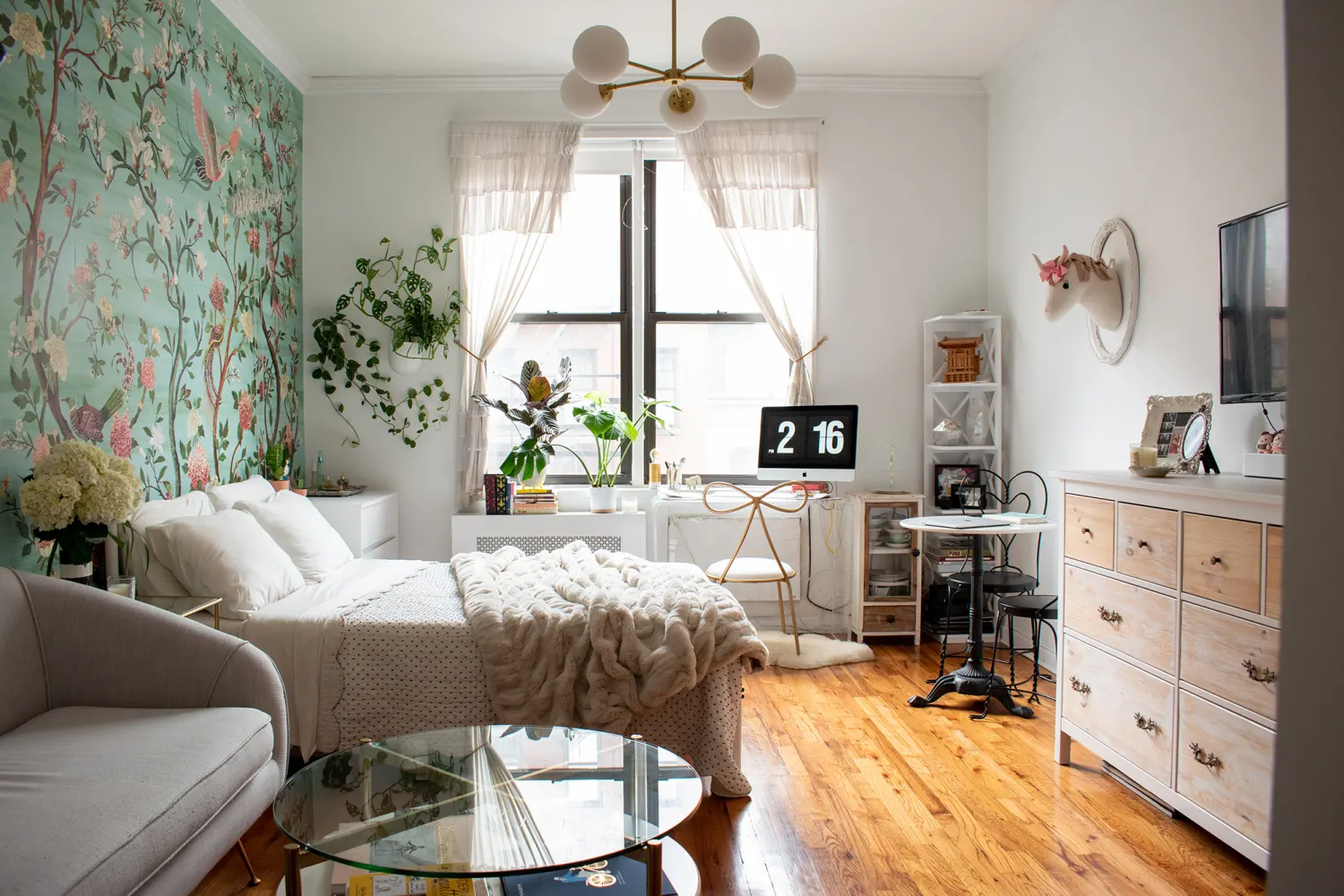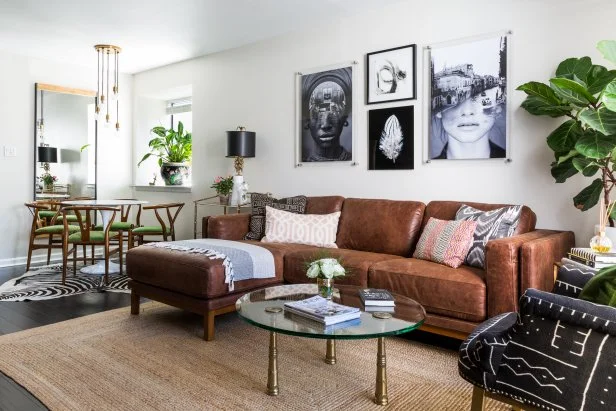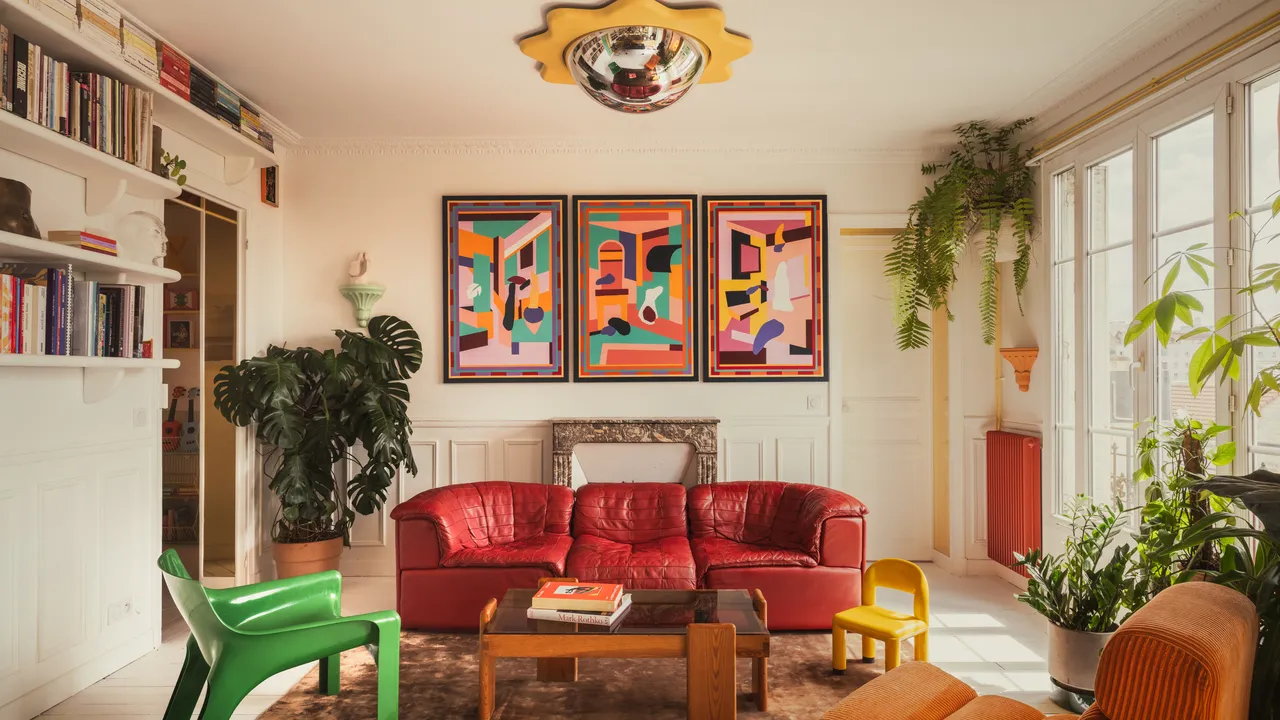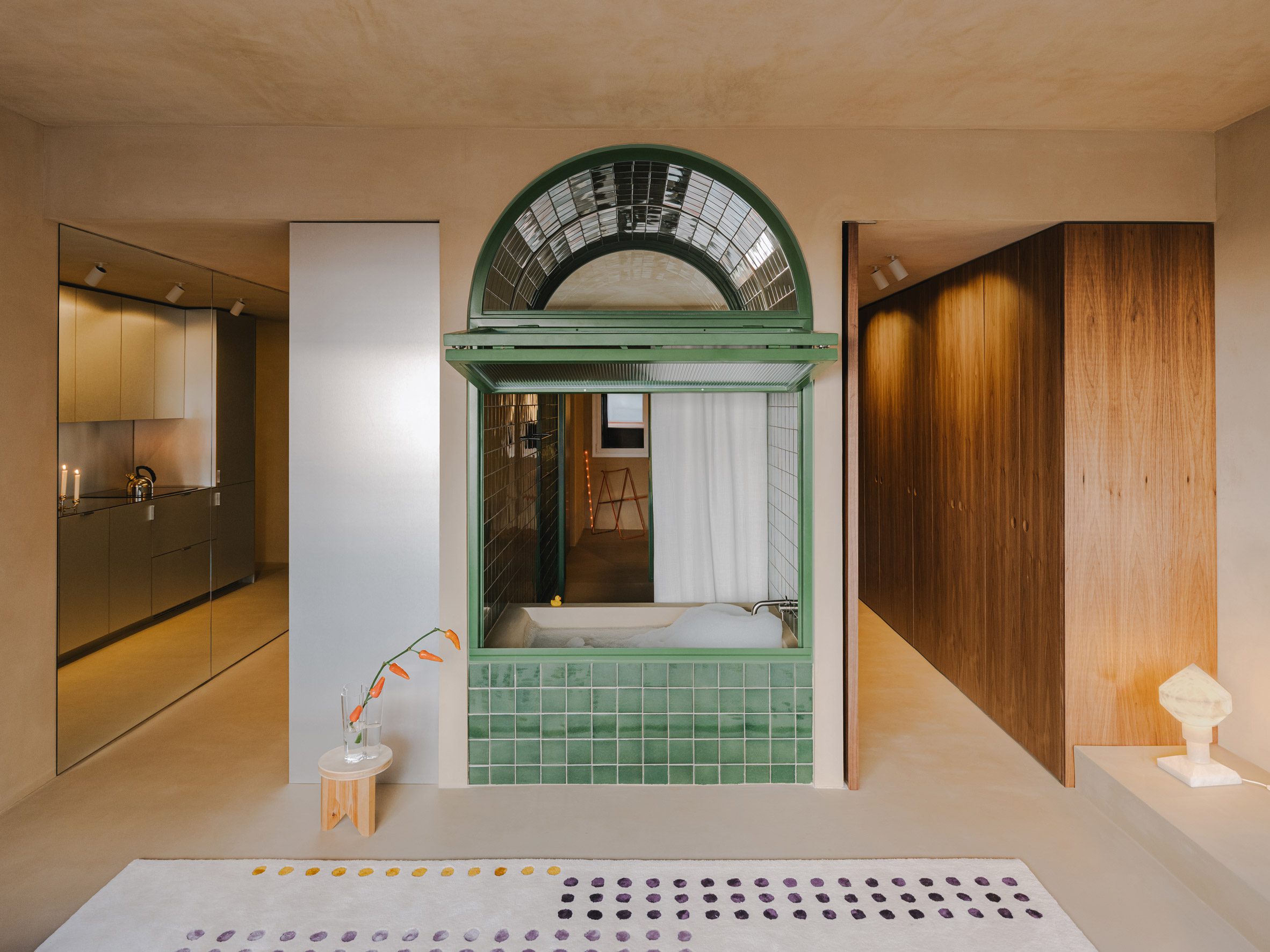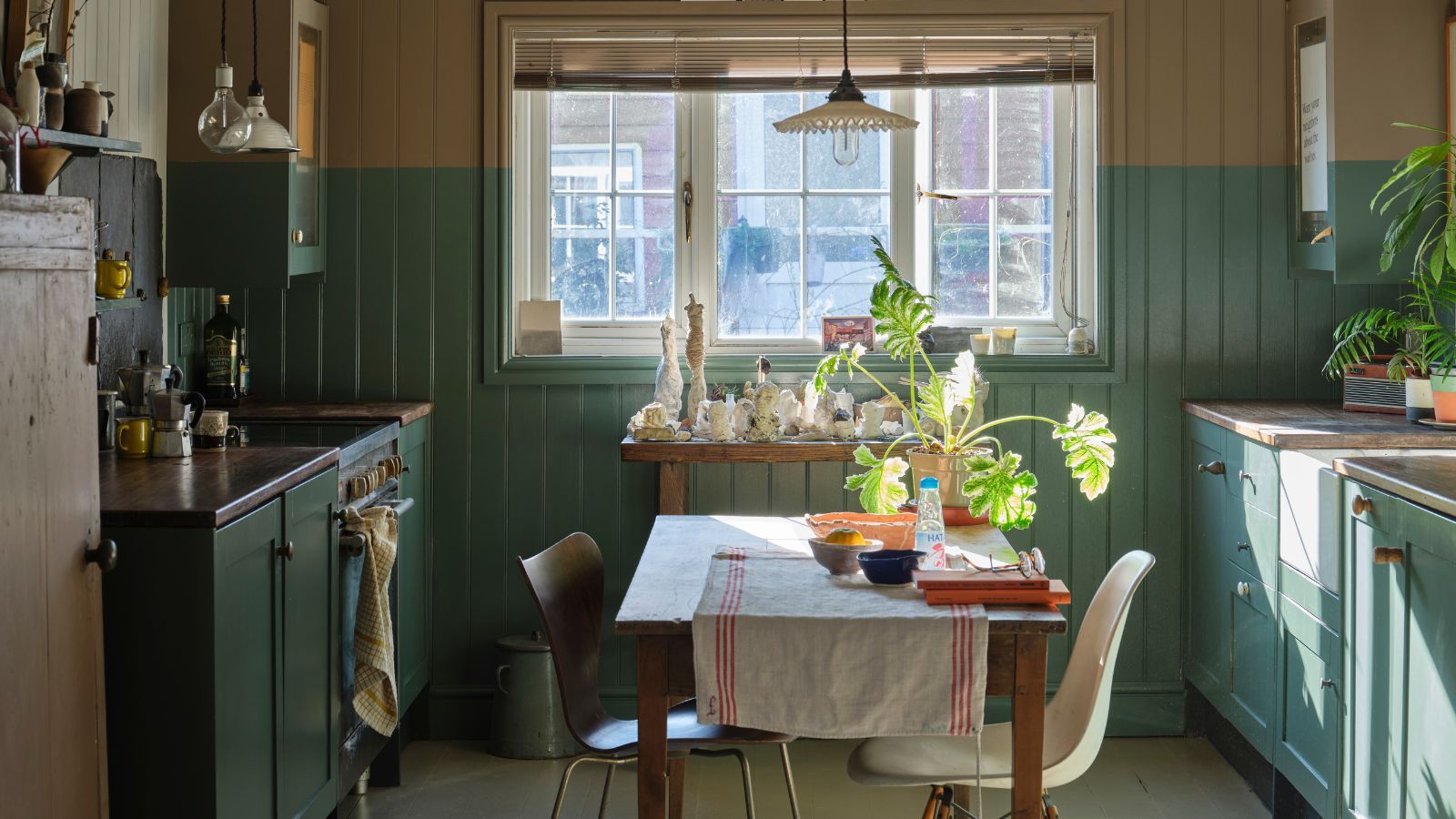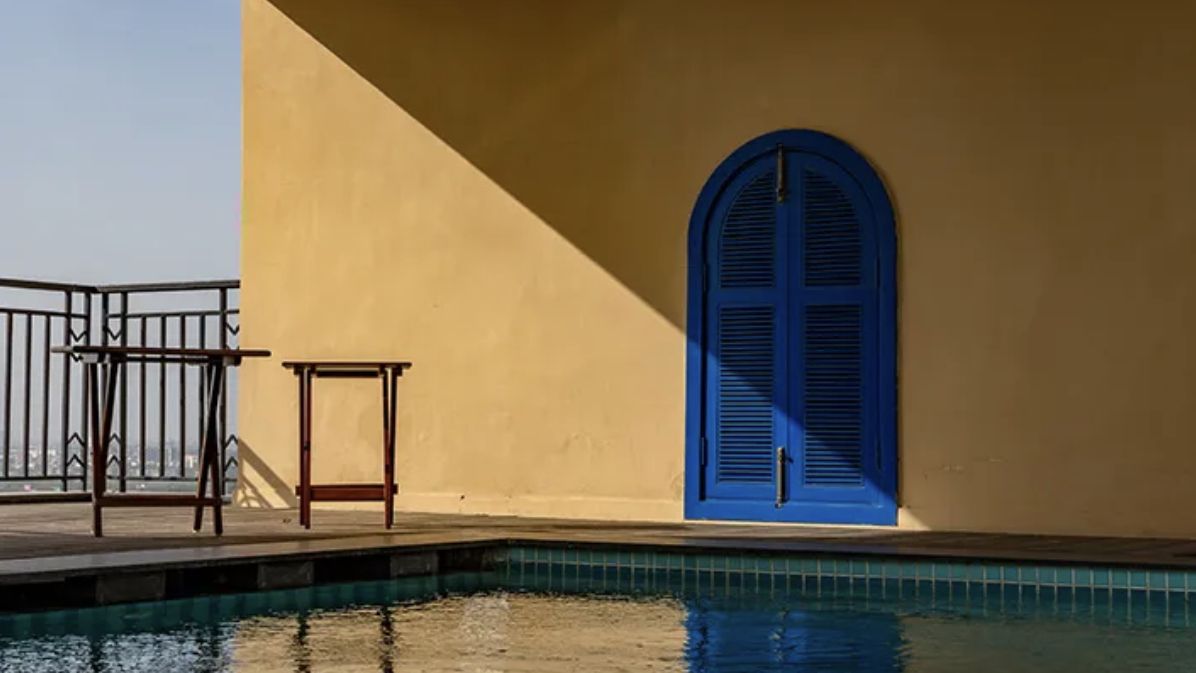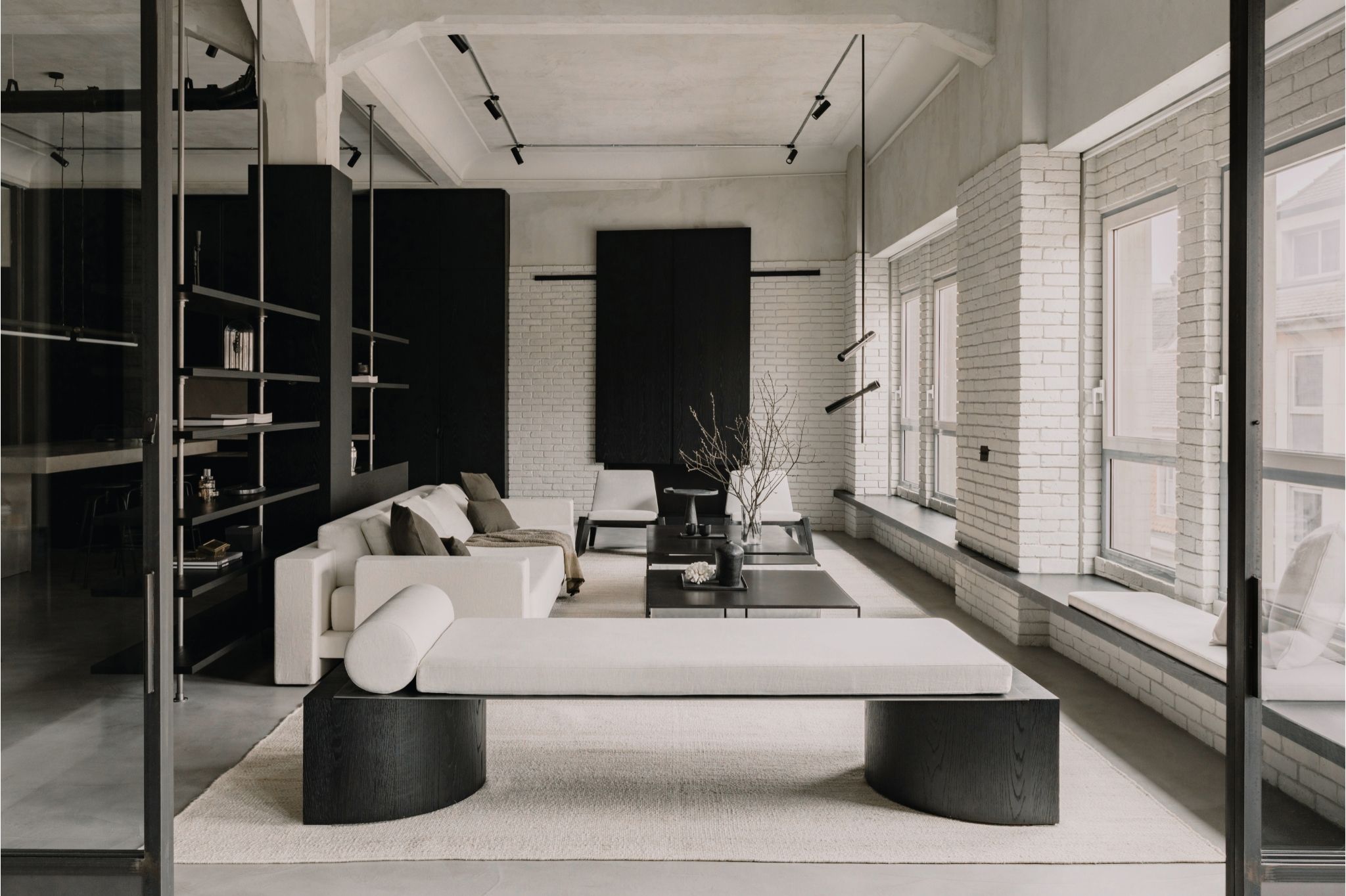
The concept of a minimalist apartment may seem contradictory to some, especially in small spaces, but it's more a design philosophy than merely a lack of items. Minimalism emphasizes a style that promotes calmness and warmth without feeling stark. Interior designer Ronit Lee from Vellum Design Studio highlights that minimalism can create inviting spaces with interesting details that do not overwhelm.
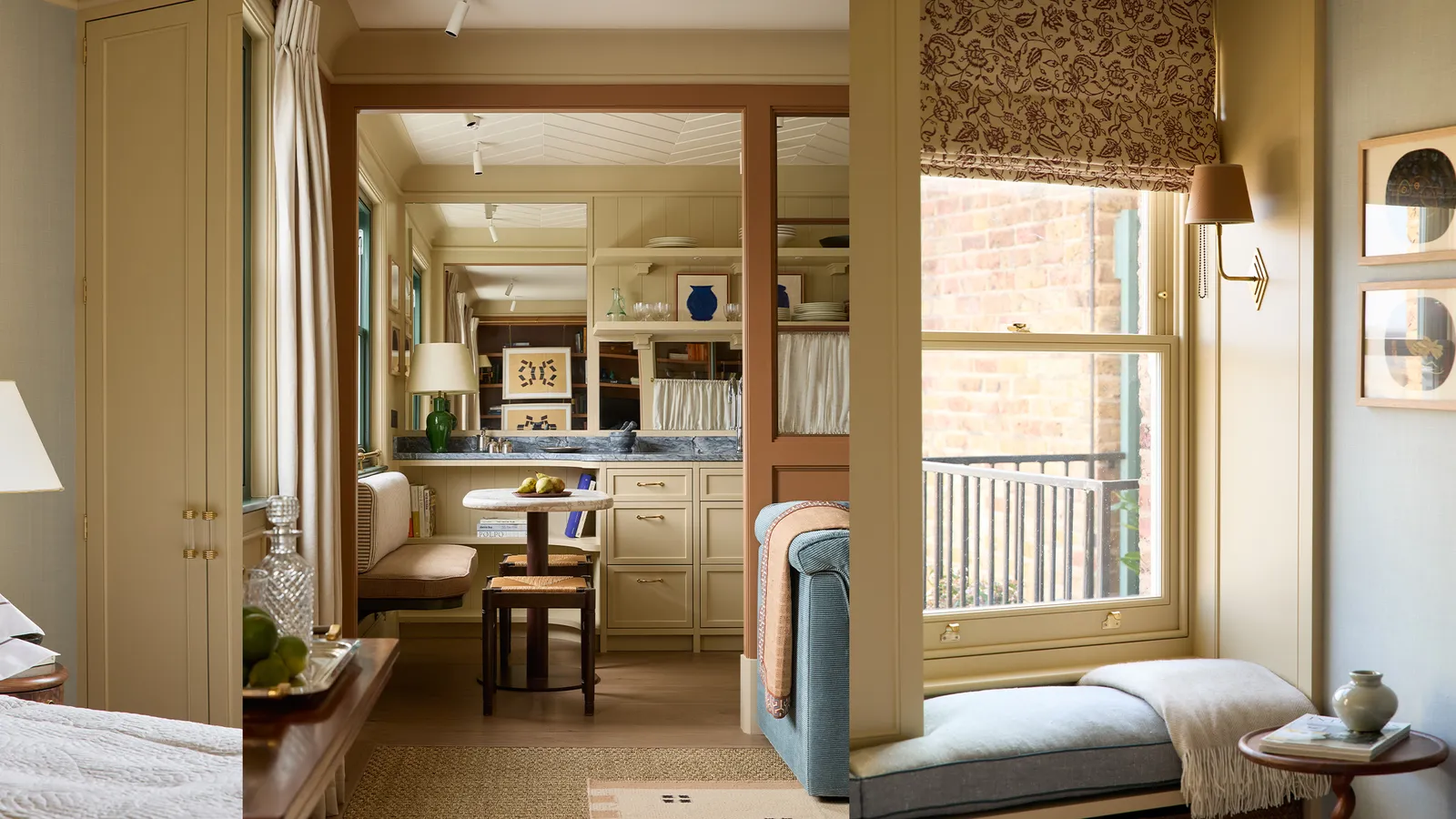
To achieve a balance in minimalist interiors, Ronit Lee suggests incorporating luxurious textures and well-crafted furnishings. She notes that instead of plain white walls, options like clay paint can add depth and warmth, making a small space feel more expansive and alive.
Incorporating Wabi-Sabi Aesthetics
Architect Axel Vervoordt's designs exemplify the Wabi-Sabi philosophy, which embraces the beauty in imperfection. At The Greenwich Hotel's Tribeca Penthouse, Vervoordt and collaborator Tatsuro Miki showcase how minimalist interiors can evade harshness by integrating antique and custom-made elements. The textures used throughout the space ensure it feels cozy and welcoming.
Emphasizing Humble and Grounded Furnishings
In a design by Studio Le Cann, a small apartment utilizes a vintage room divider to separate living and sleeping areas. This design choice fosters a humble, grounded environment, encouraging a relaxed lifestyle with versatile seating arrangements. The integration of rough clay-plastered walls provides texture that complements the minimalist aesthetic.
Soft Color Transitions
Jessy Van Gorp’s design features gentle color transitions throughout an open-plan apartment, enhancing its fluidity. By using a subtle color palette and blending different hues, the spaces feel cohesive yet distinct. This approach not only connects the areas but also adds a layer of understated luxury.
Highlighting Architectural Features
OZA Design’s renovation of an industrial apartment in Colmar focuses on preserving and showcasing the building's unique structural elements. The design team's vision emphasizes serenity while showcasing the apartment's original features, creating a balance between minimalistic aesthetics and architectural significance.
Simplifying Hallways and Doorways
Interior design firm MWAI tackled the common issue of cluttered hallways in apartments by envisioning open and airy entrances. The minimalist design here allows guests to experience natural light flowing into the space, with bedroom doors cleverly designed to remain discreet.
Utilizing Pocket Doors
In another innovative approach by architect Nuno Nascimento, pocket doors deliver a functional solution for maintaining openness while providing privacy when needed. This design technique not only enhances flexibility but also aligns with the minimalist aesthetic by eliminating bulky door frames.
Maximizing Built-in Storage
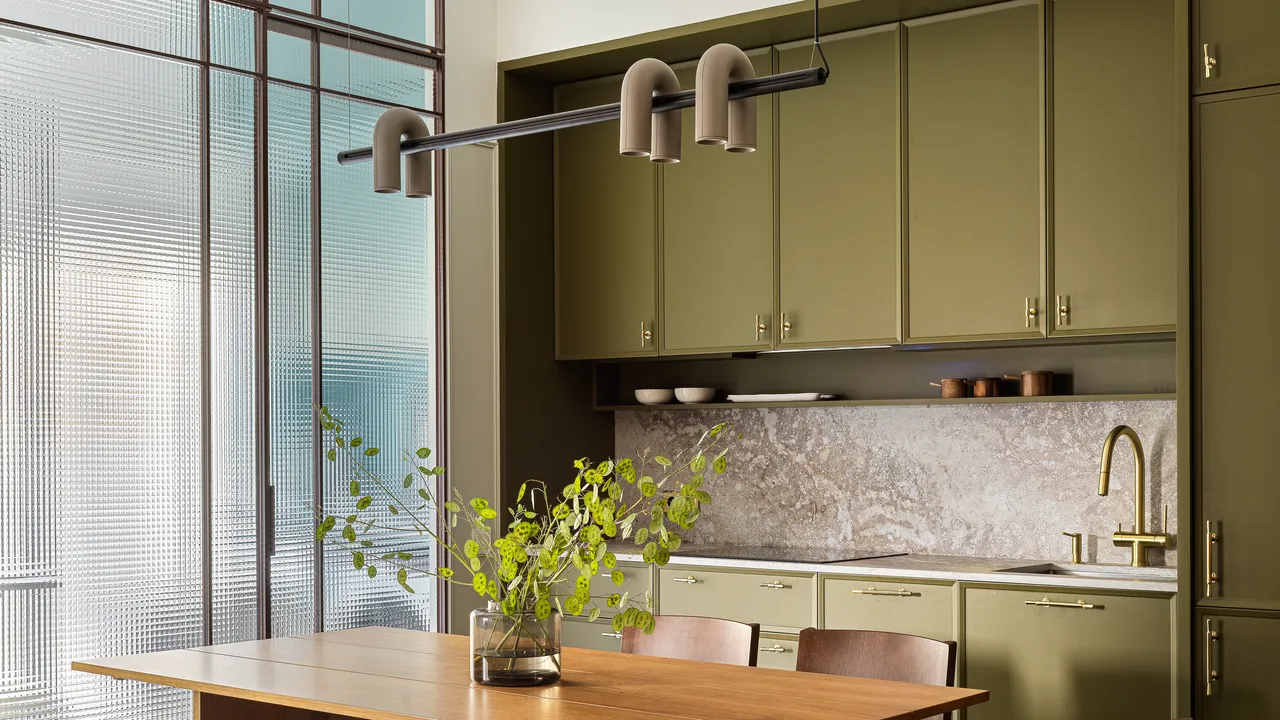
Together Design Studio demonstrates the benefits of built-in furniture to maintain a clutter-free environment. Their design incorporates a central storage unit that harmonizes with the architecture while ensuring practicality, seamlessly blending kitchen appliances and minimizing visual disorder.
Creative Use of Color
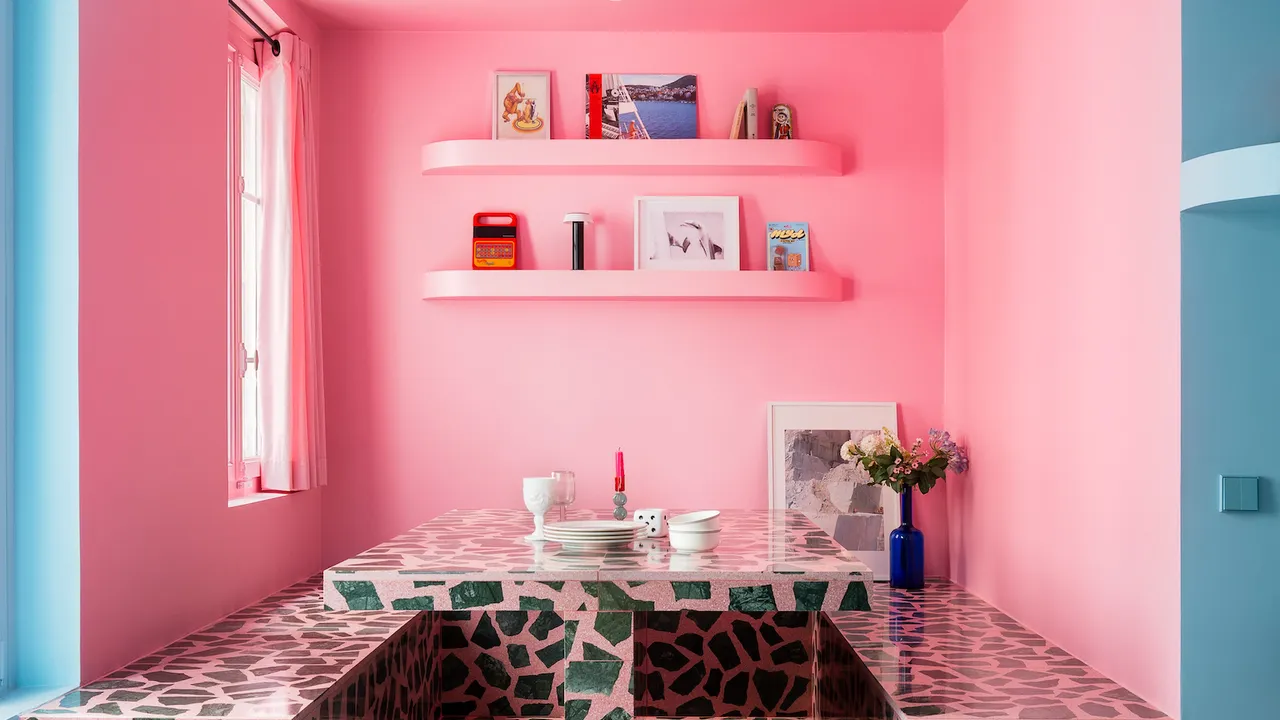
Unicreations’ design features color-blocking with soft shades throughout the kitchen and living areas, proving minimalism can coexist with color. By employing durable and cohesive materials, the space maintains a minimalist feel while embracing subtle vibrancy.
Thoughtful Wall Materials
In designing the Z Residence, Jessy Van Gorp emphasizes the significance of wall materials in creating a minimalist environment. Each element is purposefully selected, contributing to both aesthetics and acoustic quality, which enhances the overall harmony of the minimalist approach.
Minimalism in apartment living is about mindfulness in design, understanding the unique dynamics of space, and maximizing comfort while keeping a clean, serene aesthetic. This thoughtful application of minimalism is integral to ensuring that smaller living environments feel welcoming and stylish.