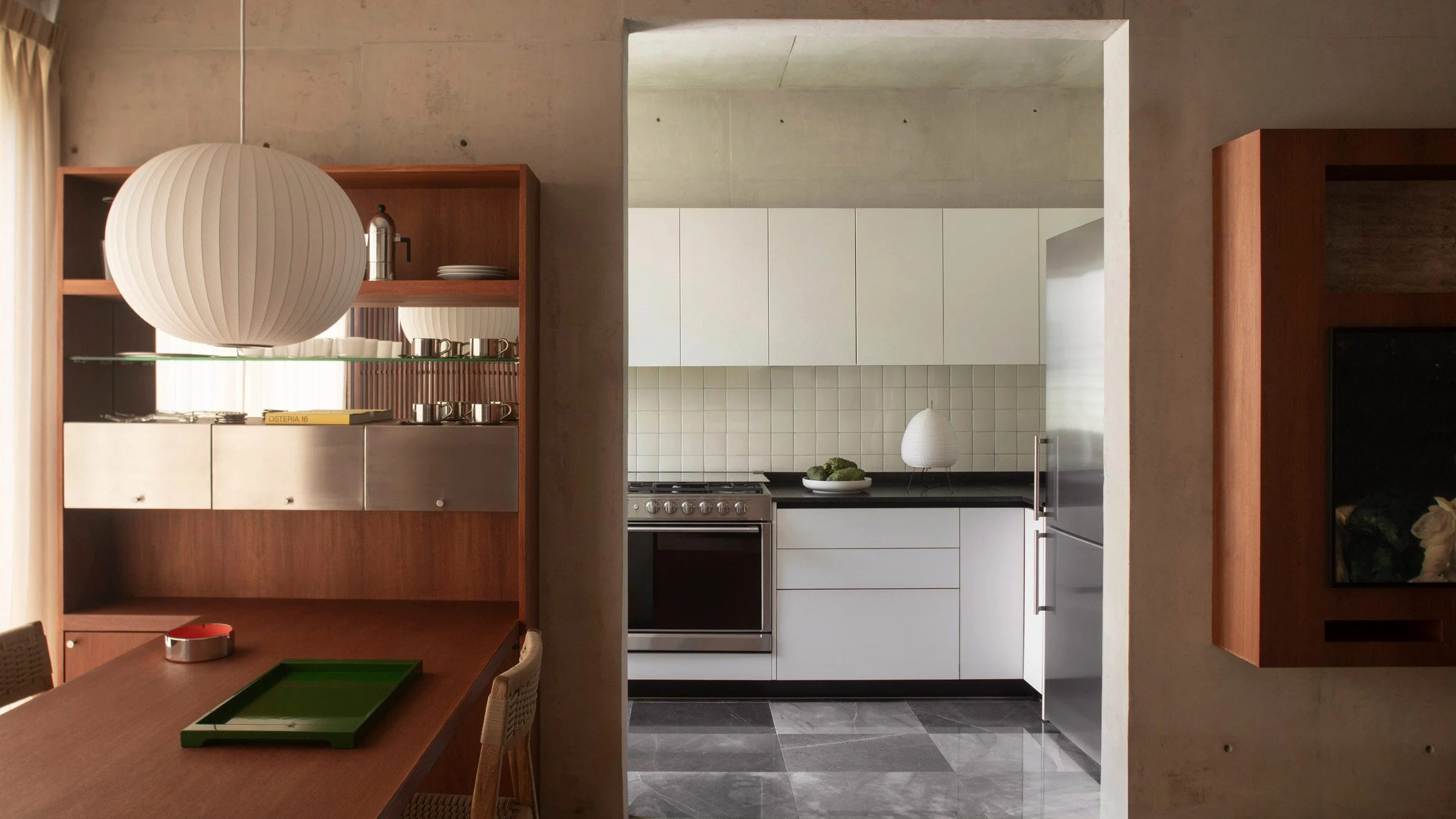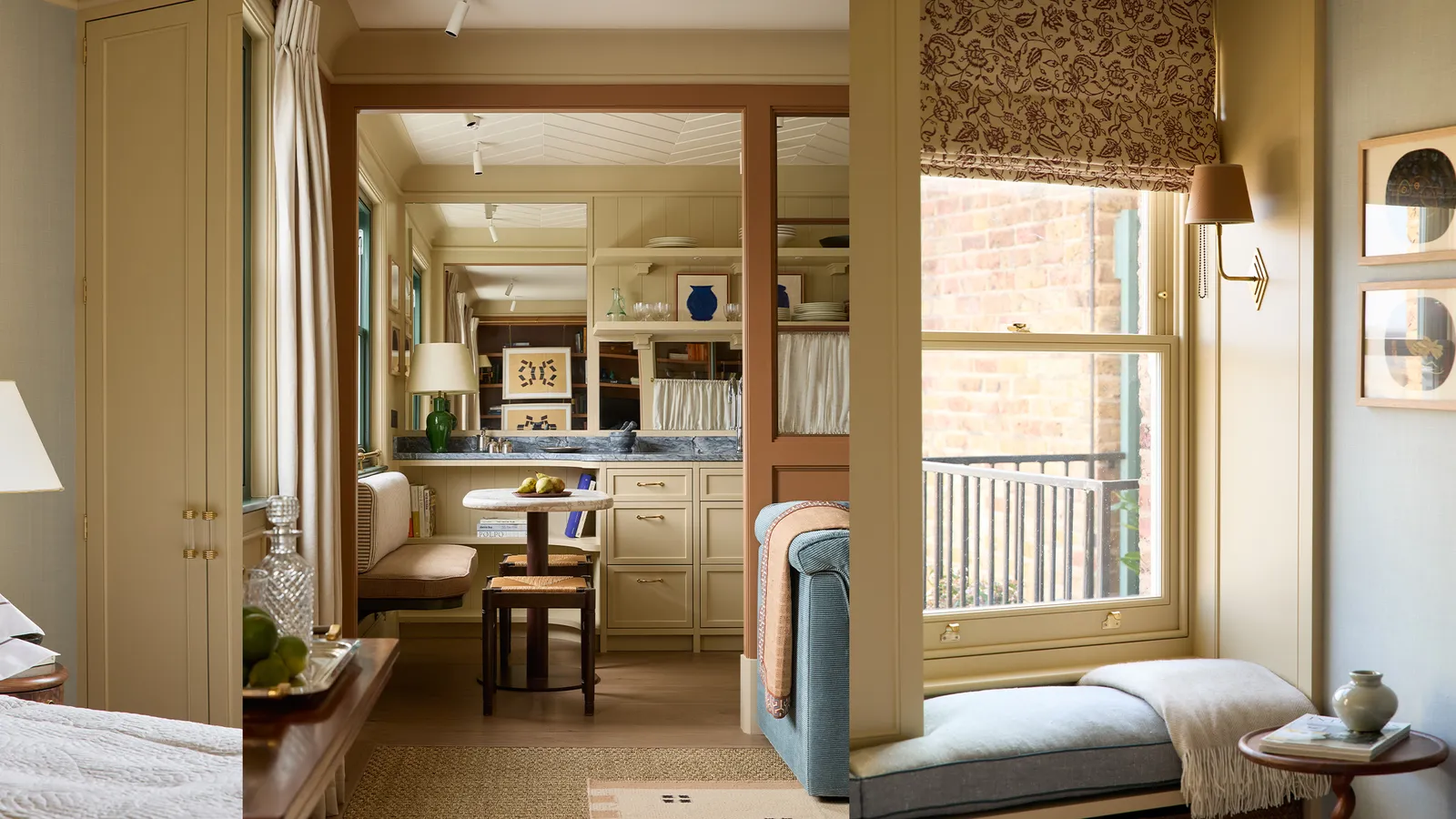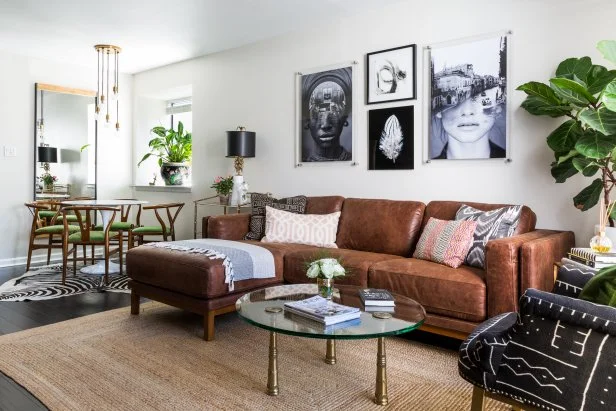
Real estate trends indicate that traditional studio apartment layouts are becoming less favored among renters. Many now seek designs that offer flexibility and adaptability, according to industry experts.
Humberto Marquez, a licensed real estate agent with Awning.com, states that renters are moving away from the practice of compartmentalizing their studio space into specific zones for sleeping, working, and living. Instead, they desire a more fluid arrangement to accommodate various daily activities and transitions, especially as remote work gains popularity.
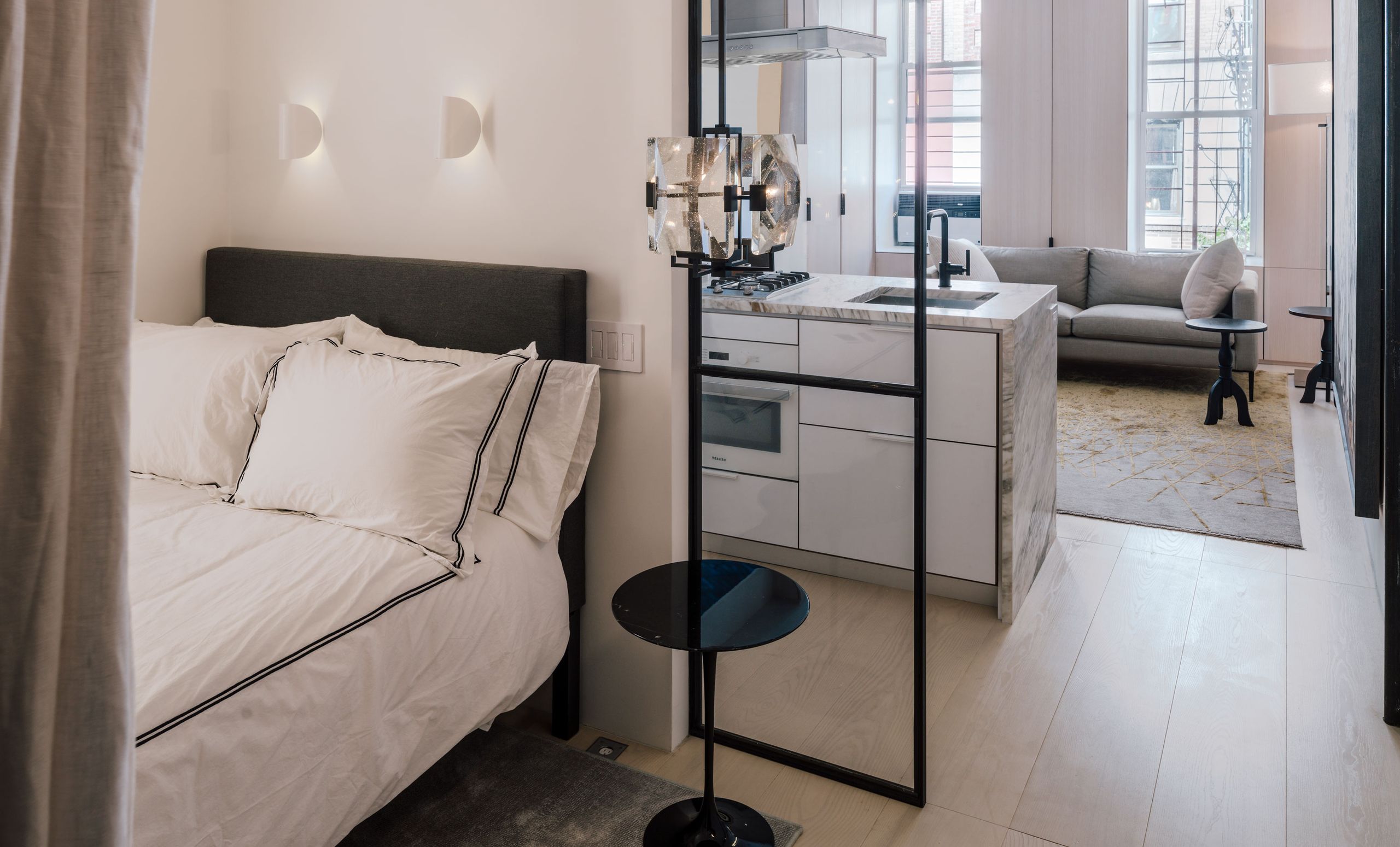
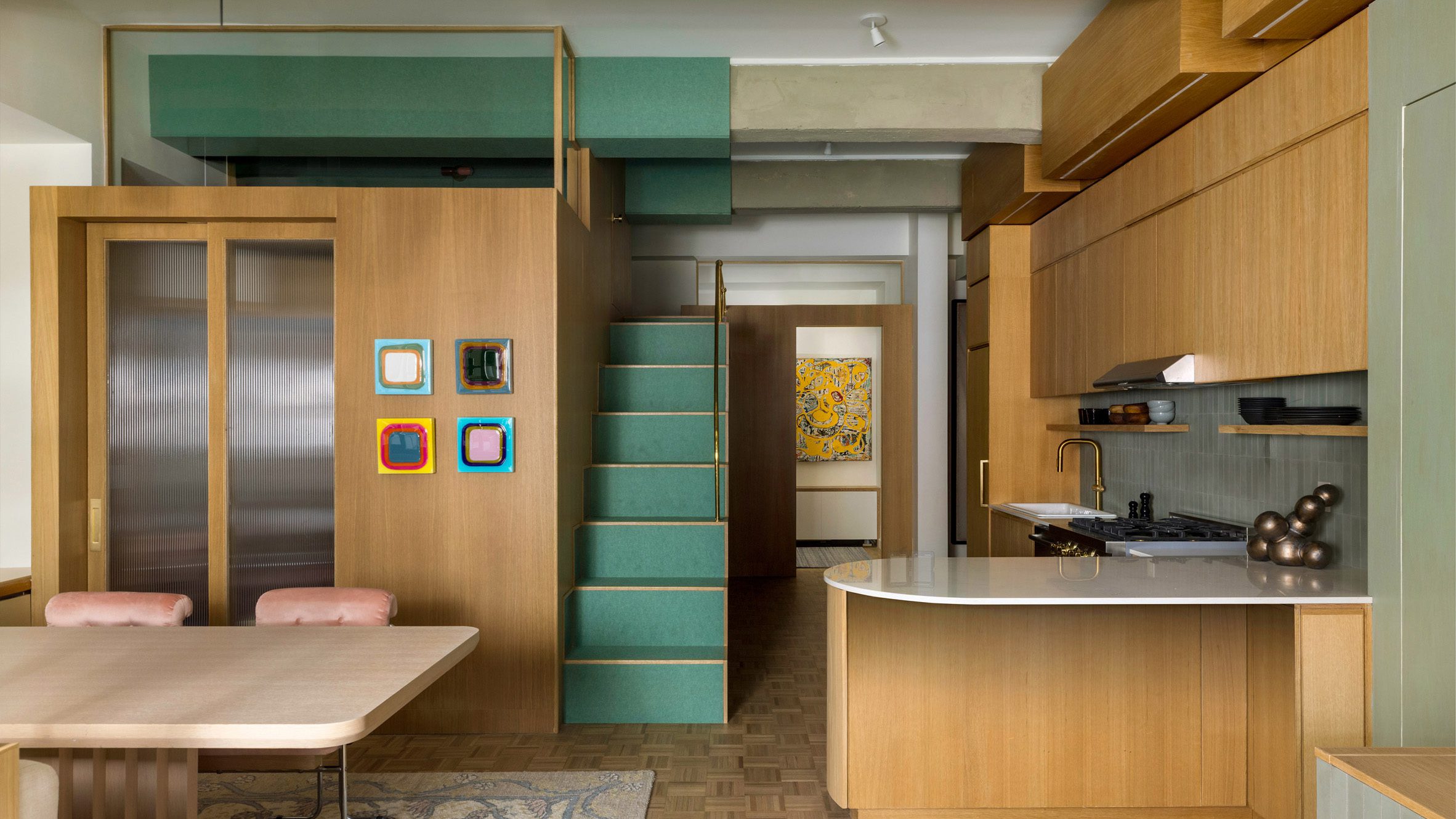
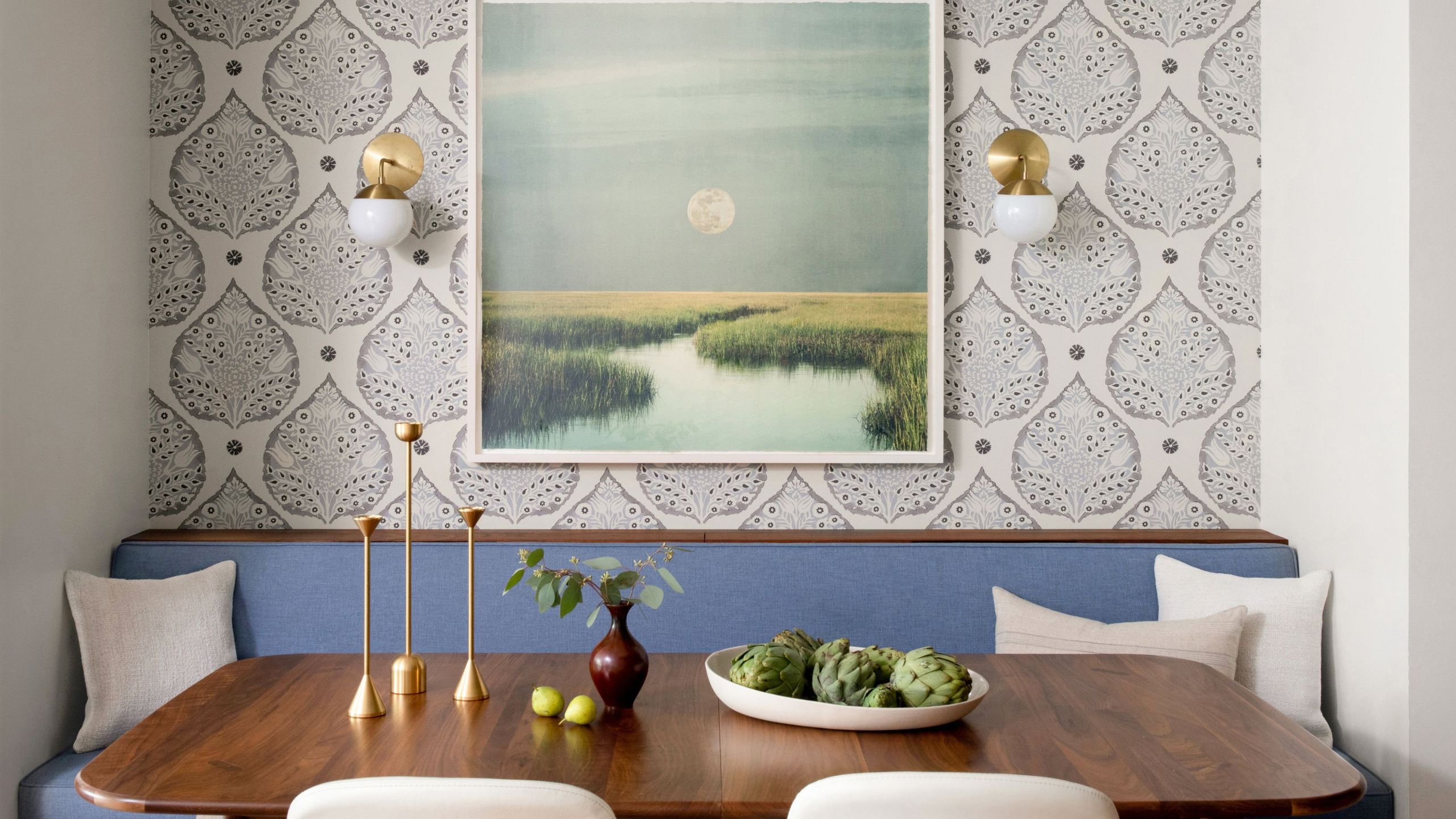
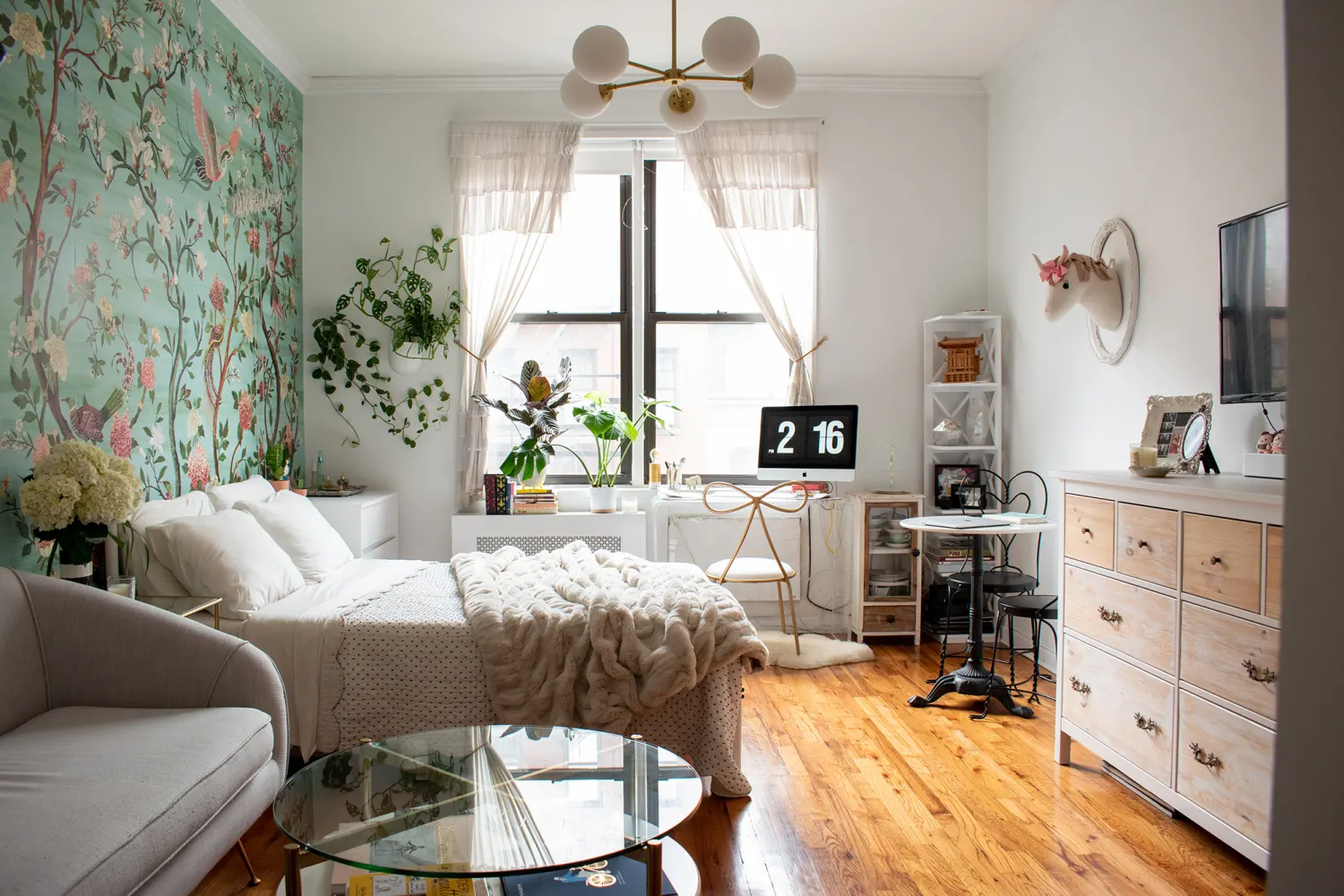
Advancements in furniture design, such as Murphy beds that fold into walls, have contributed to this trend. Many modern options include beds that can also serve as desks, catering to the needs of those working from home. Sal Dimiceli Sr., owner of Lake Geneva Area Realty, points out that traditional dividers, like folding screens, are being replaced with contemporary solutions such as custom glass doors or decorative elements like artwork and wallpaper that enhance the environment without making it feel cramped.
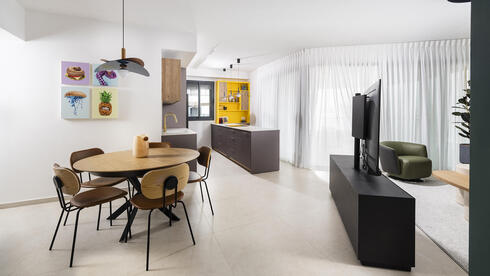
Renters are also looking for studios that feel spacious and incorporate natural light and outdoor areas. Rick Albert, broker associate with Lamerica Real Estate in Sherman Oaks, California, explains that such features can improve the overall ambiance of a studio apartment.
For those considering renting a studio, Dimiceli notes that sizes typically range from 250 to 700 square feet. To visualize different layouts without physically rearranging furniture, design apps like Amikasa or the IKEA Room Planner can be valuable tools.