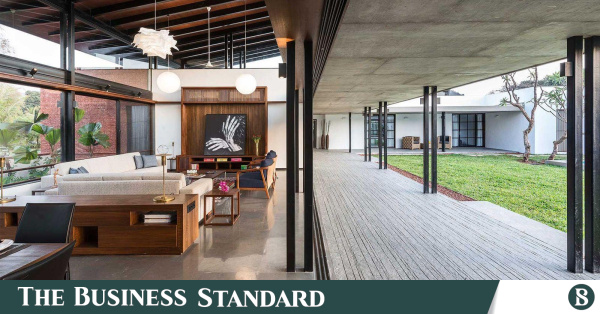
Experiencing a power outage on a hot afternoon can turn a home into an uncomfortable space. Residents in Bangladesh frequently cope with load-shedding, which raises the question of how to create homes that minimize reliance on electricity.
Architect Abid Azad, CEO of Inframed Architects, emphasizes that while design cannot entirely replace power-dependent comfort, it can enhance livability during outages. He shares insights on how to optimize light and airflow in homes to alleviate discomfort, especially in densely populated urban settings.
### Maximizing Natural Light
Azad recalls a situation where a woman struggled with her dark and stuffy bedroom during power cuts.
Many Dhaka residents face similar issues, where poor window placement and furniture arrangements restrict natural light. For instance, a well-placed wardrobe can hinder daylight from entering, highlighting the importance of strategic furniture placement.
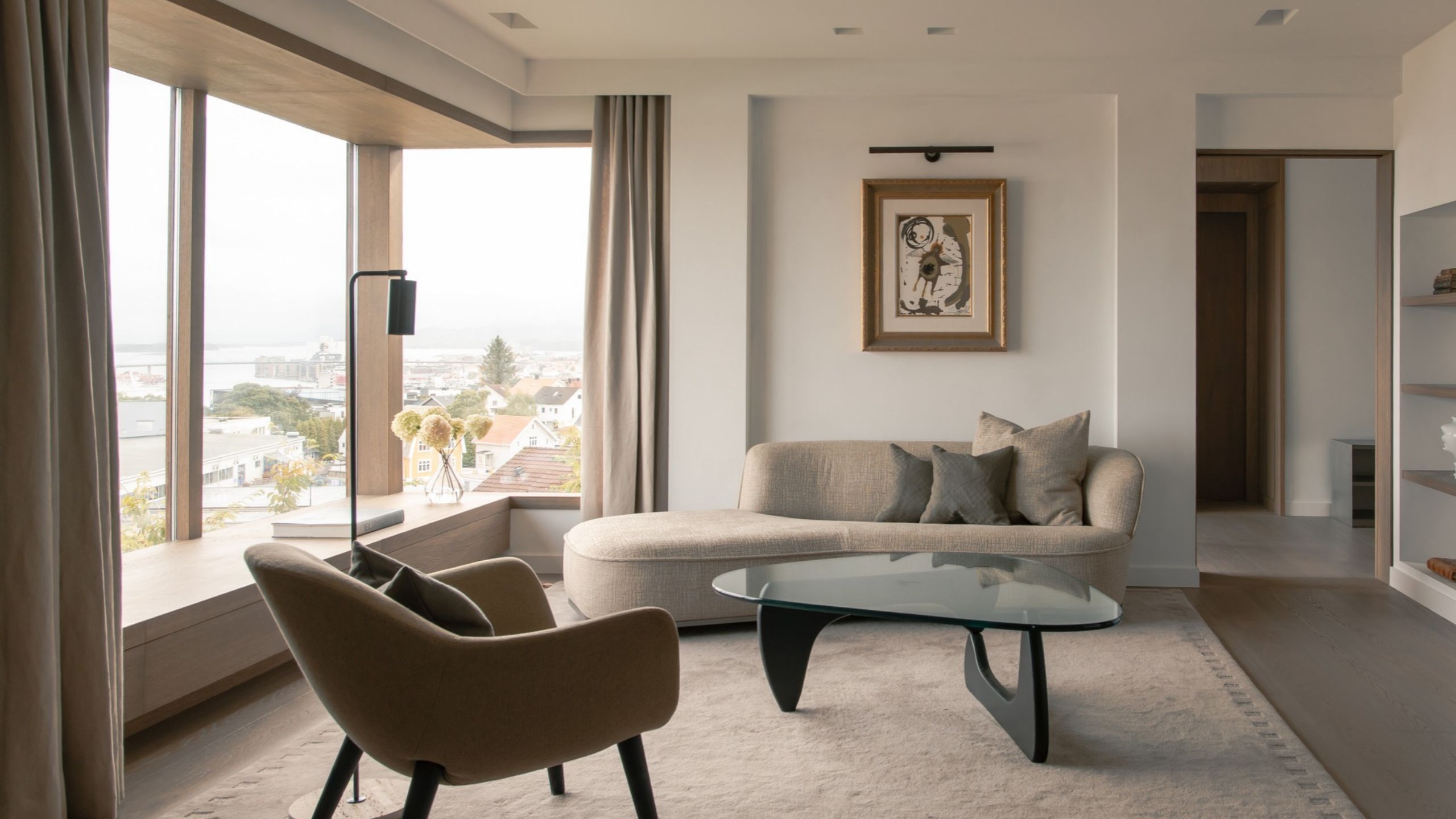
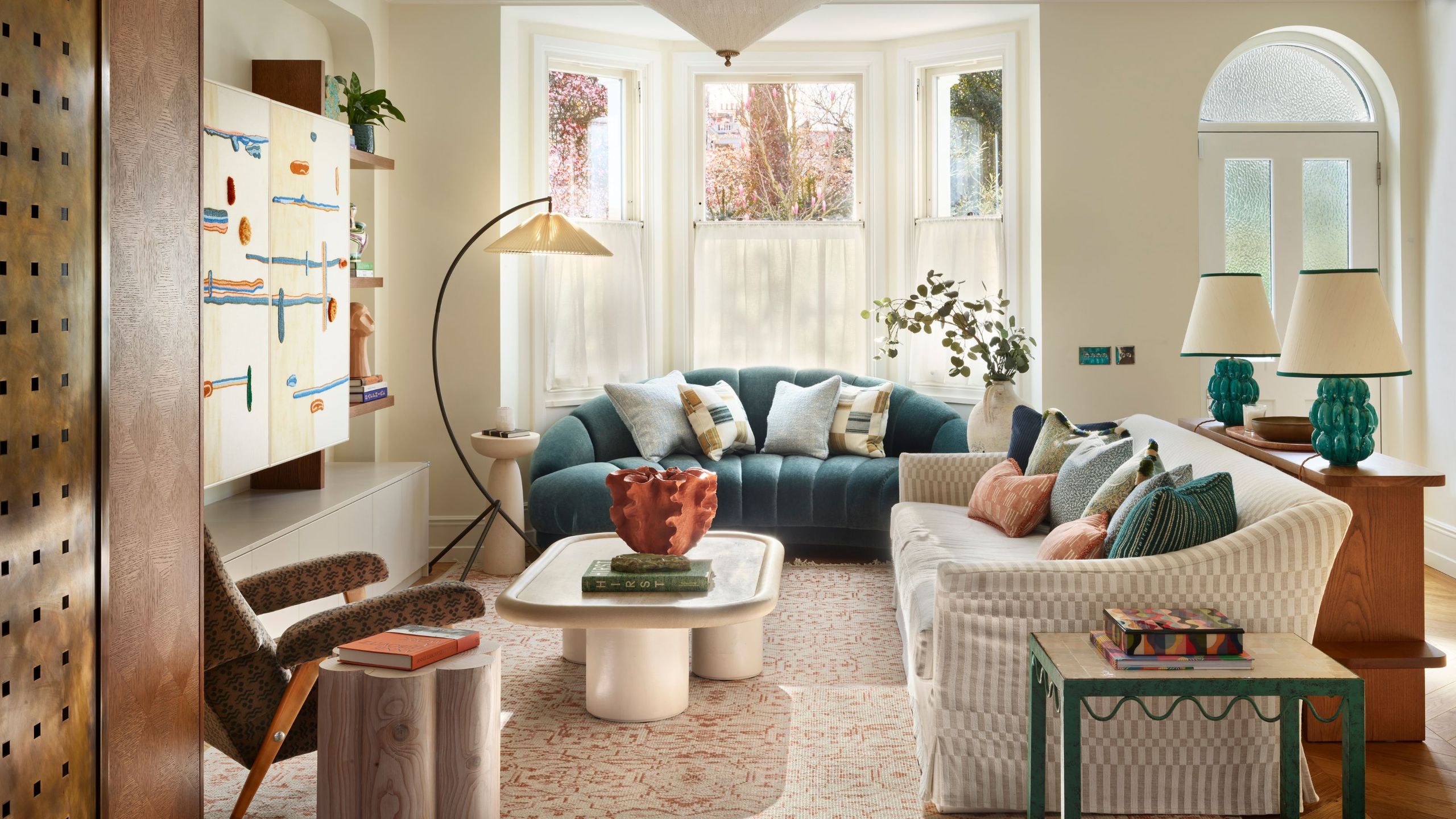
Natural light can serve as a vital resource during daytime outages. To prevent excessive heat from entering, especially through west-facing windows, homeowners can balance light intake with color choices, opting for lighter wall shades that reflect light better. Using layered curtains can also effectively manage brightness while maintaining airflow.
### Ensuring Airflow
Efficient ventilation is critical, particularly in urban apartments with limited window access. Azad advises maximizing existing openings by keeping windows and doorways clear. In cases where rooms are blocked off, he recommends professional assessments for structural changes that can enhance airflow between spaces.
In one instance, a dark living room adjacent to a daylit kitchen benefitted from a partial wall modification that allowed for improved light and air movement. This adjustment was made without compromising privacy, demonstrating practical solutions to ventilation challenges.
### Controlling Heat
In Bangladesh's humid environment, room orientation can significantly affect comfort levels. Azad encountered issues in a west-facing bedroom where afternoon heat made air conditioning necessary earlier in the day. Simple adjustments, such as repositioning furniture and installing layered curtains, improved comfort, enabling a later use of the air conditioning.
### Room Functionality
Each room's arrangement plays a crucial role in comfort during outages.
For example, ensuring that windows are accessible and maintaining an unobstructed layout can provide better conditions for productivity and relaxation. Small adjustments in furniture can enhance usability without the need for extensive renovations.
Azad suggests homeowners observe how sunlight interacts with their spaces throughout the day. Identifying areas that lack light or airflow can lead to significant improvements in home comfort without costly renovations. Ultimately, a well-designed home should remain functional and comfortable, regardless of electricity availability.