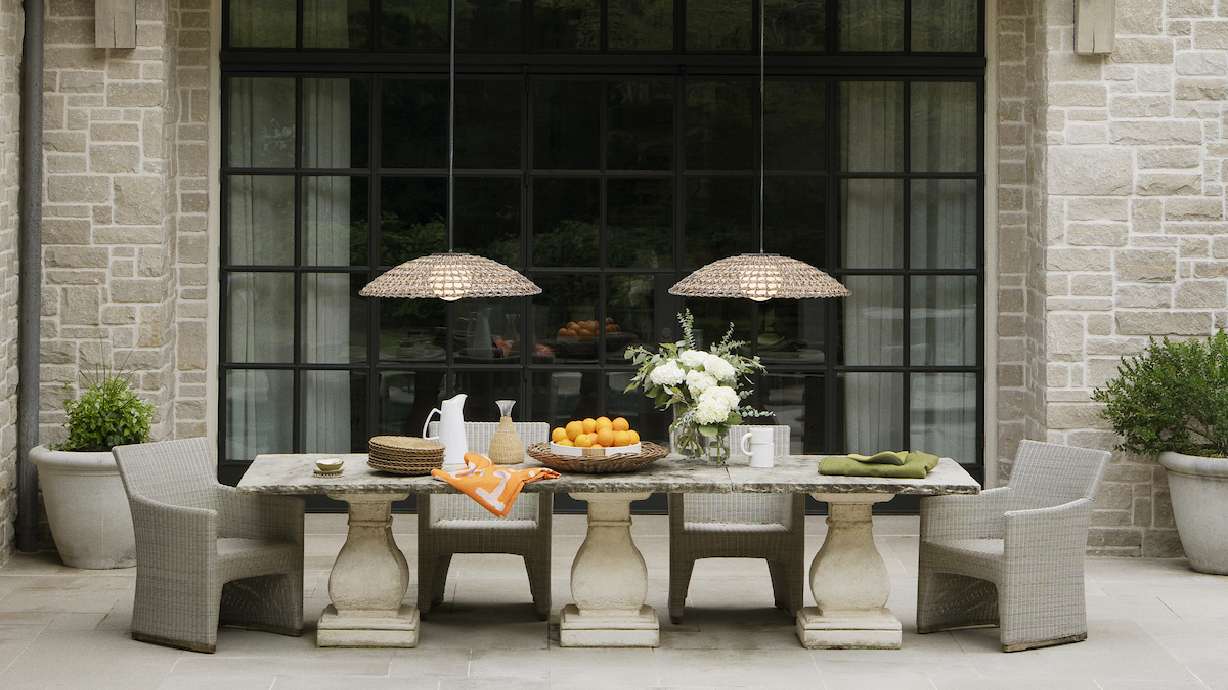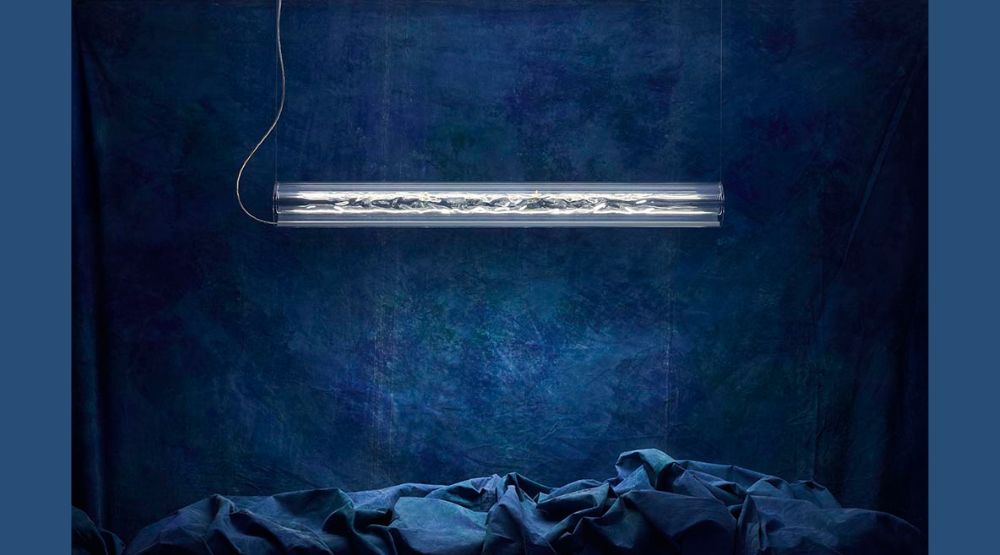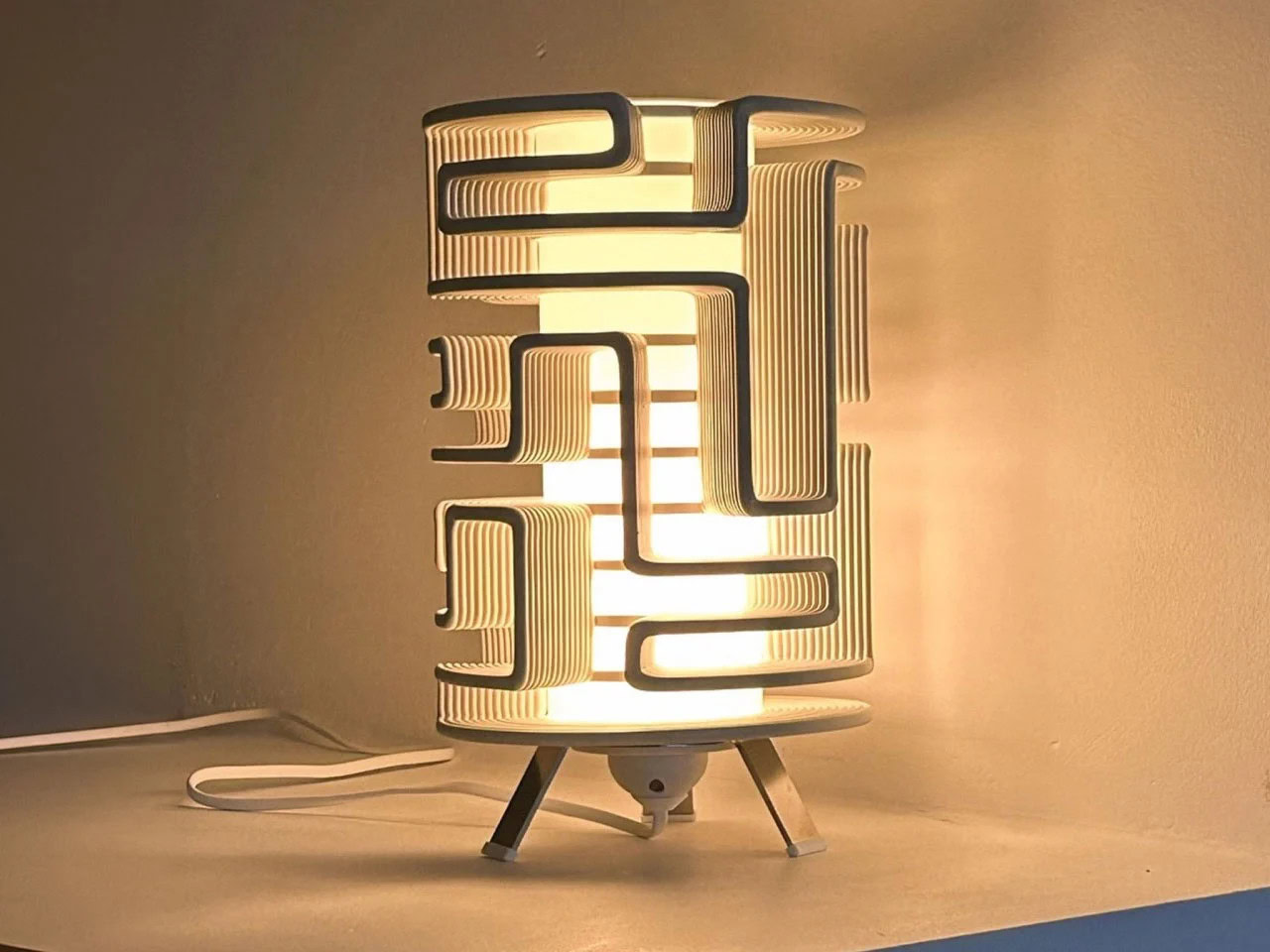
As winter approaches, many begin to prepare for the darker days ahead, and Norwegian experts have valuable advice for adapting home lighting to enhance comfort and atmosphere. In December, parts of Norway experience as little as six hours of daylight daily, with some regions facing continuous darkness. This unique circumstance has significantly influenced the design philosophies of Norwegian interior experts like Gudbjørg Simonsen.
Gudbjørg emphasizes that homes should adapt to the changing seasons rather than combat their effects. She believes that lighting plays a crucial role in creating a welcoming environment during winter, asserting that darkness can heighten our appreciation of light. She explains that the right lighting not only helps us see but also influences our emotions and the character of a space.
### The Importance of Lighting in Winter
According to Gudbjørg, effective lighting is essential during the winter months.
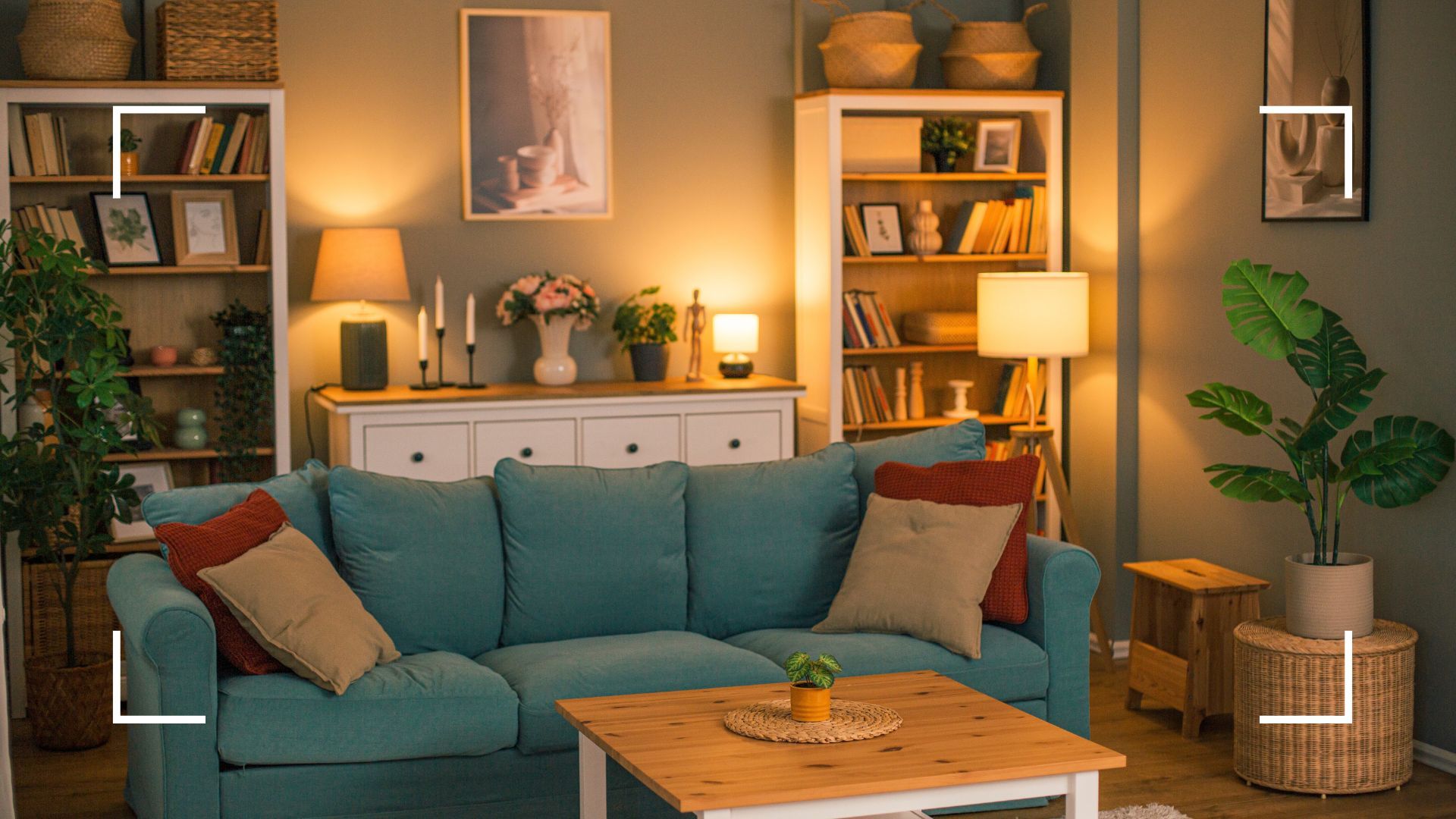
She describes light as multifaceted, with its capacity to evoke feelings being especially important. Warm, inviting lighting can enhance the sense of comfort during dark, chilly winter evenings, suggesting that seeing a brightly lit window can evoke feelings of warmth and presence in a home.
### Designing with Variation and Layers
Gudbjørg advocates for embracing natural variations in light rather than seeking uniform illumination. She notes that nature seldom provides completely even light, favoring instead areas of brightness and shadows. By incorporating this variability into design, rooms can reflect the dynamic quality of natural light.
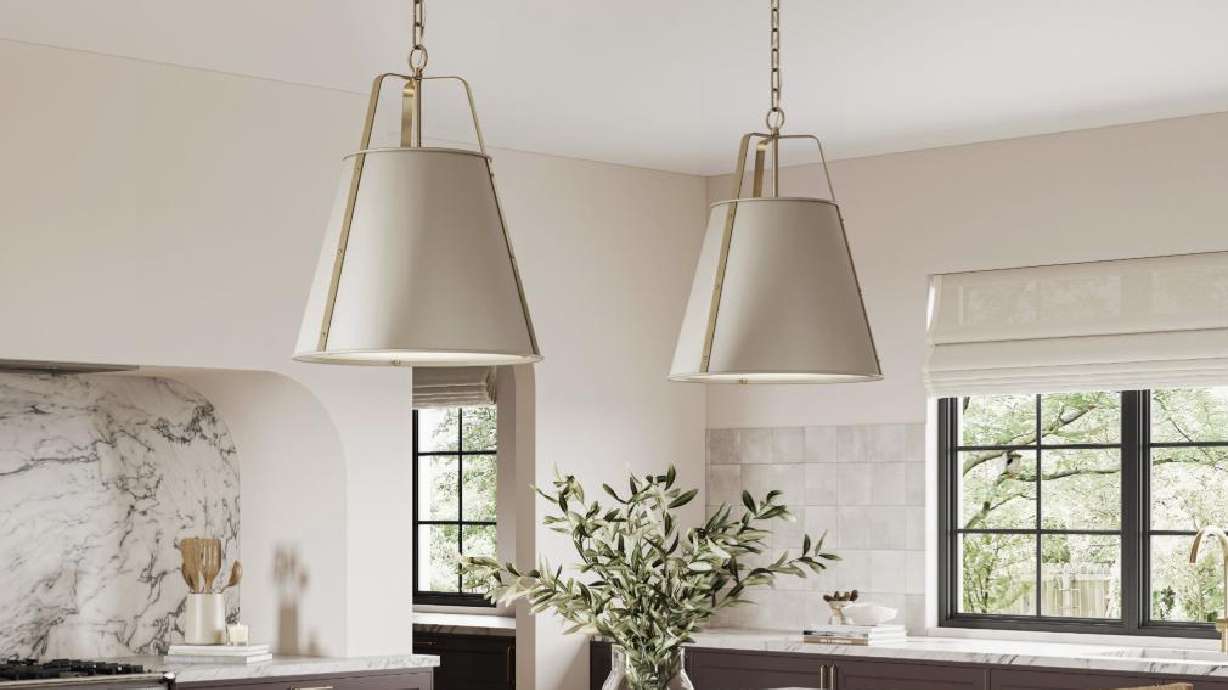
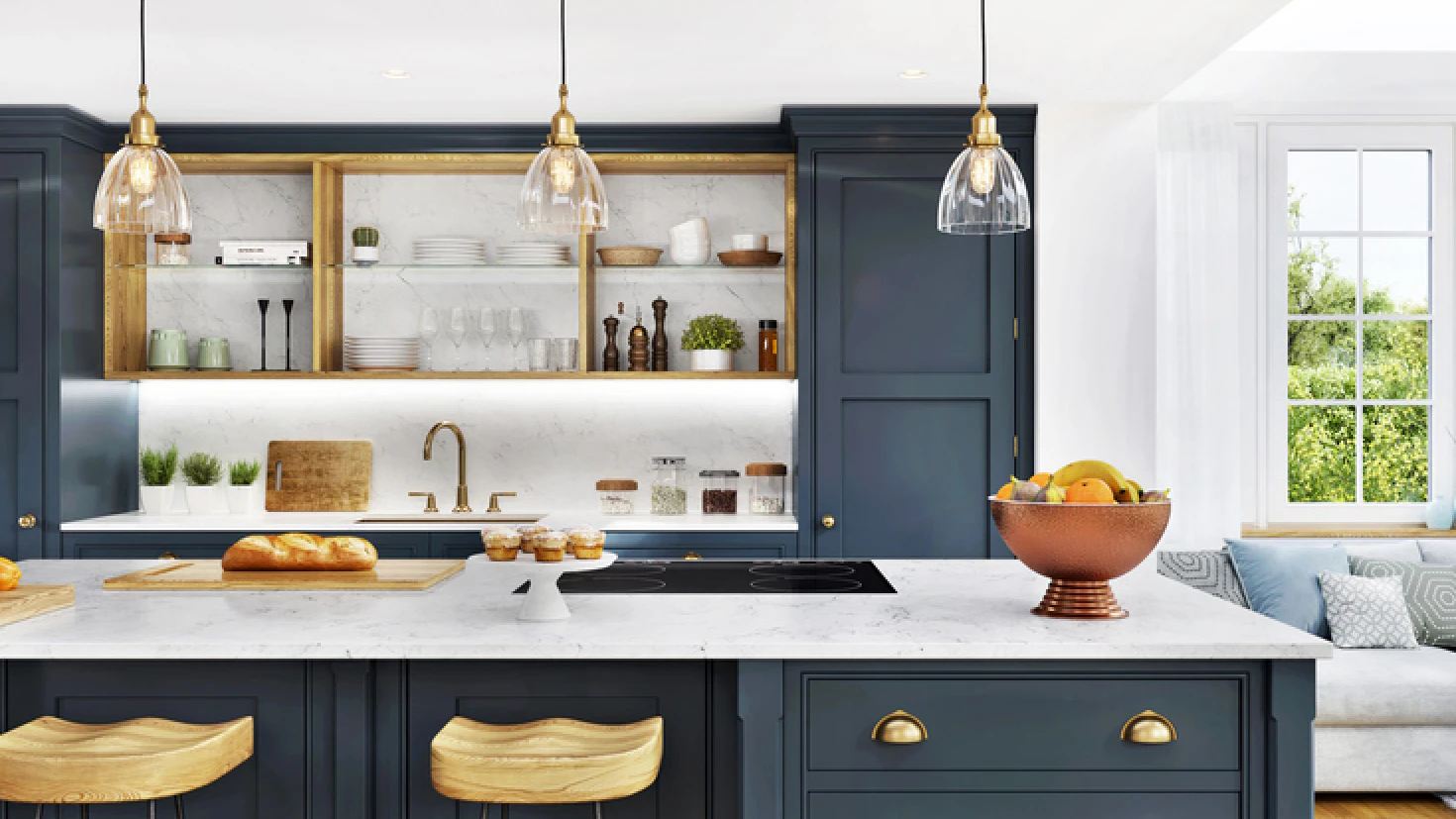
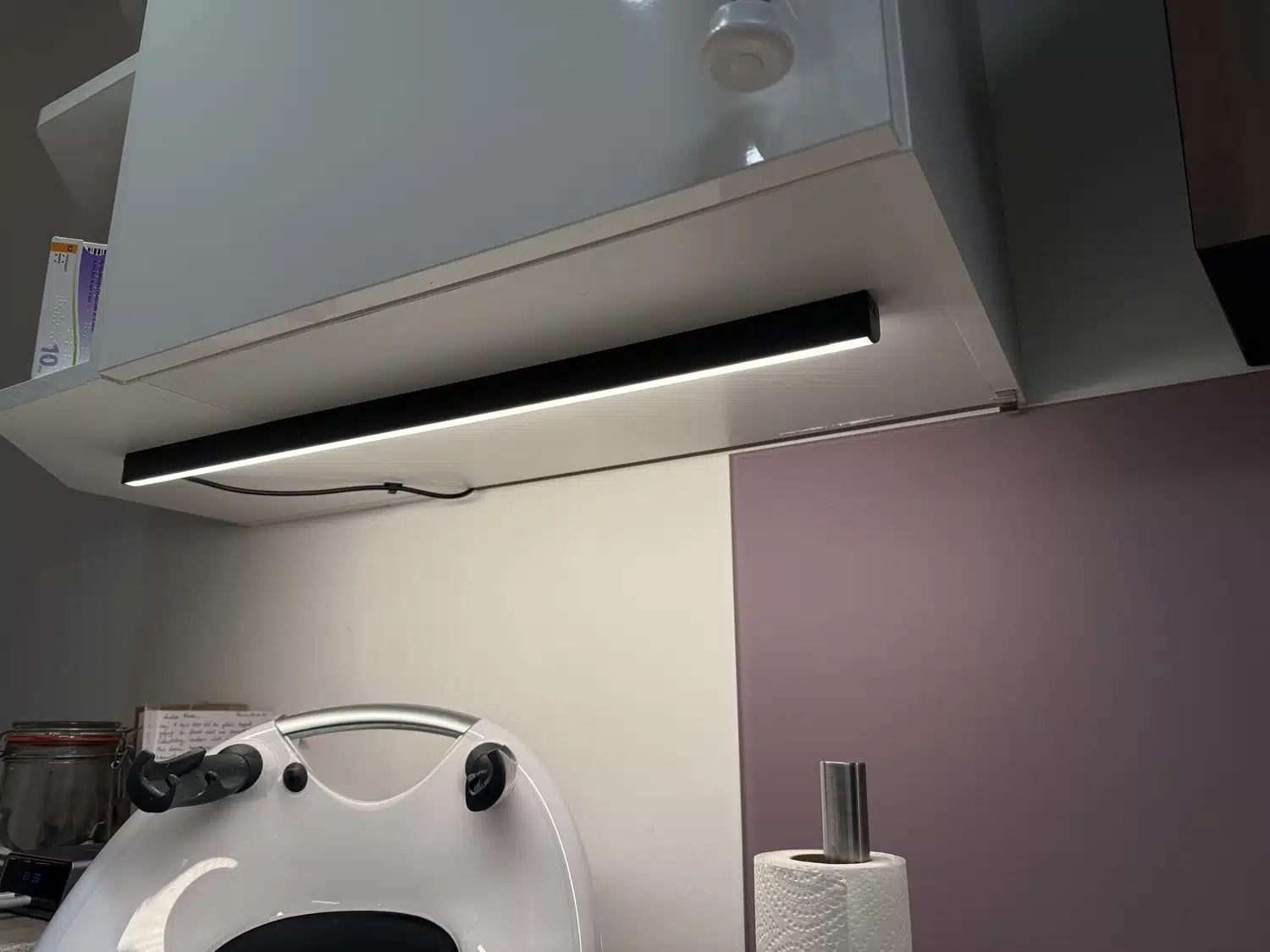
Layered lighting is another critical aspect of Gudbjørg's approach. She advises using a combination of functional and decorative lighting to meet different needs within a space. Functional lights should fulfill practical requirements, while accent lights contribute warmth and personality.
### Material Considerations
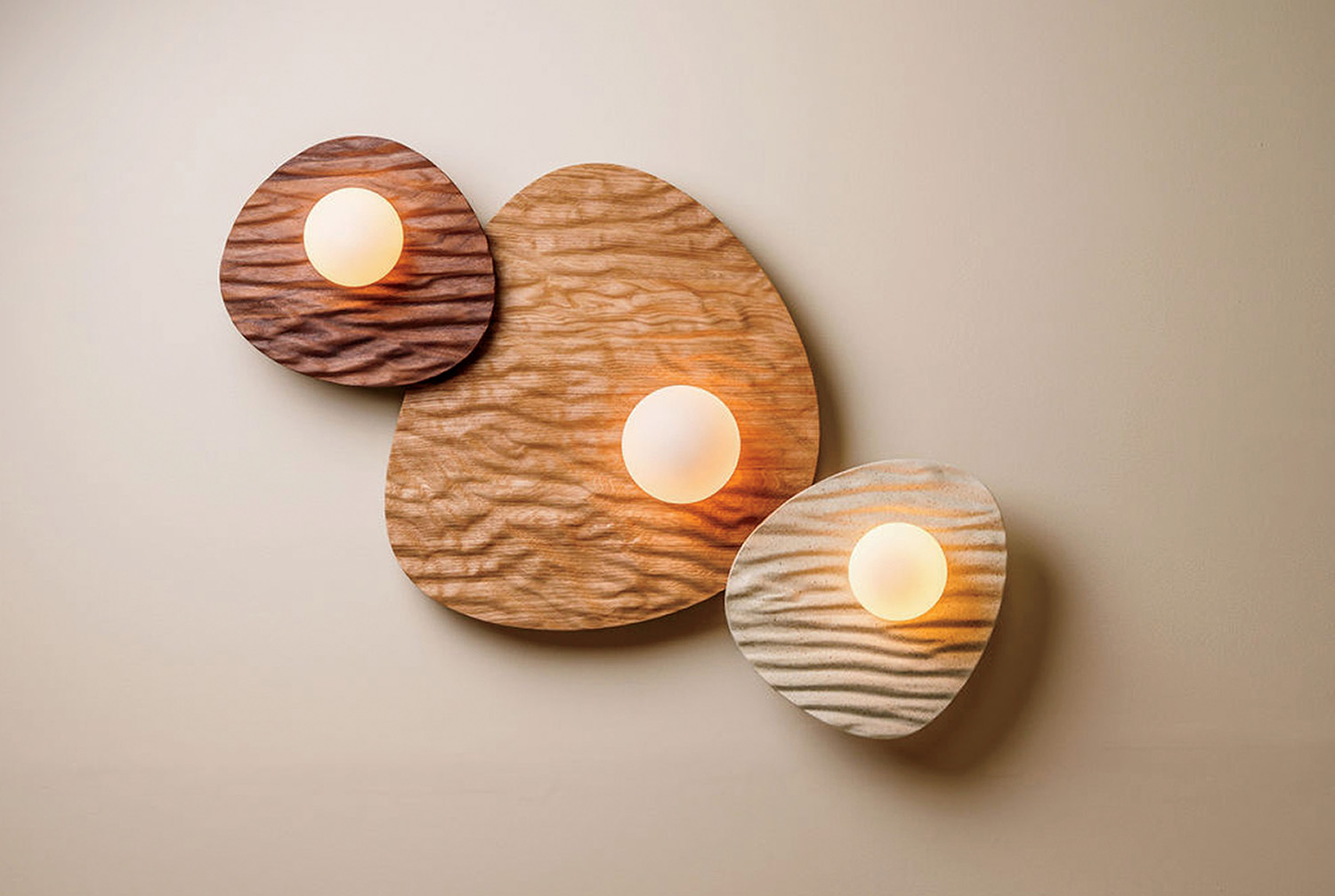
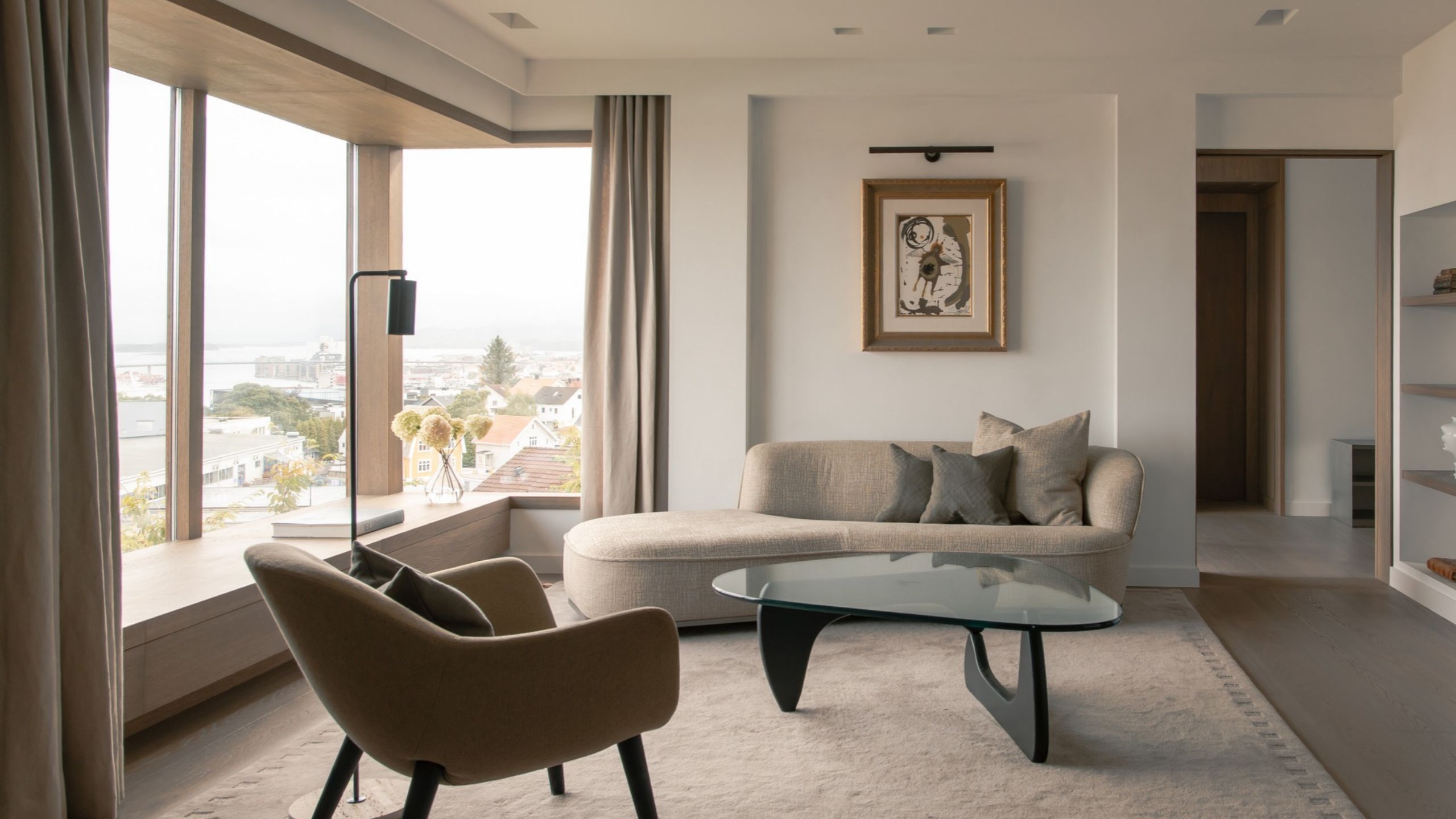
The choice of materials in a home is also vital. Different materials affect how light is absorbed, reflected, or transformed, with natural materials being particularly beneficial. For instance, wood can show varying tones depending on the time of day, creating an inviting atmosphere. Gudbjørg prefers materials that change subtly with the shifting light throughout the year.
### Flexibility and Soft Touches
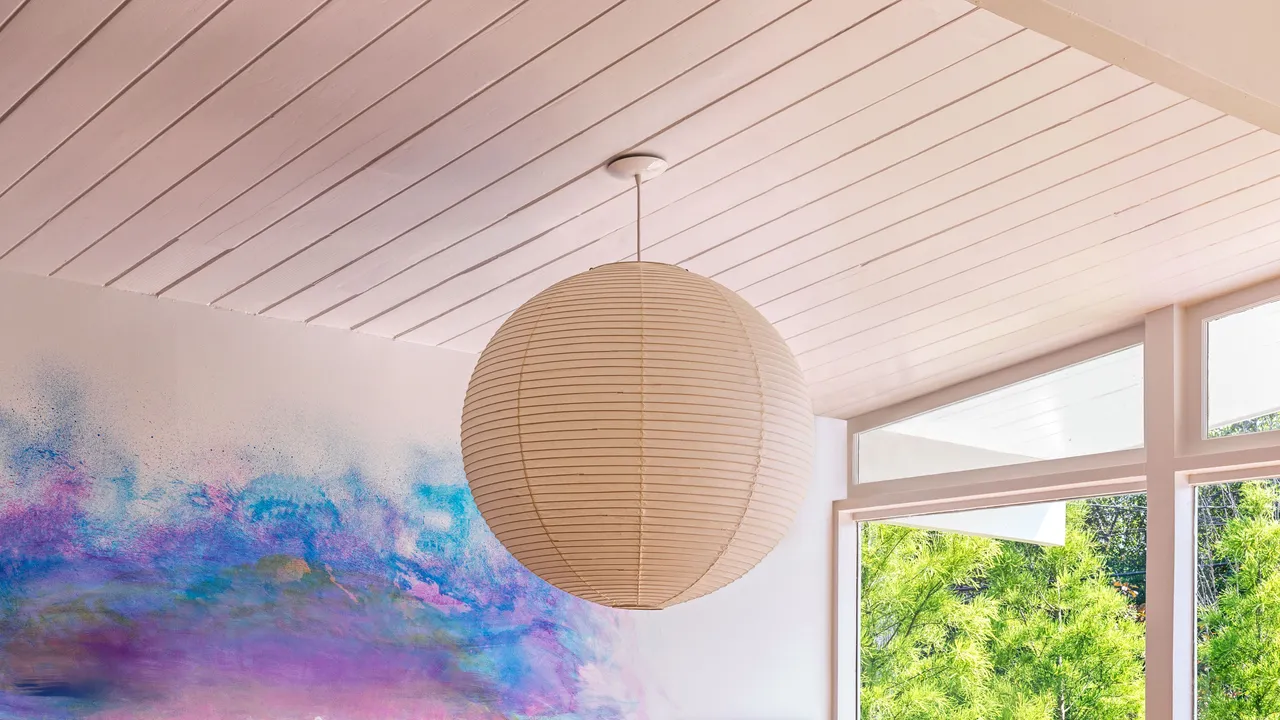
An adjustable lighting scheme is essential, especially in multi-purpose spaces. Gudbjørg highlights the importance of dimmers and adjustable lighting in creating the right atmosphere for various activities and times of day. Furthermore, she recommends using curtains thoughtfully. While they may seem like they block light, well-chosen curtains can add warmth and softness to a room, accommodating the limited daylight while enhancing the overall ambiance.
By applying these principles, homeowners can navigate the dark winter days with greater ease, creating spaces that feel alive and welcoming regardless of the season. The right lighting and materials can transform a home into a haven that reflects the nuances of light throughout the year.