Lighting plays a crucial role in setting the mood, function, and character of any room. Mastering this aspect can make every detail shine, whereas poor lighting can diminish even the most elegant interiors. Before diving into lighting trends for your renovation projects, it's essential to grasp fundamental concepts of effective lighting design. This guide offers insights from interior designers and lighting professionals on layering, placement, color temperature, output, and control.
Layers of Light
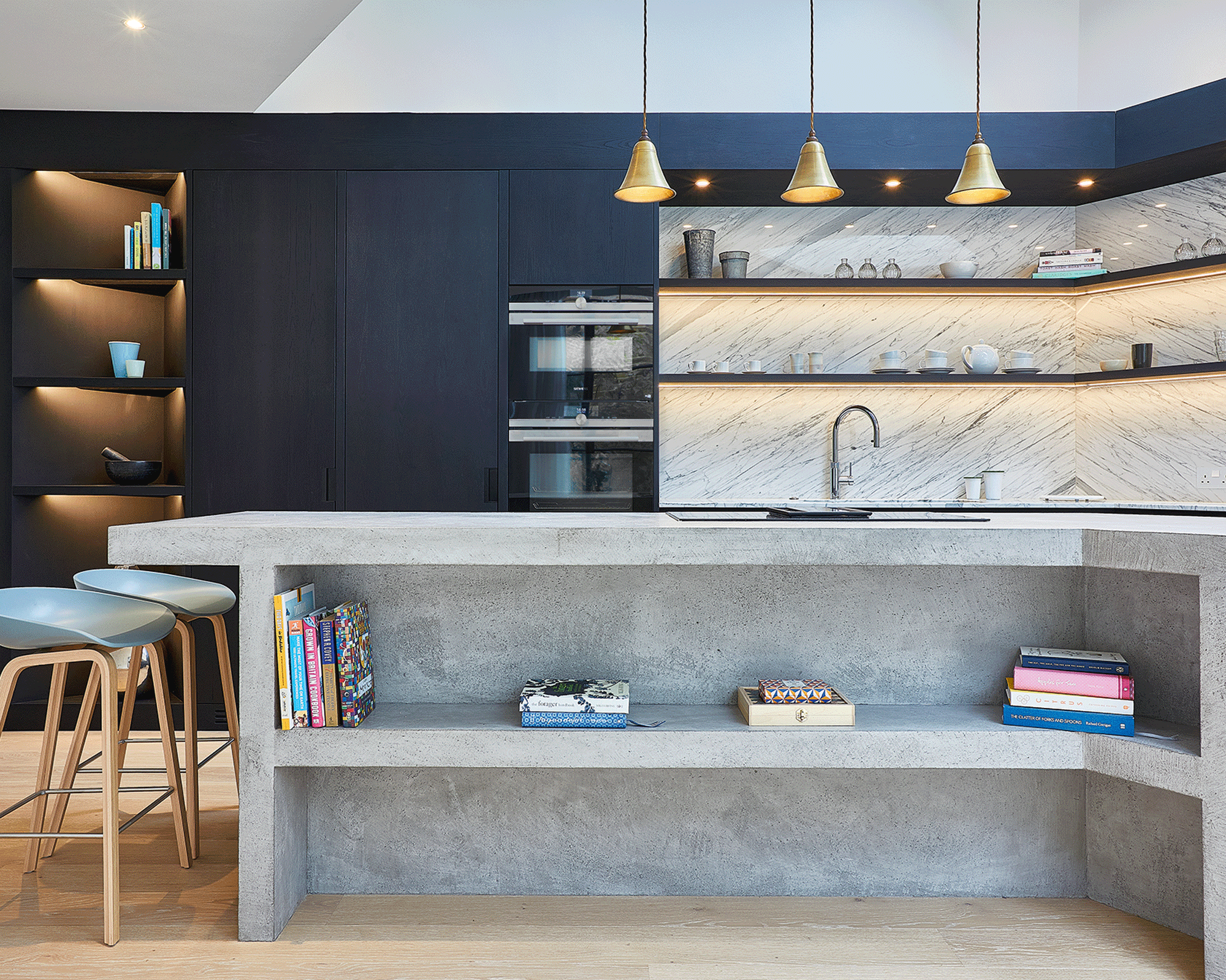
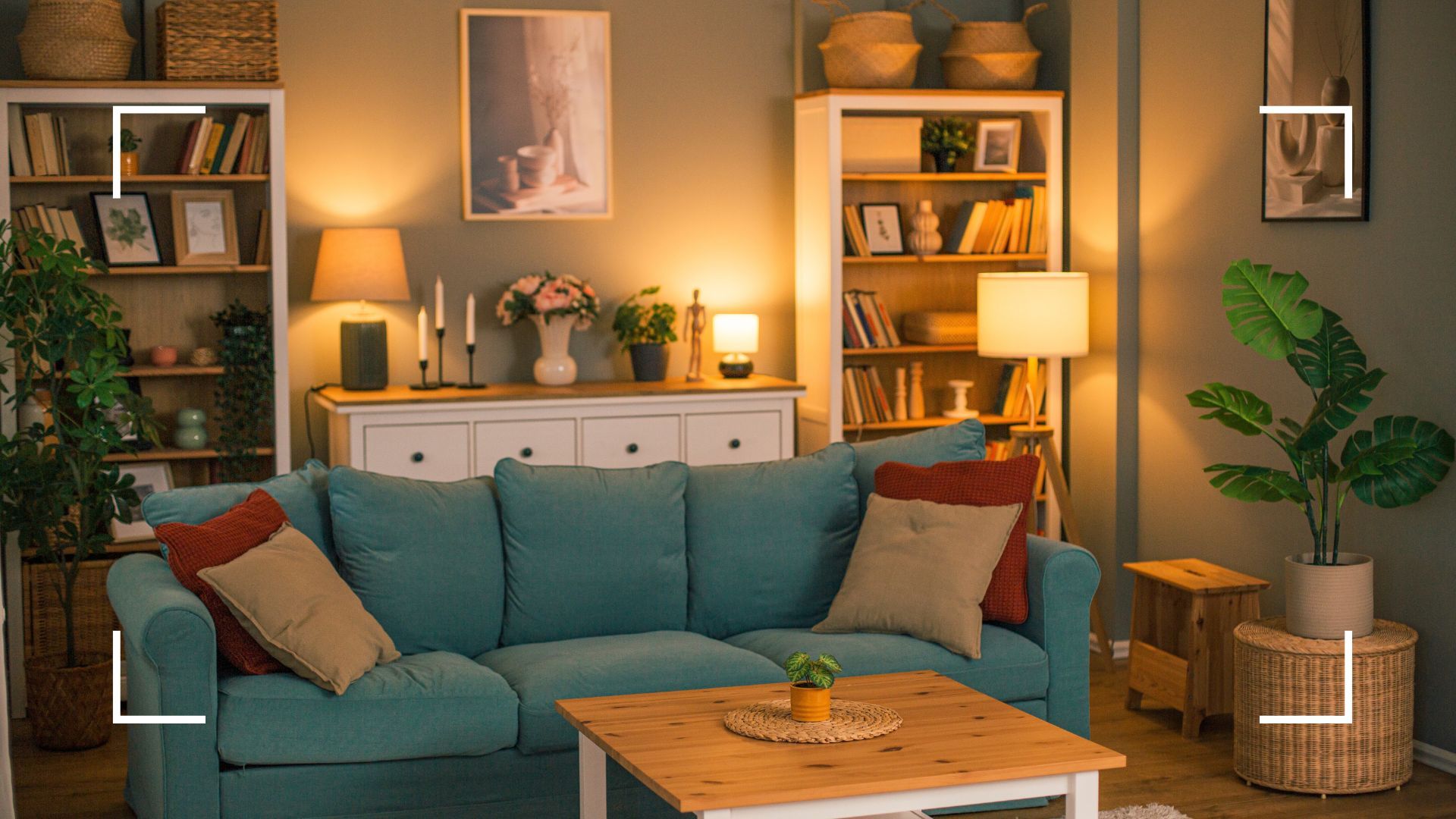
Layering lighting is a key technique that enhances both functionality and atmosphere in a space. Allison Lind, Design Director of Allisson Lind Interiors, emphasizes the importance of integrating three layers of lighting: ambient, task, and accent. Ambient lighting provides general illumination, task lighting focuses on specific activities, and accent lighting adds mood by highlighting features like artwork.
Charlie Bowles, Director at Original BTC, advises combining these layers to achieve a balanced effect. This foundational approach allows for practicality and aesthetic appeal, making every room feel complete through careful layering.
Placement and Spacing
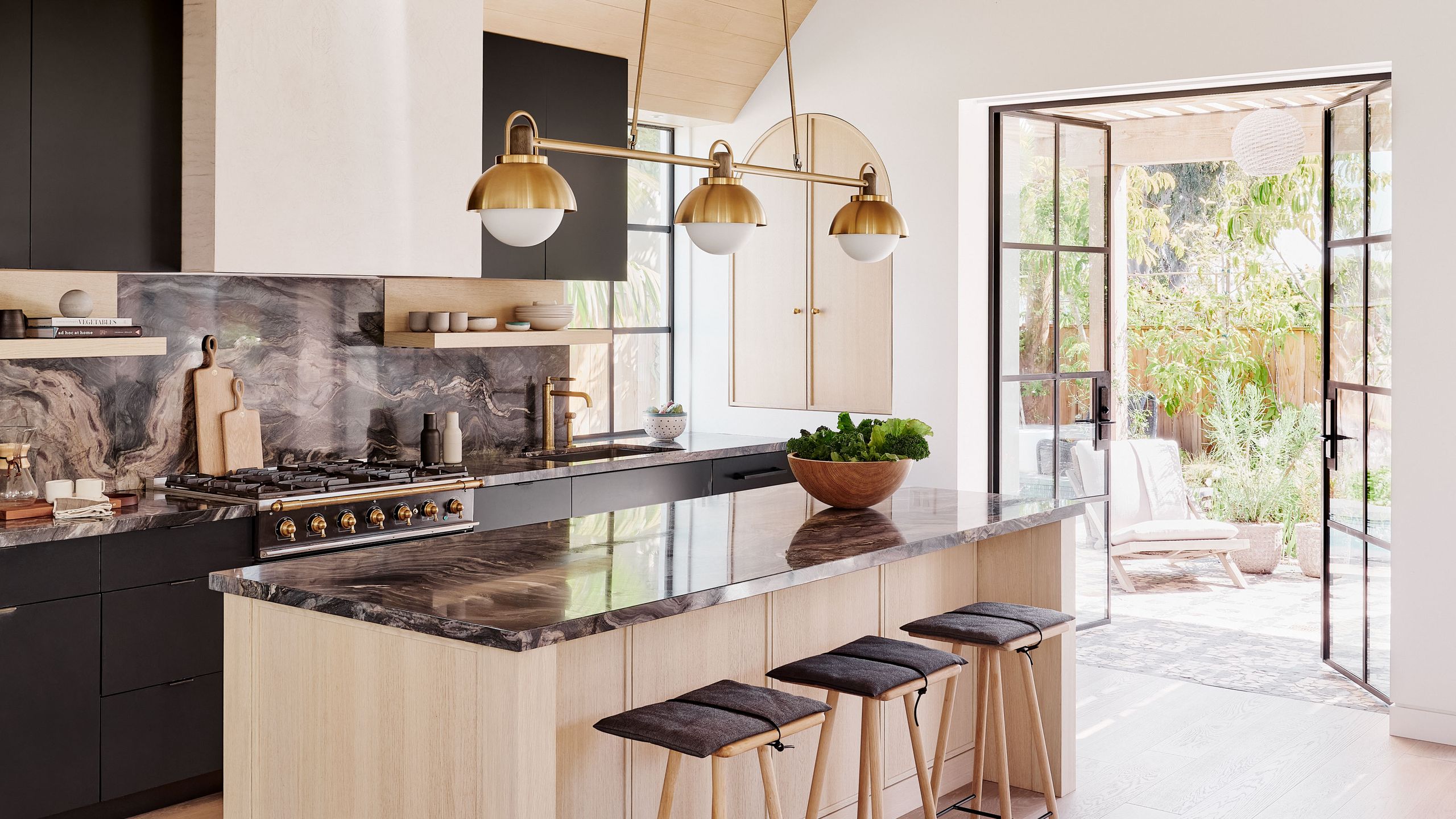
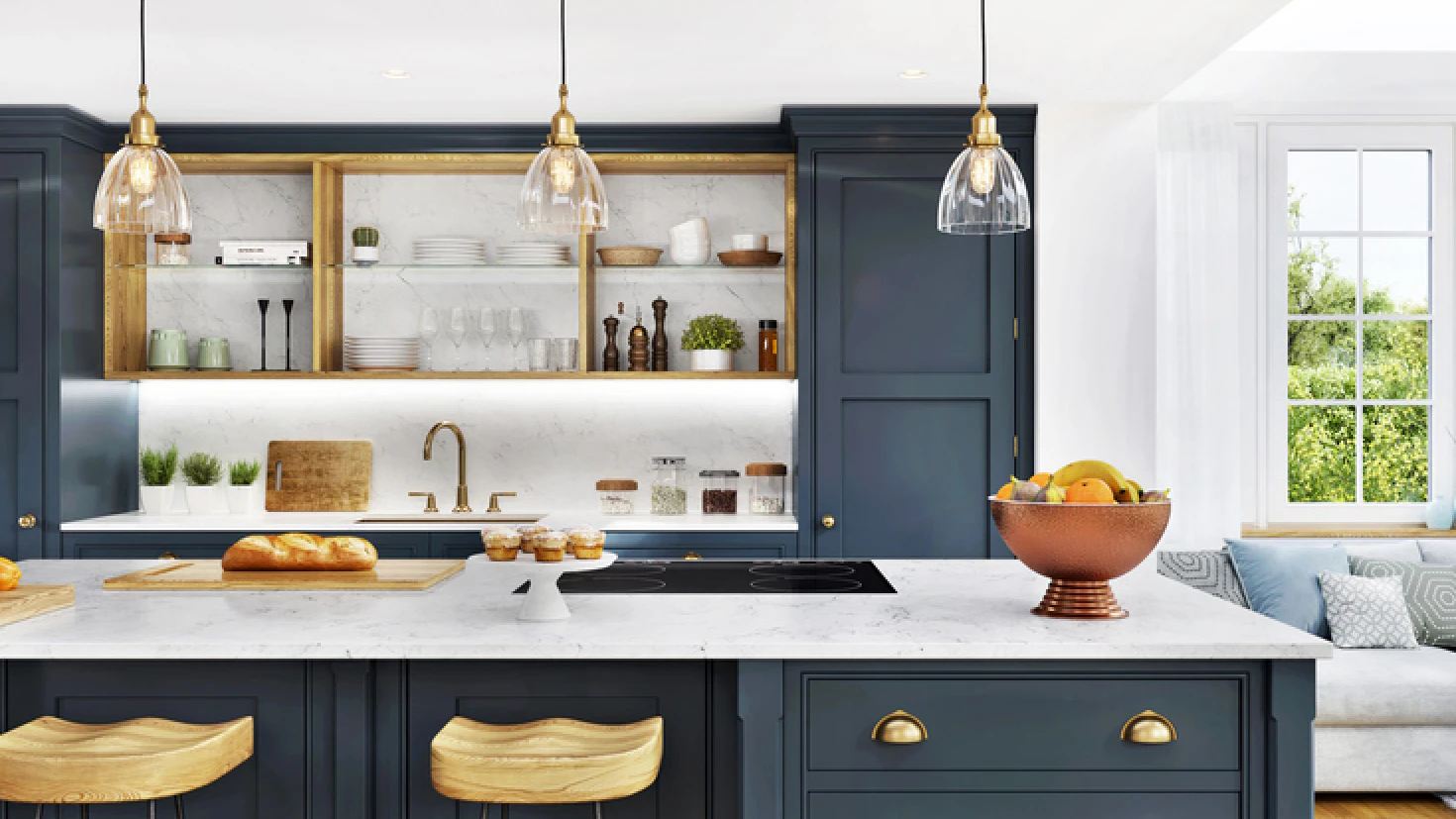
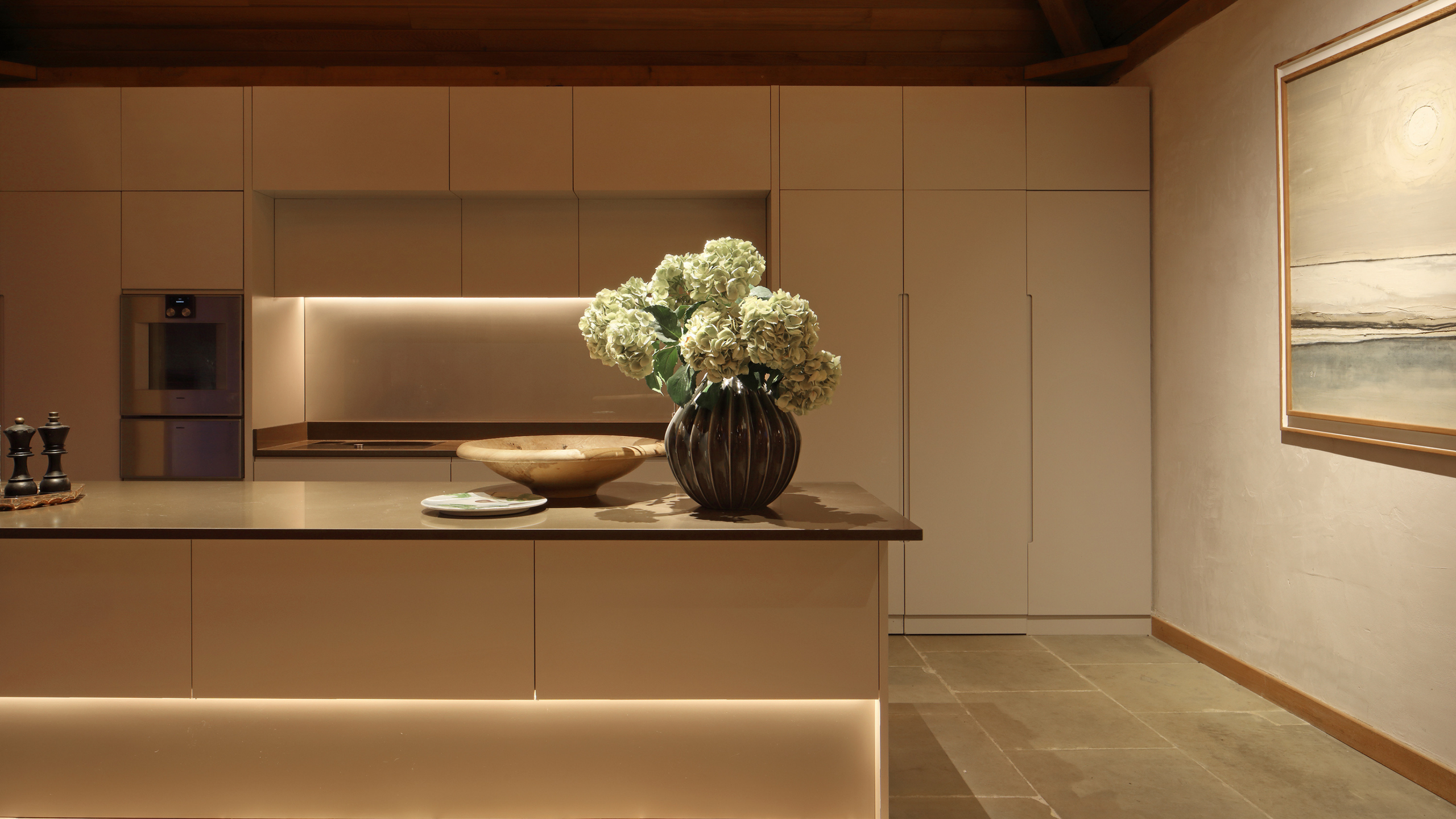
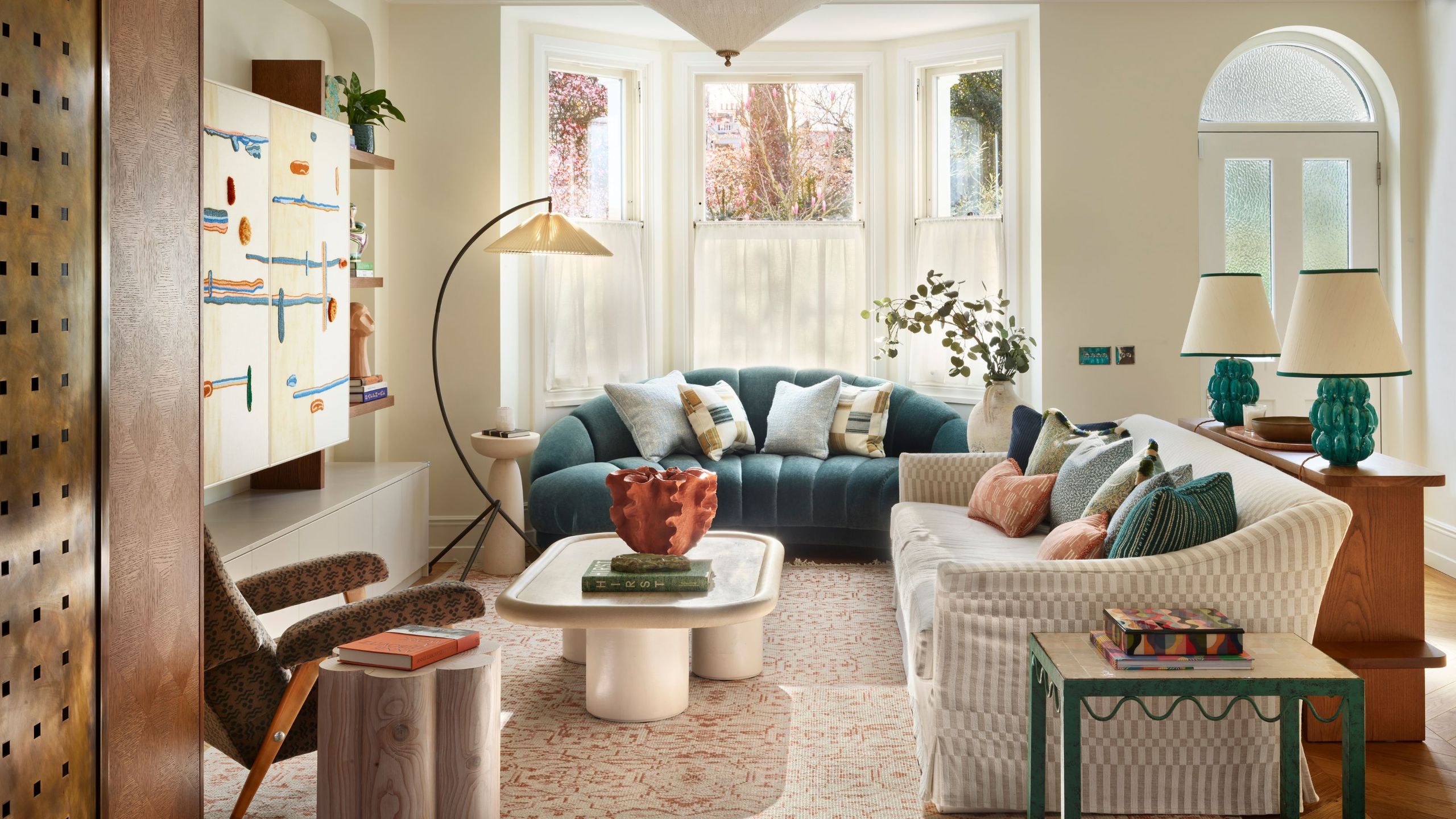
Proper placement and spacing of lighting fixtures significantly impact how a room feels. For kitchens, following the 'three kitchen lighting rule' is recommended: use ambient lighting like overhead fixtures, task lighting over work areas, and accent lighting for visual interest. In living rooms, a combination of different lighting types ensures that the space can adapt to various activities.
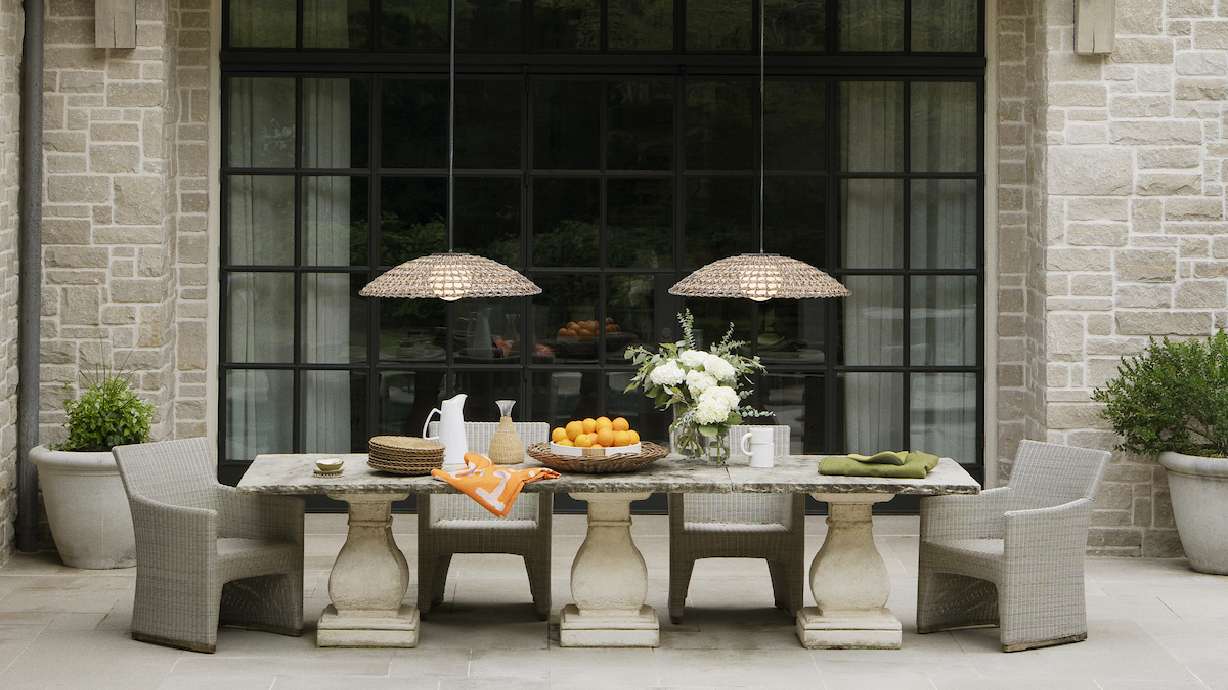
Designers recommend keeping recessed fixtures spaced 4–6 feet apart to avoid harsh lighting hot spots while ensuring that lights are aligned with furniture for a cohesive look. For pendants, a height of 30–35 inches above tables or islands is ideal.
Color Temperature
Understanding color temperature helps determine how spaces feel. Warmer light (~2700K) is typically favored for living areas, while cooler light (~3000K) suits kitchens and bathrooms. Mixing different temperatures can create an unsettling atmosphere, so consistency is said to be crucial.
Additionally, aiming for a high Color Rendering Index (CRI) of 90 or above ensures that colors appear vibrant and true under artificial lighting.
Output and Dimming
Brightness levels in lighting can be misleading; too much can lead to harshness, while too little can feel flat. The output should be balanced and adaptable according to use. Designers suggest achieving 20 lumens per square foot for ambient lighting, 50 for task lighting, and lower levels for accent lights. Dimming capability adds versatility, allowing for transitions from bright to intimate lighting.
Bathrooms and Safety Ratings
In bathrooms, where aesthetics meet strict safety guidelines, it's vital to use fixtures that comply with moisture ratings. Proper planning ensures that safe fixtures are used in wet areas, and designers commonly recommend wall sconces at eye level for flattering illumination. Incorporating a mix of practical and ambient lighting while ensuring compliance with safety standards is essential.
Rules to Remember
For effective lighting, focus on illuminating surfaces and focal points rather than flooring. Designers recommend having at least three light sources in each room to achieve a cozy atmosphere. Dimmers should be installed on all circuits, and maintaining a single color temperature per room is advised. Mixing different fixture styles while ensuring lighting stays harmonious enhances the design without overwhelming the space.
Planning Your Lighting
It is best to plan your lighting during the initial design stages of a remodel. Including a professional lighting designer can help prevent costly mistakes and enhance the effectiveness of the design. This consideration ensures that lighting works seamlessly with overall decor and purpose. Effective lighting should enhance the ambiance while remaining nearly invisible, contributing to the room's overall warmth and functionality.