by NORA BURBA TRULSSON
September 25, 2024
Three prominent lighting designers share insights on current trends and the importance of professional lighting design in residential projects.
Even with stunning architecture, impeccable furnishings, and captivating art, inadequate lighting can undermine the beauty of a home. To explore this essential aspect of design, we spoke with Robert Singer, Justin Worley, and Kevin Flower about their experiences and the trends shaping the industry.
Robert Singer, a veteran of the lighting design field since 1981, has made his mark with projects in iconic venues, including Studio 54. Studying theatrical lighting, he transitioned to residential projects in the early 1990s after relocating to Aspen, Colorado. Singer now manages about 75 projects across the U.S. with a team of seven, emphasizing the educational role of lighting designers in collaboration with architects, builders, and homeowners. "We are still sculpting a space with light," he states.
Justin Worley, founder of Oasis Luxury Smart Homes in Scottsdale, Arizona, has expanded his company since its launch in 2011. Employing 42 staff members, his firm specializes in high-end residential lighting and smart home technologies. Worley believes in the importance of educating clients on lighting options before construction, recognizing the evolution of lighting design from simple can lights to sophisticated control systems. "You need a detailed plan—you can’t just figure it out as you go along," he advises.
Kevin Flower, who transitioned from engineering to lighting design after learning from Walter Spitz, runs his own firm in Phoenix. Collaborating with esteemed architects and builders, he manages several high-end projects annually, specializing in both residential and commercial spaces. Flower highlights the mood-setting power of lighting, stating, "We make everyone and everything look good."
Trends in Lighting Design
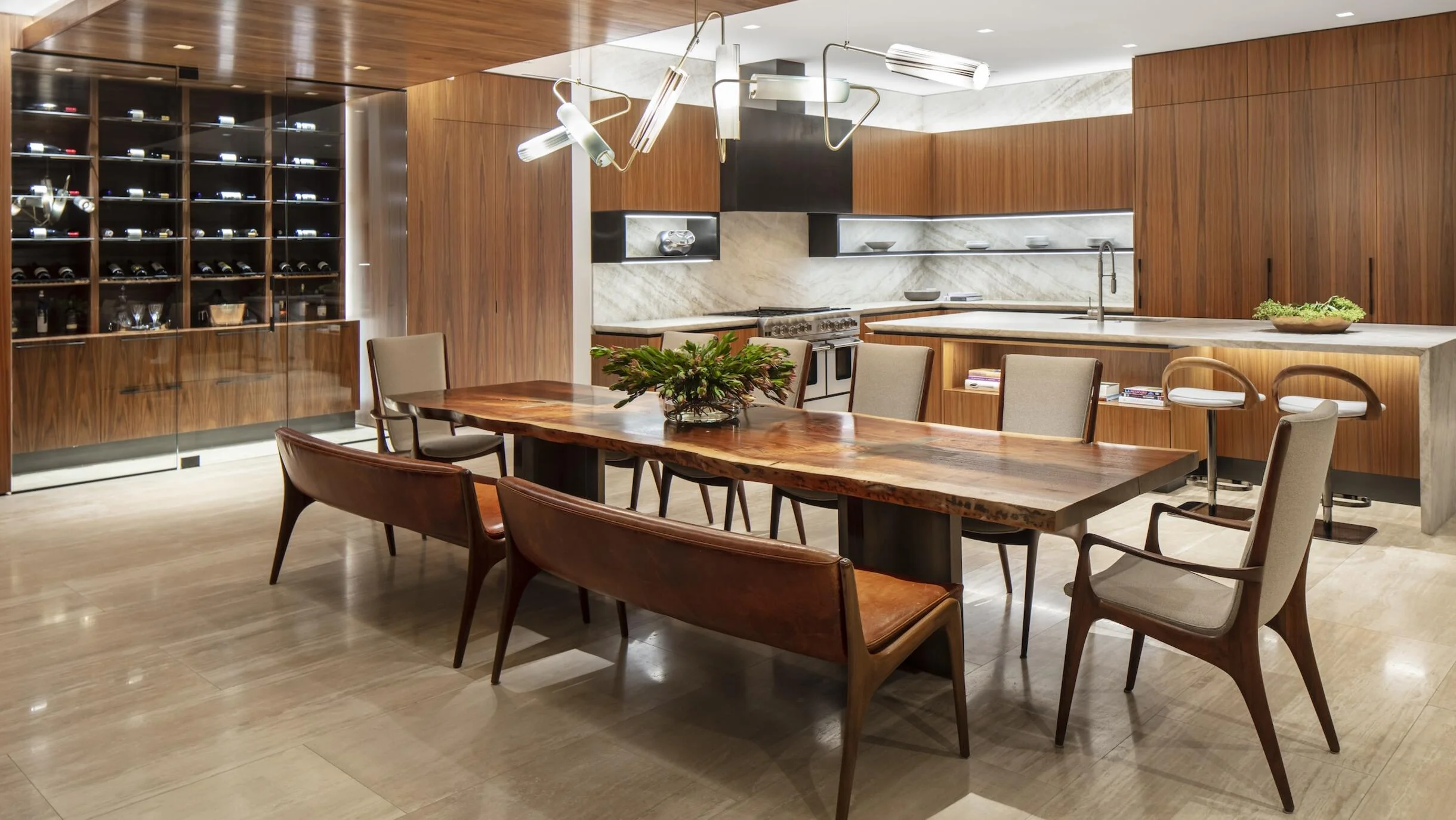
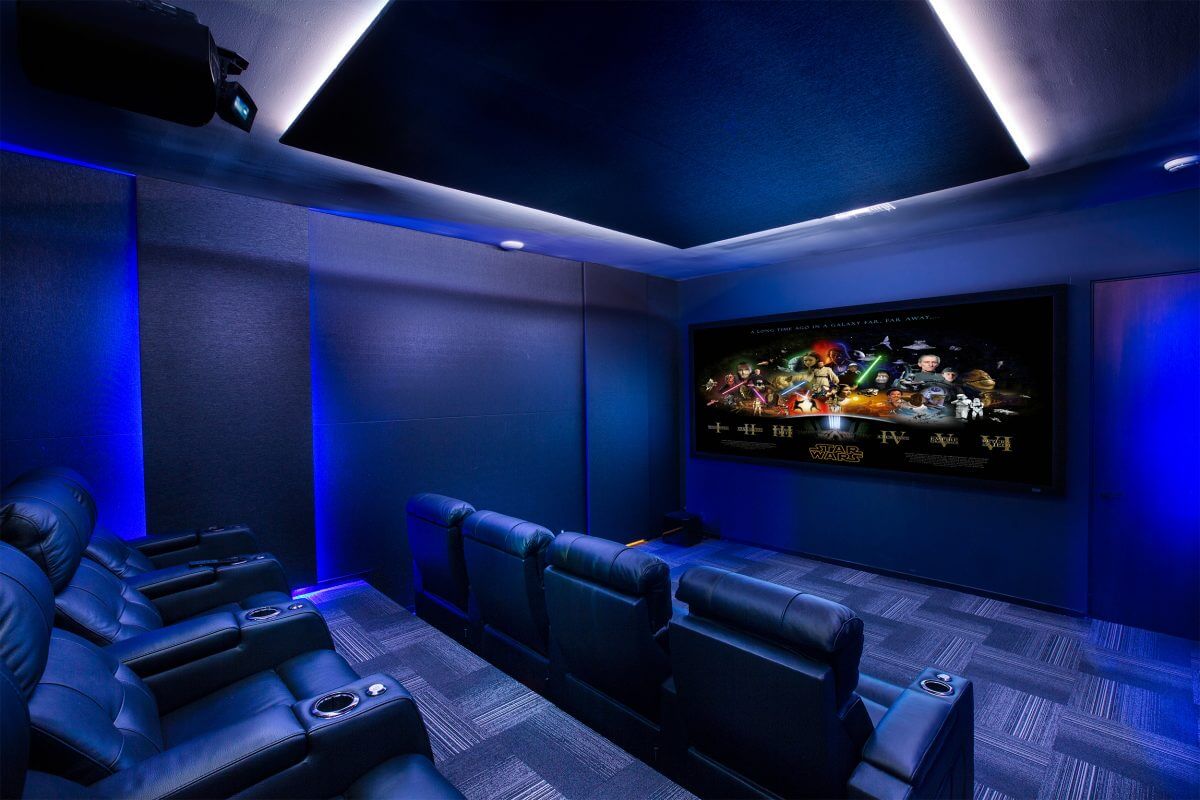
According to Singer, linear lighting is currently in vogue, as it provides clean, even illumination when integrated into architecture. He notes the importance of subtlety in lighting, emphasizing it should enhance a space without drawing attention to itself. Both Worley and Flower similarly incorporate linear lighting into their designs, aiming for a modern aesthetic that keeps fixtures hidden from view.
While decorative fixtures, such as chandeliers and sconces, can add artistic flair, Flower points out their limitations in providing adequate light. He suggests that homeowners often need additional sources to ensure functionality. Singer views decorative fixtures as integral to a designer's signature style, explaining that they aim to create the illusion of light emanating from these fixtures.
Innovative Technologies and Controls
Another rising trend is the implementation of lighting systems that mimic circadian rhythms, which adjust the color temperature throughout the day. Flower acknowledges its popularity but advises that it is most beneficial in darker homes. He believes if homeowners want to pursue this option, it should apply throughout the entire house.
The designers emphasize the importance of user-friendly lighting controls. Singer has custom-designed keypads to match home aesthetics, whereas Worley focuses on creating reliable systems that function without internet dependence. Flower mentions that most clients prefer to maintain predefined lighting settings without frequent adjustments.
In summary, all three designers advocate for the inclusion of lighting design in any new construction or renovation project. Flower encapsulates their consensus: "If you want your home to look like it’s supposed to look, hire a lighting designer."
Join us on October 10th for the Fourth Annual ICONIC Design Awards at the Phoenix Art Museum.