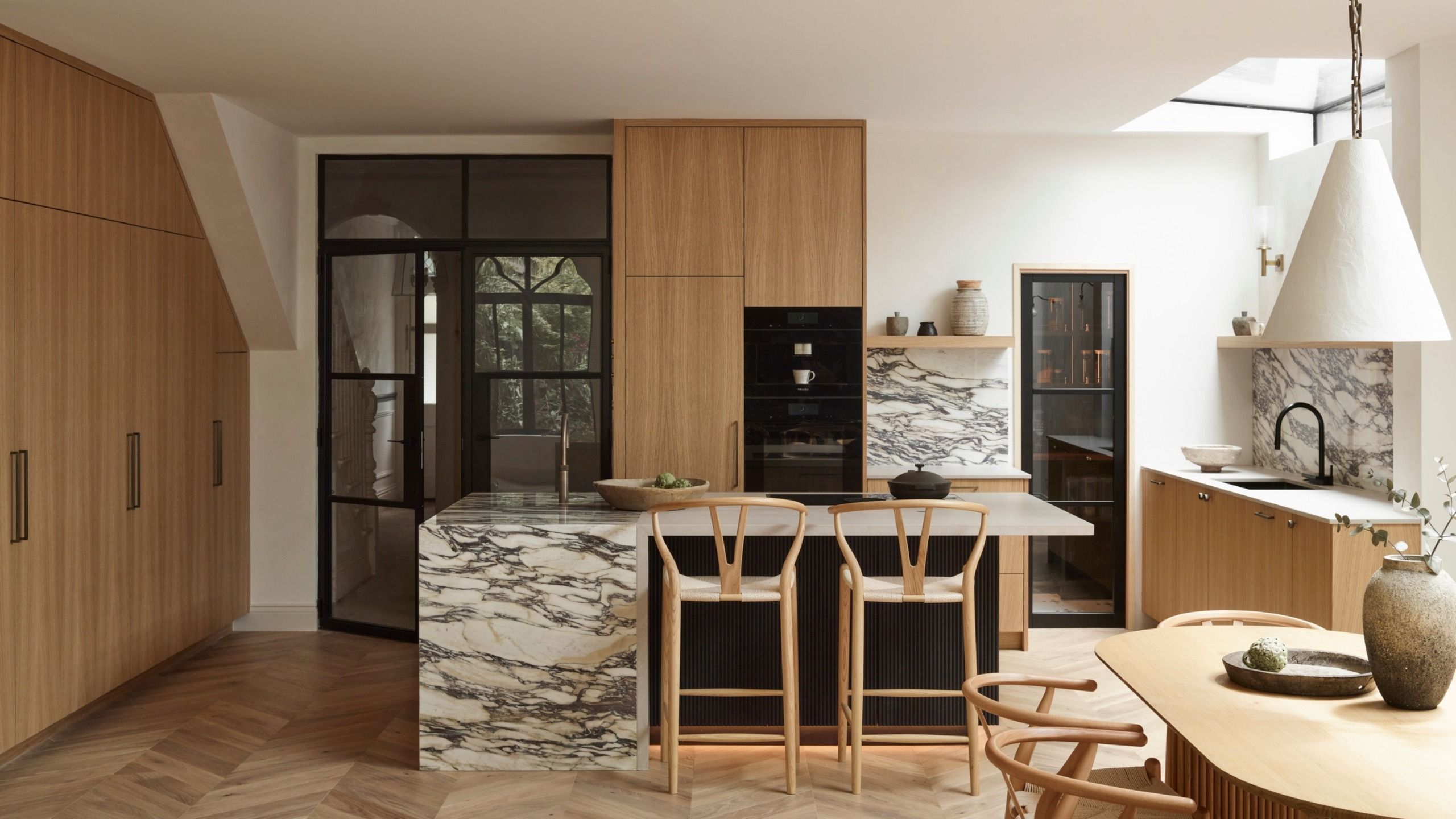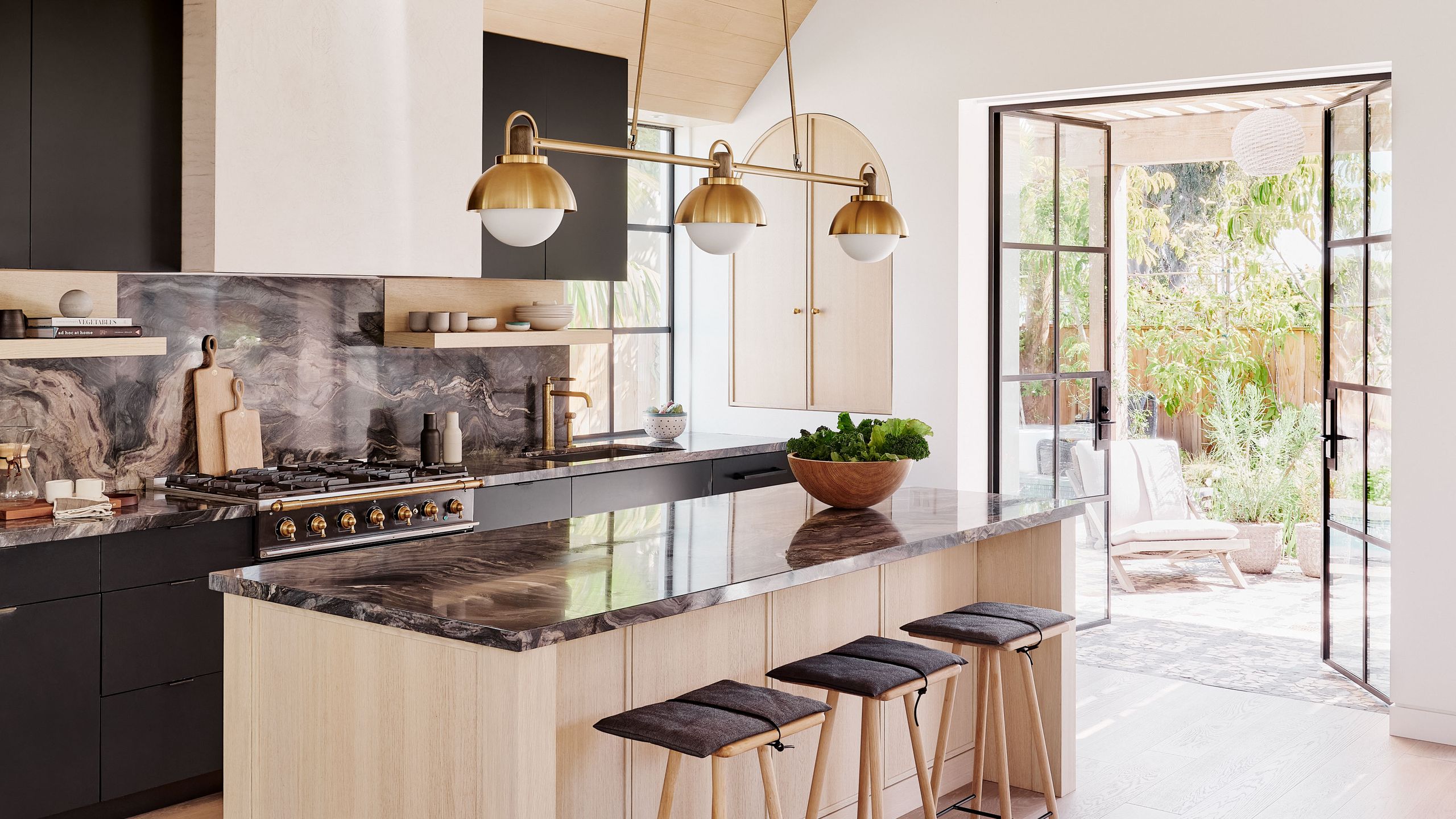
Considering kitchen lighting design early in your renovation project is essential. It involves more than just choosing stylish fixtures, as practical lighting is crucial for a space that serves multiple functions in modern homes. Sanjit Bahra, a lighting designer and principal at Design Plus Light, emphasizes that kitchens now often double as workspaces, homework areas, and dining settings. Lighting plays a significant role in transforming the mood and functionality of this vital space.
Allison Lynch, a kitchen designer at Roundhouse, highlights the expertise of lighting designers who understand how to select appropriate styles, warmth, and placements for lighting to maximize both aesthetics and function. If you're tackling your design alone, there are several expert tips to consider.
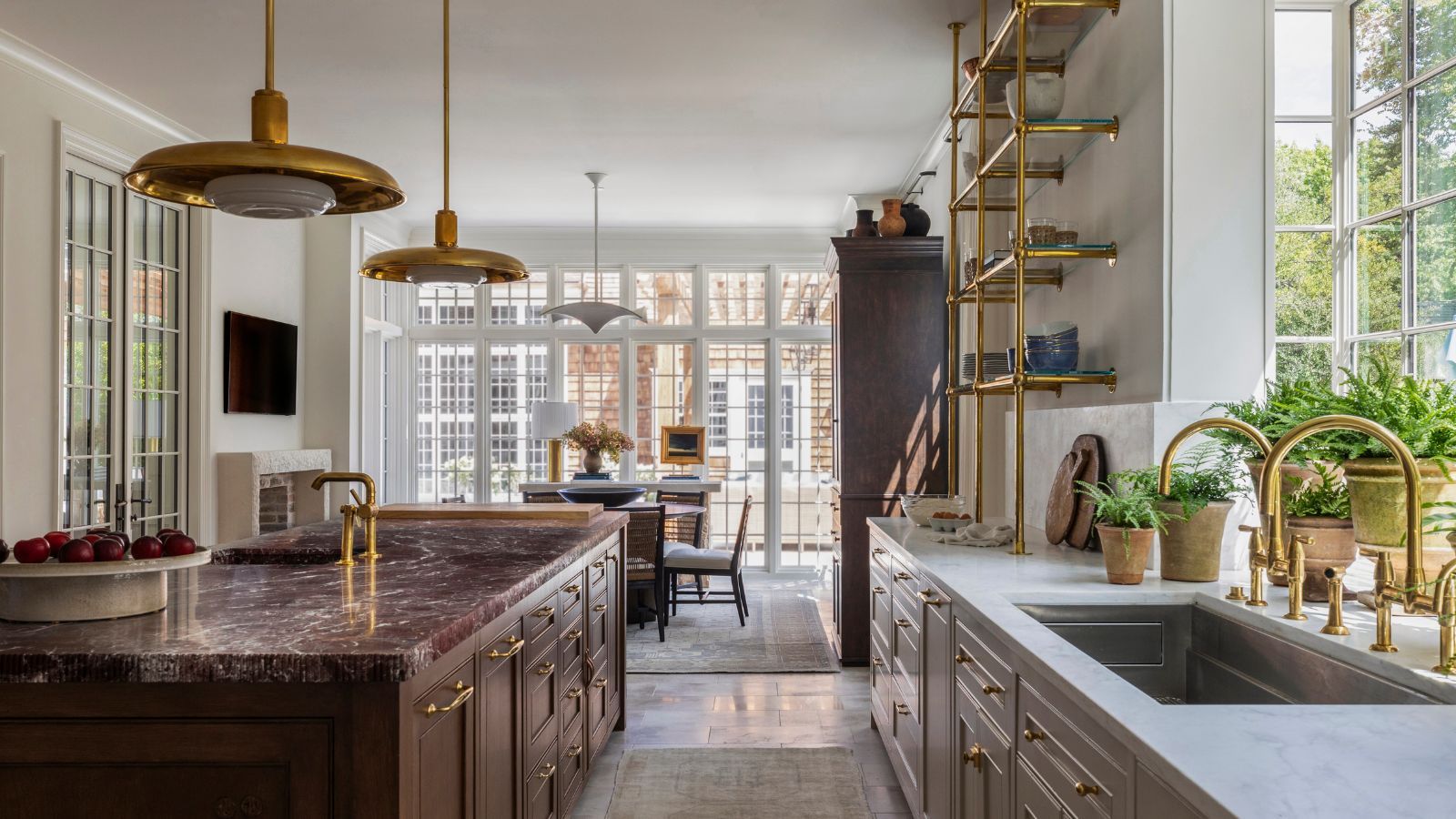
Effective kitchen lighting requires layering different types of fixtures. Interior designer Katie McCrum from McCrum Studio recommends using various forms of lighting to shift the kitchen's atmosphere from a bustling workspace to a cozy dining area. The amount of lighting you need depends on the size of your kitchen and its intended functions, as noted by Bahra. A new kitchen design can afford more flexibility than a simple renovation.
### Types of Kitchen Lighting
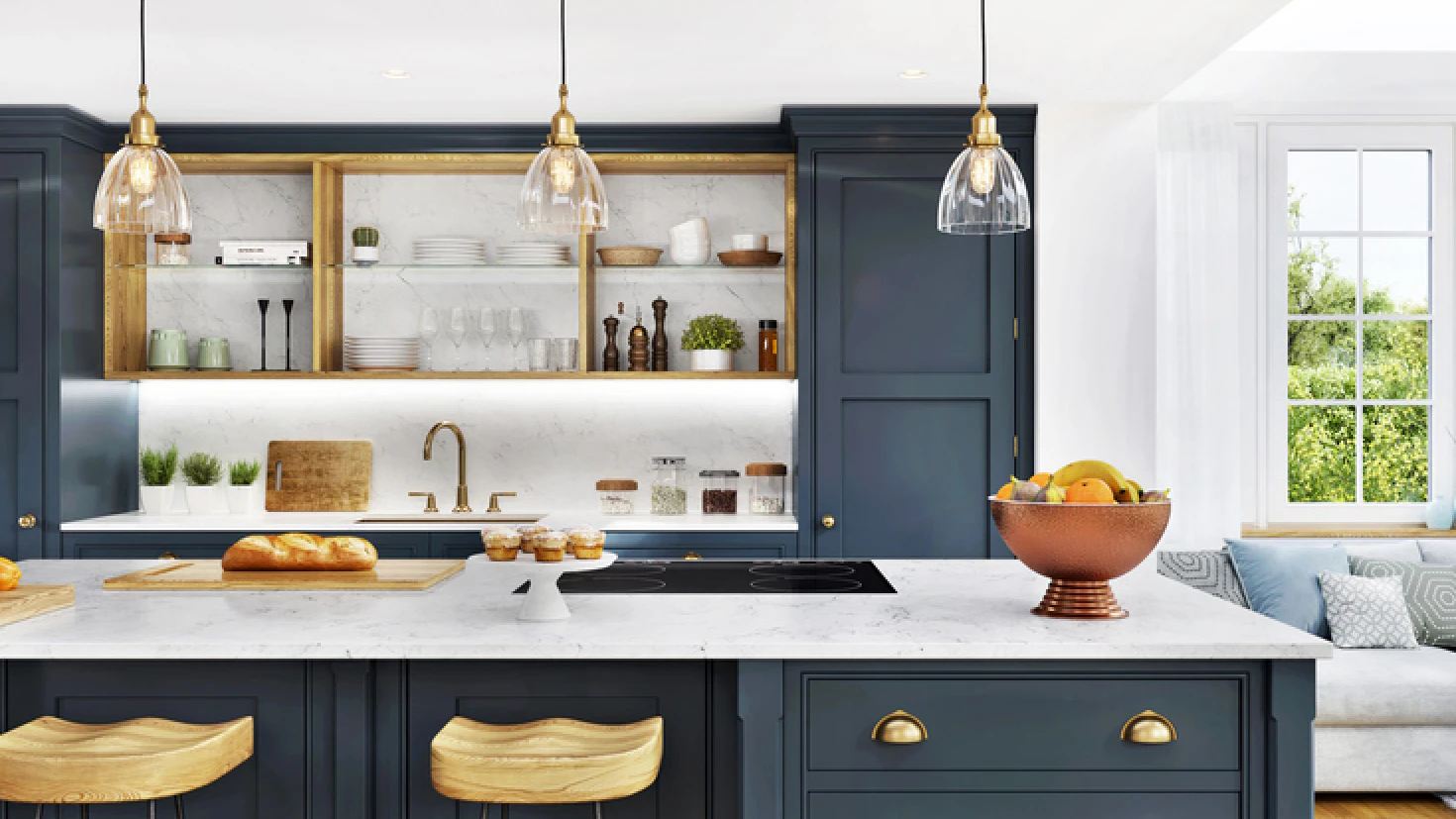
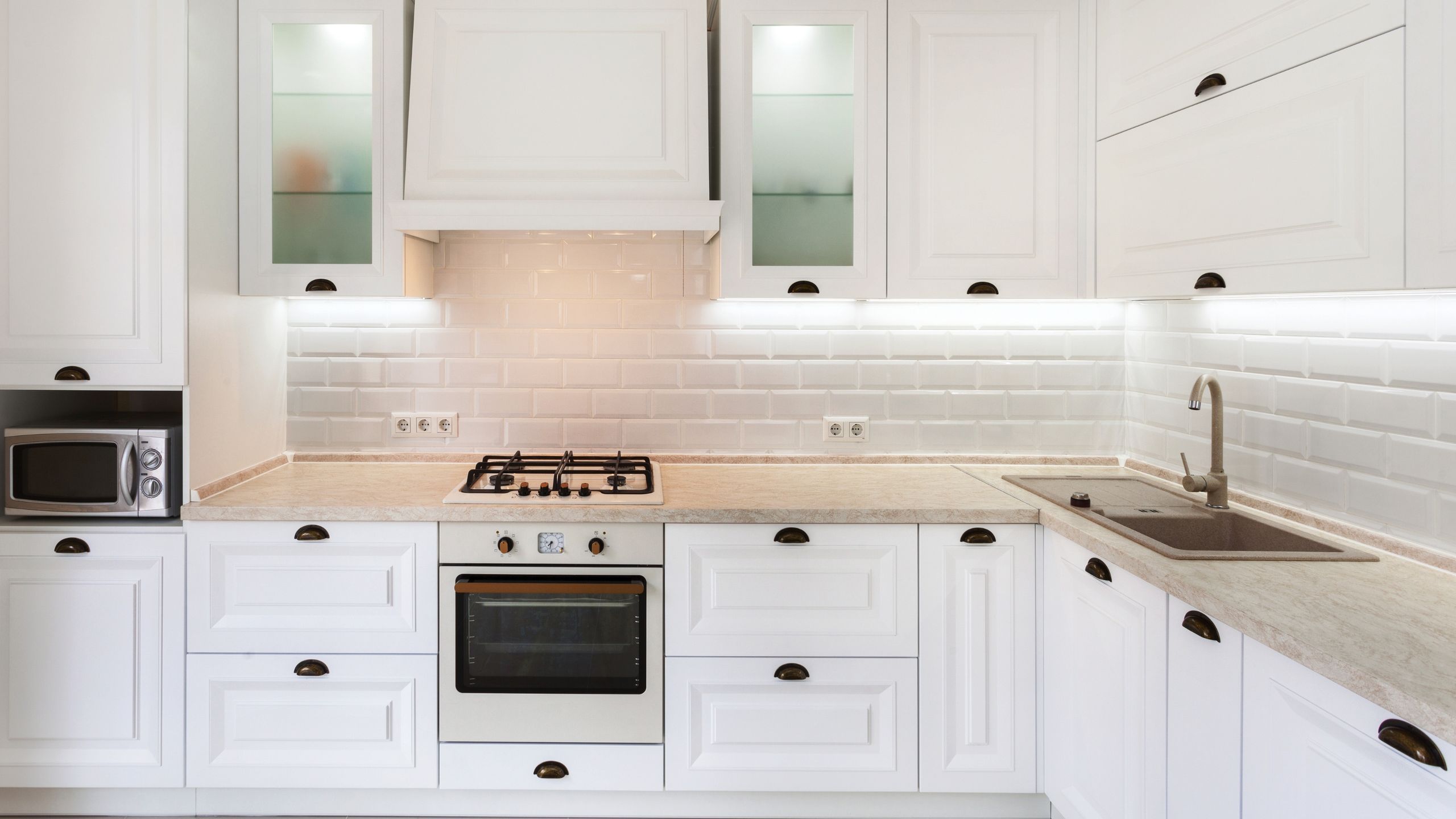
The best kitchen lighting varies based on usage. James Veal, co-founder of Stewart-Schafer, breaks it down into three categories: ambient lighting for general illumination, task lighting for specific work areas, and accent lighting for decorative purposes. Ambient lighting is often provided through ceiling fixtures, while task lighting, usually brighter and more focused, is essential over work surfaces.
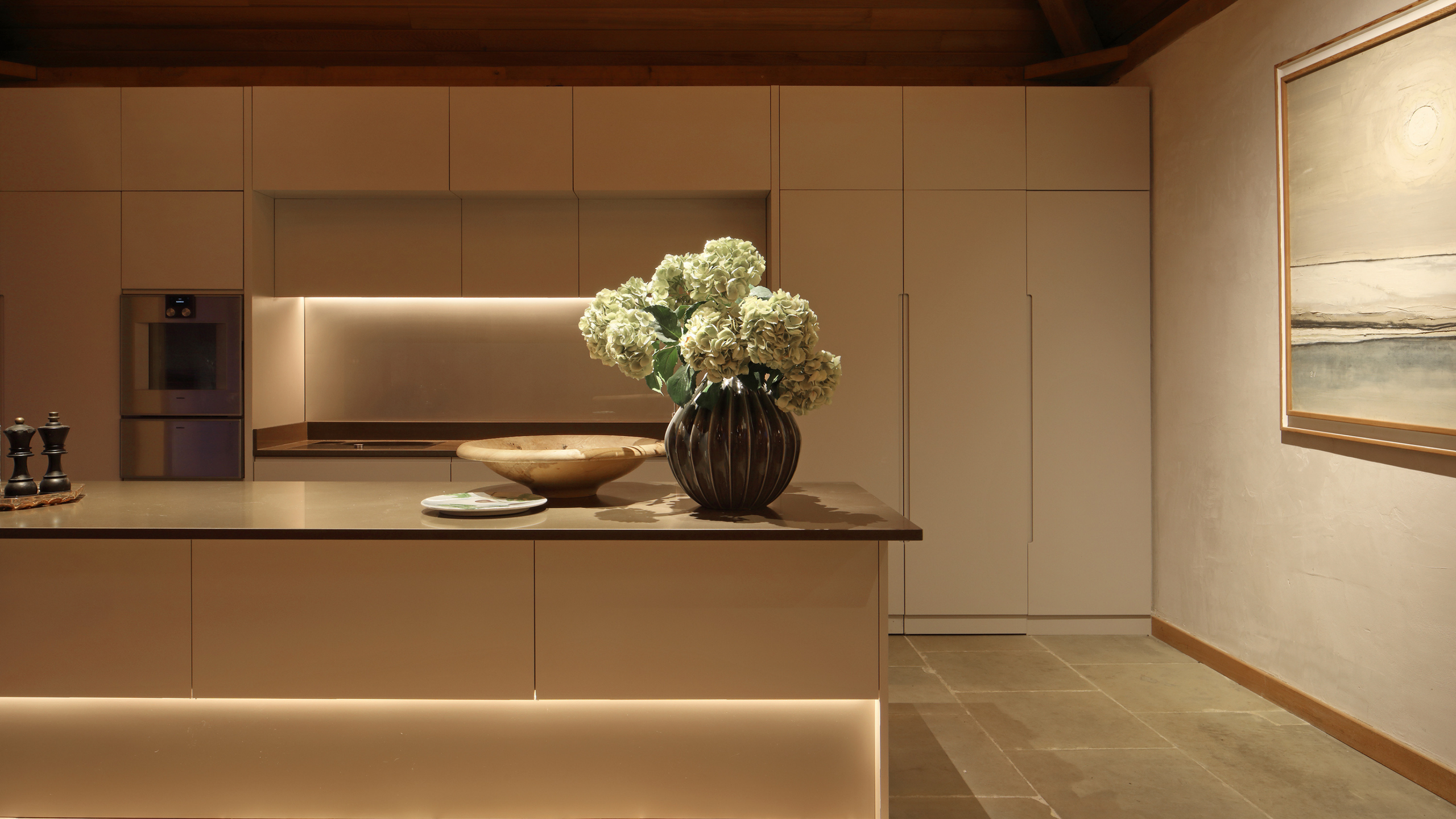
Accent lighting is typically softer and complements ambient lighting. It can be utilized to highlight features like cabinet interiors or create a warm glow above work areas. However, relying solely on decorative lighting for practical tasks can lead to frustration; task lighting should remain a priority, as during prep work, effective illumination is crucial.
### Tips for Layout and Control
When laying out kitchen lights, consider the placement of downlights and the effect of ceiling joists on installation. Designers often recommend downlights be situated about 2-3 feet from the room's edges, with spacing depending on the ceiling height. Striking a balance is essential; while sufficient lighting is required, too many fixtures can clutter the ceiling.
Katie McCrum suggests using multiple circuits for better control over different lighting zones, especially in larger kitchens. This allows for tailored lighting tailored to various activities, enhancing the kitchen's versatility.
### Color Temperature Considerations
Determining the right color temperature in a kitchen can be challenging. Task lighting typically requires a cooler, brighter illumination, whereas ambient lighting should be softer. A common choice for ambient lighting is around 2700K, while task lighting may lean closer to 3000K. Mixing color temperatures requires careful consideration to avoid clashes that can detract from the kitchen's overall design.
### Advantages of LED Lighting
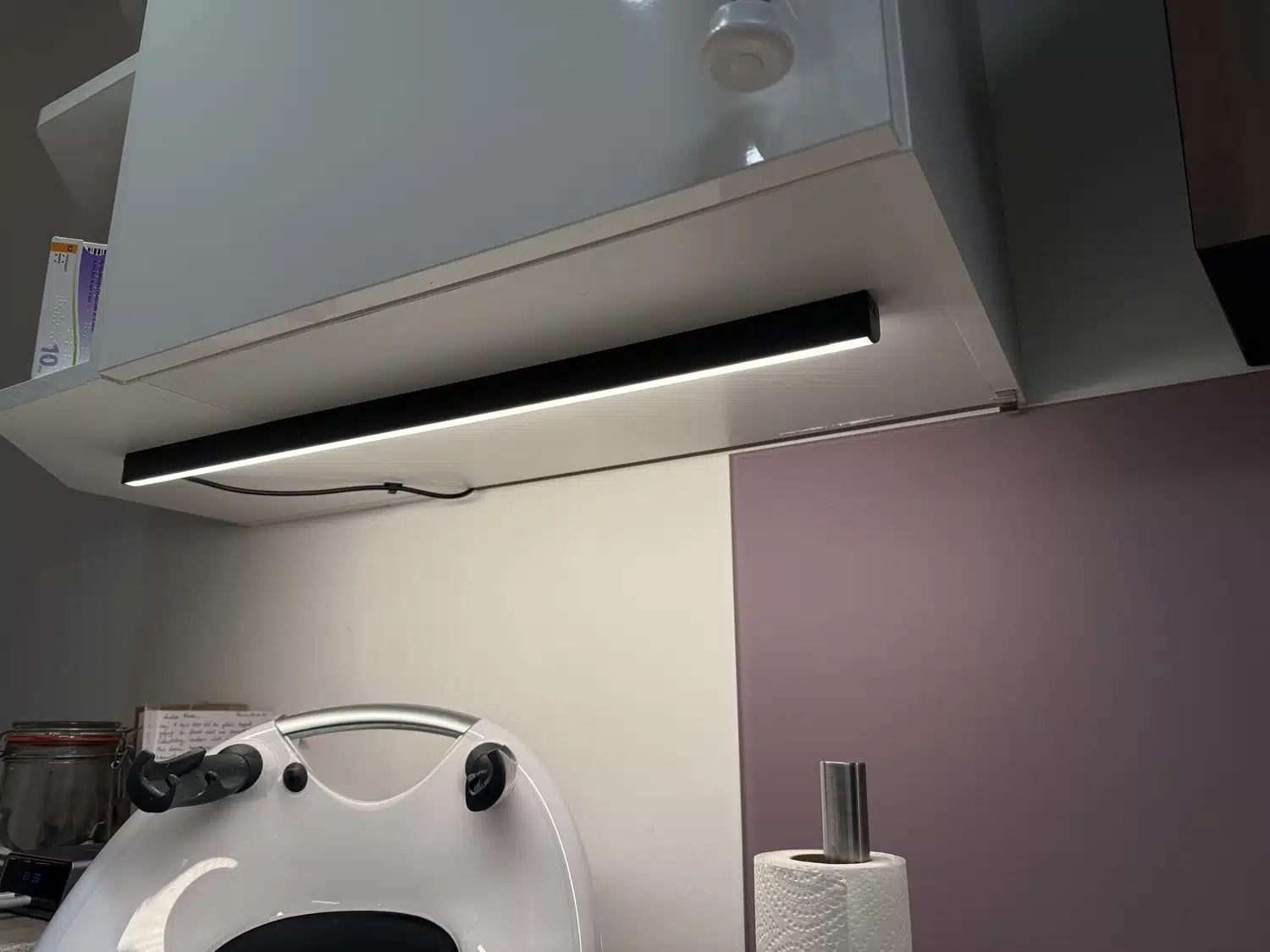
James Veal advocates for using LED bulbs due to their evolving technology, reduced costs, and energy efficiency. LEDs are highly adaptable for various design applications, including cabinet lighting. However, when using LED strip lighting, an opal diffuser is recommended to prevent harsh glare. Compatibility with dimmer switches is also vital to ensure optimal performance and prevent flickering.
### Planning Your Kitchen Lighting
Whether undergoing a major remodel or a soft refurb, kitchen lighting should be a fundamental aspect of your overall design strategy. Ahmad AbouZanat, an interior designer in New York, advises planning for light placement and control toggle points from the project's start. This foresight is crucial for creating a functional and welcoming kitchen environment.