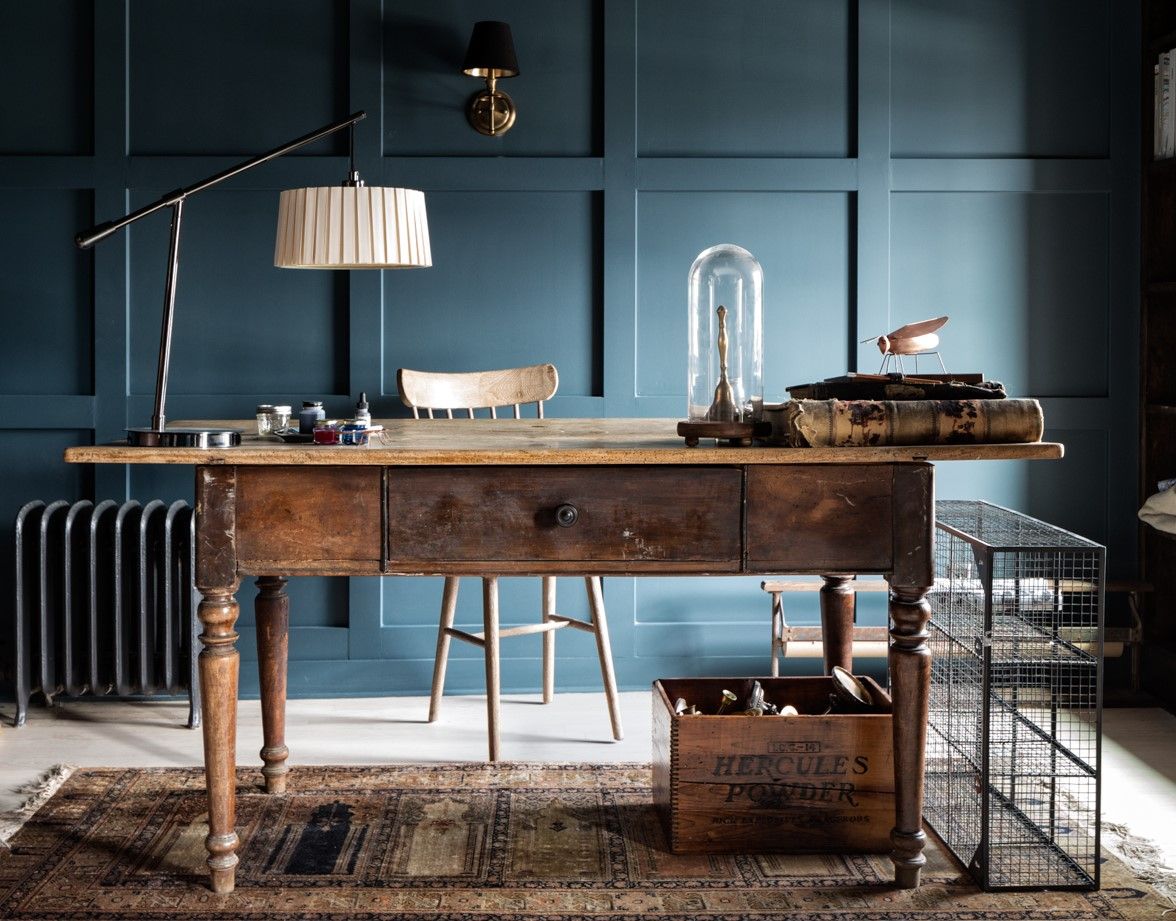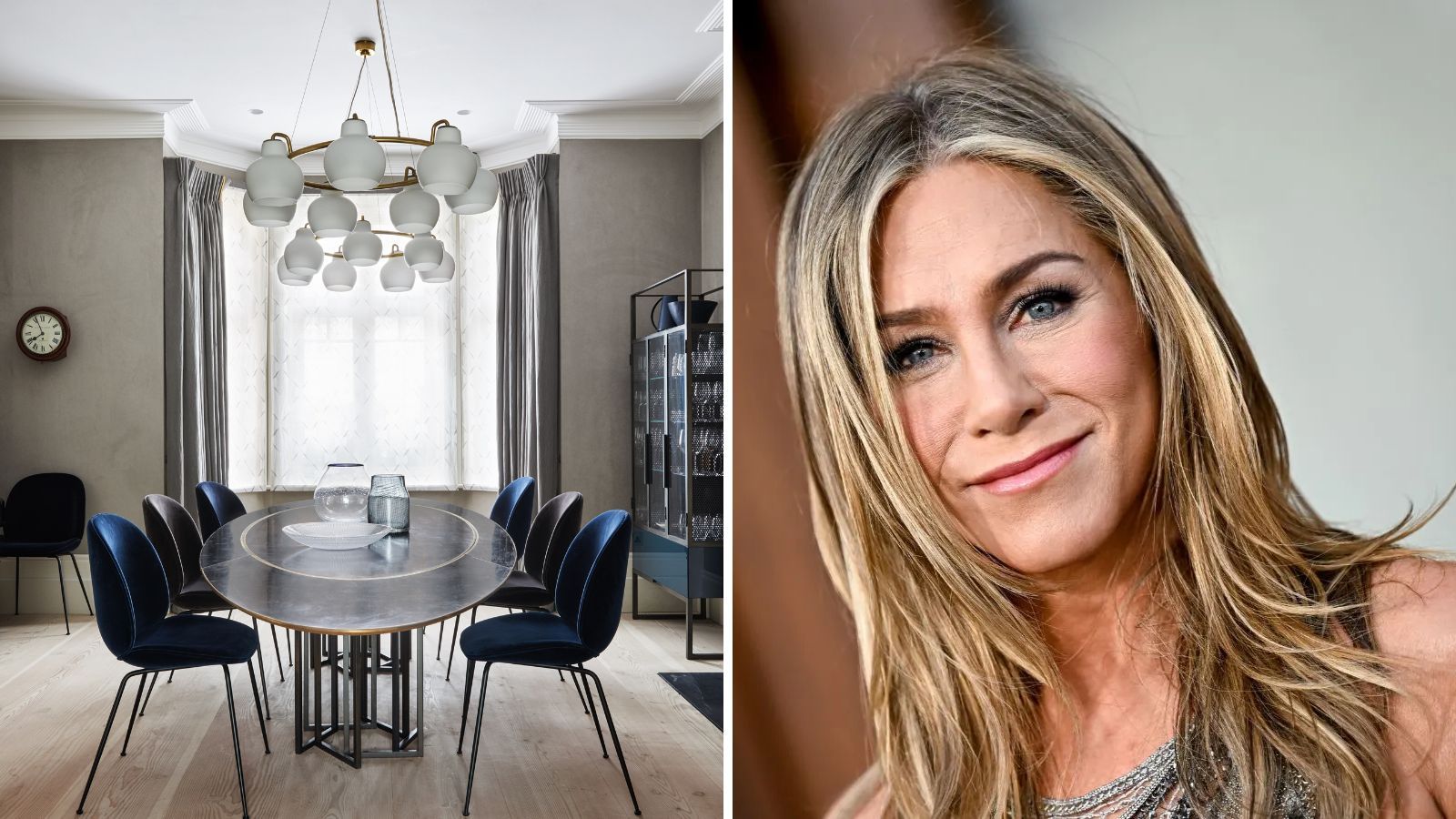
Choosing the right lighting can be challenging, even for design enthusiasts. While using a paint chart may seem straightforward, creating a functional lighting scheme requires more nuance. Effective lighting enhances and transforms spaces, according to Andrew Hills, creative director and co-founder of Porta Romana. He emphasizes that a good scheme blends architectural, functional, and decorative lighting to add character and beauty.
Hallway Lighting
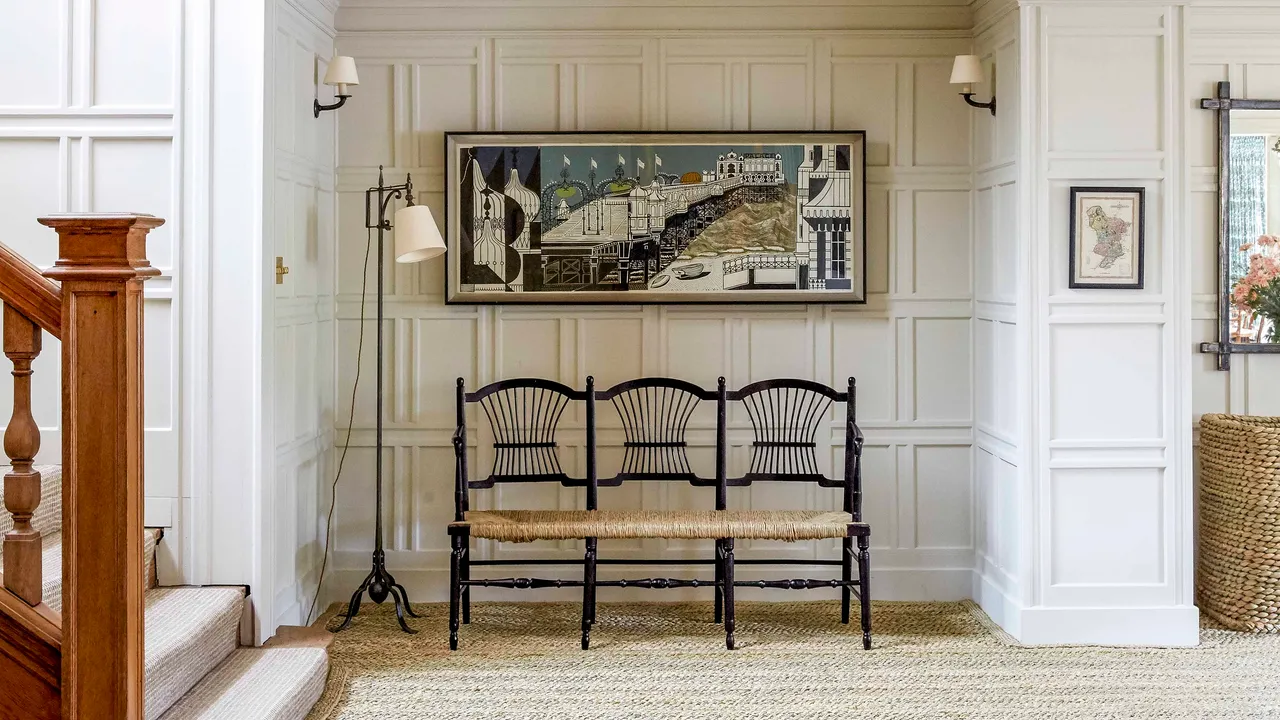
In hallways, lighting should provide warmth without being overly bright. Overscaled decorative pendants can add impact and, when combined with downlights, can spotlight artwork or decorative elements. To create depth in a long, narrow hallway, consider lighting stairs or objects at the opposite end. A combination of wall lights or recessed fixtures with floor washers on the opposing wall can offer an interesting visual contrast.
Living Room Illumination
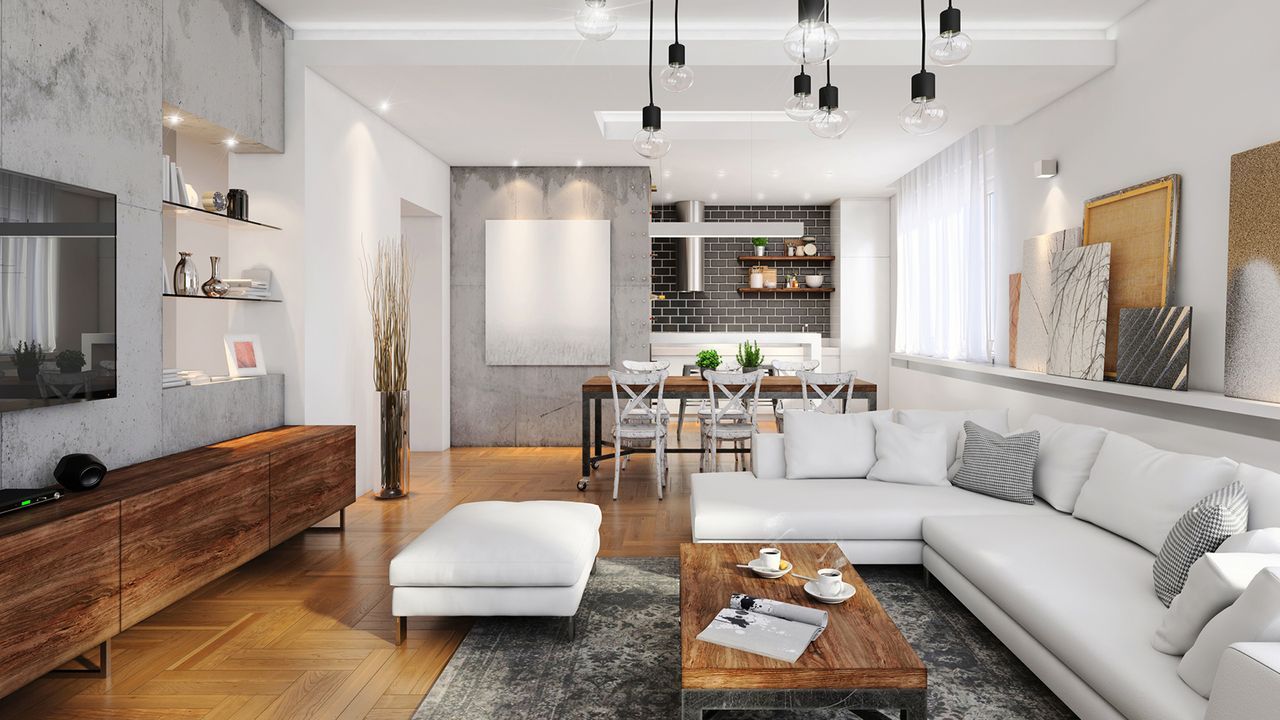
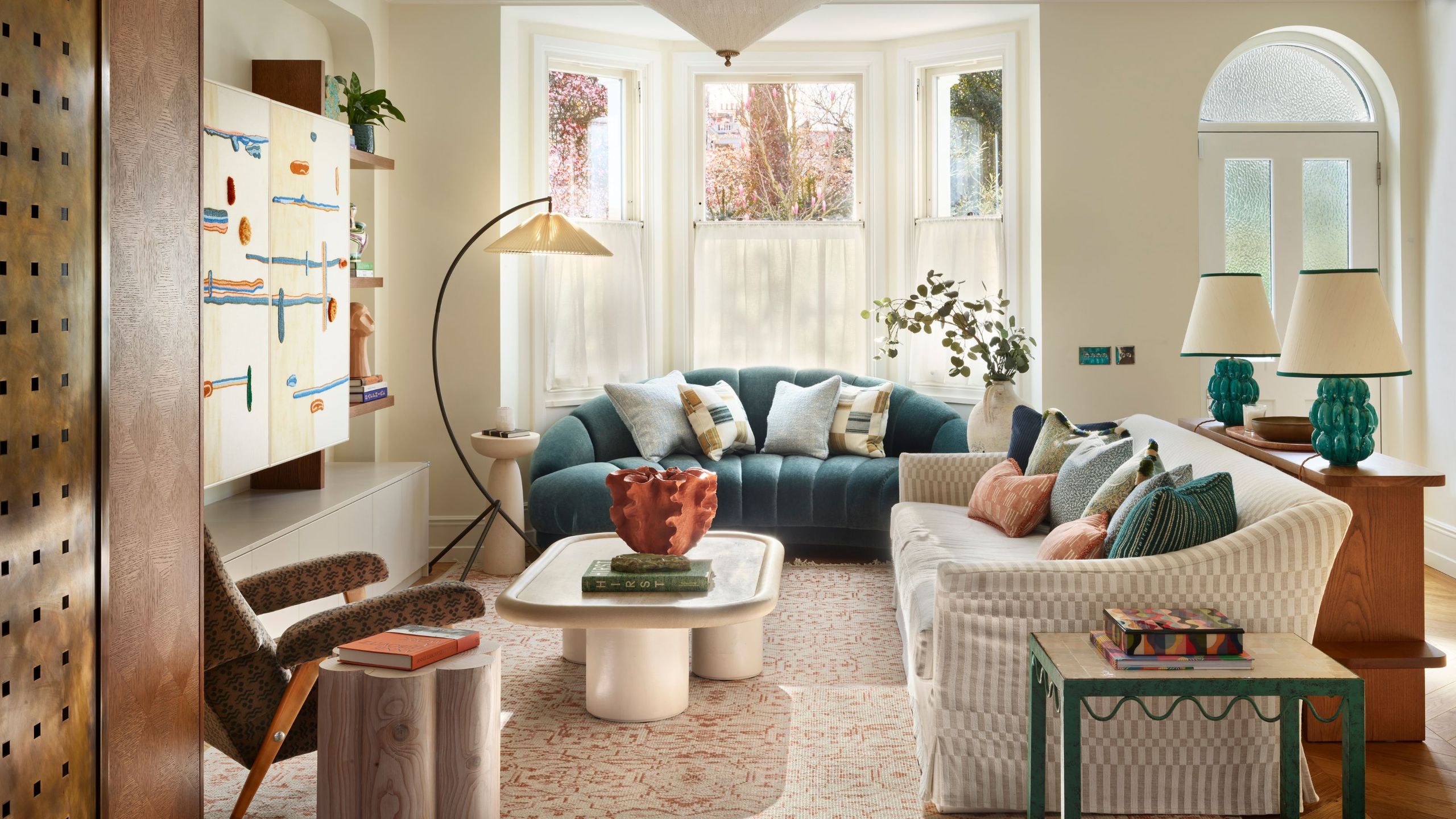
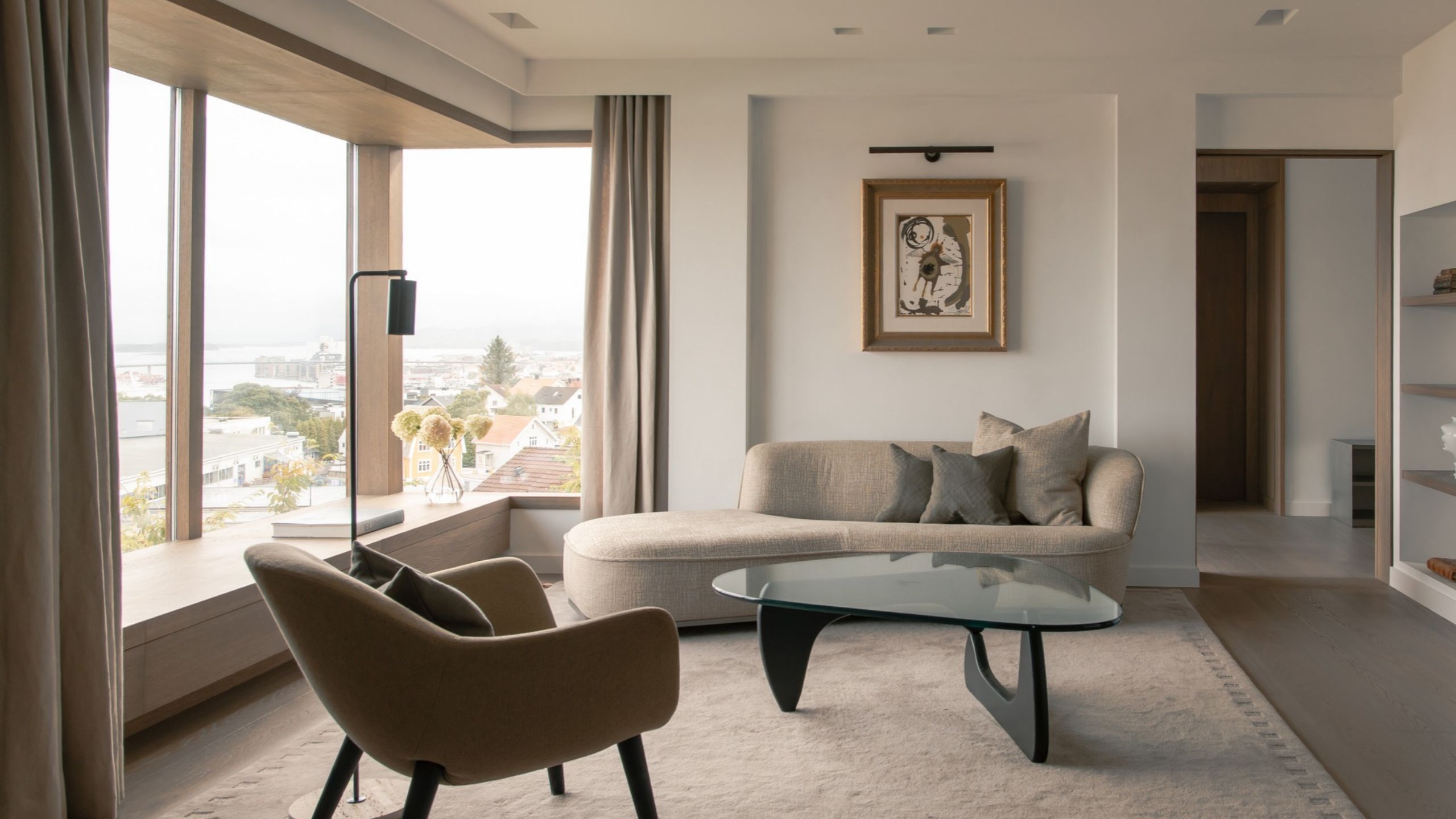
For living rooms, aim for a warm, cozy atmosphere with directional downlights positioned along the ceiling perimeter to highlight walls and artwork while minimizing glare. Picture lighting is crucial in these settings, as LED lights preserve the integrity of artworks better than halogen lights, which can emit harmful heat. Additionally, lighting bookshelves enhances the room’s dimension, while strategically placed lamps and reading lights can add functionality and ambiance.
Kitchen Lighting
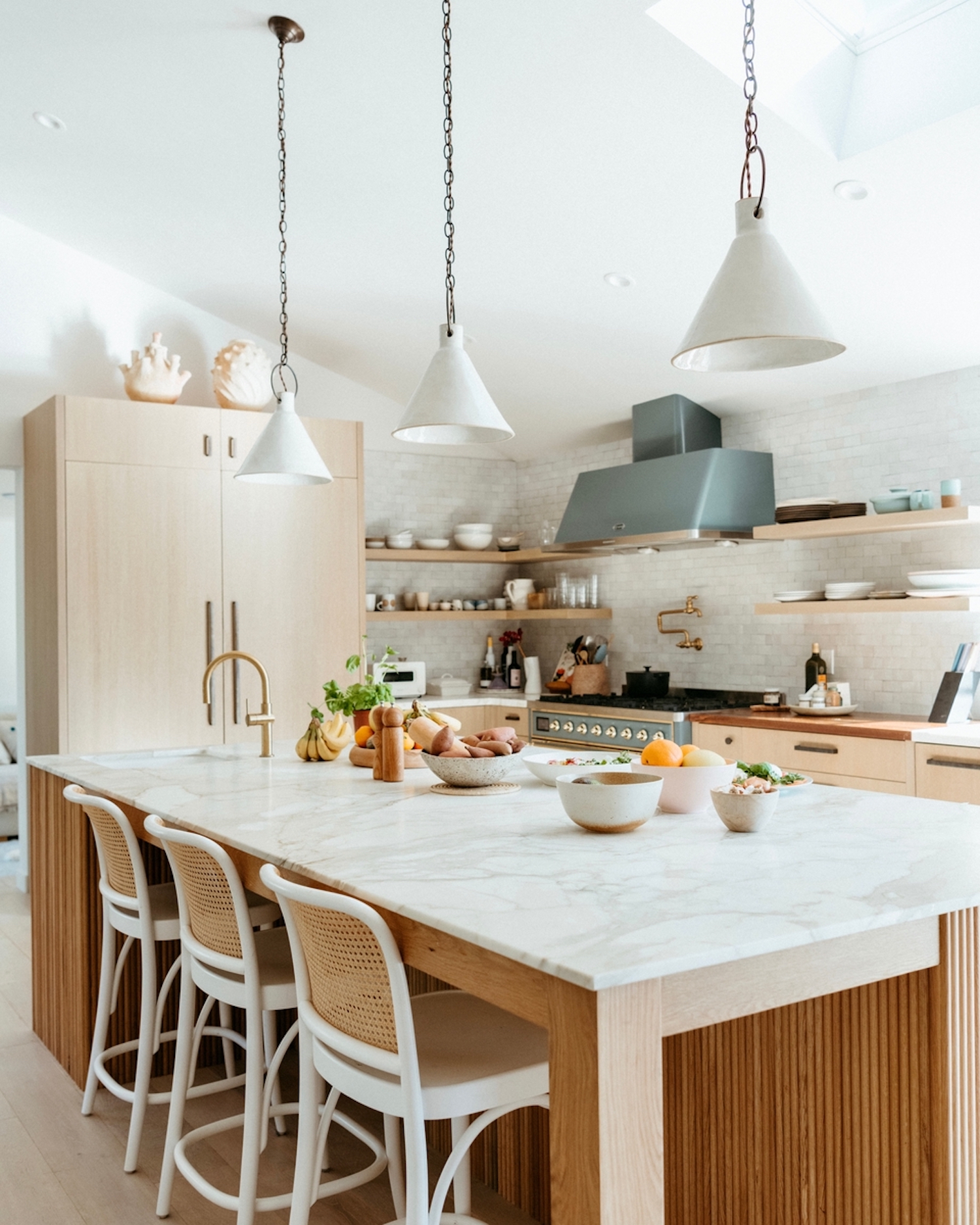
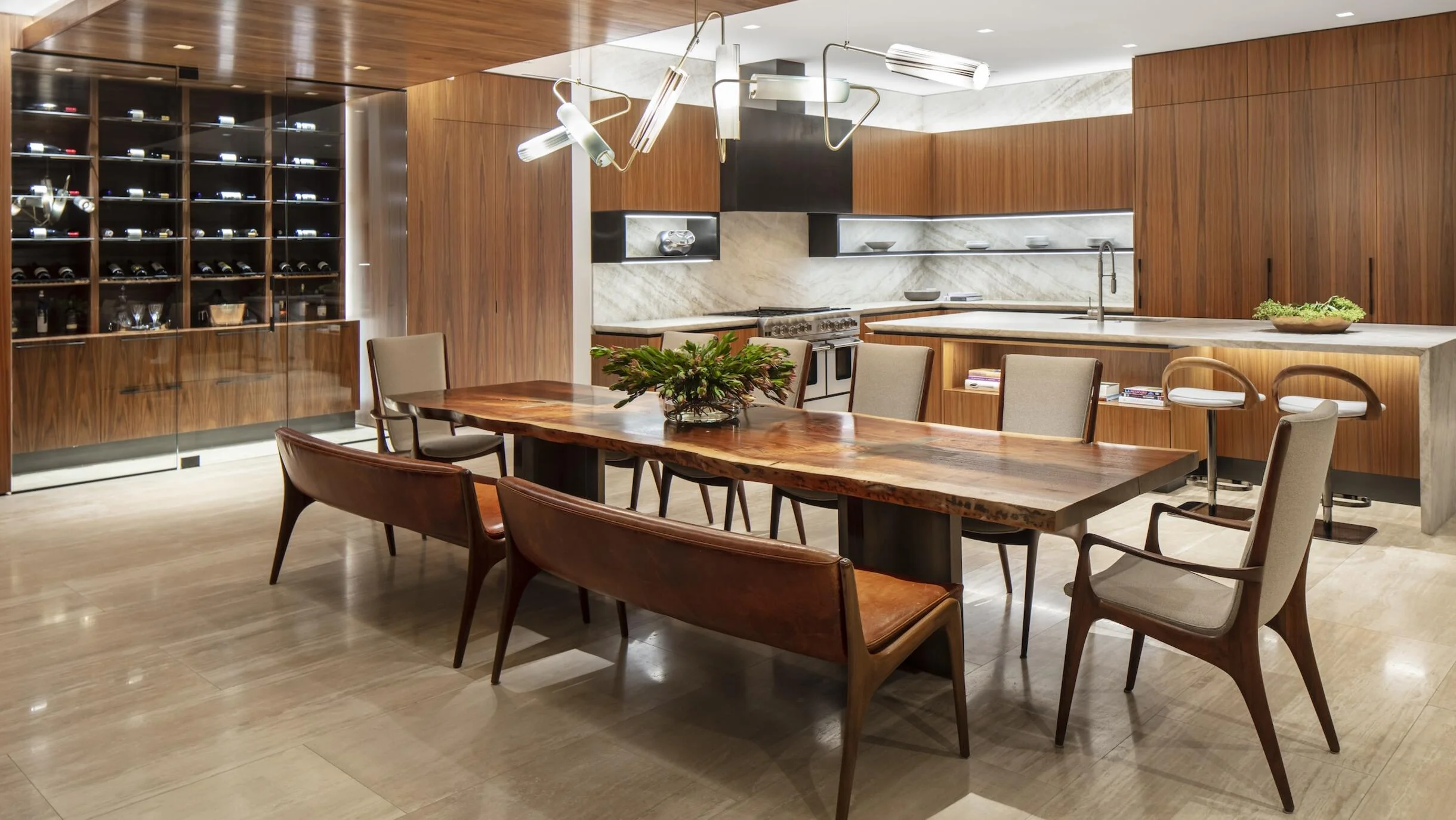
In kitchens, strategically placed recessed downlights are essential. Identify key work zones, such as countertops and islands, and install lighting directly above those areas. Washing walls with light softens the environment and highlights artwork. By implementing individual circuits, you gain control over lighting levels rather than relying on a uniform brightness that fills the entire room.
Bedroom Lighting
Bedrooms should primarily feature minimalistic lighting, with bright options for practical tasks and dim settings for relaxation. Ensure adequate illumination for closets and recessed areas. Soft, gentle lighting can be achieved by directing lights onto curtains. Keeping circuits simple can facilitate ease in creating the desired mood.
Children’s Room Lighting
In children's bedrooms, it's important to highlight features like murals with downlights. For a unique nightlight effect, consider using fiber optics to create starry skies. Color-changing LED strips can add a further playful element. Flexibility in lighting is crucial; integrated shelving with lighting allows for easy updates without redesigning the entire space.
Bathroom Lighting
Uplights can add an enchanting touch to bathrooms, perfect for highlighting stone or tiled walls. Wall lights positioned beside mirrors ensure shadow-free illumination for grooming. While some mirrors come with built-in lights, it's important to choose those with a warm color temperature to maintain ambiance. Small LED lights set in skirting boards and connected to motion sensors provide practicality by lighting up when needed at night.
Finally, ensure that bathroom fixtures meet safety standards with appropriate IP ratings to prevent water damage.