Brandon Schubert, an interior designer, shares insights on creating effective lighting schemes for homes. He emphasizes the importance of functionality and the atmospheric qualities lighting provides once the sun goes down. Currently, he is presenting a project in South London to illustrate his ideas on lighting design across different spaces.
### Living Room Lighting
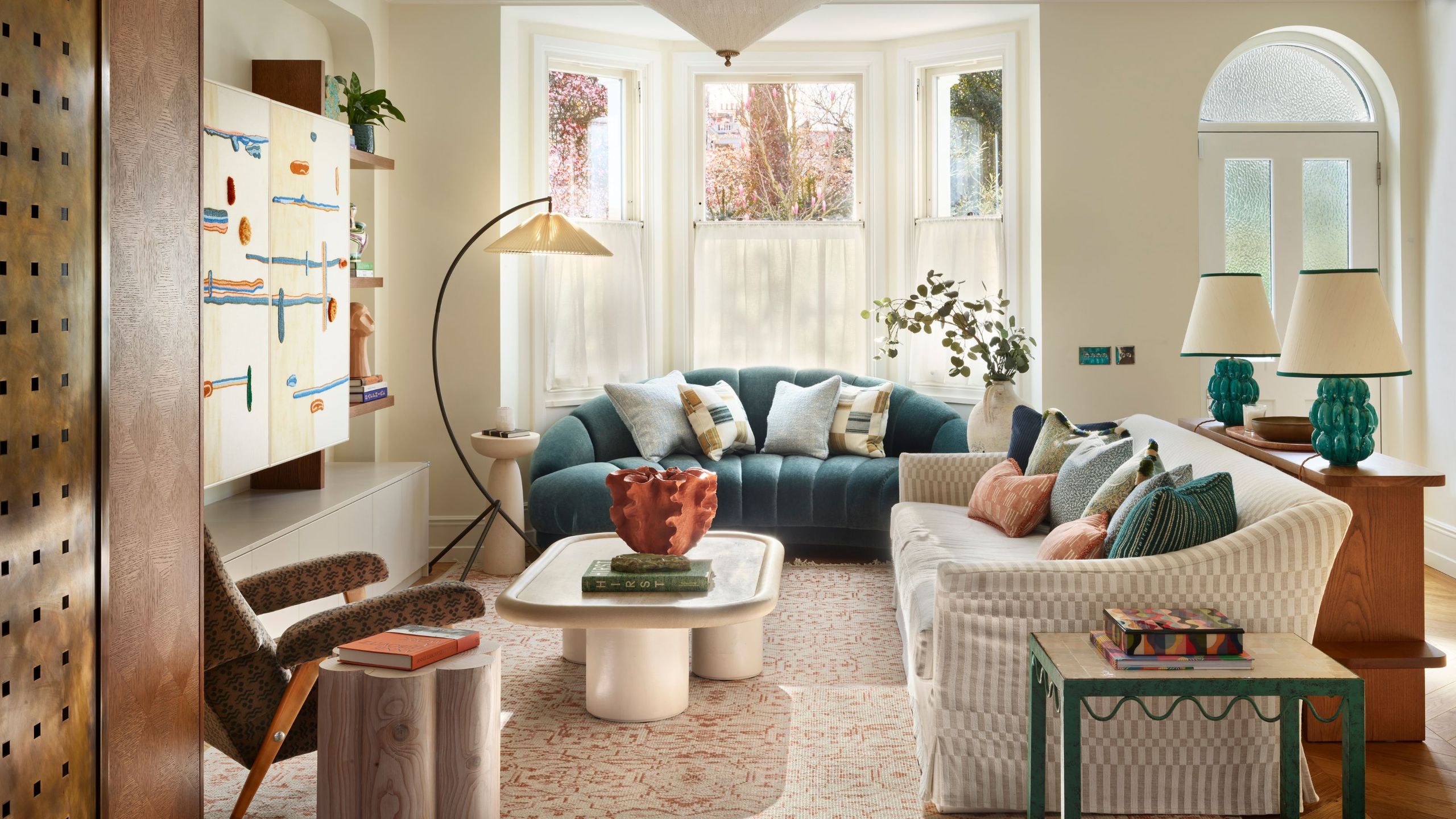
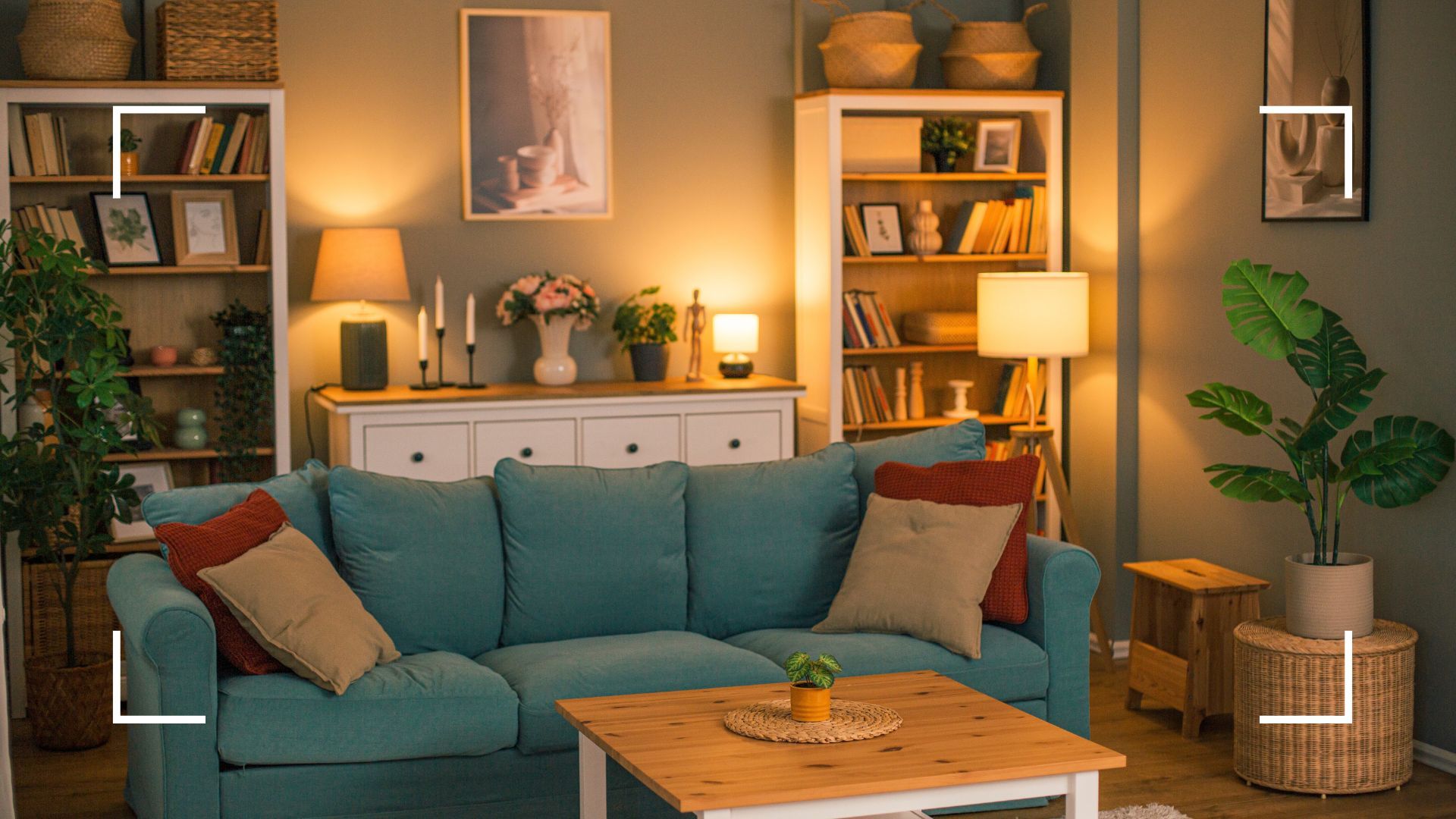
Schubert begins with a focus on the living room, advising that effective lighting design starts with a floor plan. For those lacking a professional design, a simple sketch on graph paper will suffice. He notes a crucial tip: prioritize illuminating objects and surfaces rather than just the surrounding space. To create a natural feel, it’s important to incorporate lighting at various heights—ceiling lights, wall sconces, and table lamps.
For instance, the bookcase in the room has lights that wash its front, highlighting the books instead of simply illuminating the floor. The two decorative wall lights offer a subtle ambient glow, equipped with low wattage bulbs and gold-line shades to create warmth.
Additionally, a track light runs horizontally along one wall to provide surface illumination at night. Schubert expresses his enthusiasm for table lamps, which add both decorative value and diverse lighting options. He mentions how a floor lamp beside a chair enhances reading conditions and fills otherwise empty corners.
### Kitchen and Dining Area Lighting
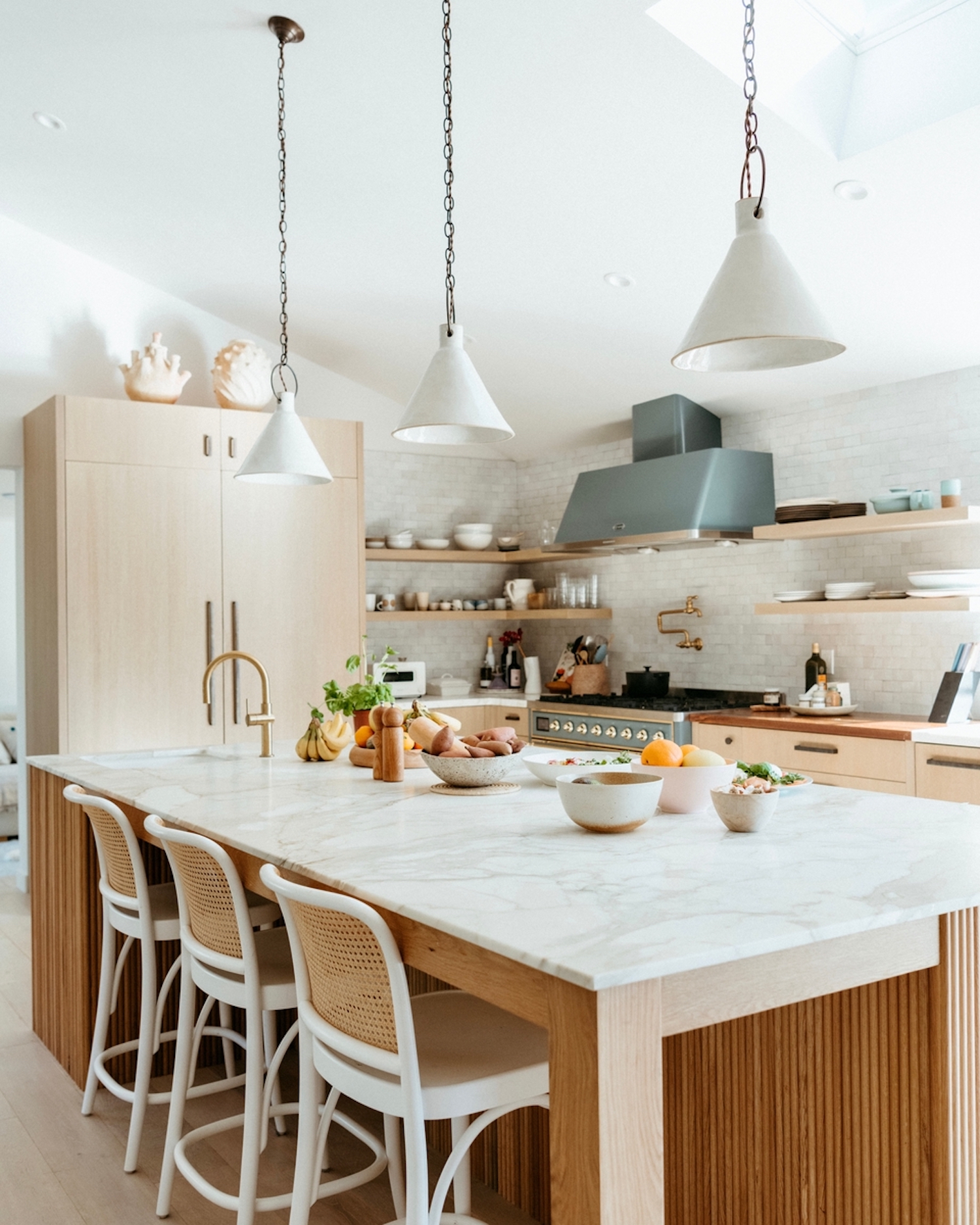
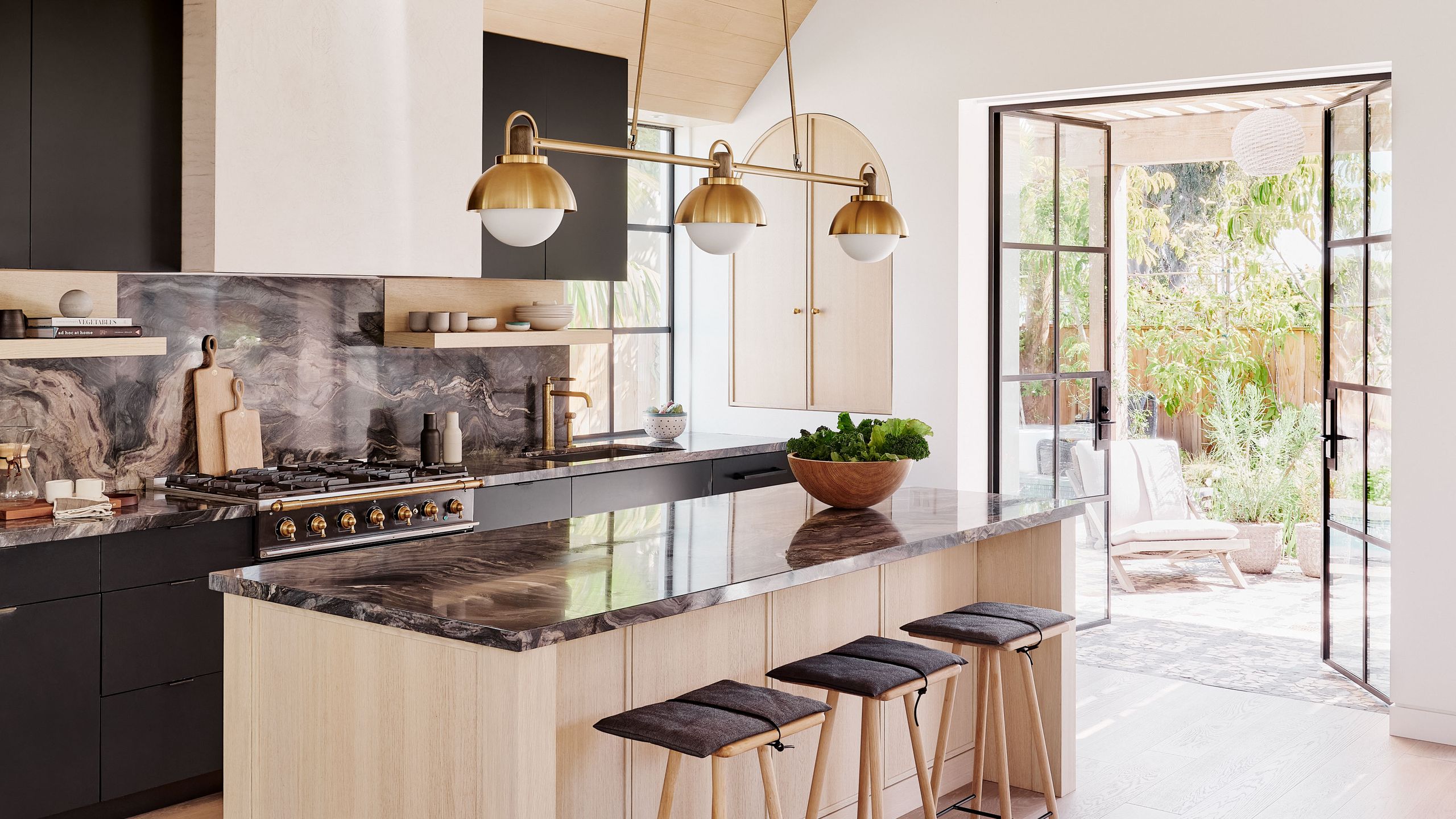
Moving to kitchen and dining spaces, Schubert stresses that kitchens prioritize task lighting for functionality. Downlights should be employed to illuminate surfaces, particularly kitchen islands. He advises that lighting should be uniform and come from multiple angles to prevent shadows.
In a narrow kitchen, recessed downlights can be beneficial for providing soft wall illumination.
For mood settings during gatherings, he recommends under-cabinet LED strips, positioned to minimize shadows and enhance the room's ambiance when dimmed.
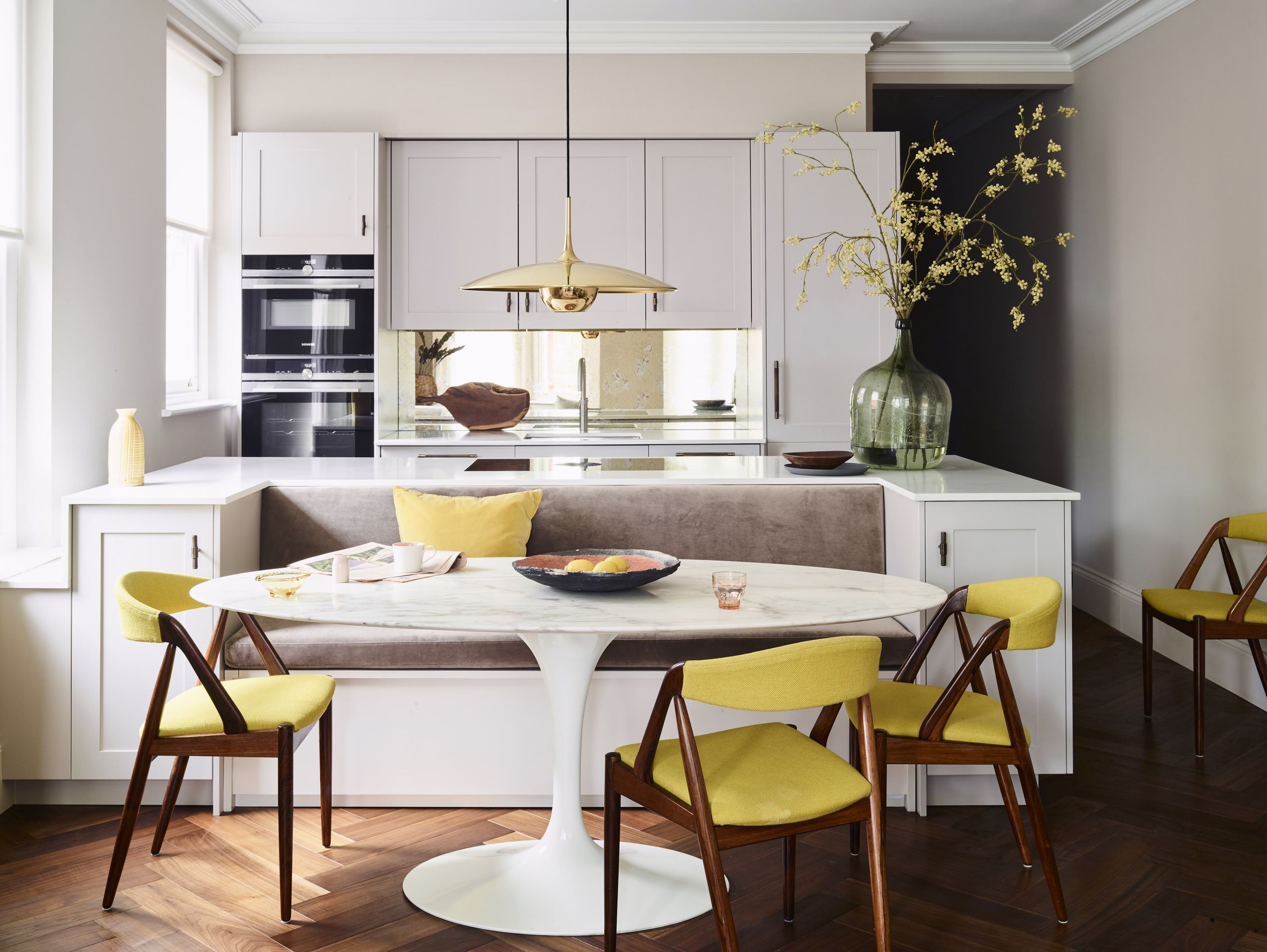
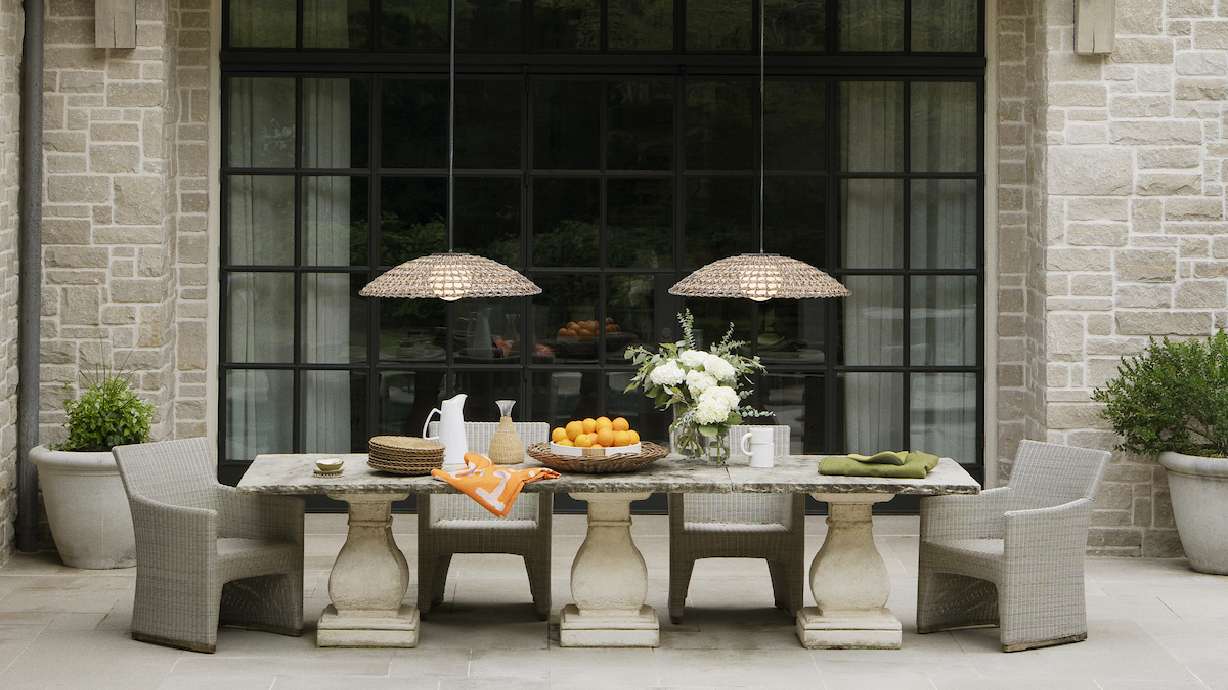
For the dining area, the centerpiece is a pendant lighting fixture over the table. Schubert highlights the character of antique light fittings with Vaseline glass shades, which diffuse light effectively. Dimmers are key for creating a cozy atmosphere during meals.
### Bedroom Lighting
For bedrooms, Schubert suggests that at least one light switch should be easily accessible upon entering. He positions a central ceiling light thoughtfully, using diagonal lines for accurate placement. An addition of a five amp circuit allows control over lamps by a switch. He prefers lower wattage bulbs for table lamps to maintain a warm glow, avoiding harsher color temperatures above 2,700 Kelvin.
In a cozy bedroom, he aims for a variety of lighting types.
The ceiling light and wall sconces can be switched separately, providing a welcoming dim light rather than a stark bright room. A bedside lamp placed between beds is controlled directly by the lamp switch, ensuring that readers don’t experience glare while trying to enjoy a book.