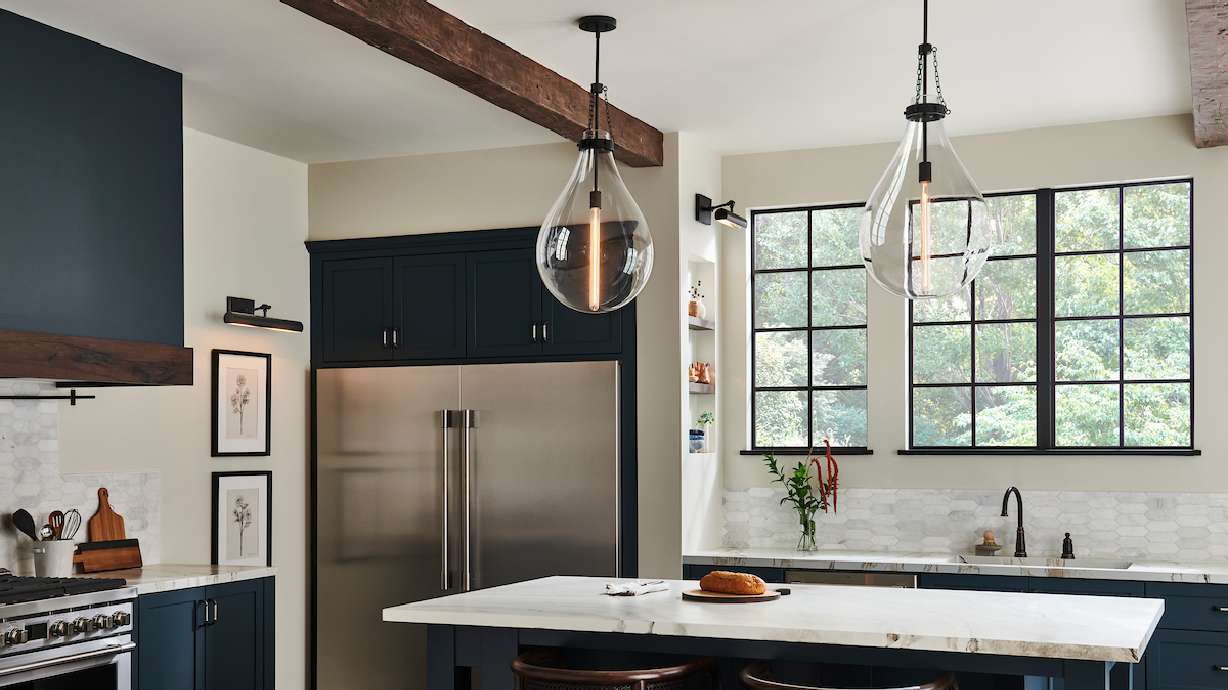
Kitchen and dining rooms often serve multiple roles beyond cooking and dining; they act as workspaces, homework areas, and design statements. While cabinetry and finishes may capture most attention, effective lighting significantly influences the feel and functionality of these spaces. Experts from Lighting Design, winners of the 2025 Showroom of the Year Award by Dallas Market Center, stress the importance of understanding how different lighting types work together to enhance safety, comfort, and energy efficiency.
Importance of Layered Lighting
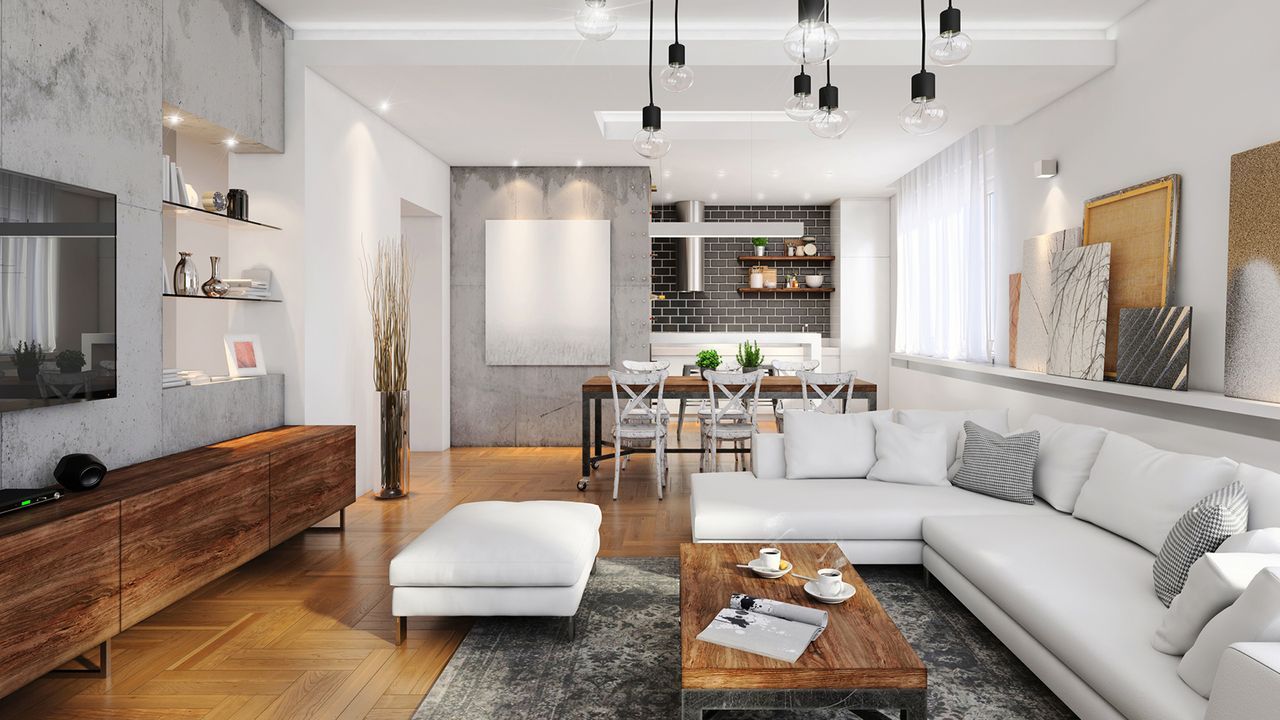
Homeowners frequently make the mistake of relying on a single light source. Effective lighting in kitchens and dining rooms relies on a combination of ambient, task, and accent lighting. Ambient lighting provides overall illumination that establishes a room's brightness, typically achieved with recessed lights or flush mounts in kitchens and chandeliers in dining areas.
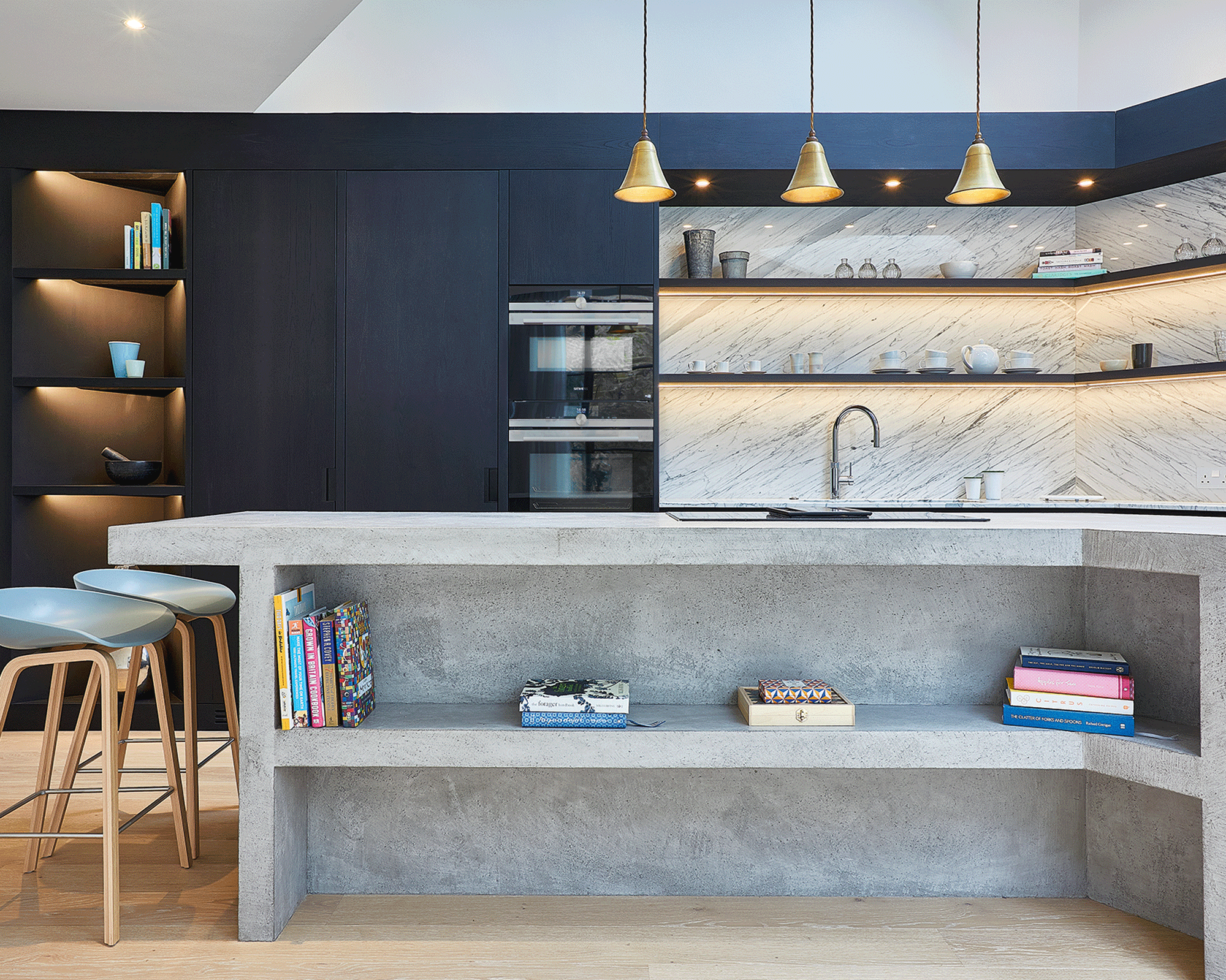
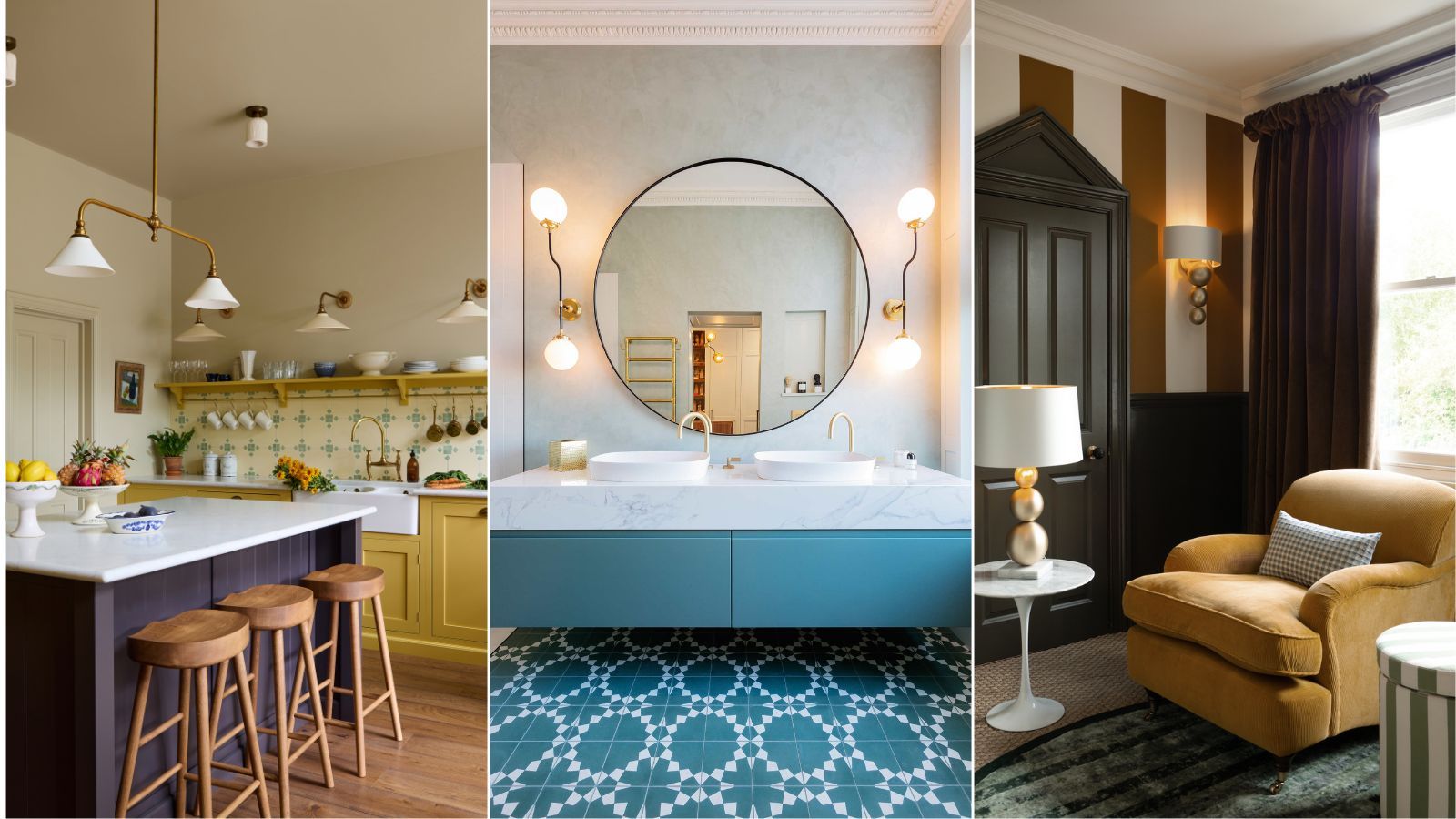
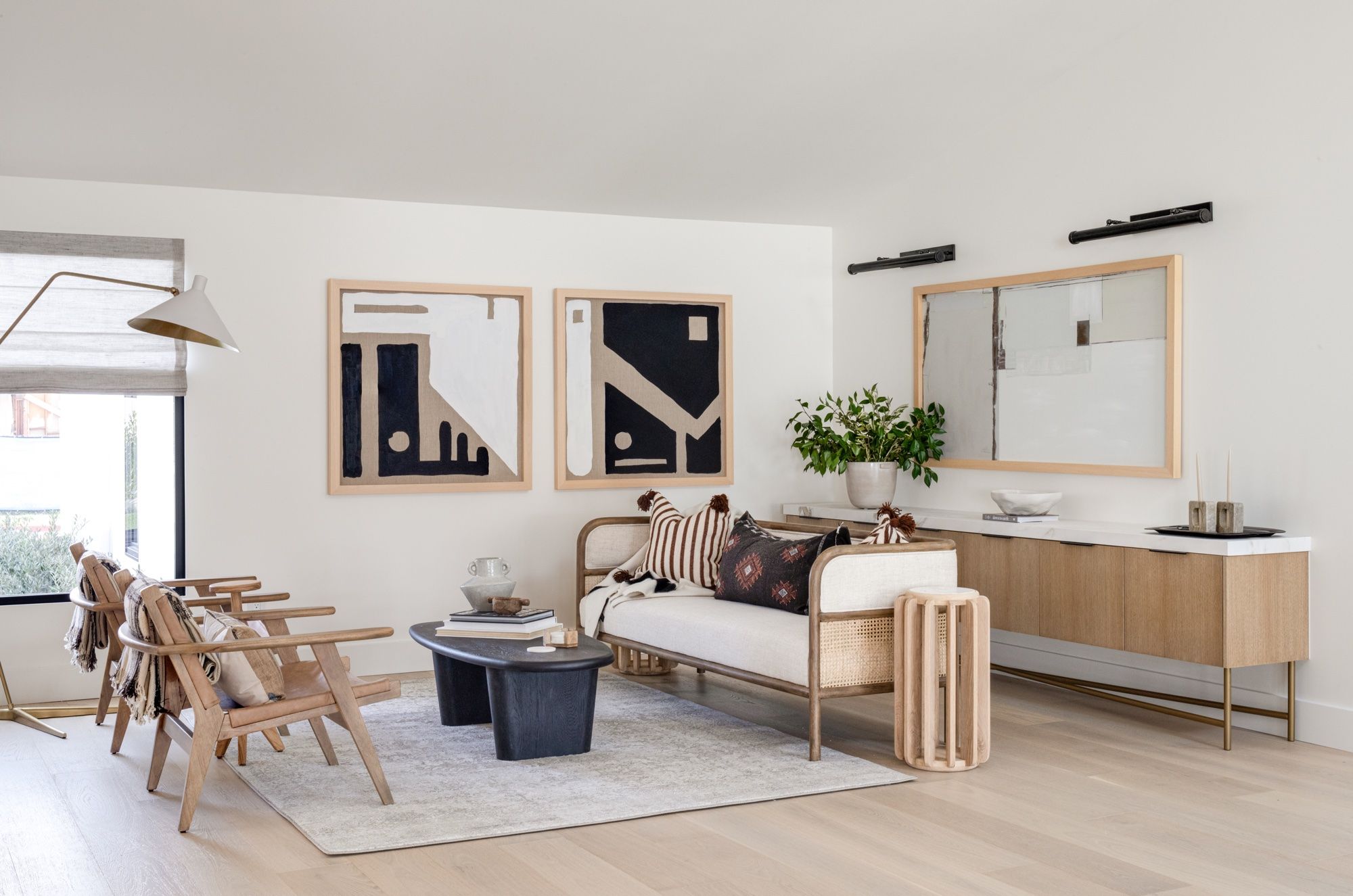
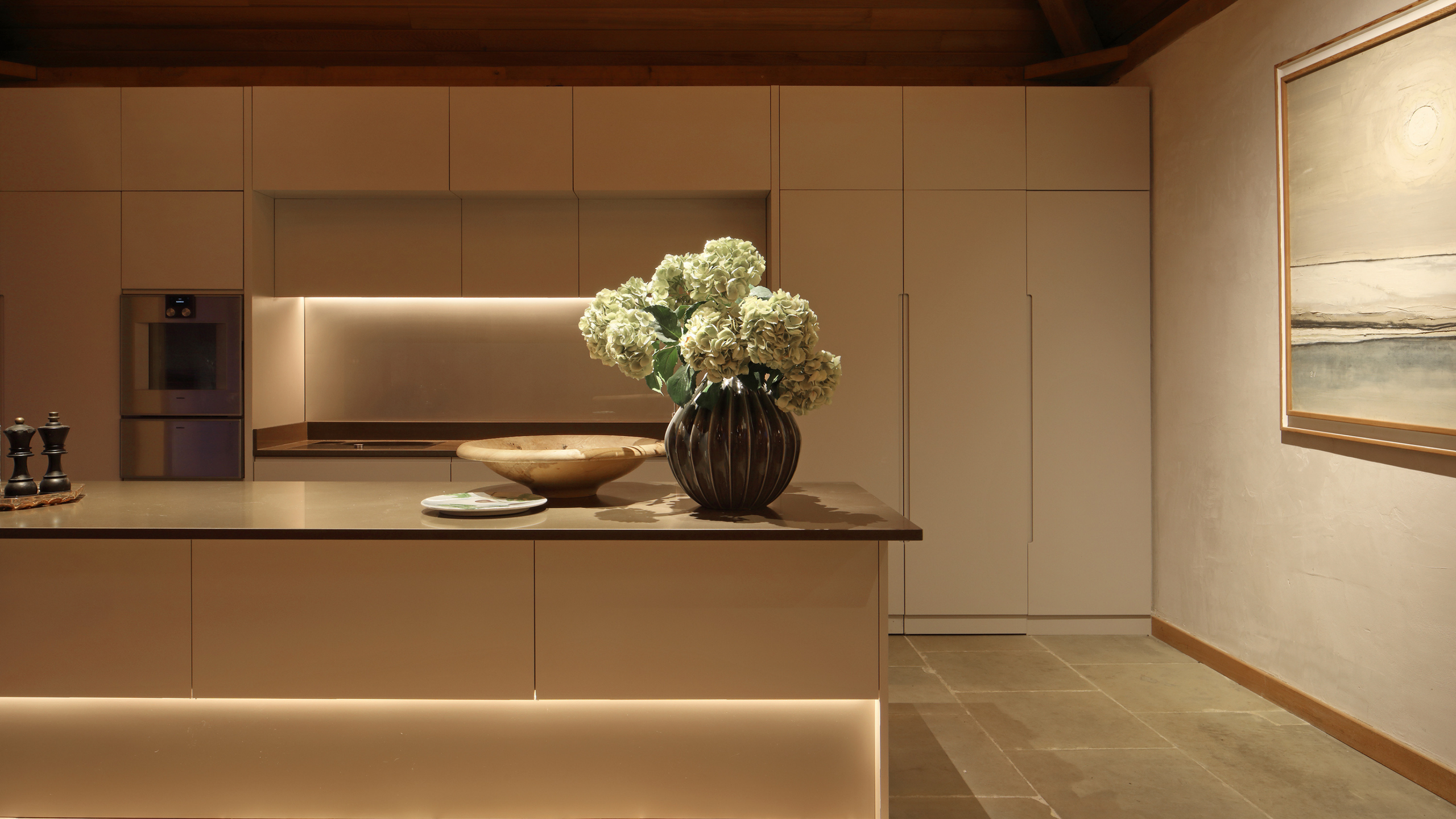
Task lighting focuses illumination on specific areas; for instance, under-cabinet lights brighten countertops, while pendant lights over islands offer targeted light for food preparation. Accent lighting adds decorative flair by highlighting features like open shelving or artwork.
Kitchen Lighting Solutions
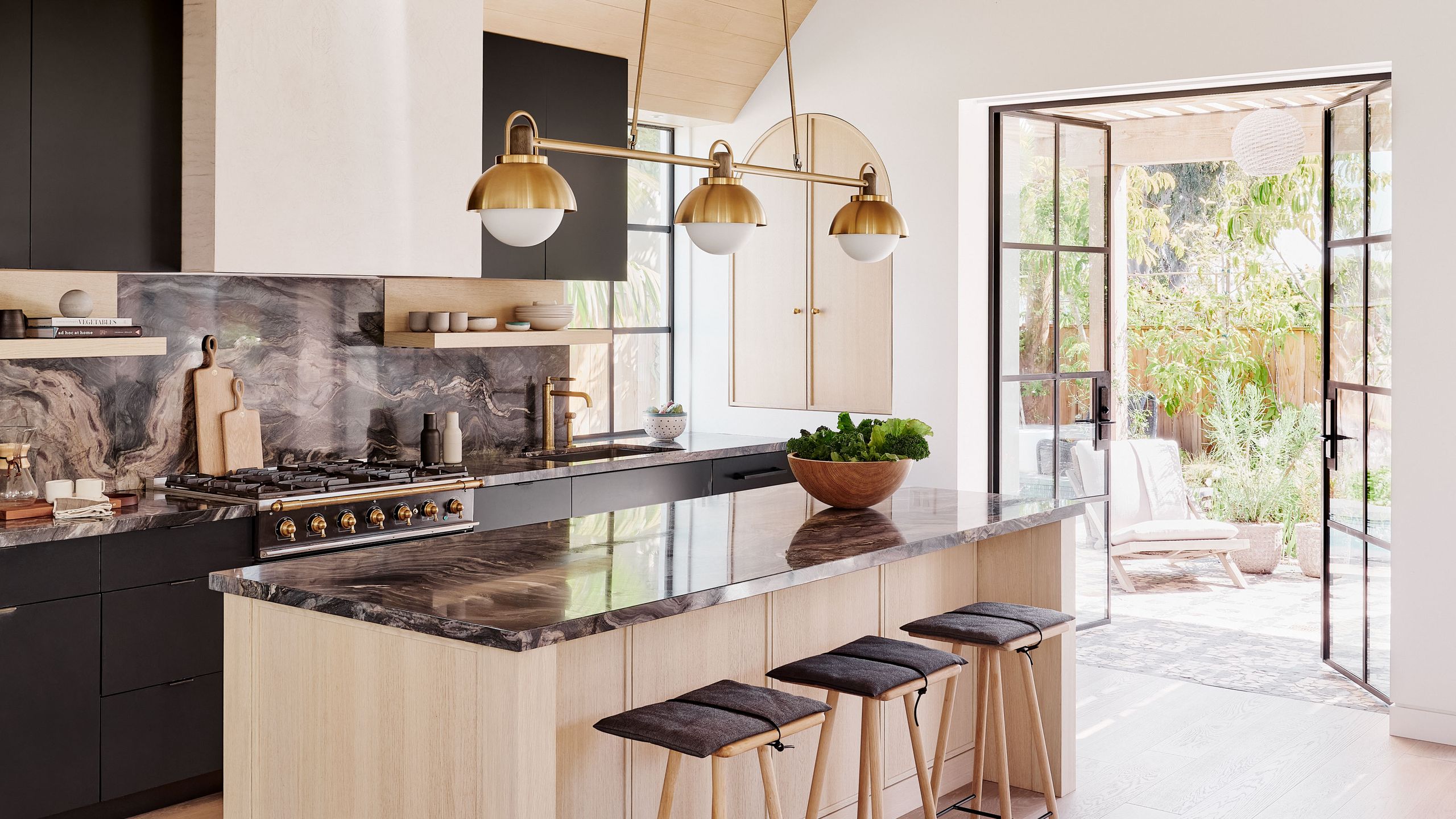
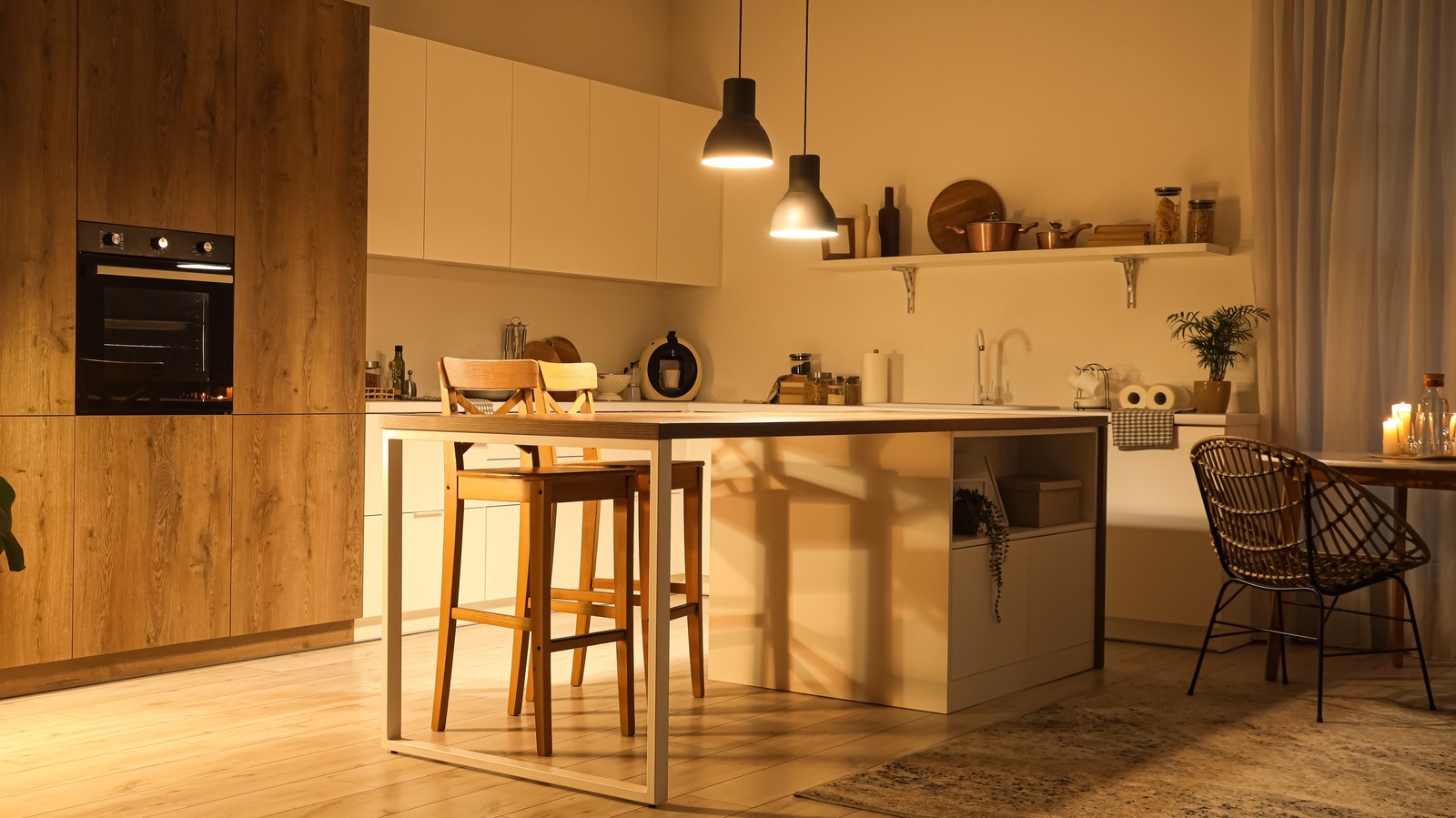
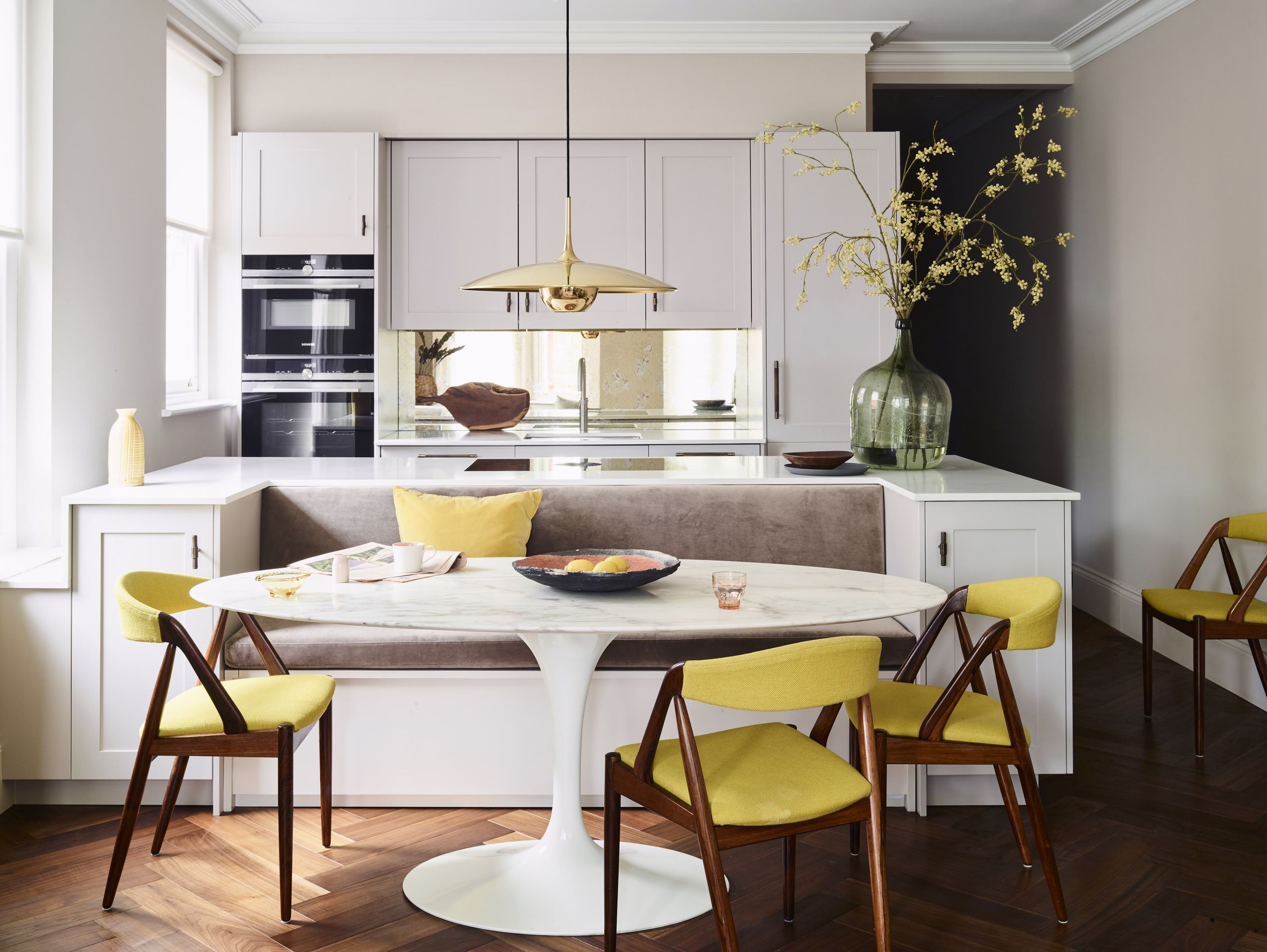
In kitchens, functionality takes precedence but can be complemented by style. Pendant lights are particularly popular for kitchen islands, serving as both task lighting and a visual focal point. Designers recommend spacing several pendants evenly over larger islands, while smaller islands may only need one or two fixtures.
Choosing the right scale is crucial; oversized pendants can overwhelm smaller spaces, whereas small fixtures may not provide adequate impact. Meanwhile, clear or lightly tinted glass pendants enhance light transmission, making them ideal for work areas, while metal shades can add warmth.
Good under-cabinet lighting eliminates shadows from overhead fixtures and enhances countertop visibility, with LED strips and puck lights serving as energy-efficient solutions.
Setting the Atmosphere in Dining Rooms
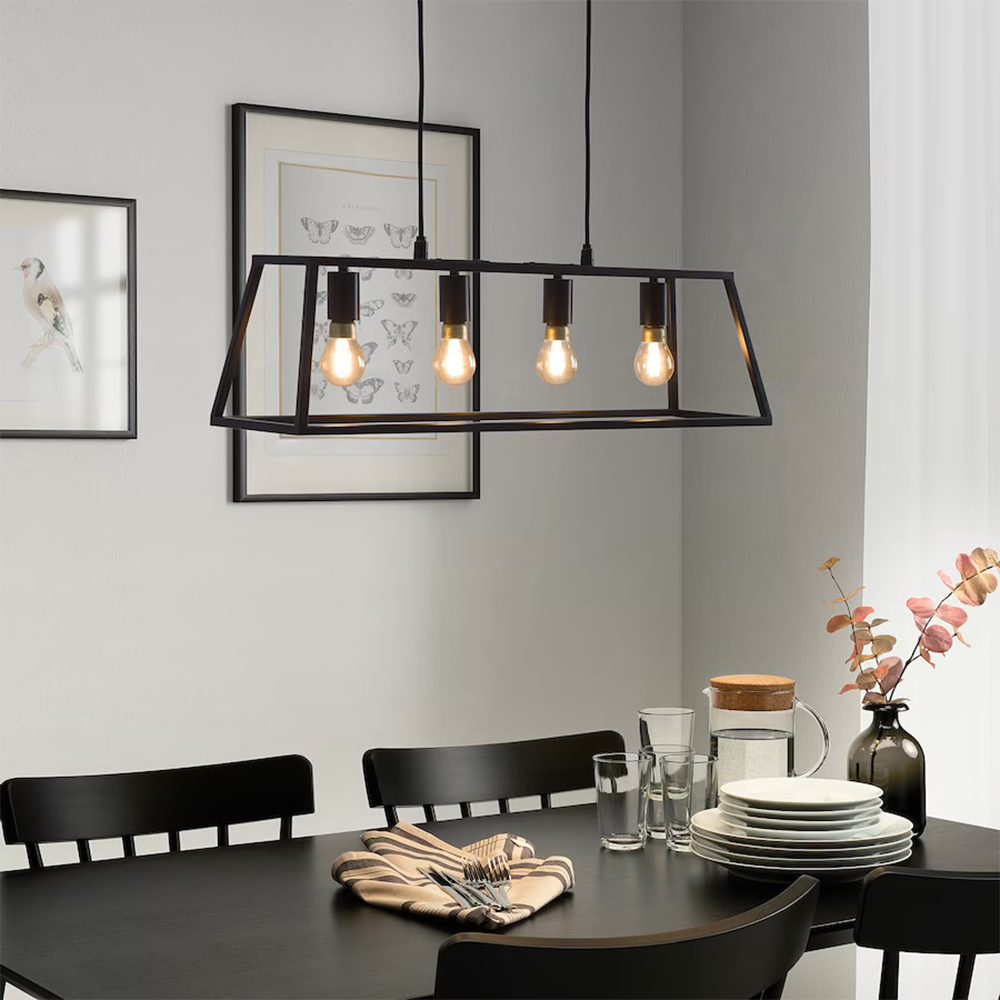
Unlike kitchens, dining rooms prioritize atmosphere over function. The choice of lighting helps set the mood, whether for formal dinners or casual family gatherings. A common design guideline is to match the chandelier's shape with the table's shape; round chandeliers suit round or oval tables, while linear fixtures are better for longer tables.
Proper height is vital; fixtures should hang about 30 to 36 inches above the table to avoid obstructing views. Dimmers are a valuable addition, allowing for adjustment from bright light for tasks to softer illumination for meals.
Quality and Durability
Selecting high-quality fixtures is essential for lasting beauty and reliable performance. Retailers like Lighting Design focus on craftsmanship and durable materials, helping homeowners find timeless options that won't go out of style. Their collections include both popular and contemporary designs, catering to various aesthetics from modern to classic. Visiting a local showroom can help homeowners ensure that the chosen fixtures work well together.
Forward-Thinking Lighting Decisions
Experts suggest making lighting decisions early in renovation or construction processes, as placement affects what fixtures are feasible. Energy efficiency is also crucial, with advances in LED technology providing longer-lasting and lower-energy options. Modern fixtures are often designed with LED compatibility, resulting in lower maintenance costs.
Since kitchens and dining rooms serve multiple functions, thoughtful lighting design allows spaces to be adaptable for both everyday use and special occasions. Well-designed lighting not only illuminates but enhances the enjoyment and functionality of these important areas.