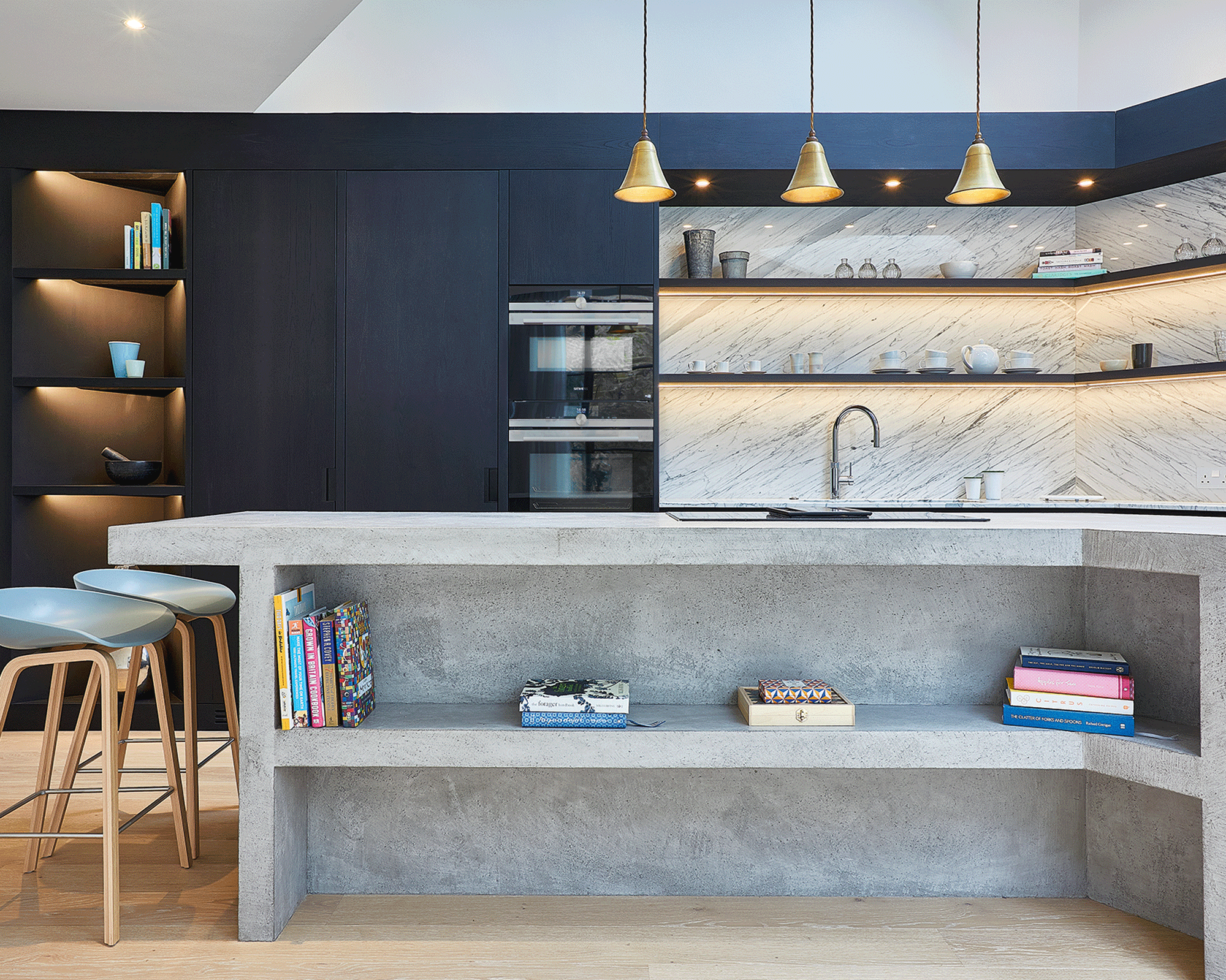
Selecting the right kitchen lighting is a crucial aspect of kitchen design, enhancing both safety and aesthetics. Adequate lighting is essential for food preparation, cooking, and everyday activities, ensuring the space remains functional and inviting.
When planning kitchen lighting, it should not be an afterthought. Prioritizing it alongside other design elements is vital. Consulting with a lighting engineer can determine the appropriate brightness for your kitchen’s needs. Tom Howley, design director at Tom Howley, emphasizes the importance of having bright task lighting over preparation areas and warm, low lighting for dining to create a comfortable atmosphere for both cooking and entertaining.
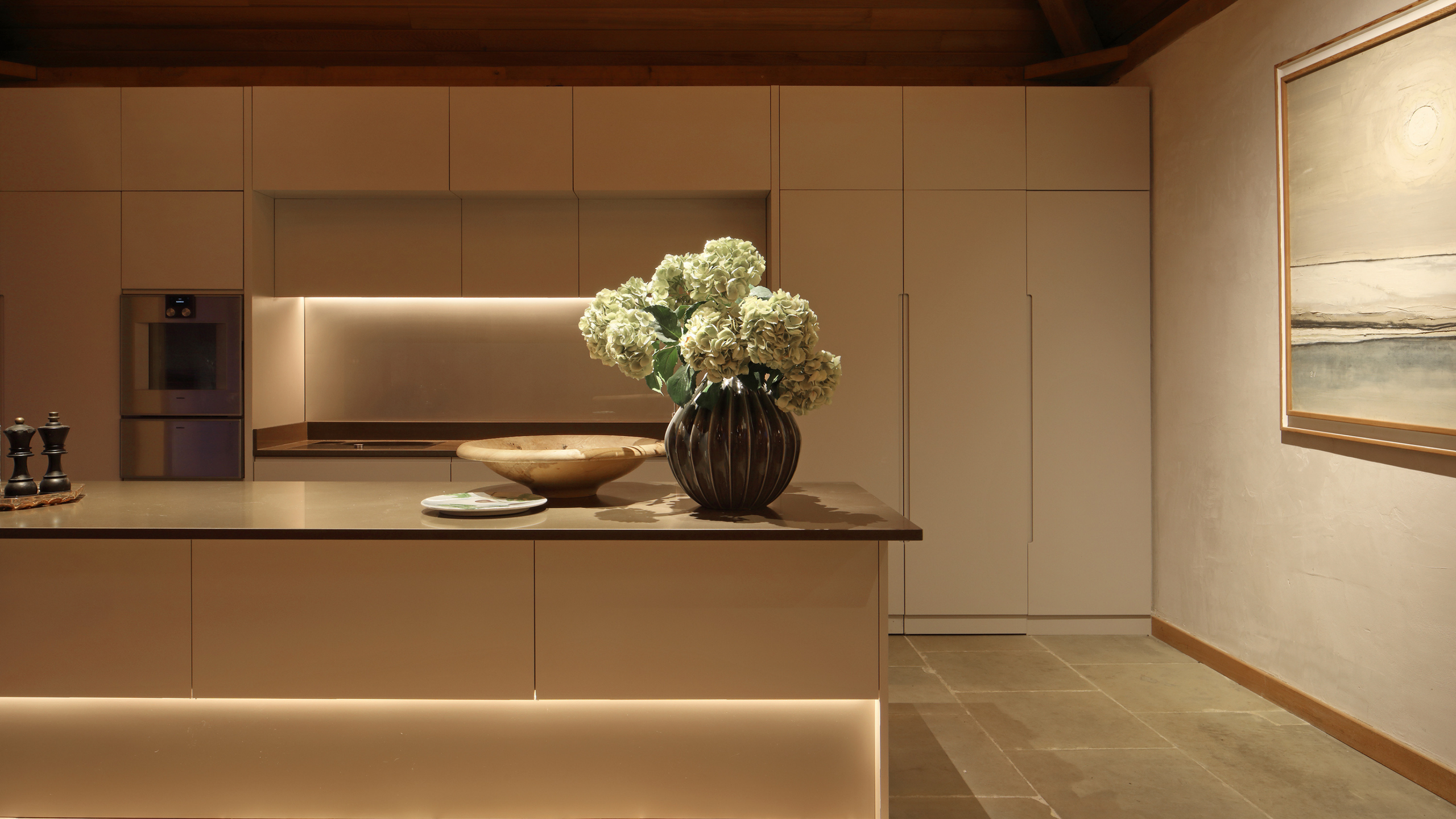
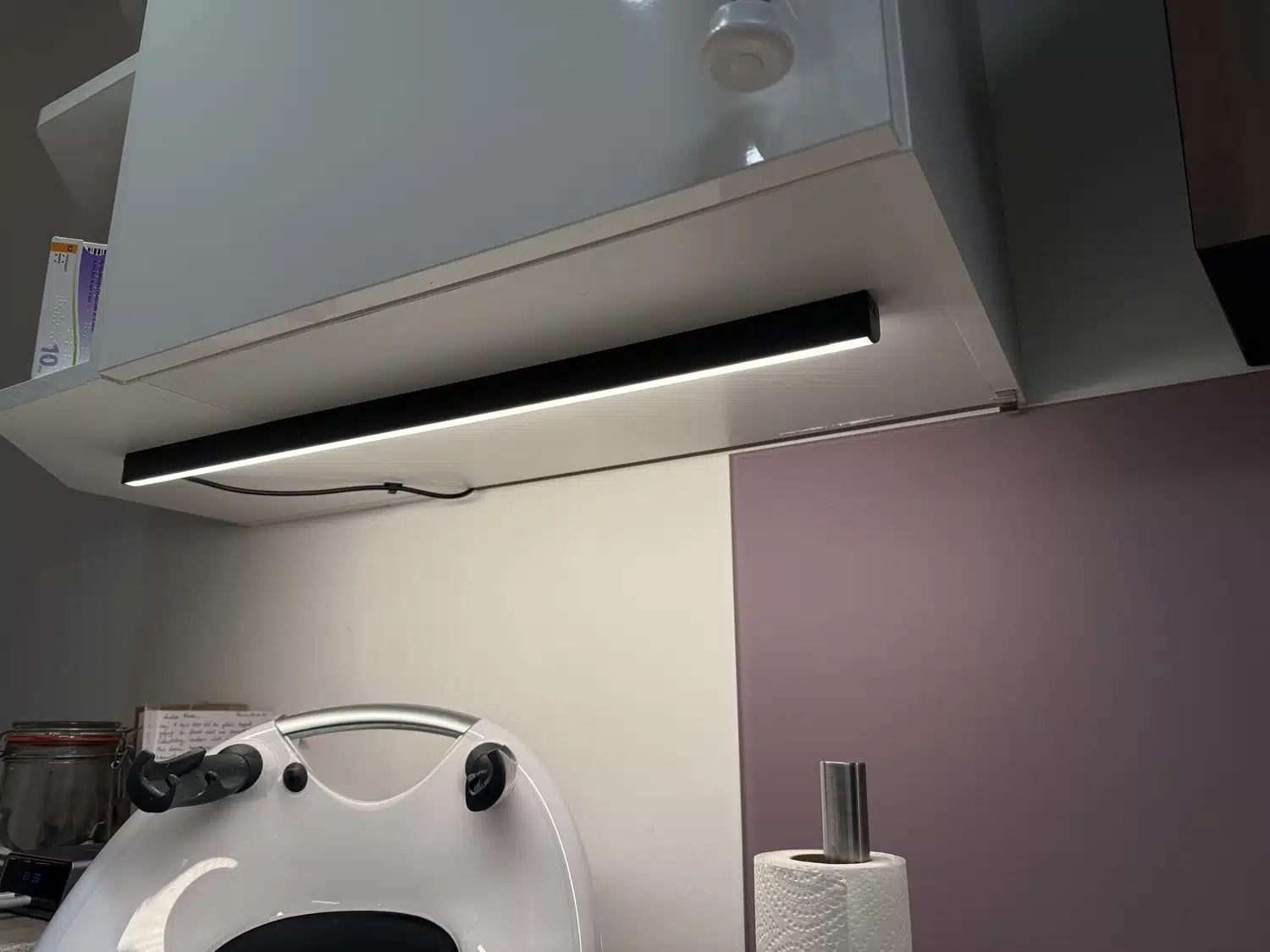
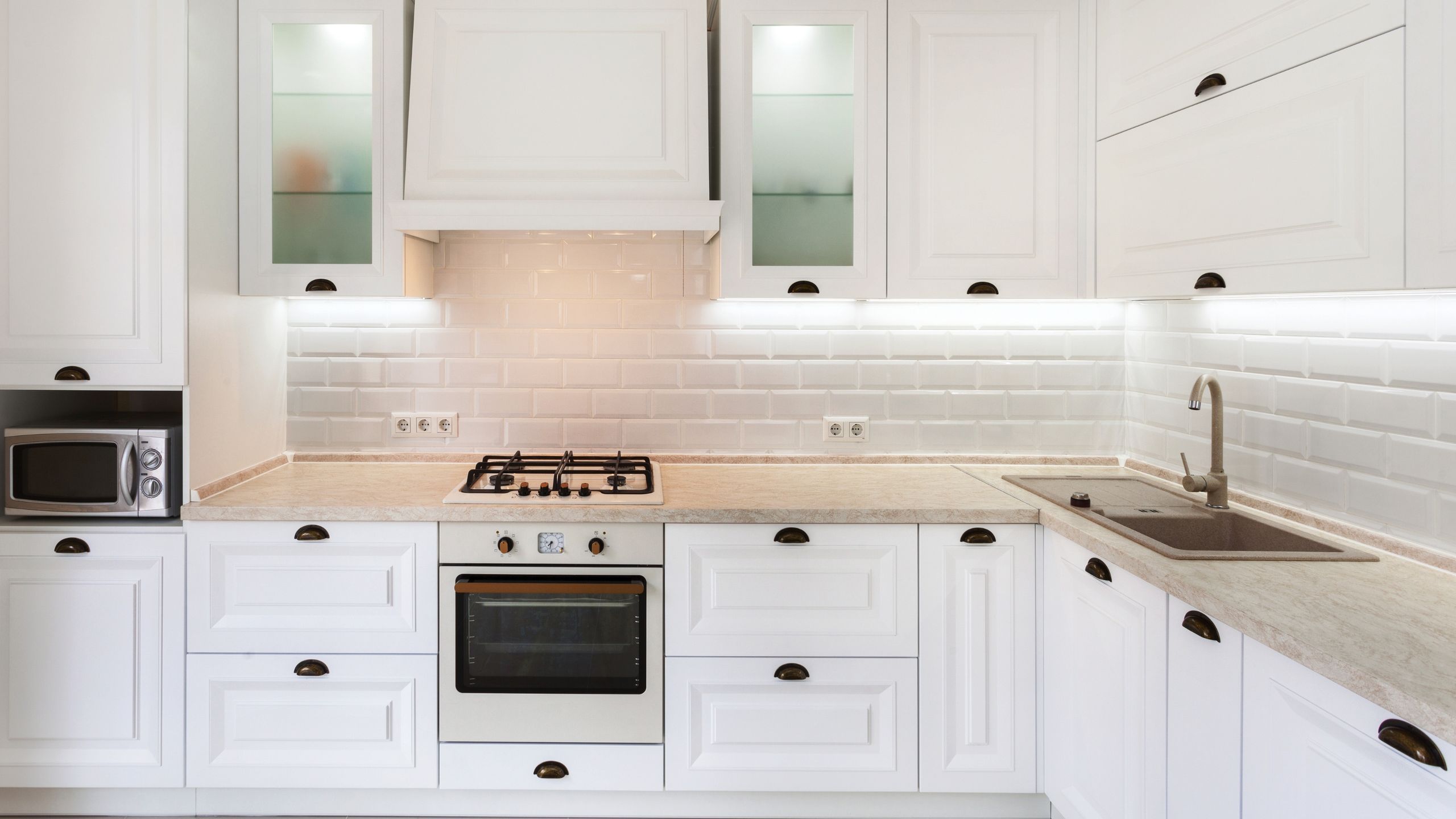
Kitchen lighting should encompass task, ambient, and accent lighting. Areas such as countertops, cooktops, and sinks require sufficient task lighting for safety and efficiency. Melissa Klink from Harvey Jones warns that poor lighting in work areas can hinder functionality. Spotlights should be placed directly above key zones, with under-cabinet lighting to illuminate surfaces without creating shadows. Piero De Marchis from Detail Lighting recommends linear LED solutions to minimize shadows, which can otherwise disrupt task areas.
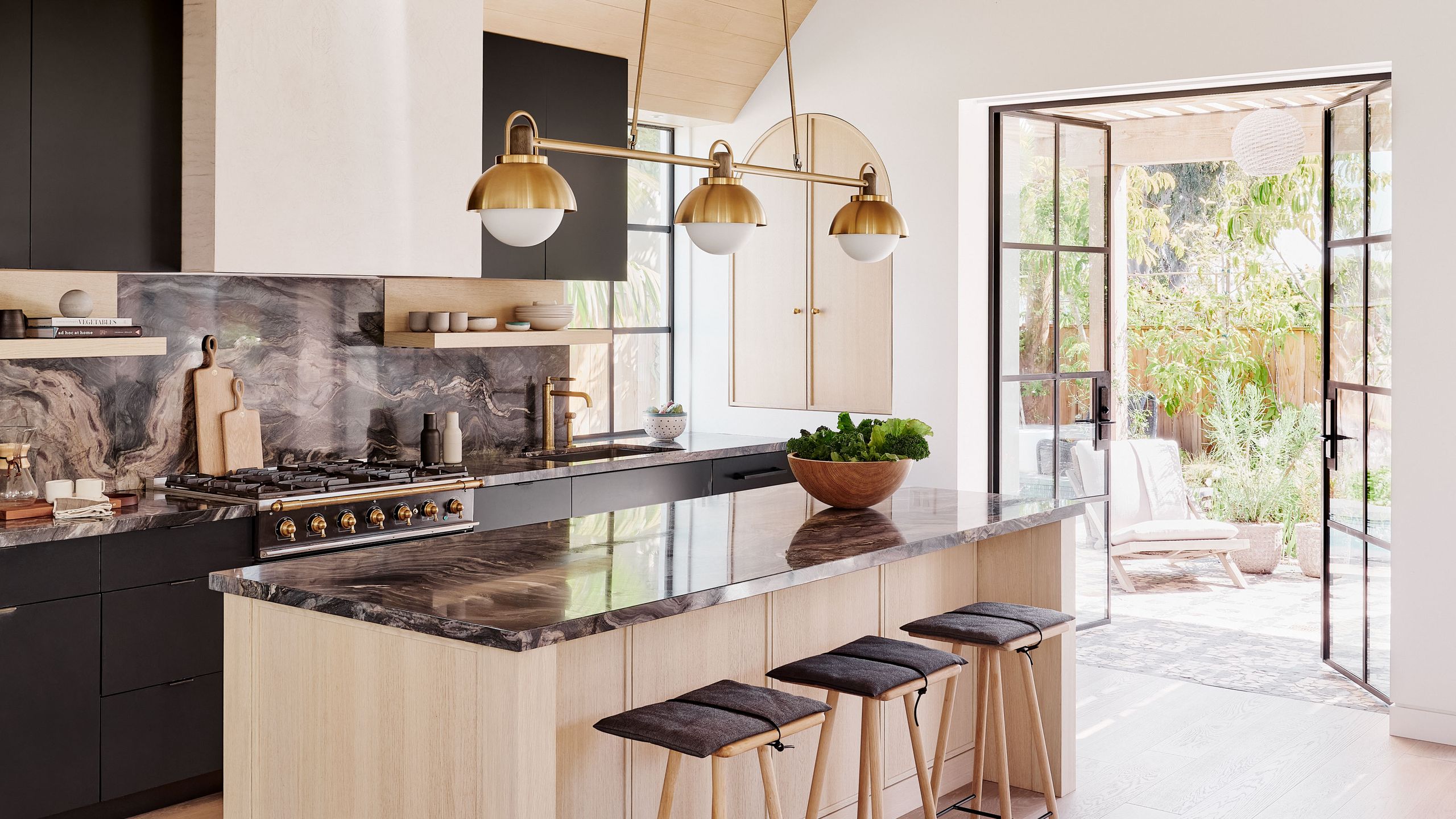
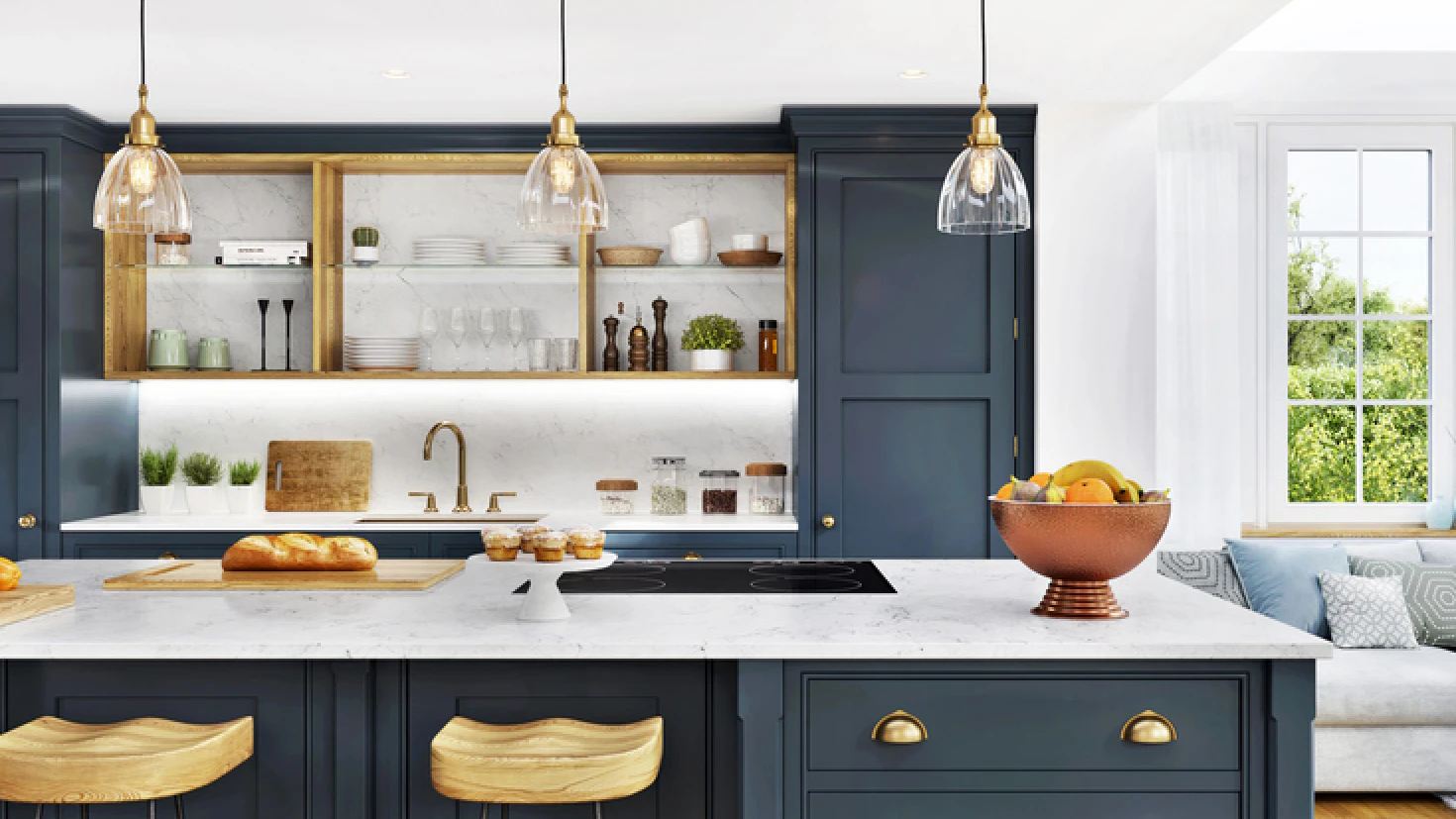
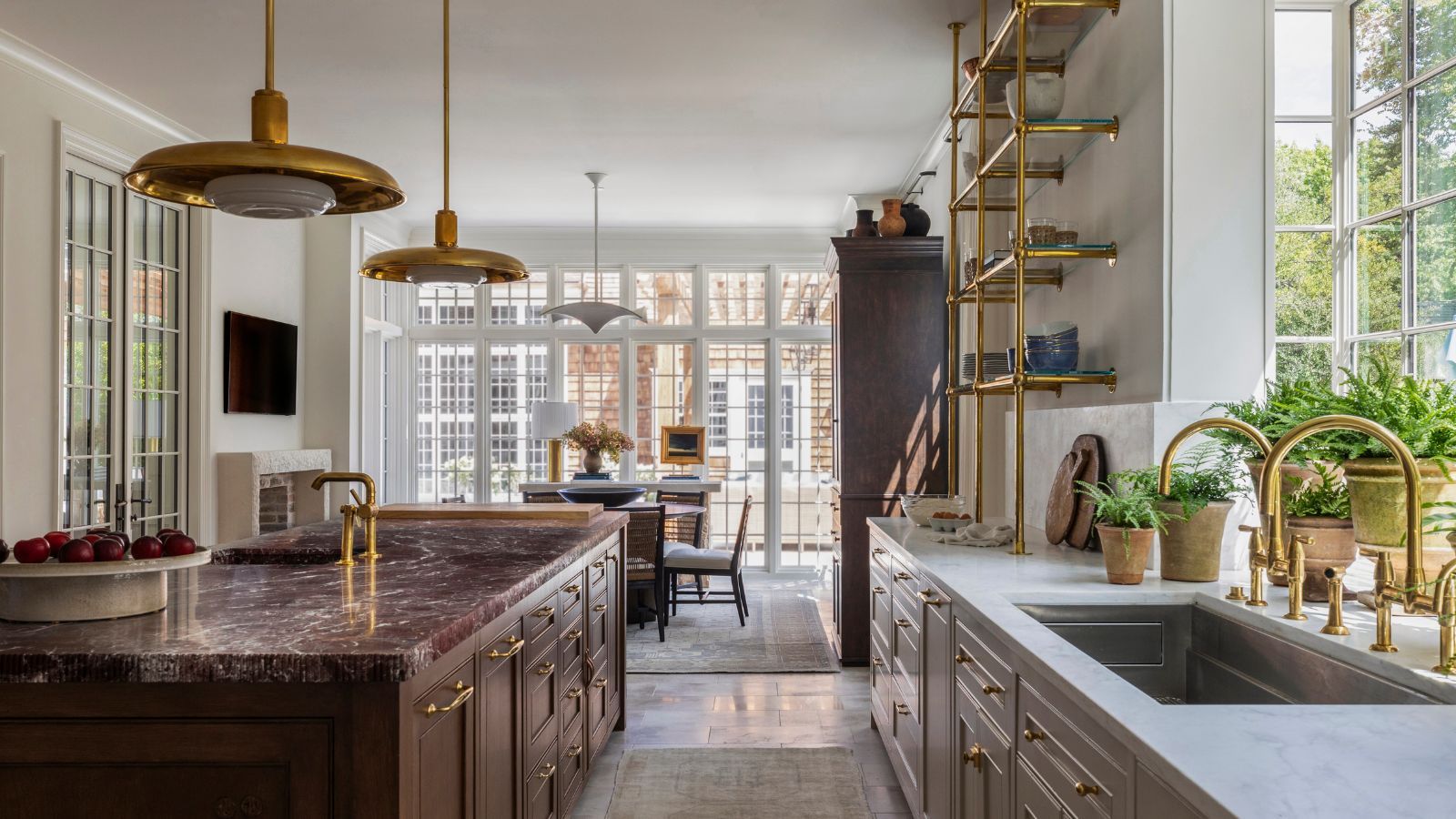
For kitchen islands, pendant lights can serve a dual purpose, providing both task and ambient lighting.
David Amos, CEO of Amos Lighting + Home, suggests using dimmable pendant lights to easily transition from cooking to a relaxed dining environment.
### Ambient Lighting Importance
Ambient lighting is the general background illumination key to a well-lit kitchen. Its planning should consider the amount of natural light in the room while ensuring consistency throughout different times of the day. Options for ambient lighting include recessed lights, chandeliers, and bulkhead lighting, which can effectively provide focused illumination at countertop height, as noted by Karan Main from The Main Company.
### Incorporating Accent Lighting
Accent lighting adds visual depth and highlights room features.
This type of illumination might include glazed cupboard lights to create a cozy dining atmosphere. Shane Hilton from Harvey Jones highlights the benefits of using colored LEDs, which can effortlessly enhance the ambiance and adapt to different moods with their adjustable color options.
To create an intimate atmosphere, Helena Myers from The Myers Touch Kitchen Design Studio recommends hanging pendants low over breakfast bars or seating areas. This approach not only serves as accent lighting but also fosters a warm environment.
### Combining Lighting Types
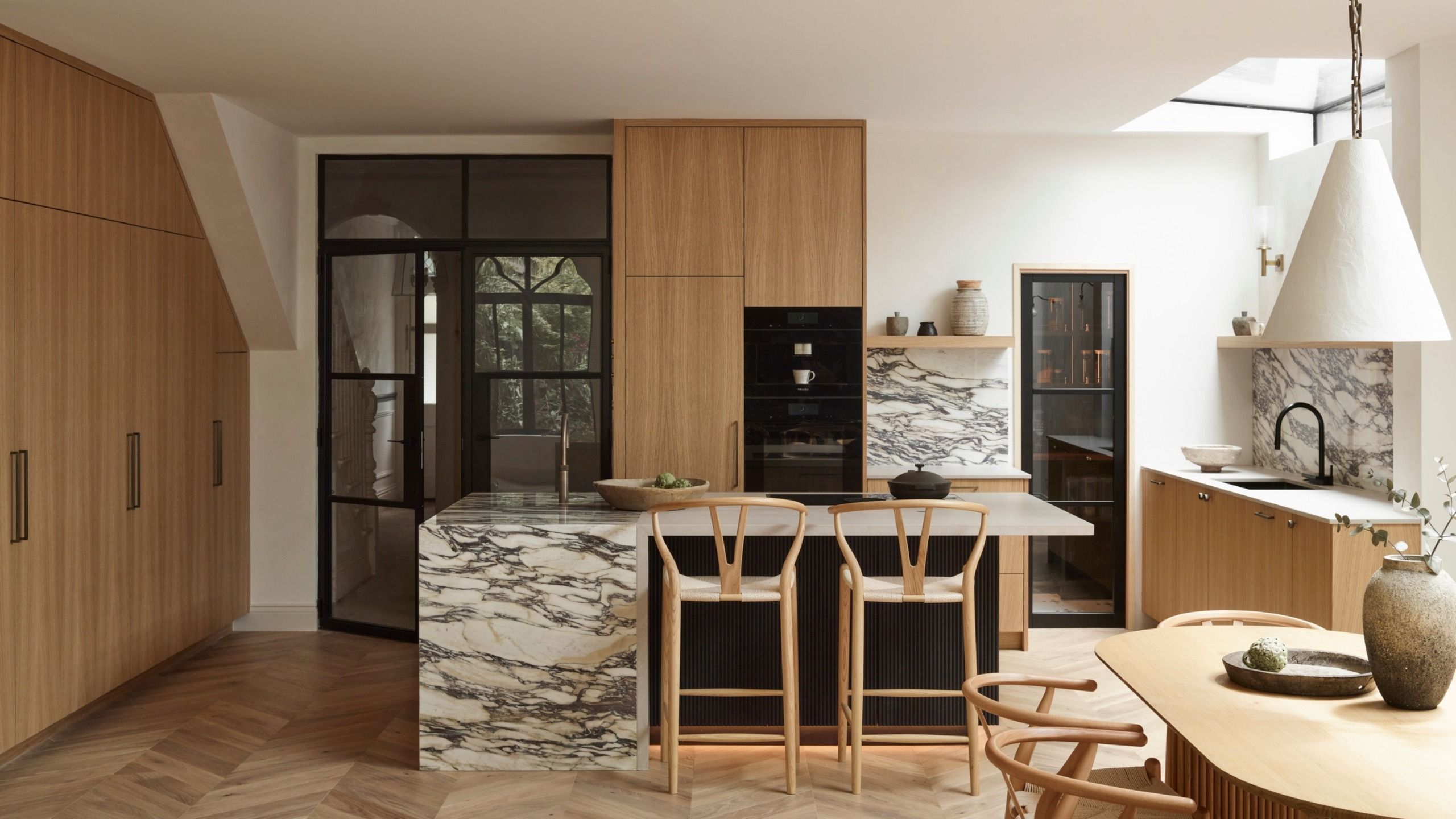
When selecting kitchen lighting, it’s essential to choose fixtures that interact well together, allowing independent operation. Alex Main stresses the need for controllable lights to shift the kitchen's atmosphere from cooking to dining seamlessly. Melissa Klink suggests dimmer switches to enhance evening gatherings.
### Ideal Light Color and Fixture Coordination
For kitchens, cooler white lights with a Kelvin rating of 3,000 to 4,500 are preferred. Warmer lighting is more suitable for living spaces. Karan Main advises that while the primary lighting must be functional, creating soft accent areas is also necessary for socializing.
Finally, kitchen light fixtures need not match precisely but should exhibit a cohesive look. Karan Main suggests that eclectic designs can still harmonize in tone, while those preferring symmetry might choose identical finishes for fixtures and hardware.