Lighting in kitchens often defaults to a grid pattern, usually comprised of evenly spaced recessed lights. While this method aims for a consistent light source, experts argue it fails to effectively illuminate work surfaces where most activities occur.
Luke Thomas, design director at John Cullen Lighting, emphasizes that planning kitchen lighting is critical to creating a functional and inviting space. He advises considering lighting placement early in the kitchen design process to ensure task areas are well lit.
Matthew Tirschwell, founder of Tirschwell Lighting Design, criticizes the grid method for not addressing the unique lighting needs of various surfaces. He highlights that while the floor receives abundant light, it is not where kitchen tasks are performed. This misplacement results in shadows and insufficient illumination on counters, which undermines the space's functionality.
Southern California designer Huma Sulaiman points out that a flat grid of identical downlights lacks character and can render a kitchen sterile. With such design oversights, the aesthetic and working function of the kitchen suffer.
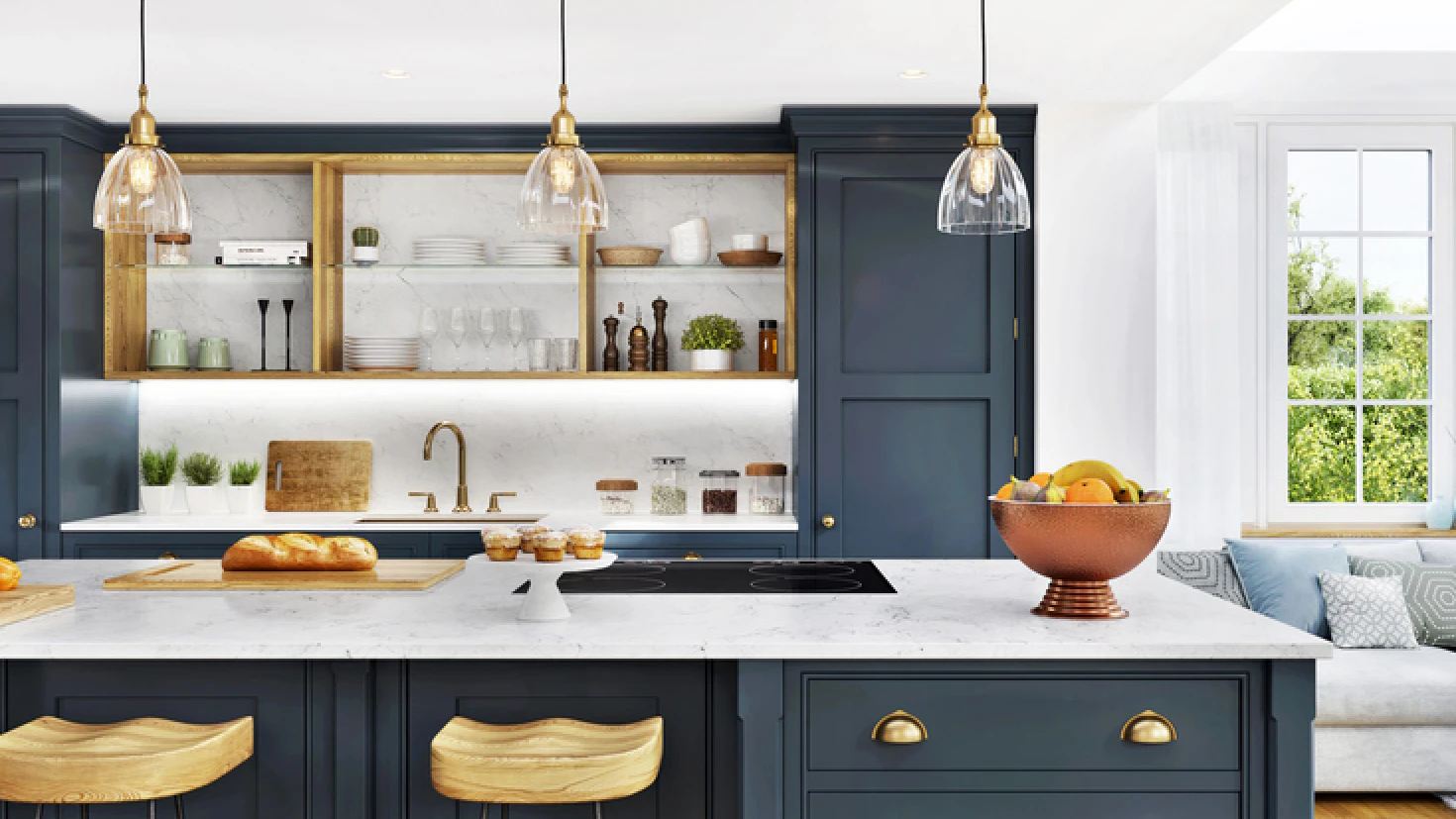
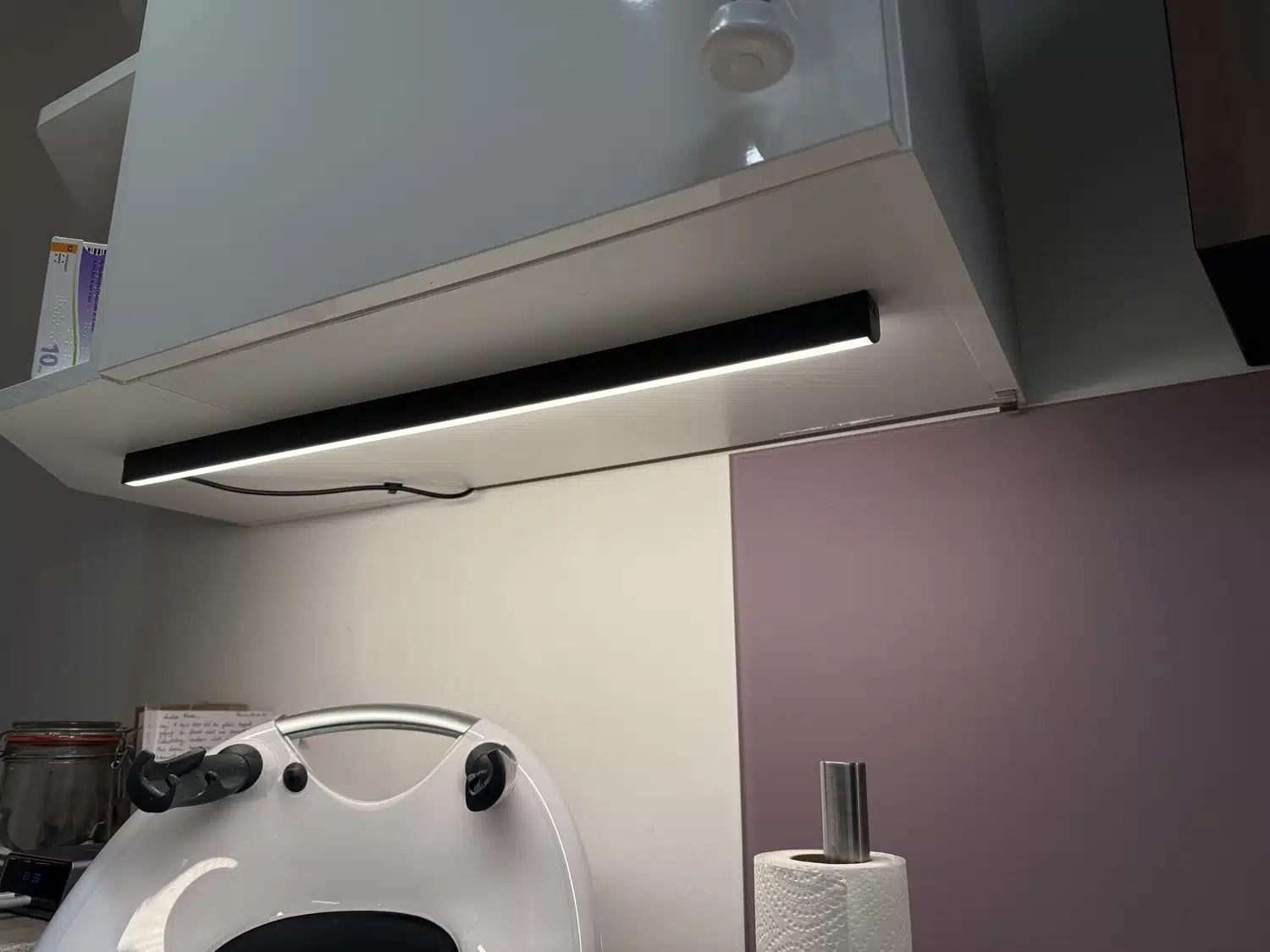
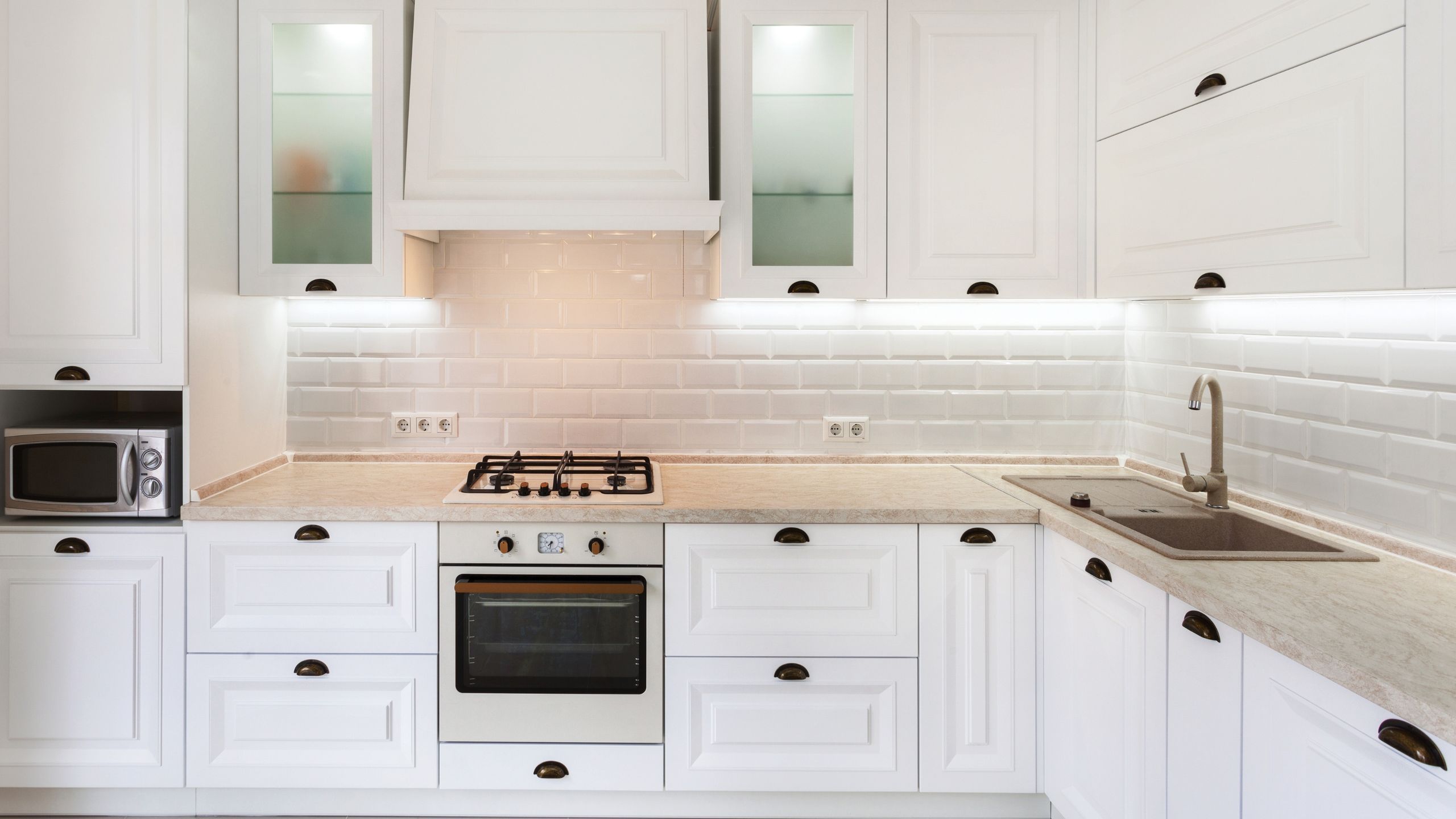
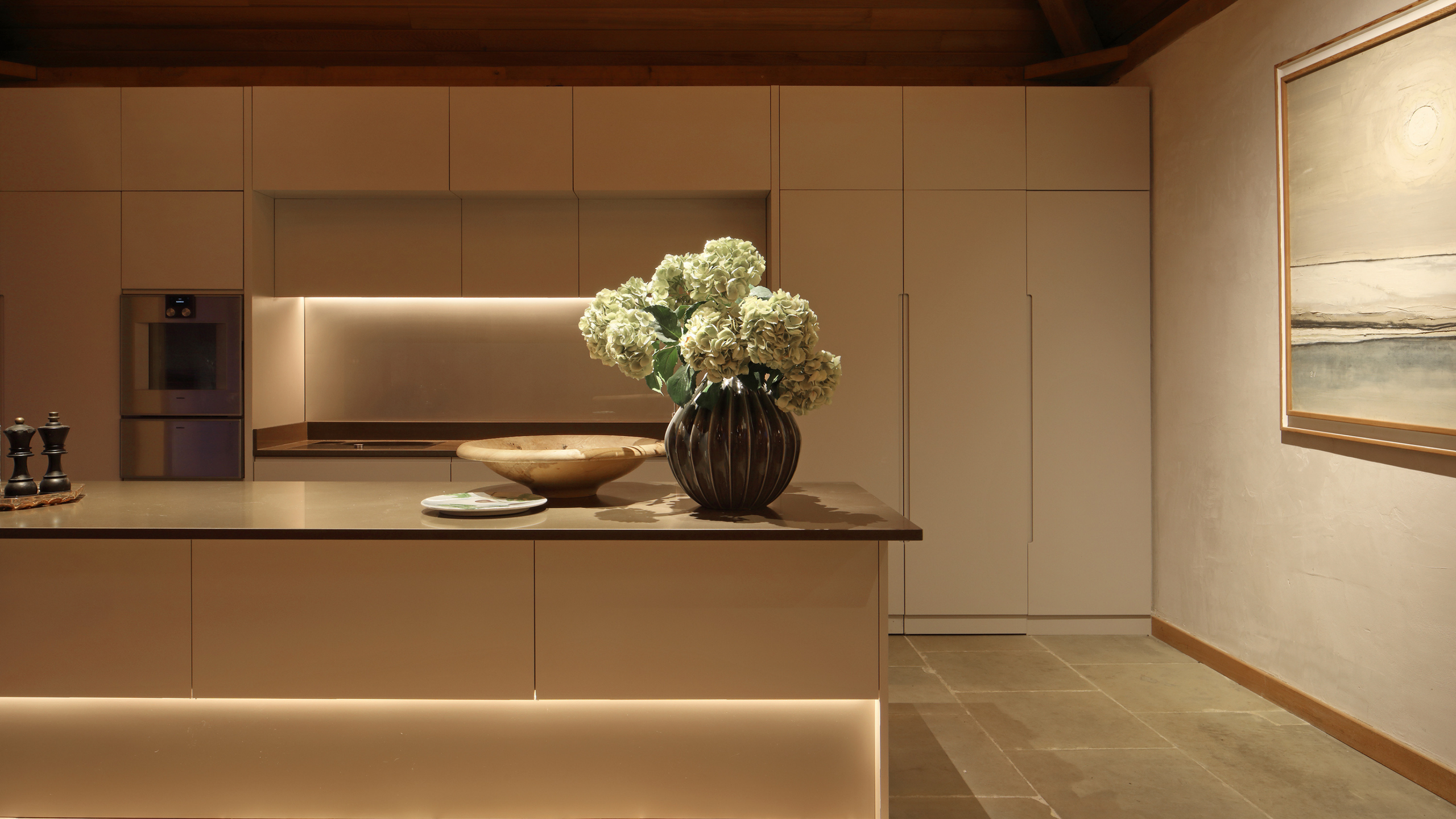
Experts suggest alternatives that enhance both usability and style. Instead of standard grid lighting, they recommend strategically placing lights above countertops and work areas. For instance, installing under-cabinet LED lights can provide focused illumination without detracting from the overall design. Matthew also notes that it is essential to diffuse the light to avoid reflections from polished surfaces.
Nathan Orsman from Orsman Design supports the use of recessed fixtures to maintain a clean ceiling line while ensuring proper light placement directly over task areas. He cautions that poor placement can create unwanted shadows.
To add versatility, lighting should be categorized and assigned to different circuits, allowing varying atmospheres for different times of the day. Dimmers are also recommended to provide adjustable lighting options, making the kitchen more adaptable.
A diverse lighting design can optimize both aesthetics and functionality.
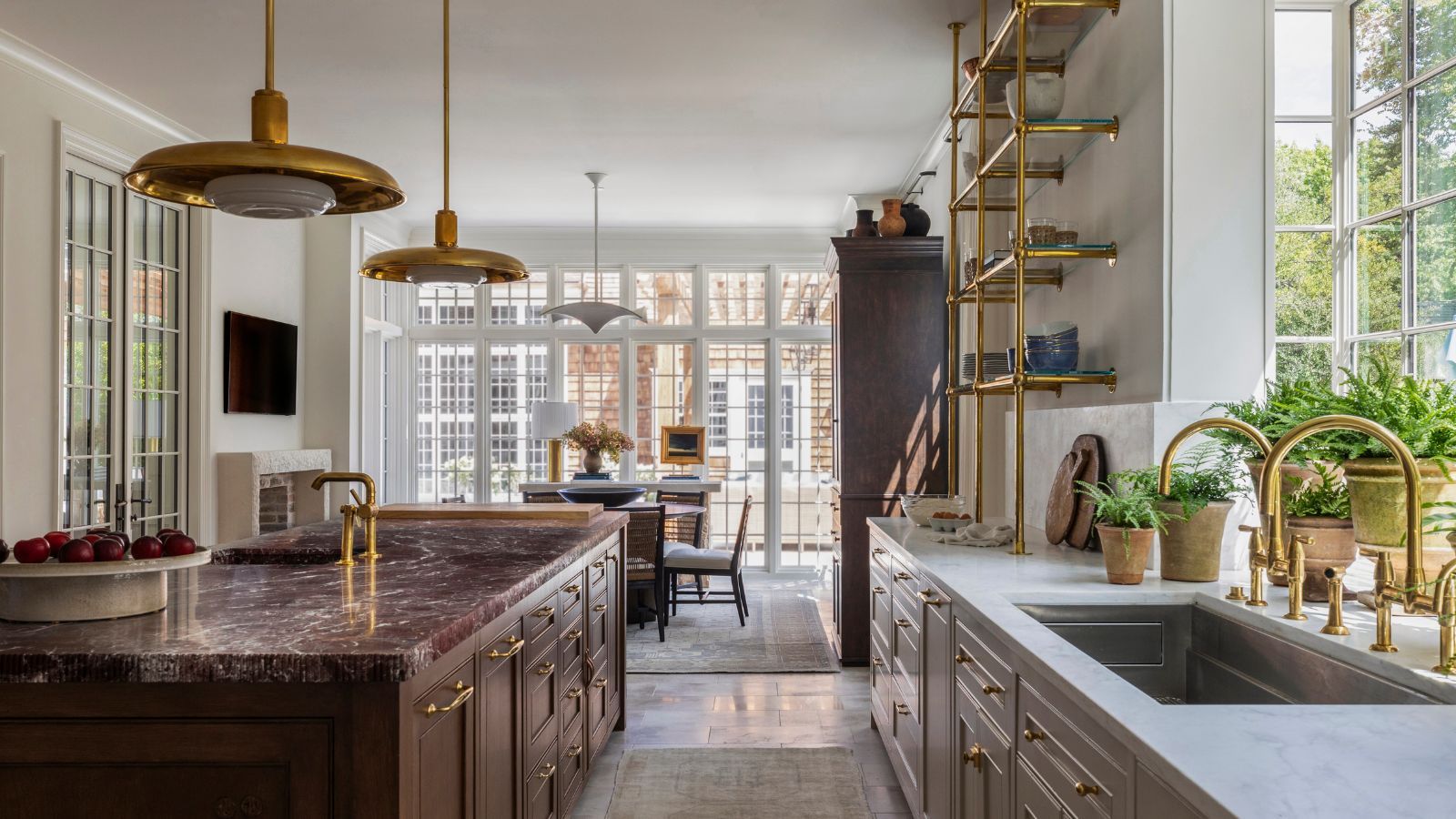
Experts suggest combining various fixtures, such as ceiling downlights for general illumination and decorative pendants above islands. Low-level lighting options, such as uplights or LED strips beneath cabinetry, can enhance depth and warmth in the space.
For those looking to upgrade their kitchen lighting, recommendations include:
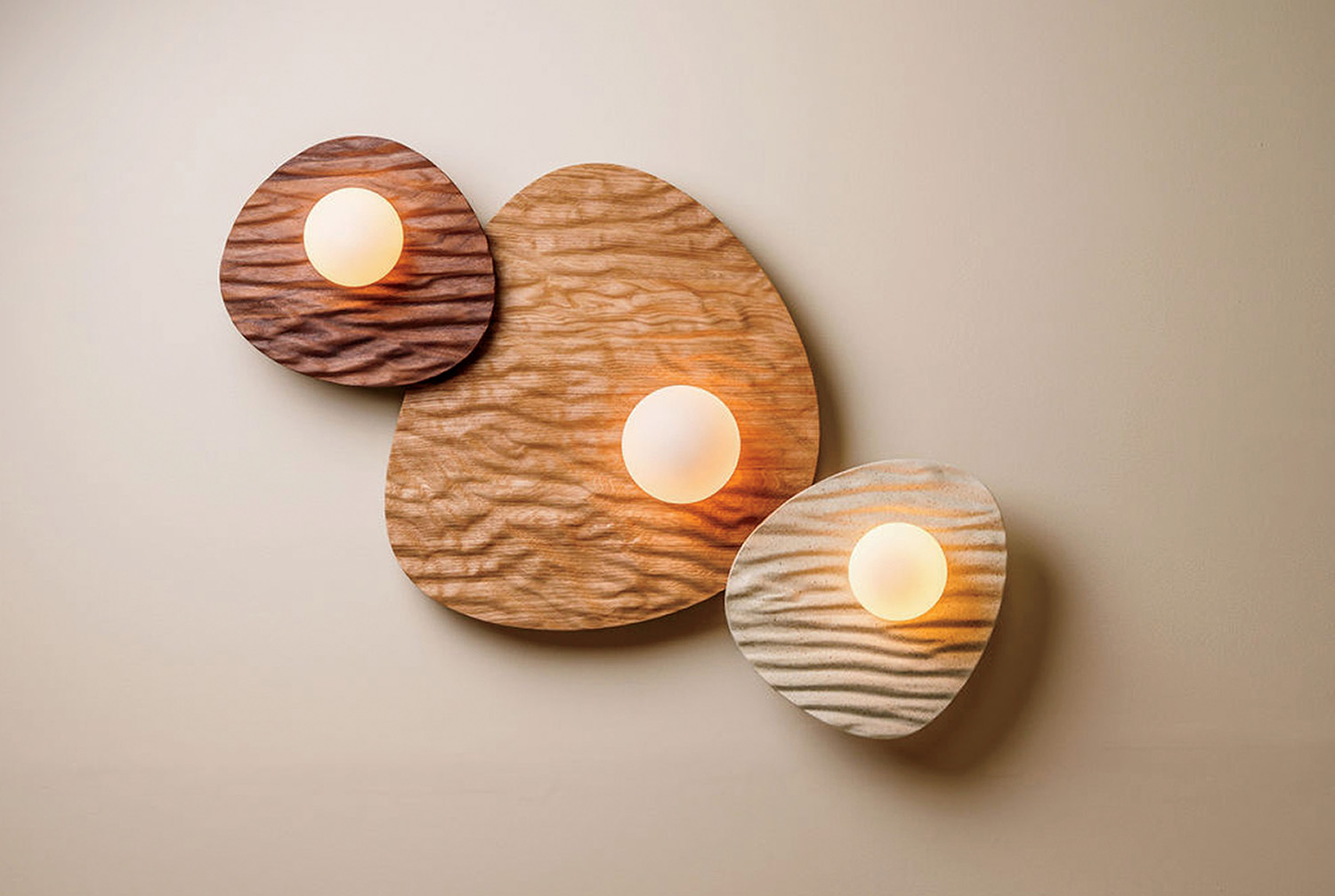
- Wall lights for combining task and decorative functions around counters.
- Under-cabinet lights for powerful yet subtle illumination.
- Trimless downlights that blend seamlessly into the ceiling.
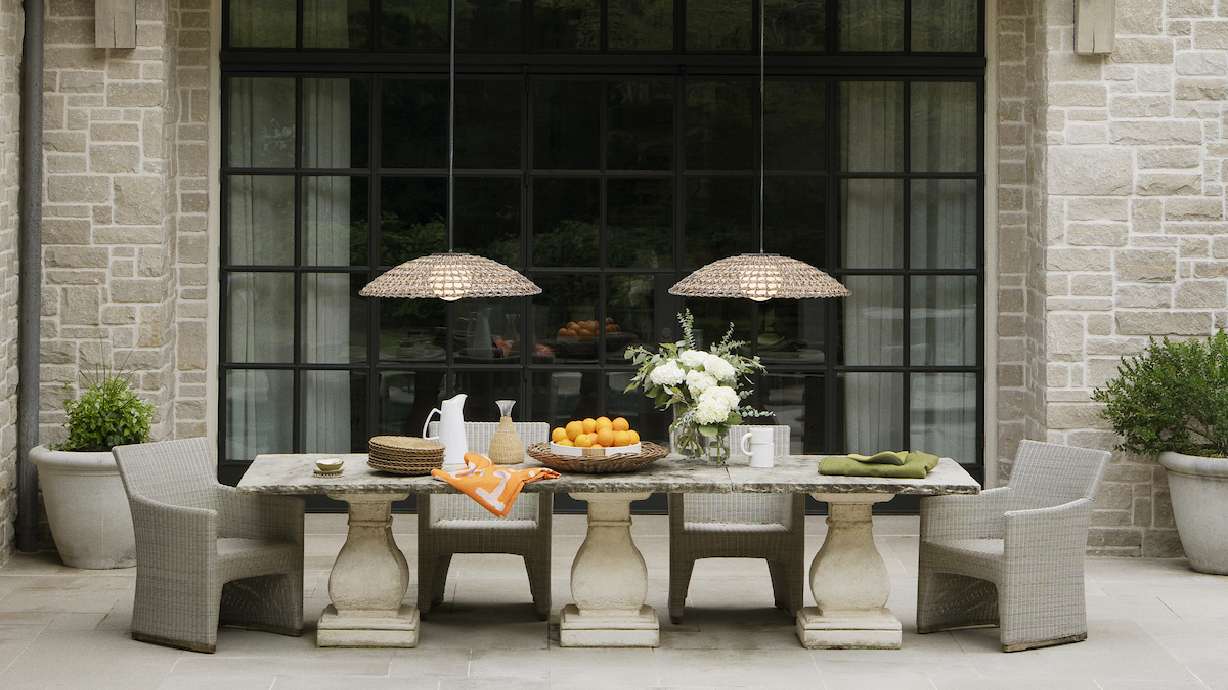
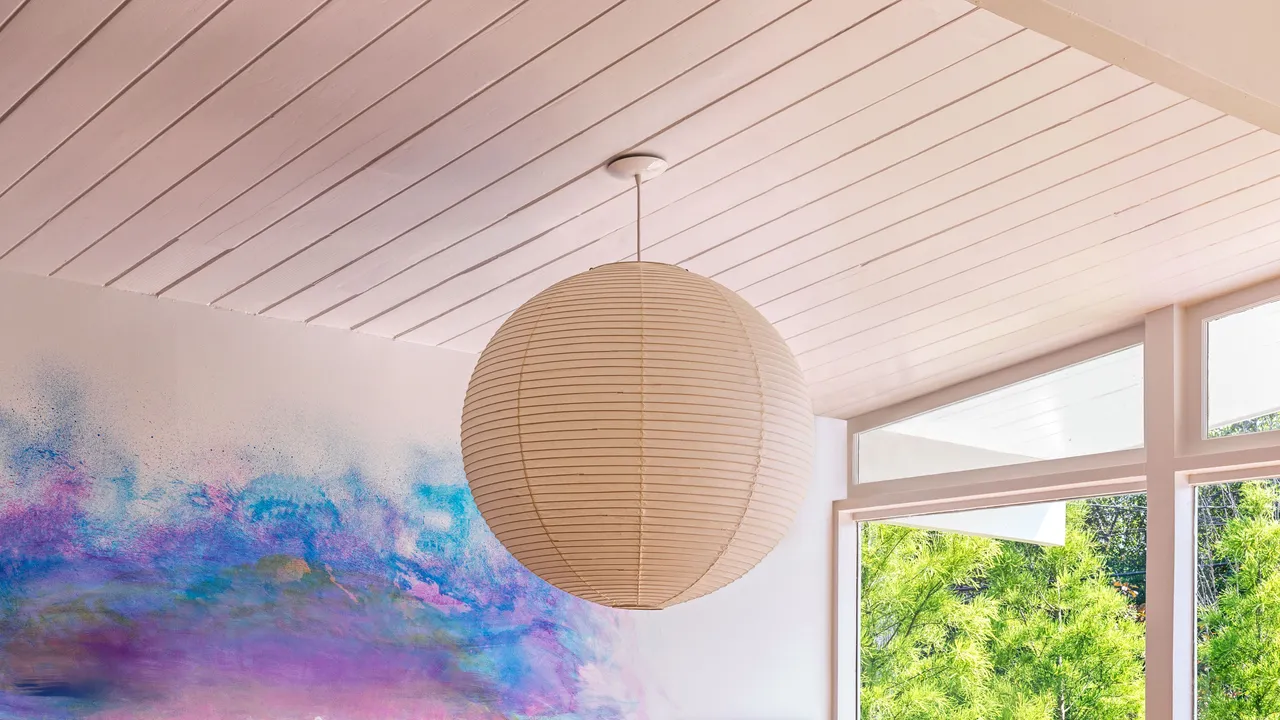
- Stylish pendant lights for visual interest above kitchen islands.
With thoughtful planning and design, kitchens can transition away from harsh, grid-like lighting to more dynamic and appealing lighting options.