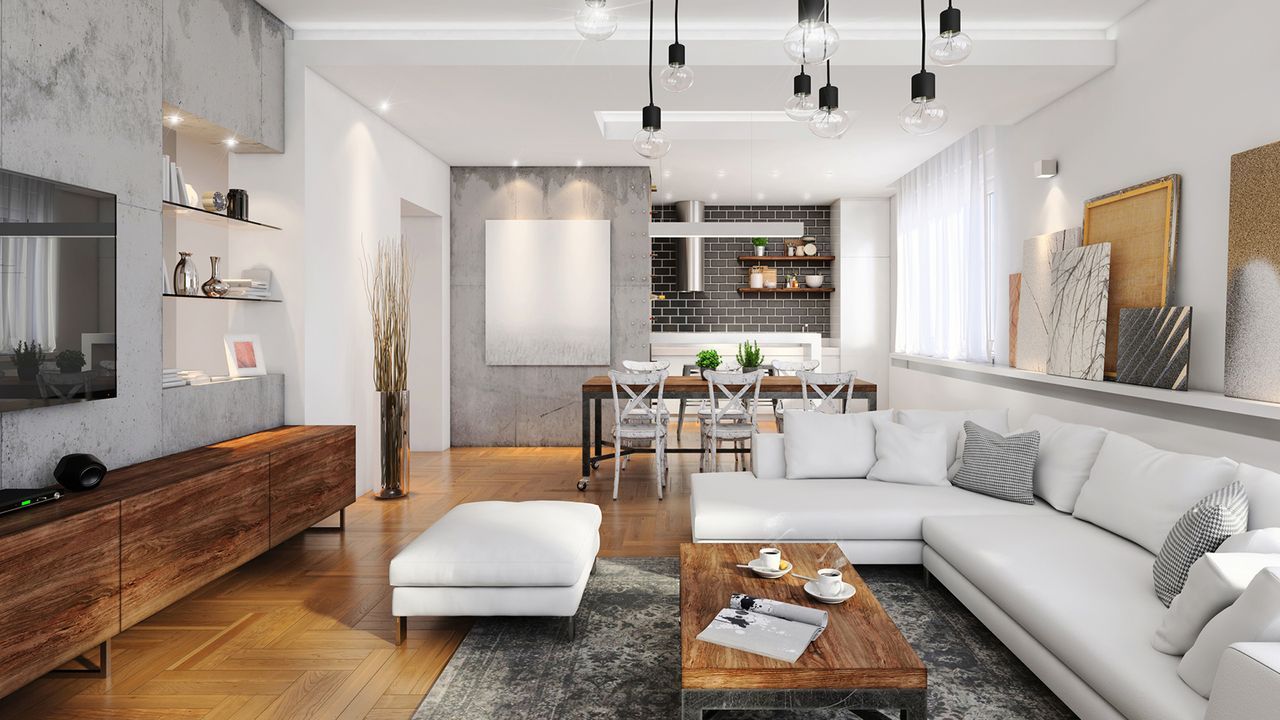
Proper lighting can transform a living room by enhancing its ambiance, adding style, or creating a cozy atmosphere. Experts Arjun Rathi, Ali Baldiwala, Nikhil Paul, and Sachin Gupta offer valuable insights on choosing the right lighting scheme.
Types of Living Room Lighting
Arjun Rathi, lighting designer and founder of Arjun Rathi Design, identifies three primary types of lighting to consider:
1. **Ambient Lighting**: This provides overall illumination and sets the tone of the space. It includes natural light, spotlights, and fixed wall lights. Sachin Gupta explains that recessed ceiling lighting helps distribute light evenly across the room.
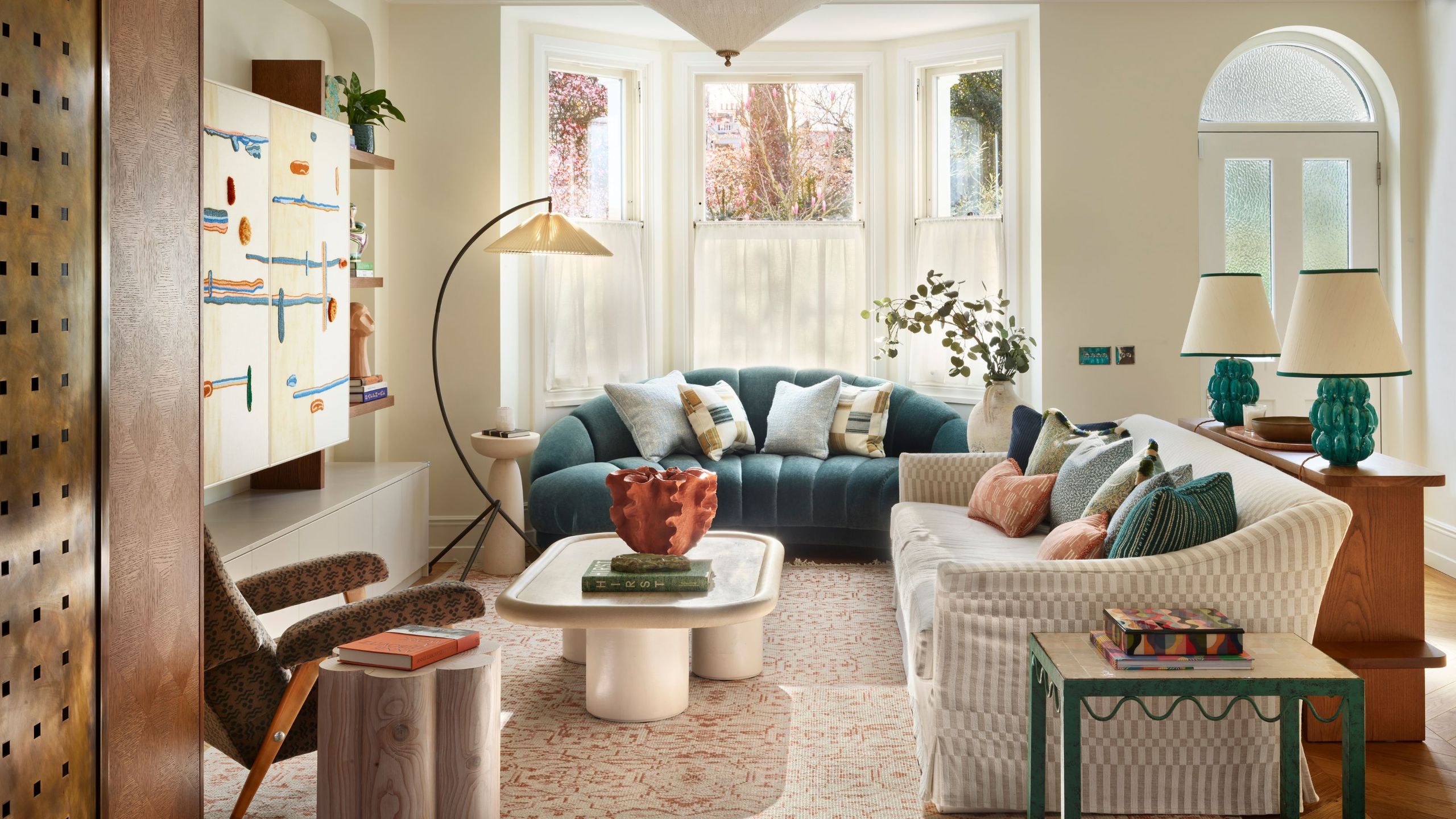
2. **Task Lighting**: This focuses on specific areas for activities like reading or working. Options include table lamps, floor lamps, and movable wall lights. Gupta recommends placing such lamps near seating areas or in corners to enhance decor while serving functional purposes.
3. **Accent Lighting**: This highlights architectural features and important objects, such as artwork, using picture lights or niche lights. Gupta adds that decorative lights can also serve as accent pieces on bare walls.
Planning Ambient and Direct Lighting
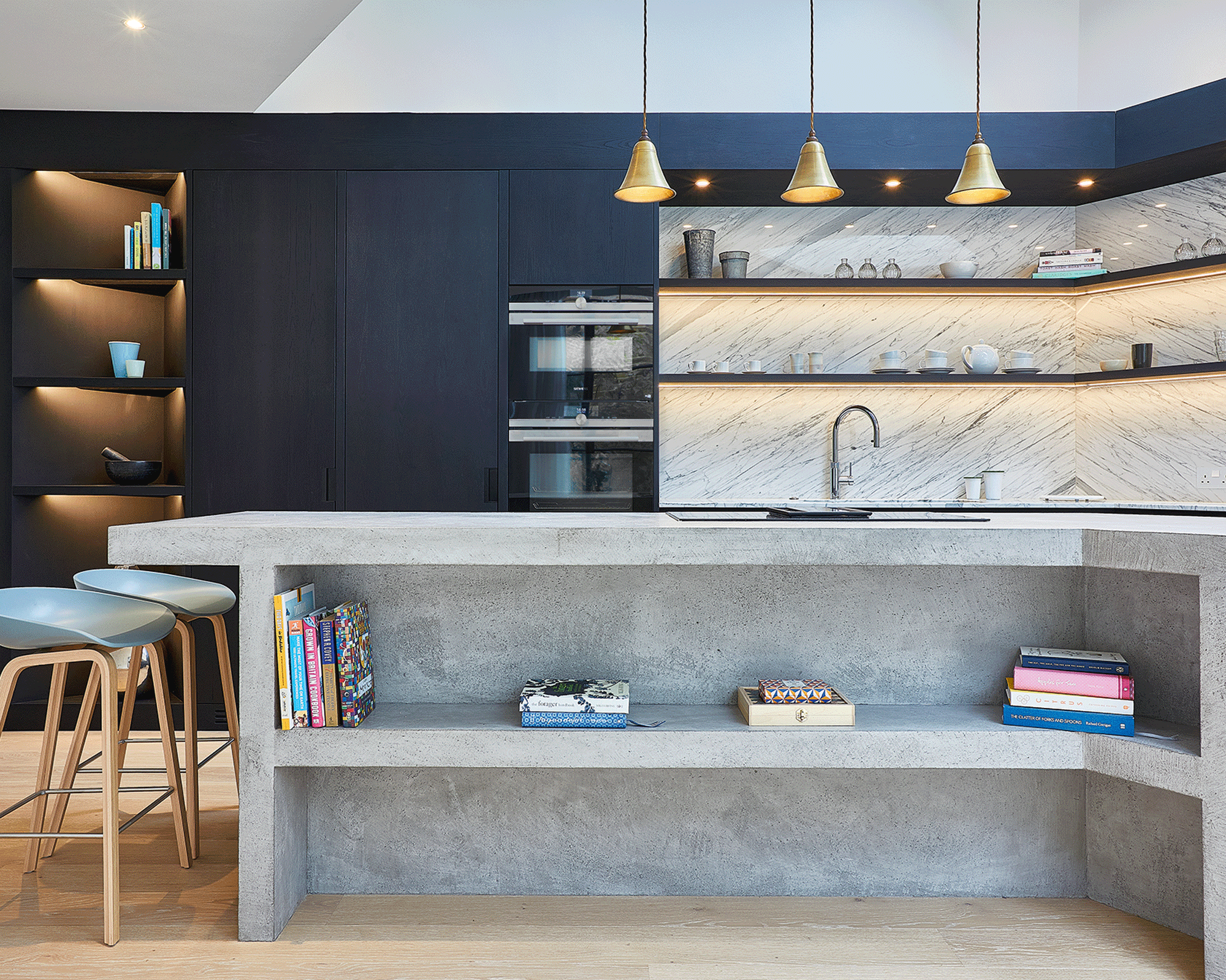
Direct lighting, often provided by downlight fixtures like spotlights, helps highlight specific architectural elements. Ali Baldiwala, architect and founder of Baldiwala Edge, notes that many spotlights or downlights can rotate and contribute to a layered look, adding depth to the room. He advises consulting a lighting professional for balance and technical aspects like lumen output.
For ambient lighting, various fixtures such as cove lights, strip lights, table lamps, and chandeliers can be used. Baldiwala emphasizes that ambient lighting is crucial for mood-setting, particularly when light automation isn’t available, and suggests that often less is more in this regard.
Key Considerations for Living Room Lighting
Rathi suggests six essential factors to keep in mind:
1. **Layered Lighting**: Combine ambient, task, and accent lighting for depth.
2. **Dimmers**: Install dimmer switches to adjust lighting and moods throughout the day.
3. **Energy Efficiency**: Opt for energy-efficient options like LED bulbs to save on costs.
4. **Functionality**: Tailor lighting to key activities in the living room, such as reading or socializing.
5. **Bulb Choice**: Select bulbs that match the desired color temperature and brightness; warm white (around 2700K) creates a cozy atmosphere, while cool white (around 4000K) feels more energetic.
6. **Placement**: Strategically position fixtures to minimize glare and shadows, avoiding common pitfalls like placing a floor lamp near a TV screen.
Choosing a Chandelier or Statement Light
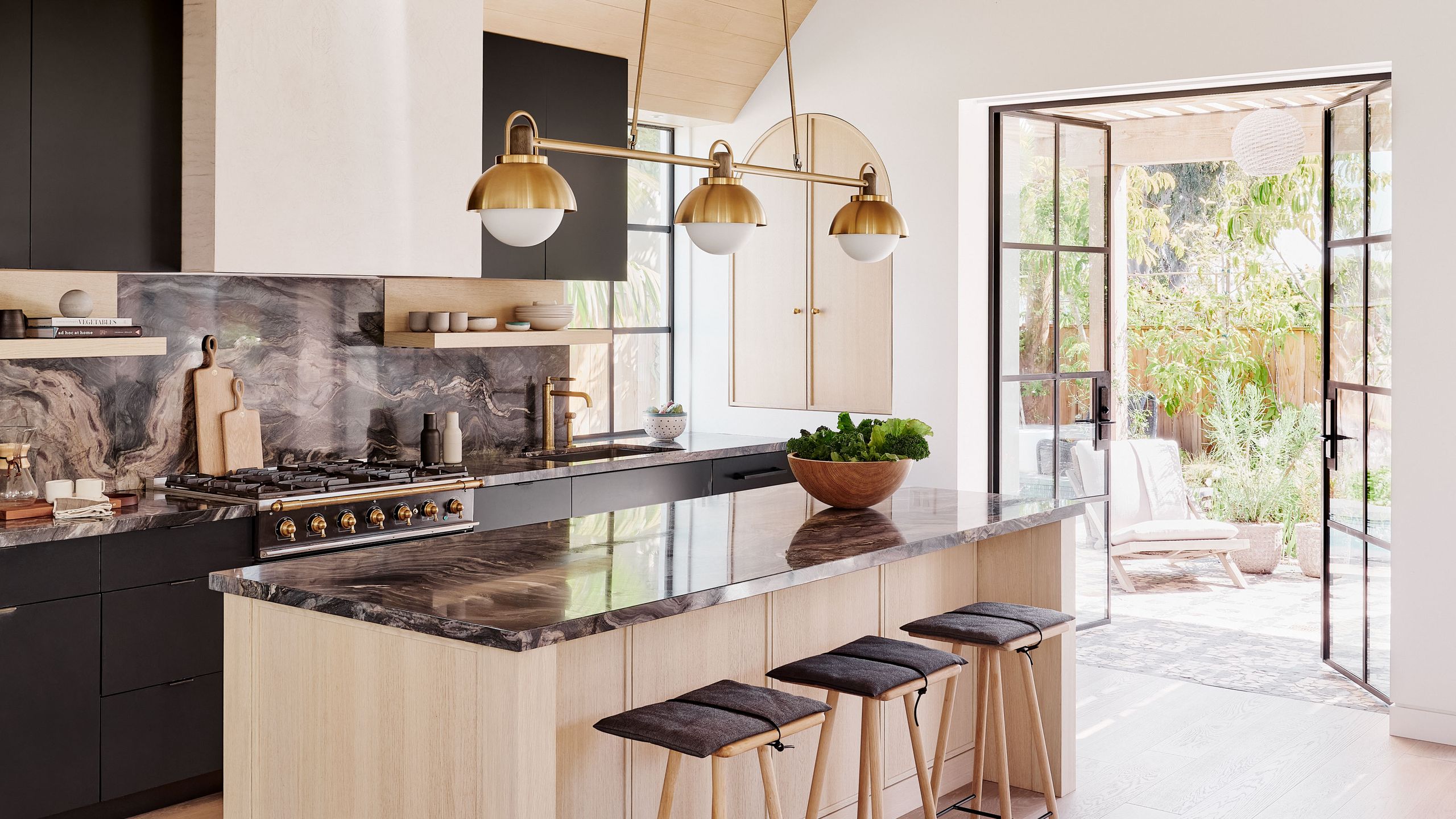
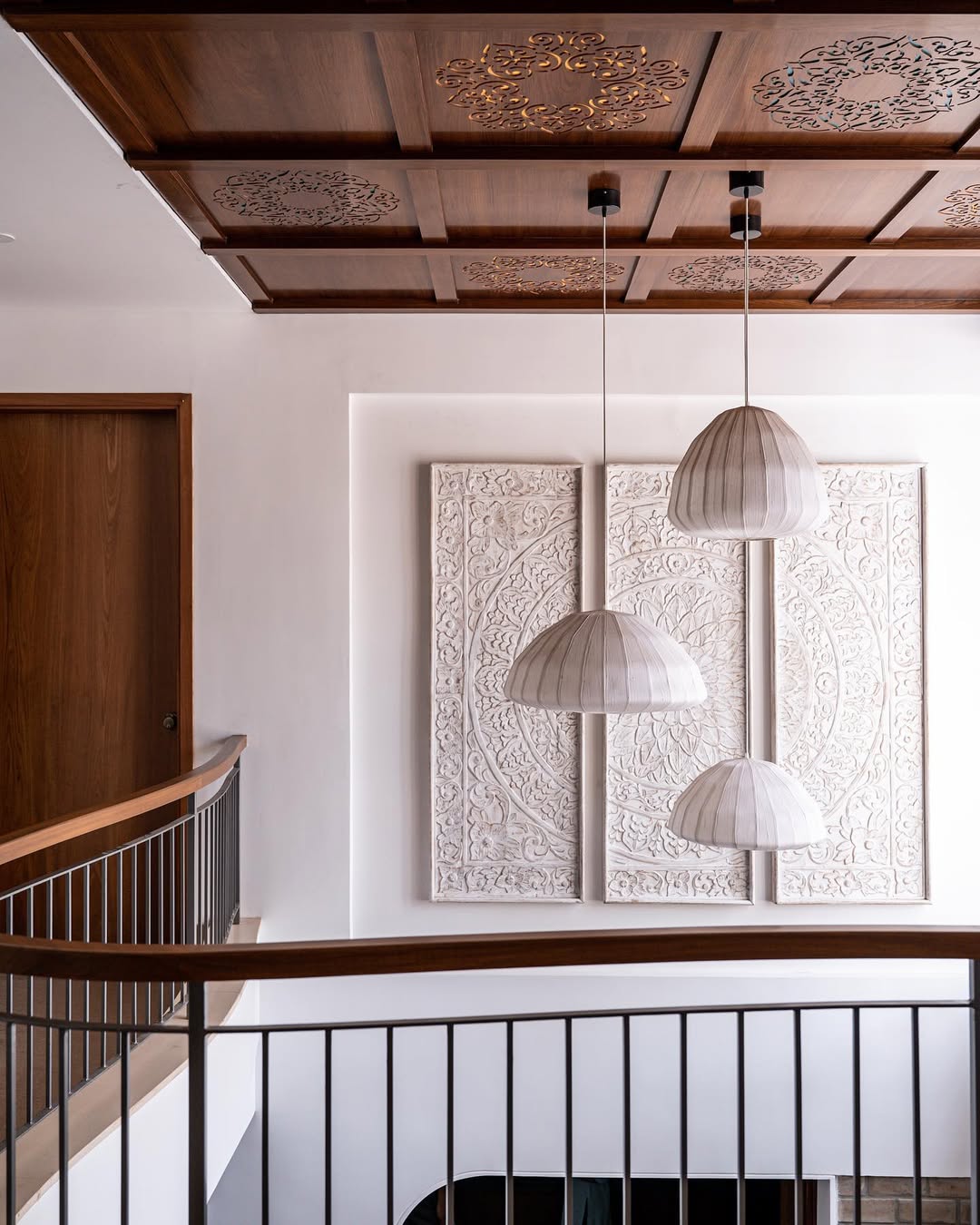
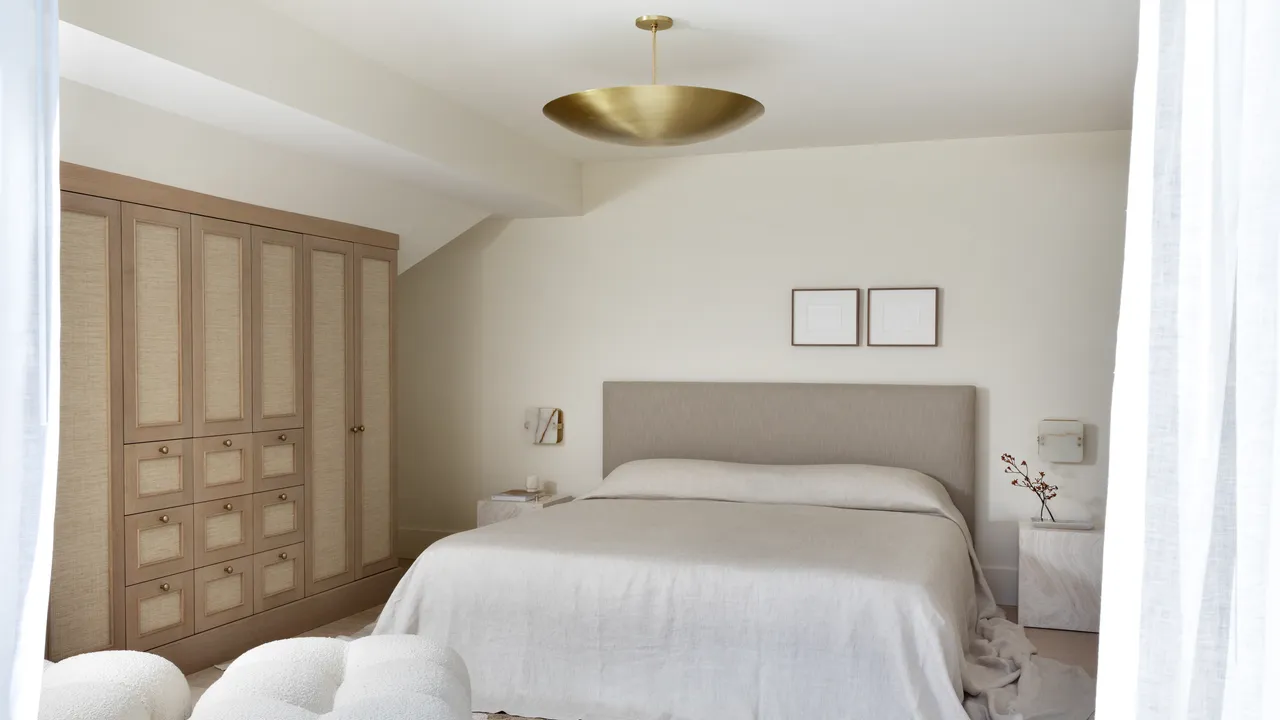
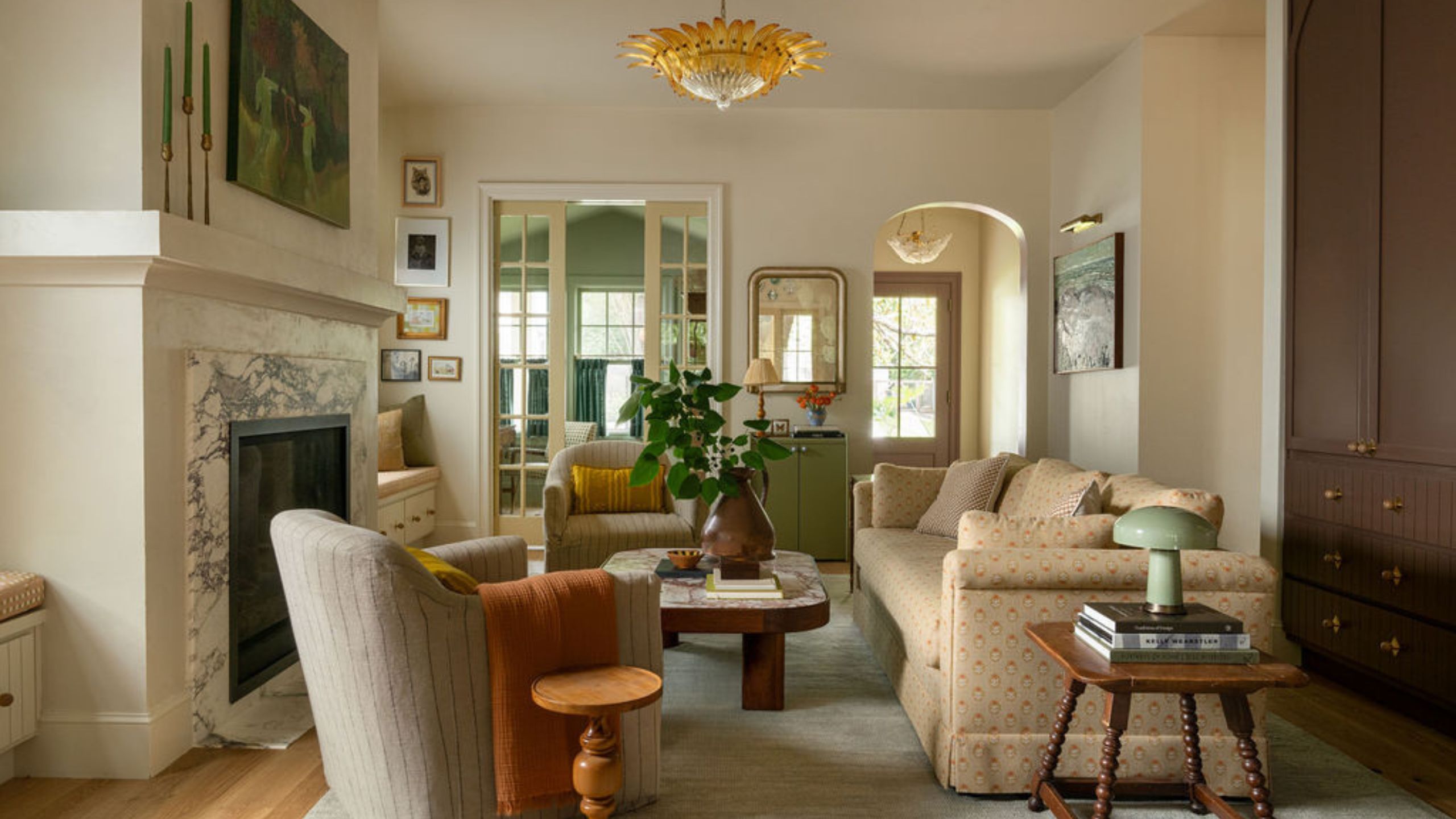
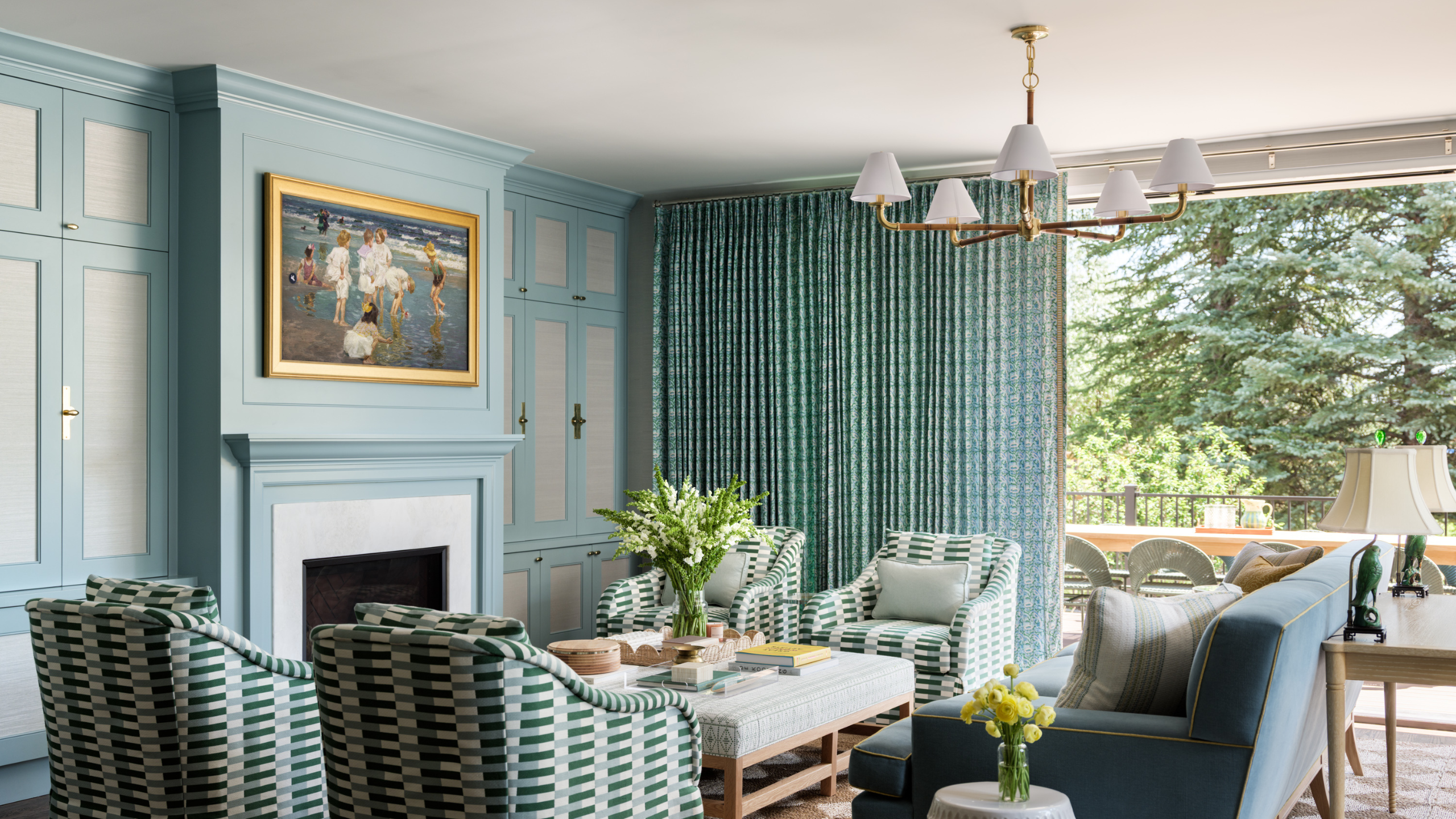
For statement lighting, Gupta advises selecting designs that look attractive both when illuminated and unlit, enhancing drama in the space. He recommends scaling the size appropriately to the room and suggests that a chandelier’s style can contrast with room decor while still aligning thematically.
Setting Different Moods with Lighting
Nikhil Paul, creative director of Paul Matter, underscores the importance of natural light and its arrangement within the room. He suggests lighting should be adjusted for specific niches rather than uniformly across the space, using softer 'warm white' or 'soft white' bulbs for a pleasant effect. Paul also advocates for natural finishes and attention to sculptural details in lighting and furniture for added interest.