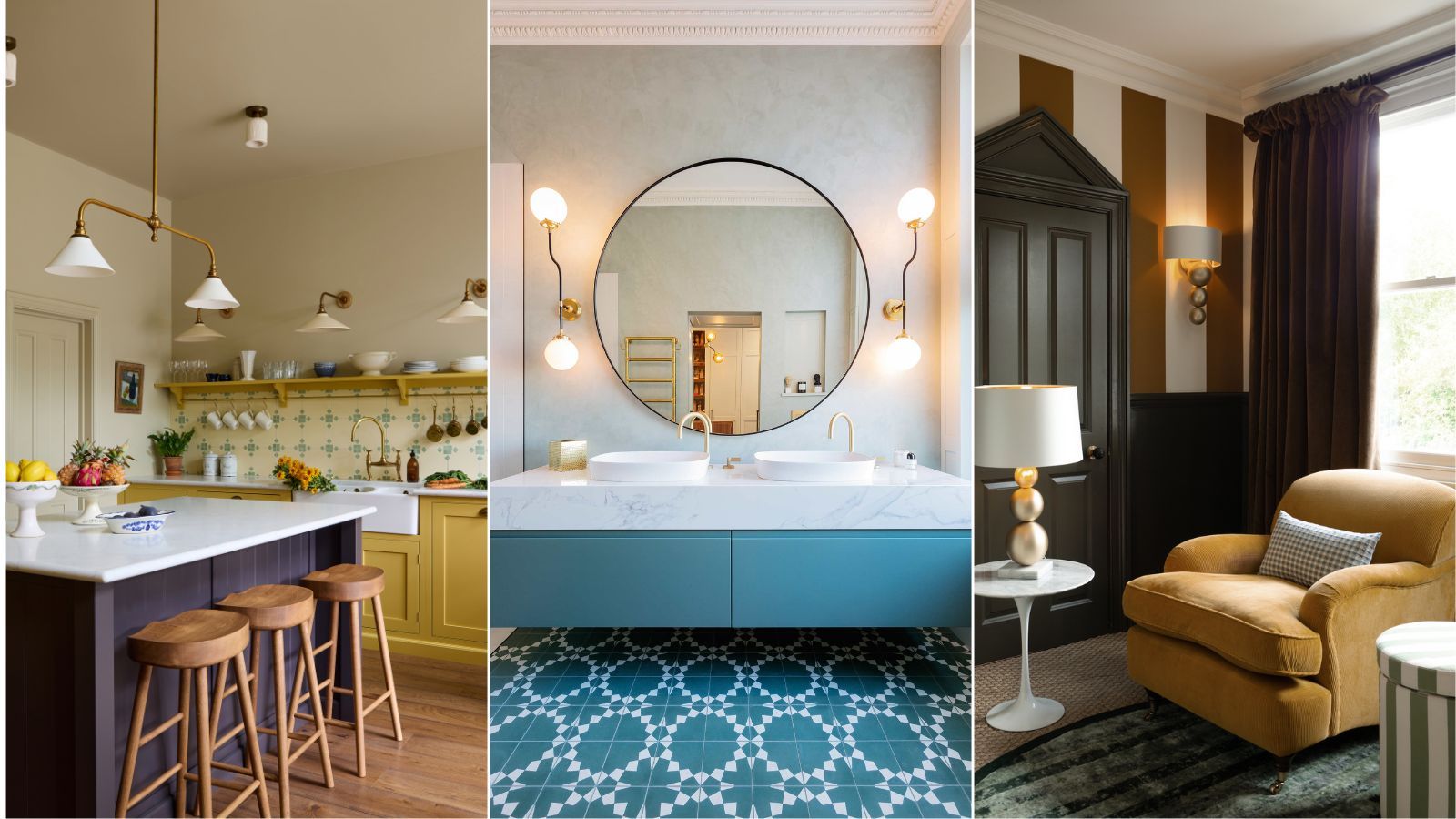
Layered lighting is essential for effective interior design, enabling a space to be functional, comfortable, and visually appealing. According to designer Laura Hammett, lighting plays a crucial role in defining the atmosphere of a room. It complements the furniture and adds balance, warmth, and depth.
To effectively layer lighting, consider the room's purpose and desired ambiance. Each room—from kitchens and bathrooms to bedrooms and living spaces—has unique lighting needs influenced by size and functionality. A successful layered lighting scheme combines three main types: ambient, task, and accent lighting. Ambient lighting serves as the primary light source for basic navigation, typically provided by ceiling fixtures.
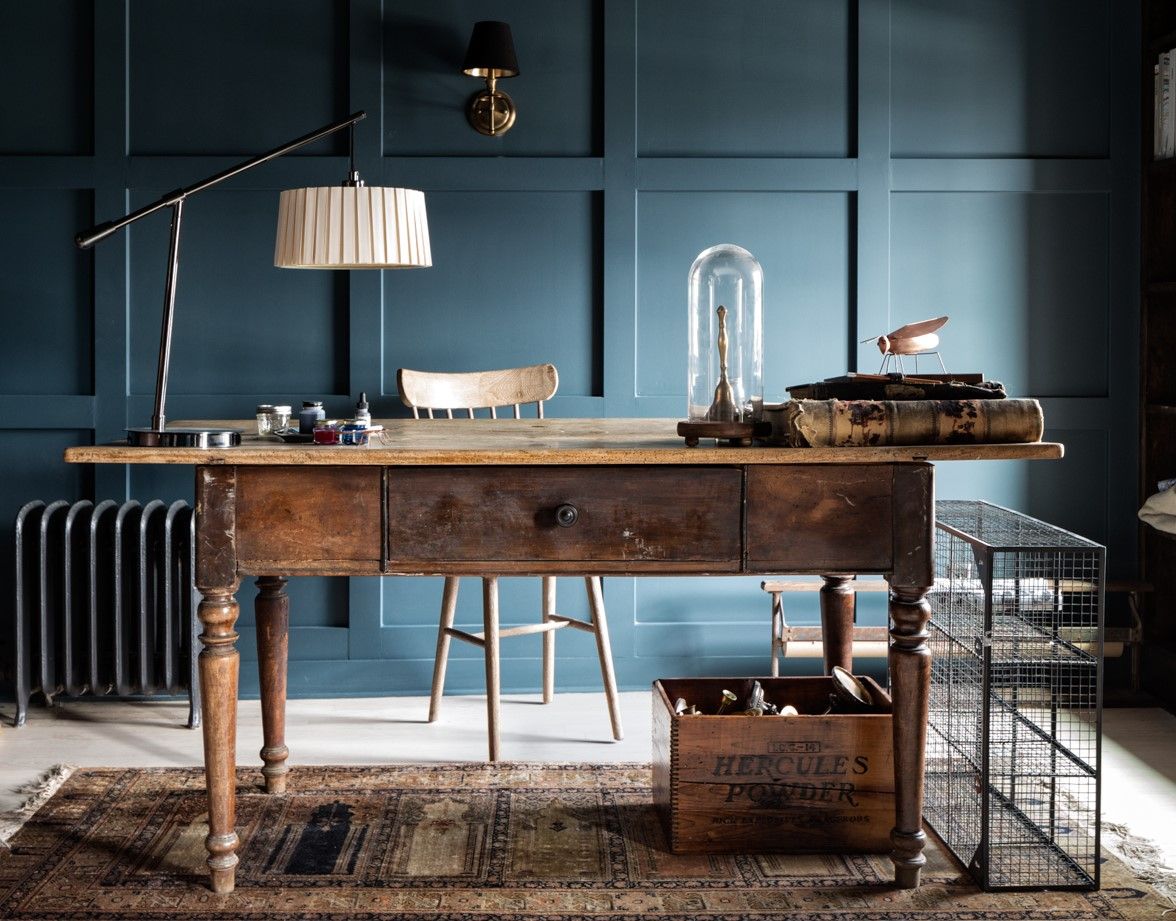
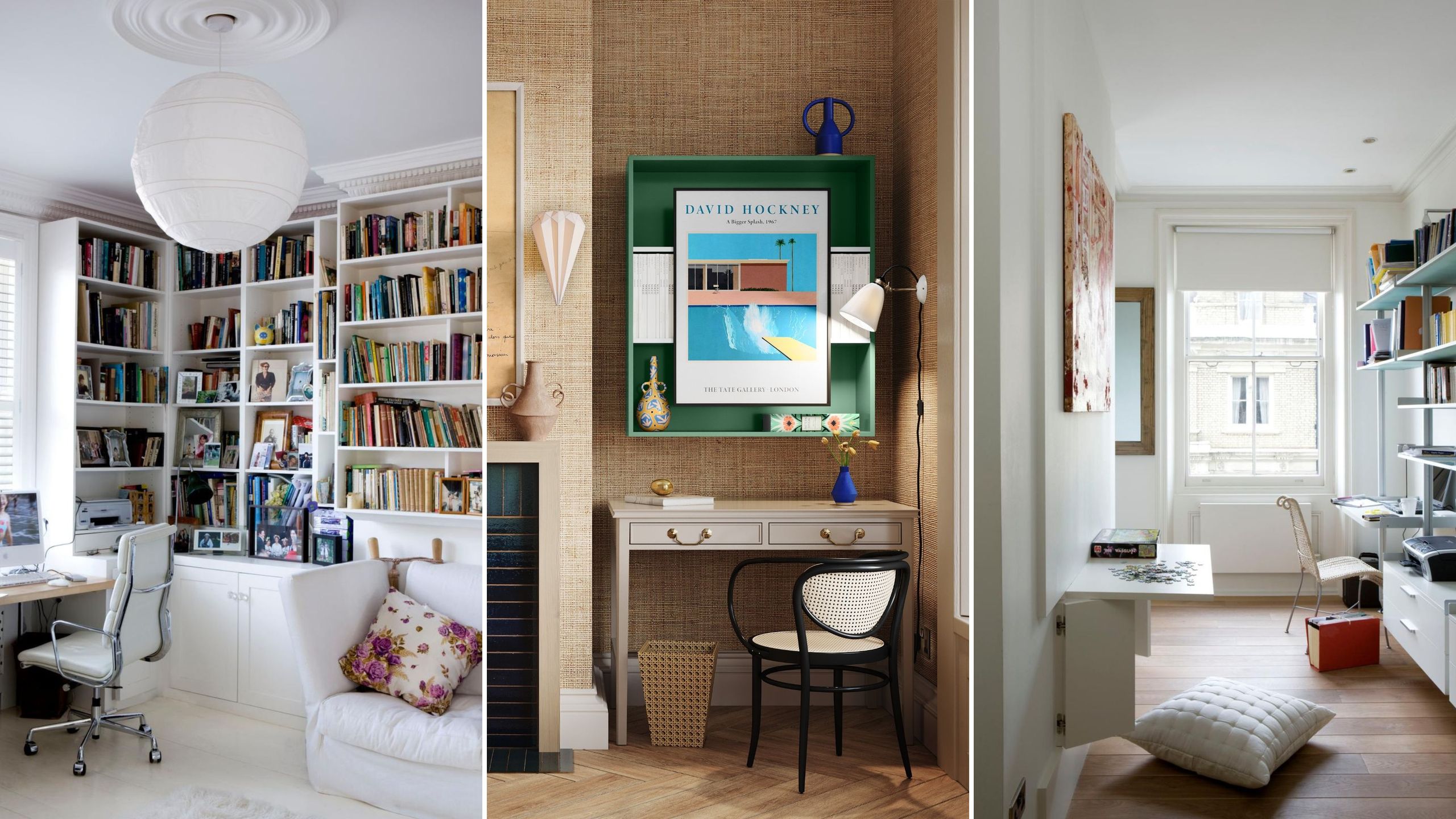
Task lighting assists in specific activities, such as reading or cooking, while accent lighting highlights decorative elements.
When planning a layered lighting scheme, start with ambient lighting to establish the base.
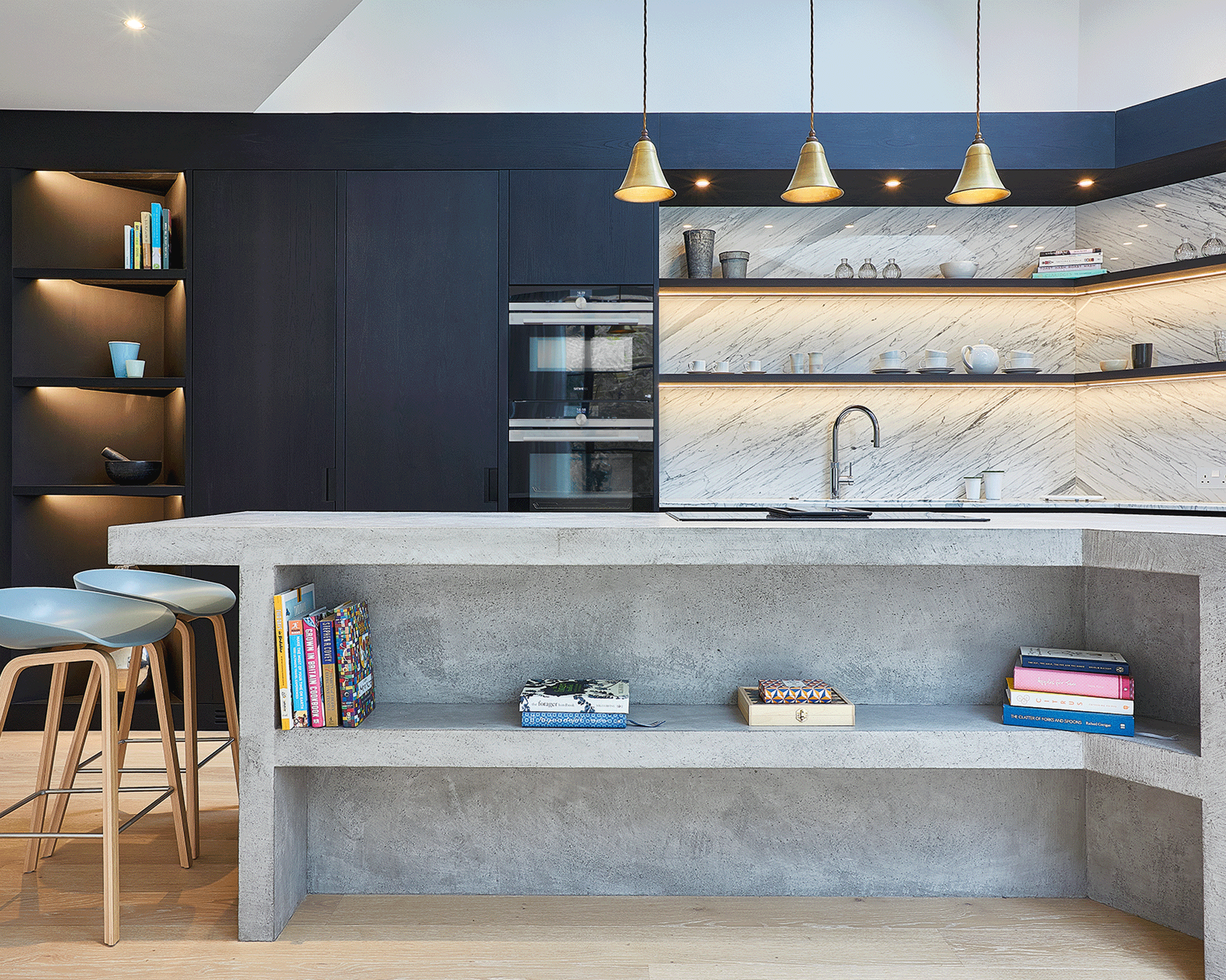
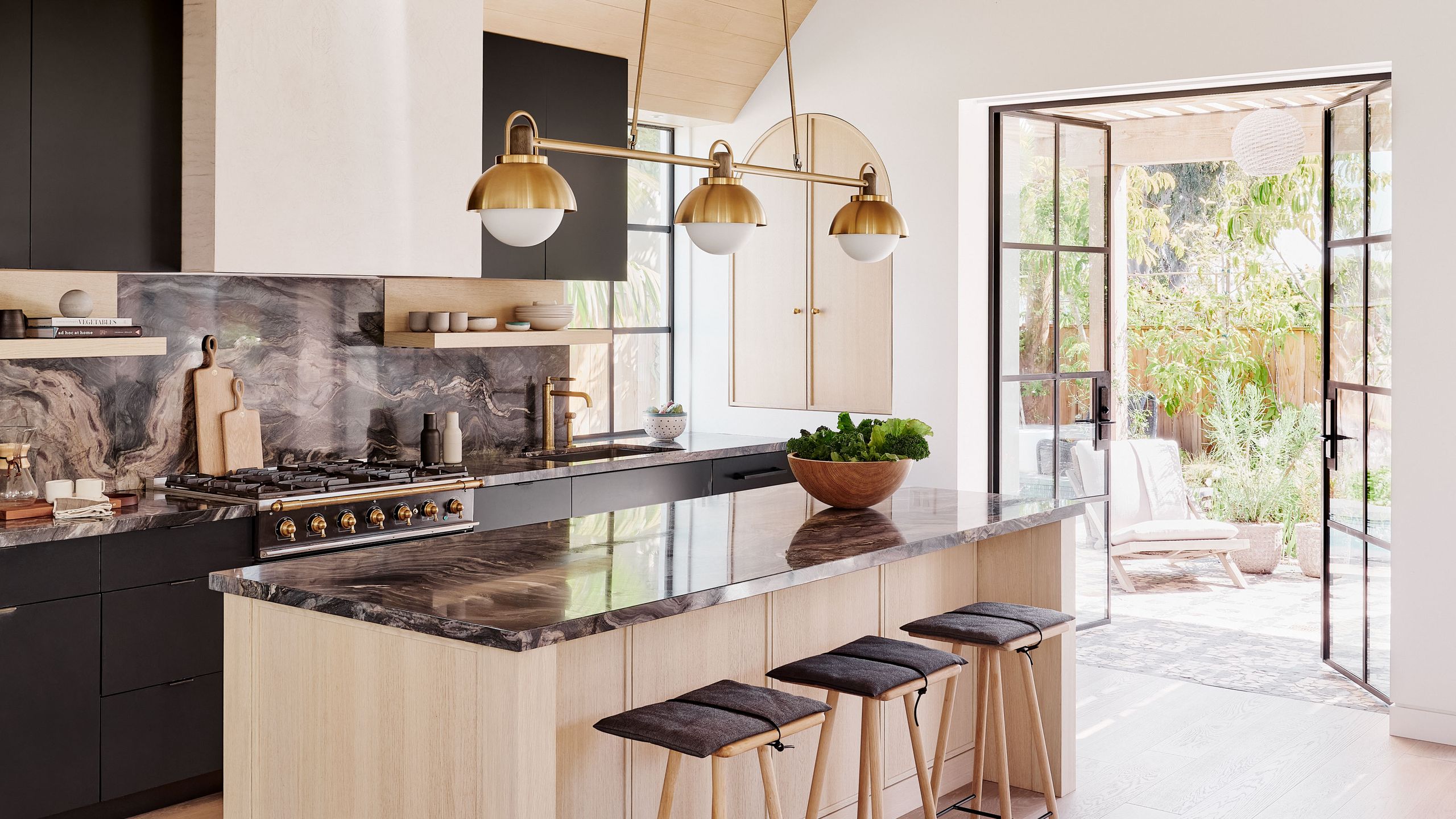
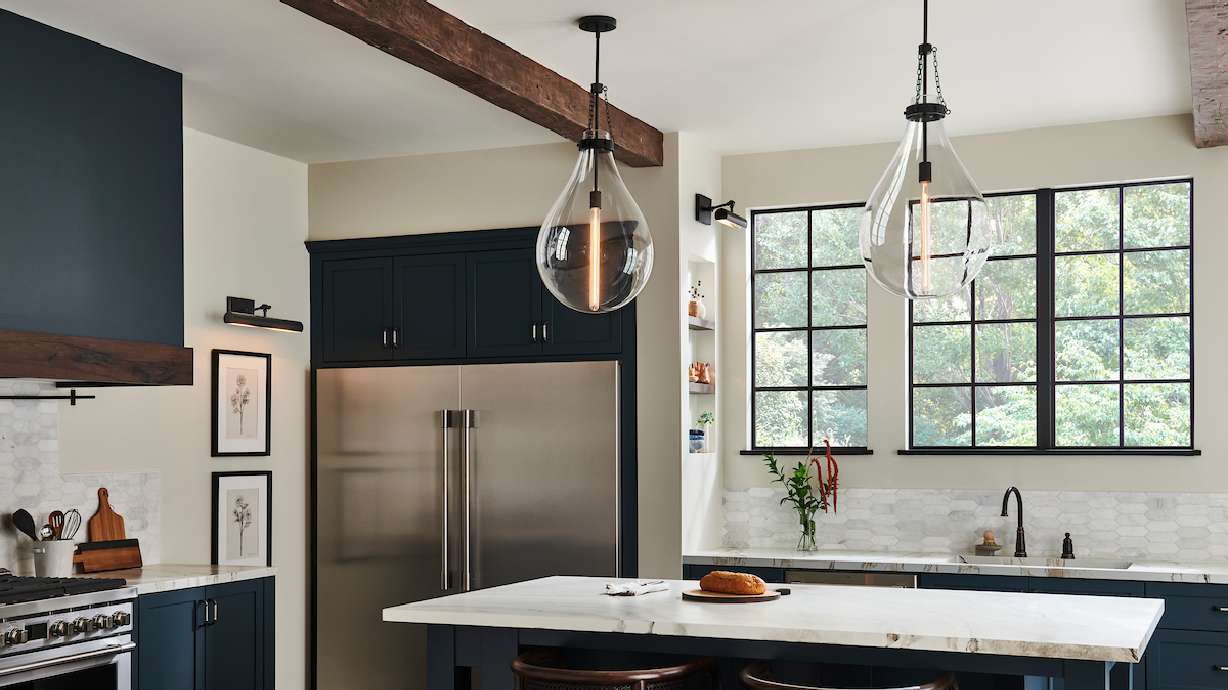
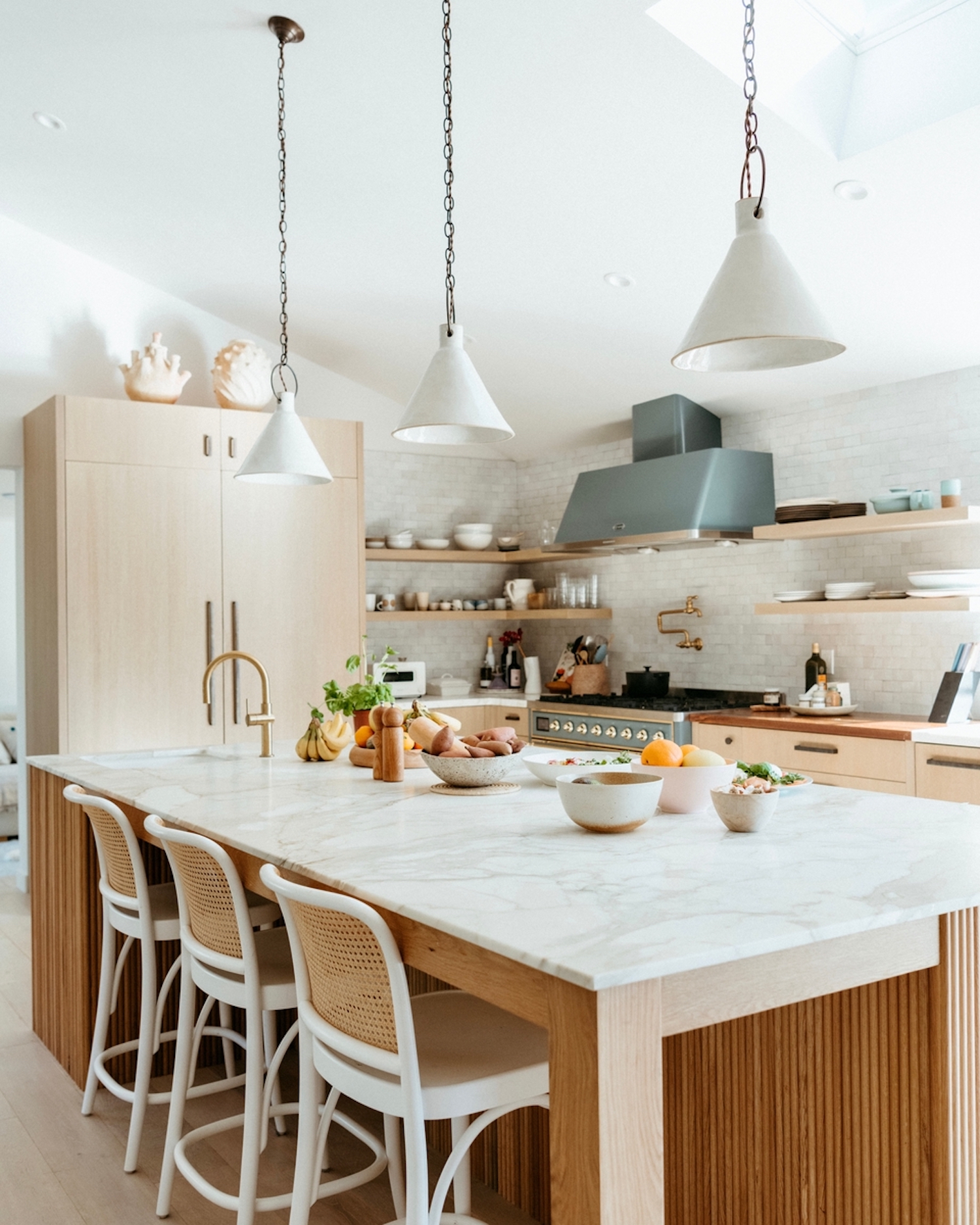
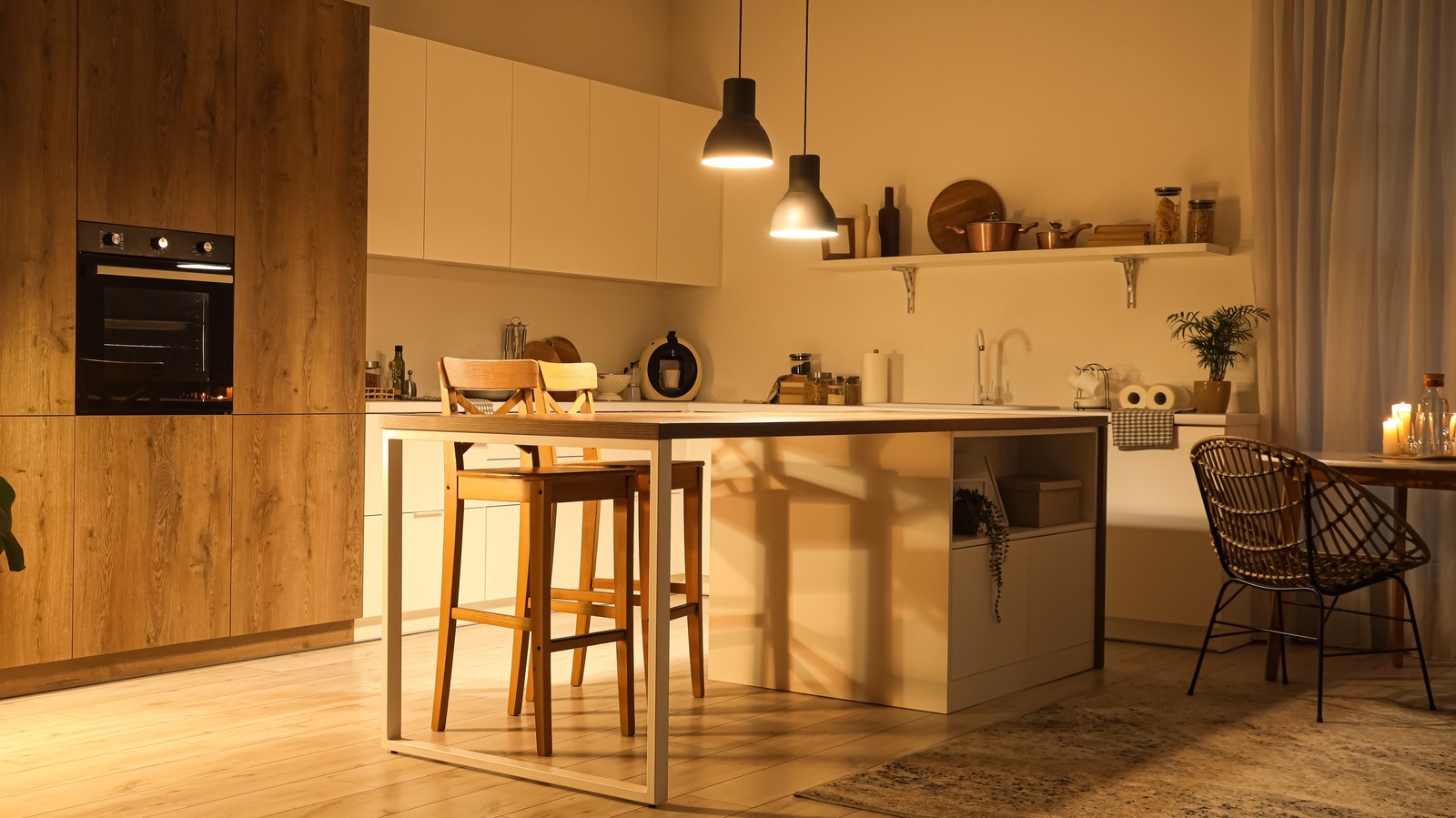
For example, in kitchens, combine spotlights and pendant lights to create a well-lit environment. Task lighting, such as under-cabinet lights, is also crucial for work surfaces. Additionally, incorporating accent lighting, like wall lights and cabinet lights, can elevate the kitchen's overall atmosphere.
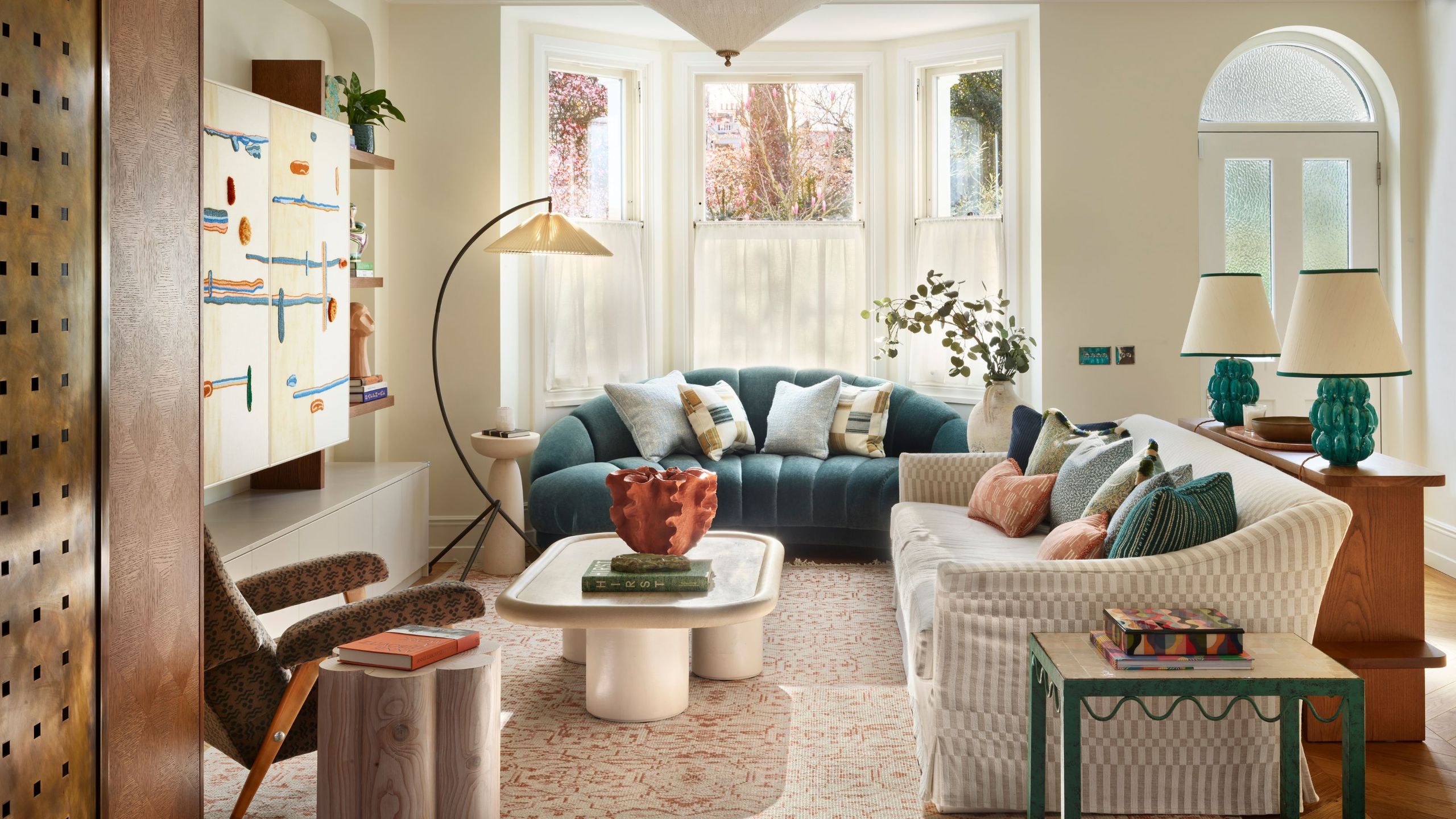
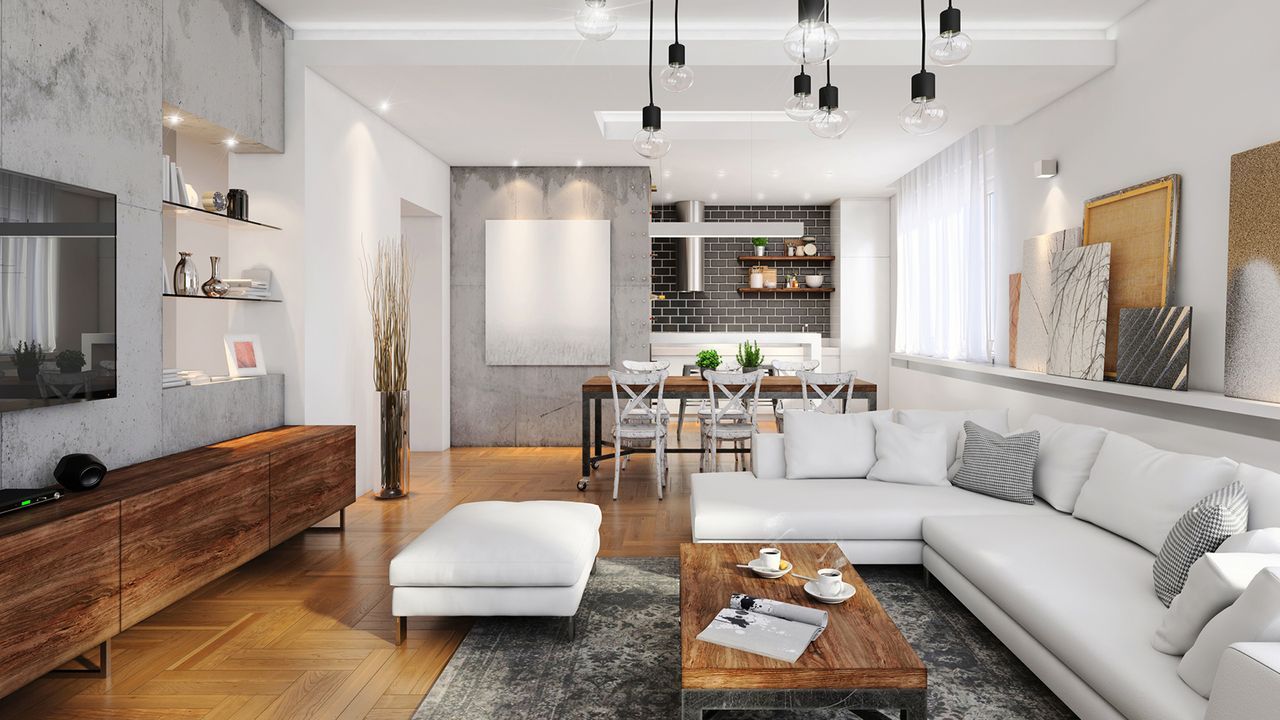
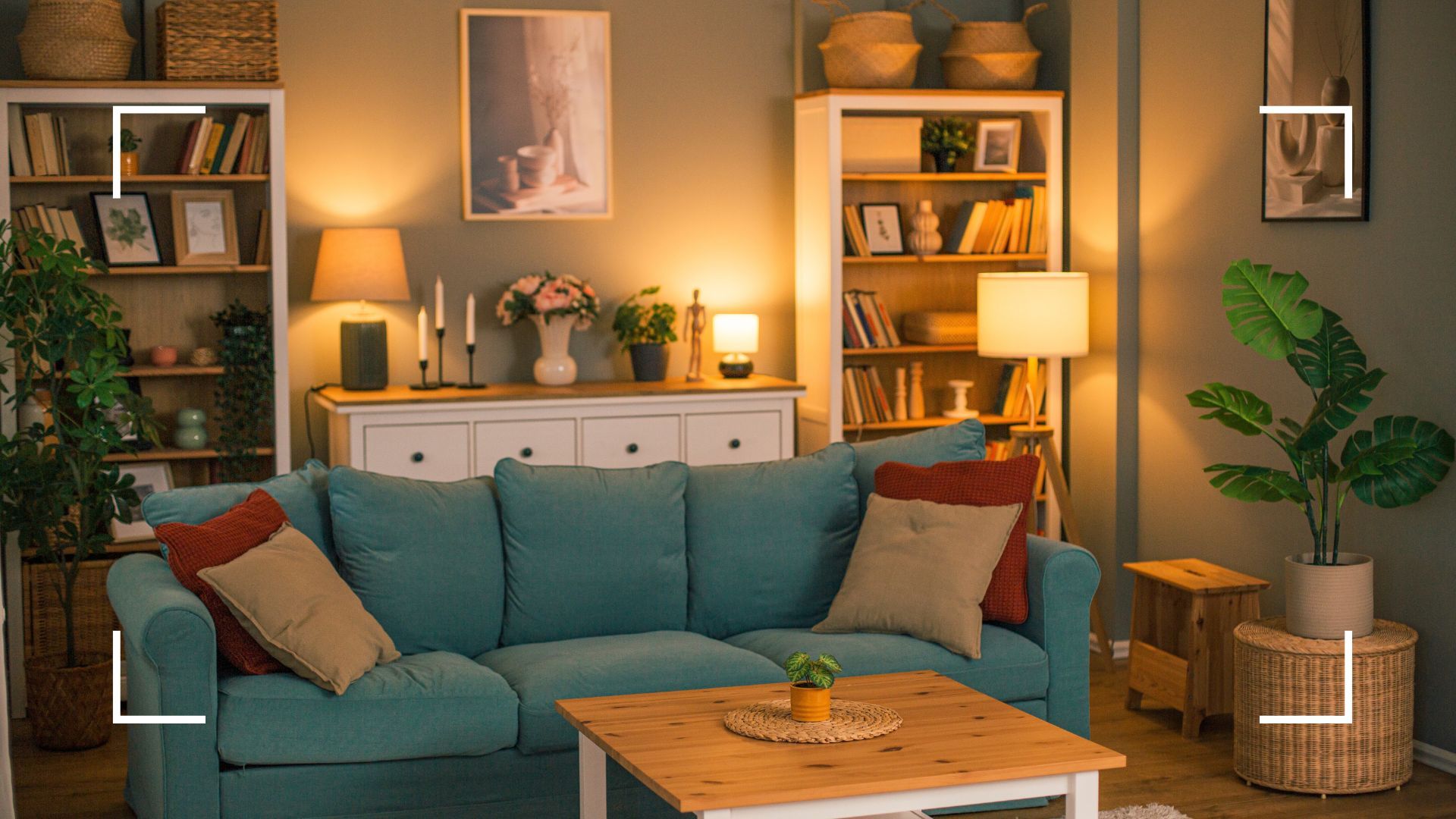
In living rooms, avoid relying solely on central overhead fixtures. Instead, use a variety of light sources—table lamps, sconces, and picture lights—to create a cozy ambiance. Statement pieces can enhance high ceilings, while smaller lamps can help illuminate reading nooks.
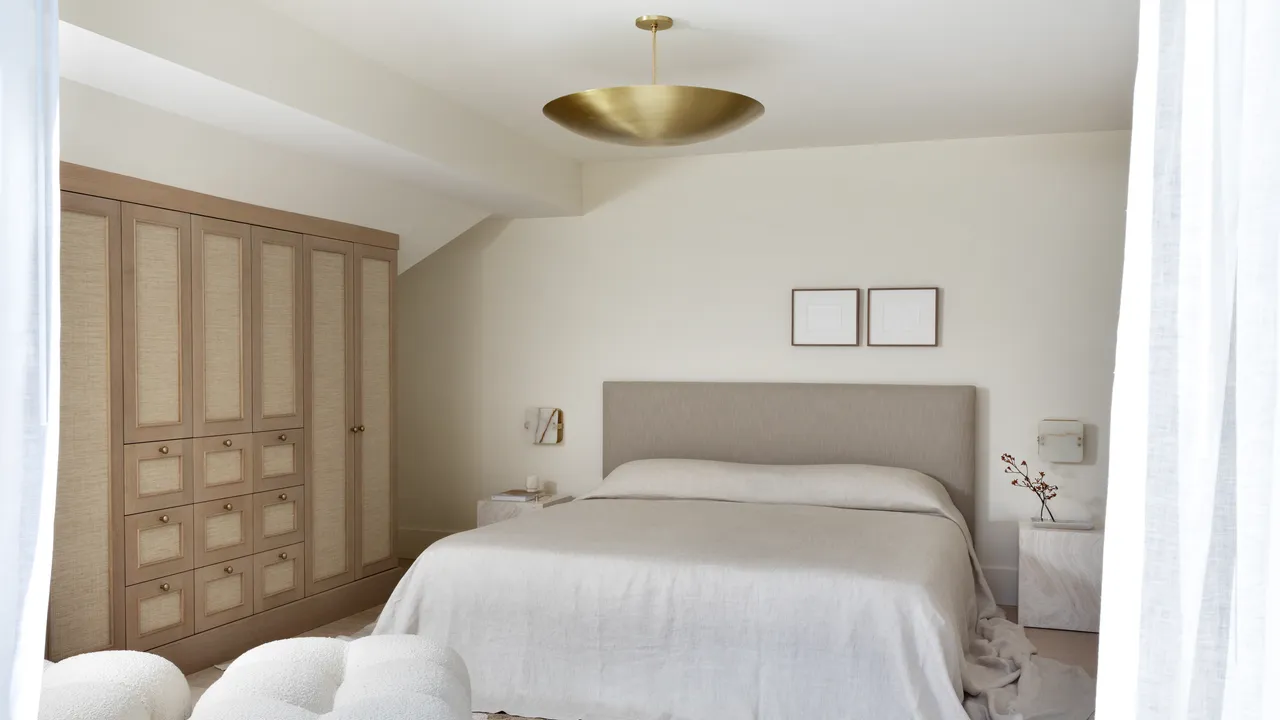
Bedrooms require softer ambient light to promote relaxation. Consider bedside lamps and wall-mounted lights for reading, combined with overhead fixtures to enhance the room’s mood. For dressing areas, sufficient lighting is necessary to avoid shadows during makeup application.
Bathrooms should feature strong ambient and task lighting, especially near mirrors and showers. Consider wall lights or illuminated mirrors for a flattering glow. Decorative fixtures can enhance the room's character, adding to a spa-like atmosphere.
For a successful layered lighting design, here are several expert recommendations:
1. **Wire Multiple Circuits**: This allows different lighting elements to operate independently, crucial for setting varied moods throughout the day.
2. **Install Dimmer Switches**: These provide flexibility, enabling adjustments from bright task lighting to dim, soothing ambiance.
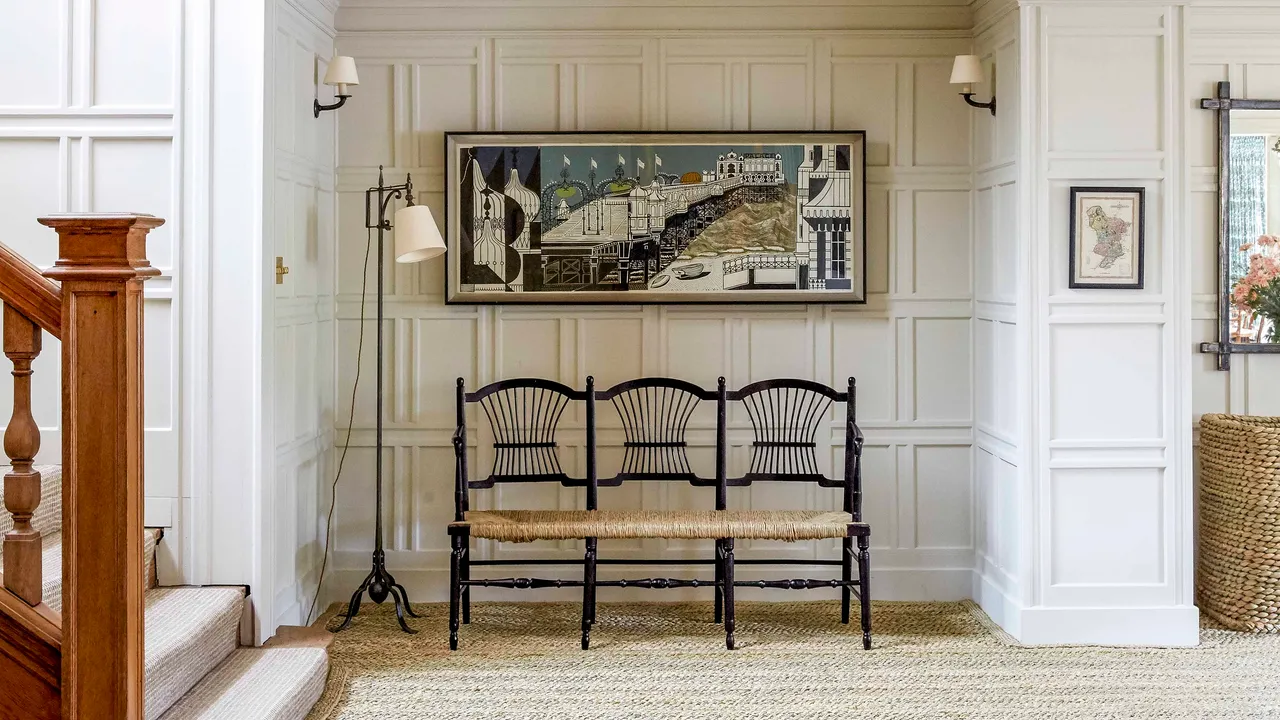
3. **Vary Light Levels**: Positioning lights at different heights creates visual interest and assists in balancing the overall lighting scheme.
4. **Choose the Right Bulb Warmth**: Warmer bulbs create inviting atmospheres, essential for personal and hospitality spaces.
5. **Consider Alternatives to Standard Spotlights**: Moving away from traditional grid lighting allows for more creativity in fixtures.
6. **Portable Lights**: Rechargeable and wireless lamps can introduce flexibility and warmth to various spaces without structural changes.
Layering different styles of lighting—not relying on a single source—creates spaces that adapt to various functions and moods. Combining overhead spotlights with pendant lights, wall sconces, and table lamps optimizes living areas, meeting diverse lifestyle needs.