In a recent episode of the Las Culturistas podcast, Mariah Carey criticized overhead lighting, highlighting its unflattering nature in spaces such as elevators and gyms. This sentiment reflects a growing preference for ambient, diffused lighting, as harsh fixtures can detract from both interiors and individuals’ appearances.
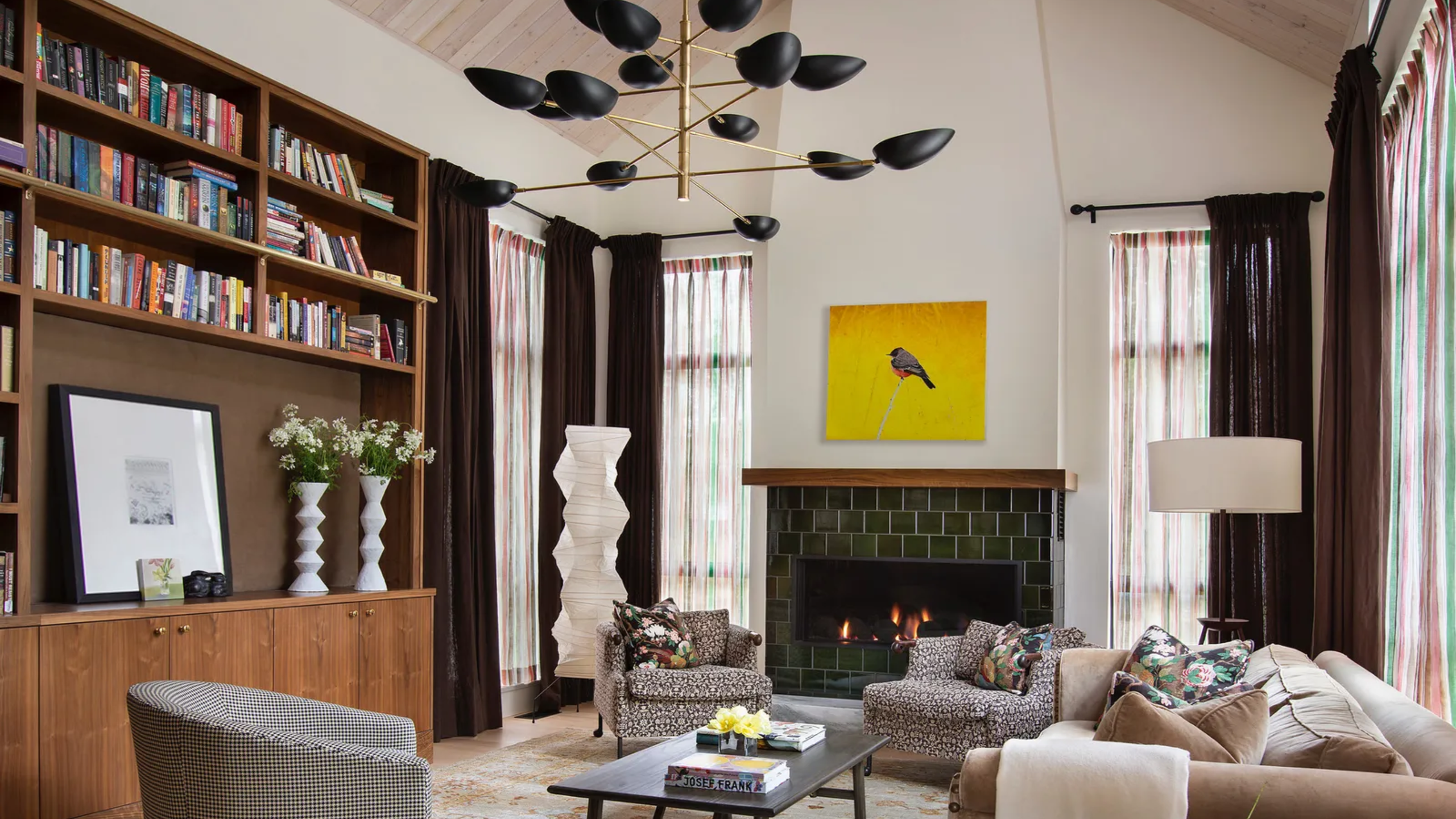
Over the past century, Isamu Noguchi’s iconic washi paper lanterns have gained widespread popularity, adorning the homes of celebrities such as Aurora James, Ashley Tisdale, and Troye Sivan. The Noguchi Museum in Queens, New York, has expanded its supply of these beloved pieces in response to demand. Additionally, Ingo Maurer's midcentury creation, the Lampape, made from crinkled rice paper, has also captured attention on social media and in designer homes.
Benjamin Critton, cofounder of Marta Gallery in Los Angeles, notes that lightweight paper lamps maintain a timeless quality, balancing practicality with handcrafted appeal. He attributes their appeal to the way materials like paper and fiberglass warm light, shifting its color temperature to create a cozy atmosphere. This trend is also reflected in a surge of memes questioning the concept of overhead lighting.
Designers Jesse Rudolph and Joëlle Kütner from Ome Dezin indicate a growing trend towards low-light options, as many opt for lighting that creates comforting atmospheres over traditional overhead fixtures. They observe that preferences are shifting toward various styles beyond Noguchi’s classic designs.
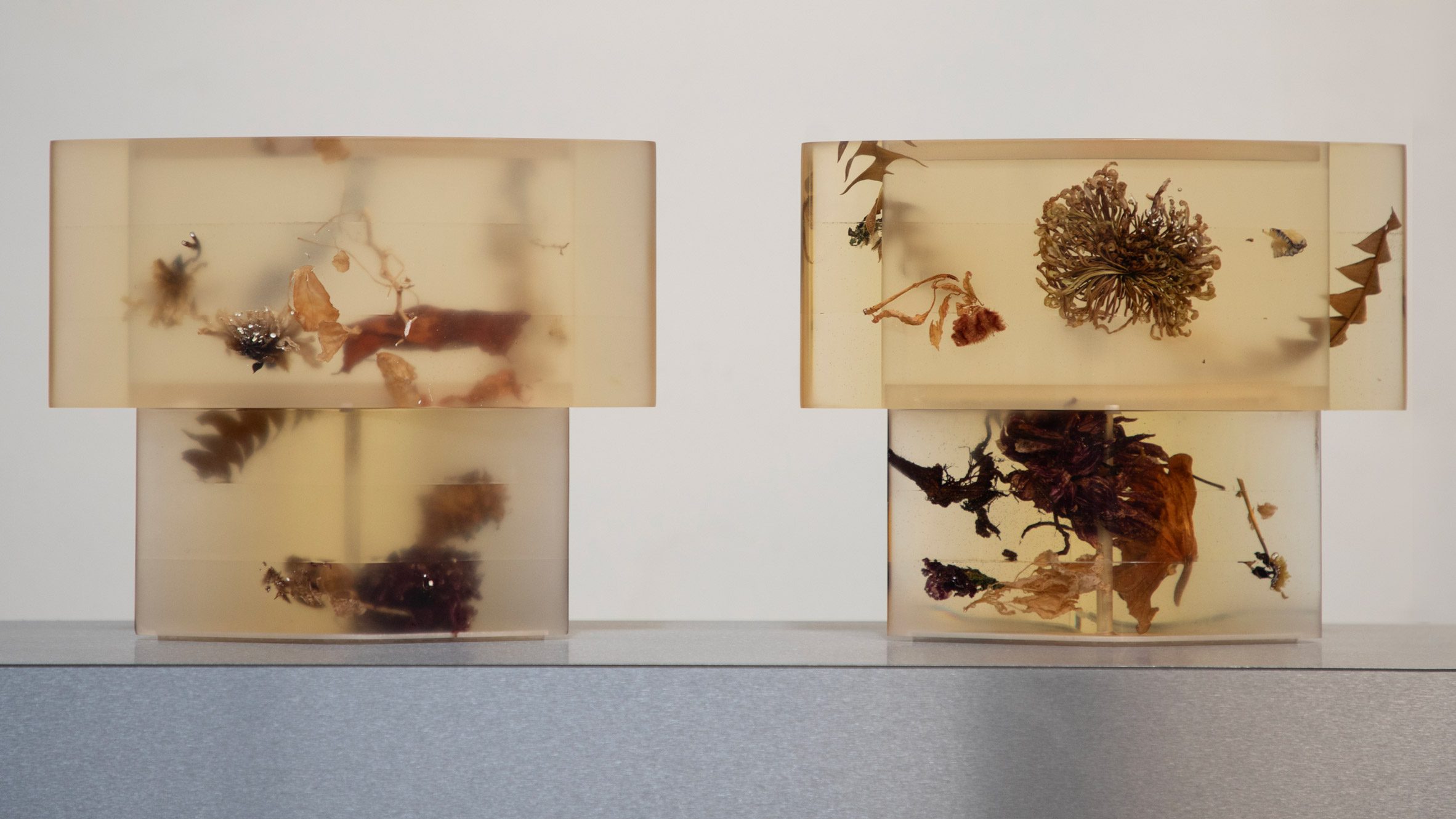
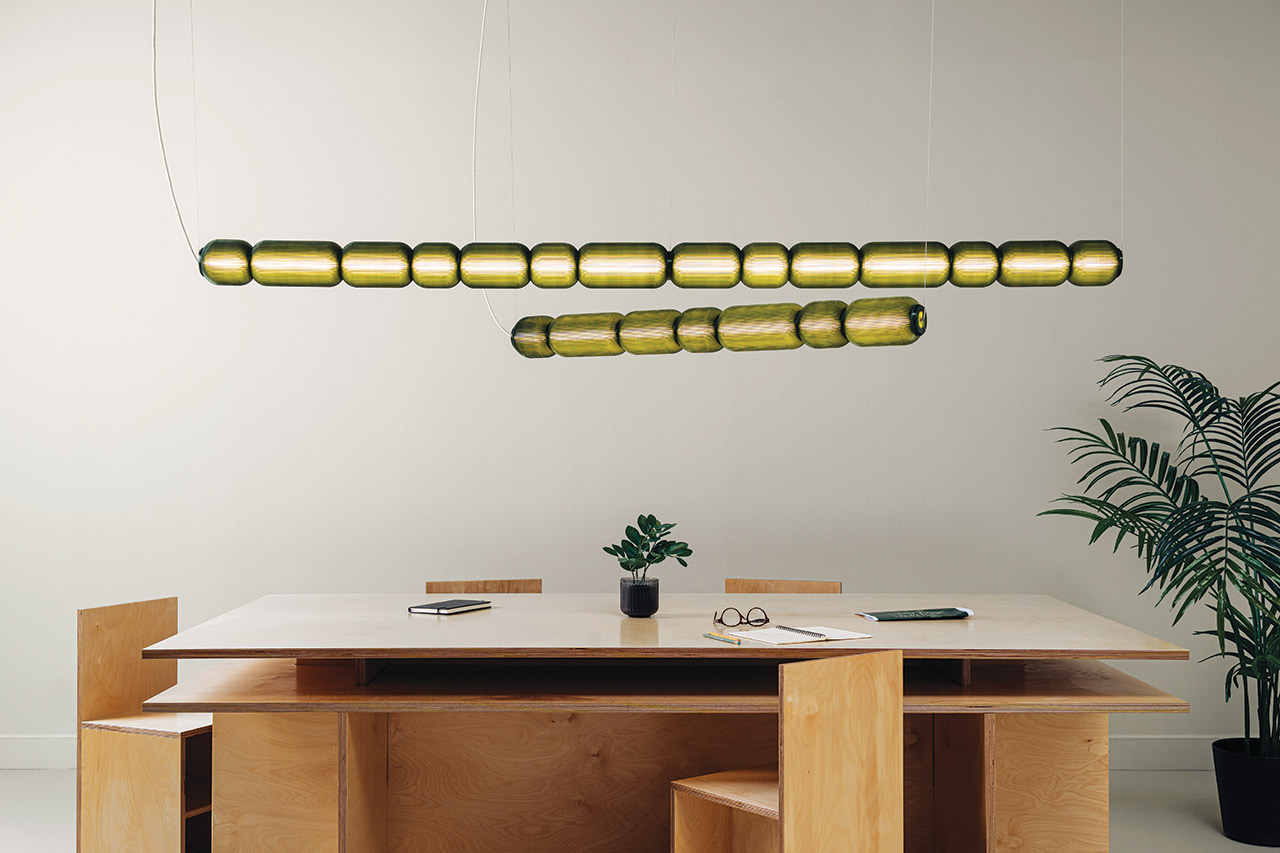
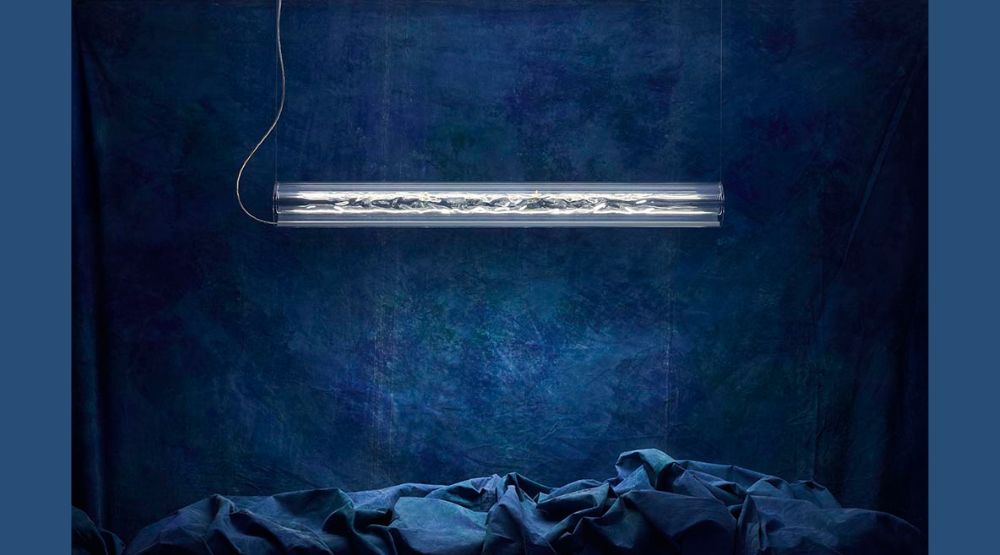
Modern iterations of paper lamps have appeared in galleries and design fairs such as New York City’s Collectible and Copenhagen’s 3daysofdesign. These new designs retain characteristics of earlier lamps—like warmth and handmade quality—while exploring more playful shapes and colors. Notable designs include Bennet Schlesinger’s wasp nest-inspired lamps and Minjae Kim’s organic, plantlike fiberglass pieces.
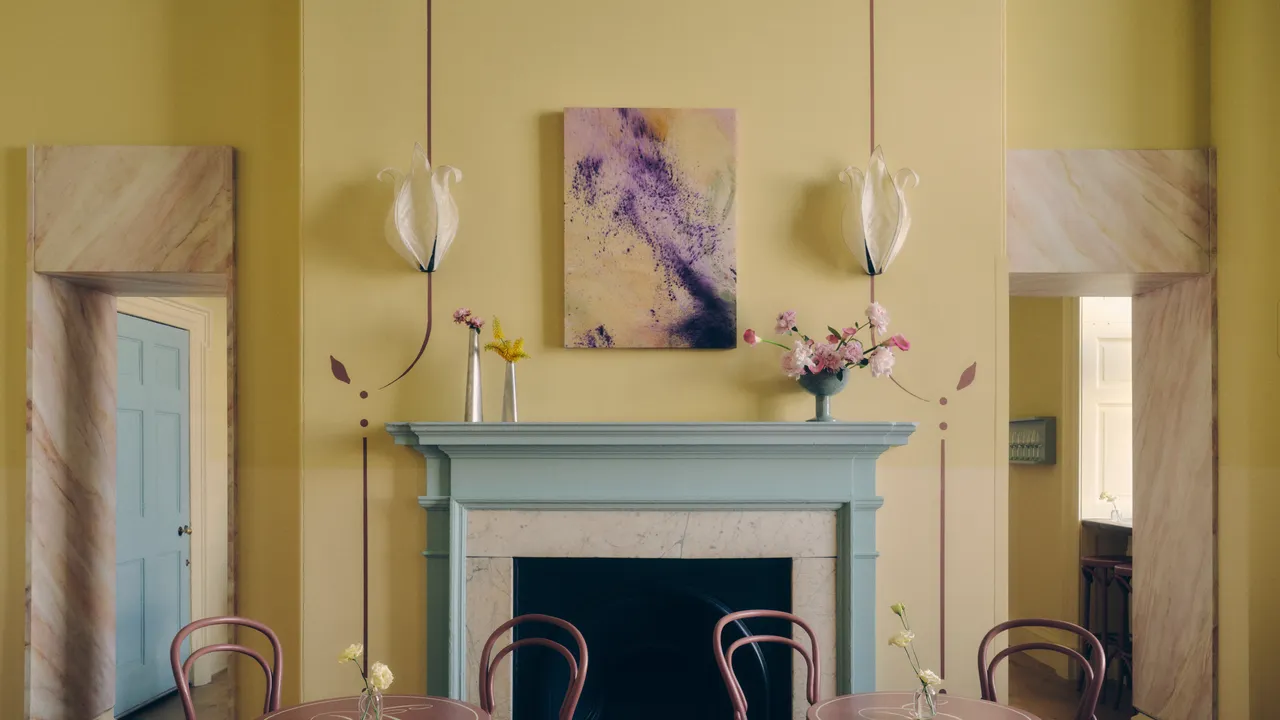
Critton contrasts Schlesinger’s organic forms with Noguchi’s geometric designs, suggesting the former offer a more fluid aesthetic reminiscent of nature. These new creations aim to blend art with functional design, as demonstrated by Colin Chetwood’s whimsical flower-shaped pendants, recently featured in Café Petiole at London’s Somerset House.
Chetwood, inspired by nature, remarks on a Japanese concept of 'komorebi,' describing how light plays through leaves. His work aims to emulate this effect with parchment materials, allowing light to shine through in a gentle, candle-like manner. Similarly, Jorge Suárez-Kilzi’s Mush lamps embody an ethereal quality, inspired by the fluidity of motion.
Suárez-Kilzi's new line of Pececito lamps, resembling a school of tiny fish, seeks to create dynamic arrangements that evoke themes of movement. Chetwood emphasizes the emotional resonance of natural forms in lighting design, proposing that these softer, soulful pieces contrast with harsher, more rigid designs.
In summary, the trend of paper-thin lamps reflects a desire for warmth, organic shapes, and emotional connection in lighting design. Popular choices include:
- West Elm Cirrus Flush Mount
- Humanhome Aurele No.1
- Ferm Living Dae Floor Lamp
- Tacchini Lunar Pendant Lamps by Faye Toogood (set of 3)
- Contemporary Walnut Alpine Floor Lamp by Astraeus Clarke
- Kilzi “Pececito” Lamps (set of 5)
- Colin Chetwood Peony Pendant
- Minjae Kim Radar Lamp
- Ladies & Gentlemen Studio Veil Tapestry
- Teget Panel Lamp.