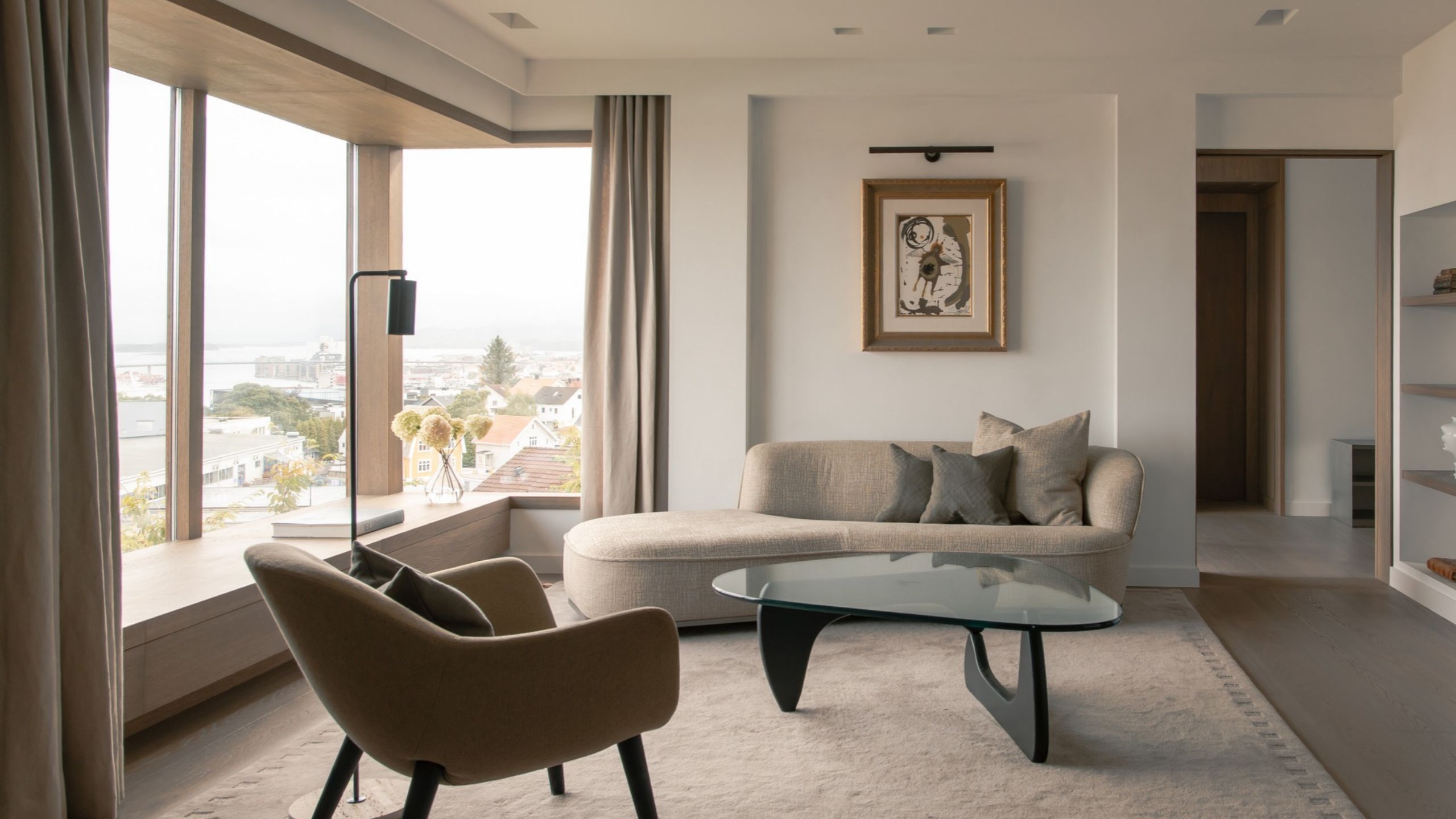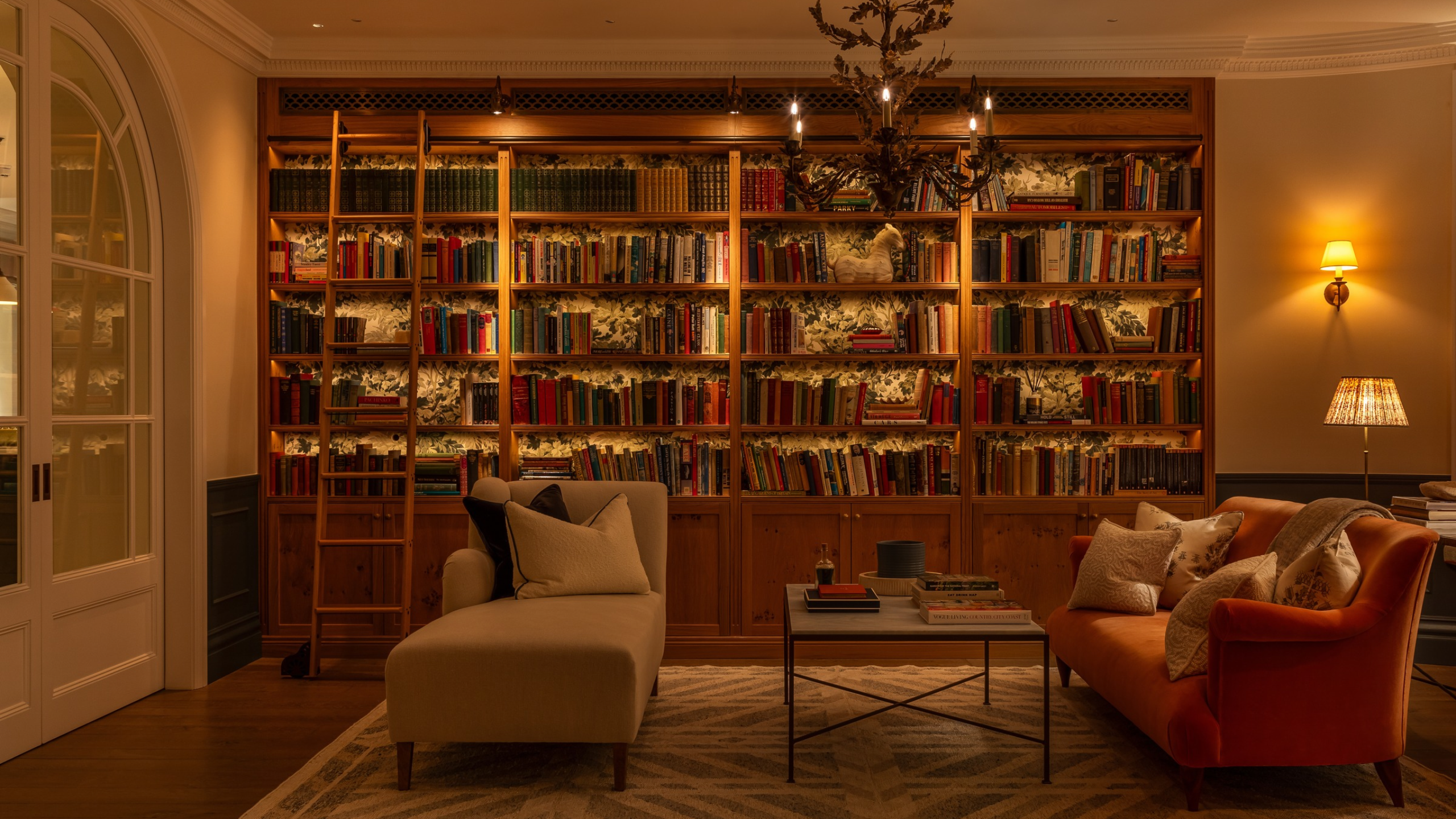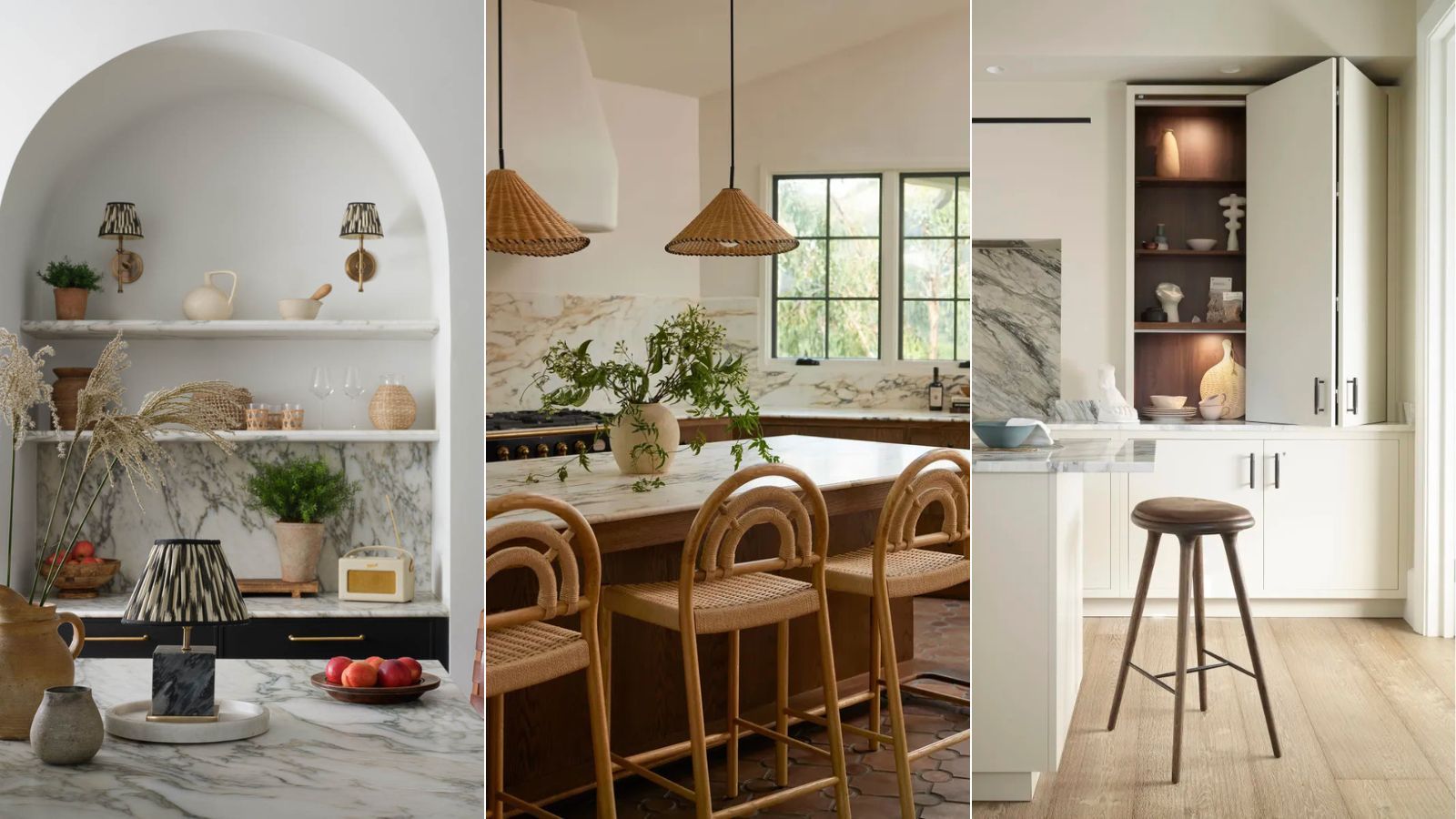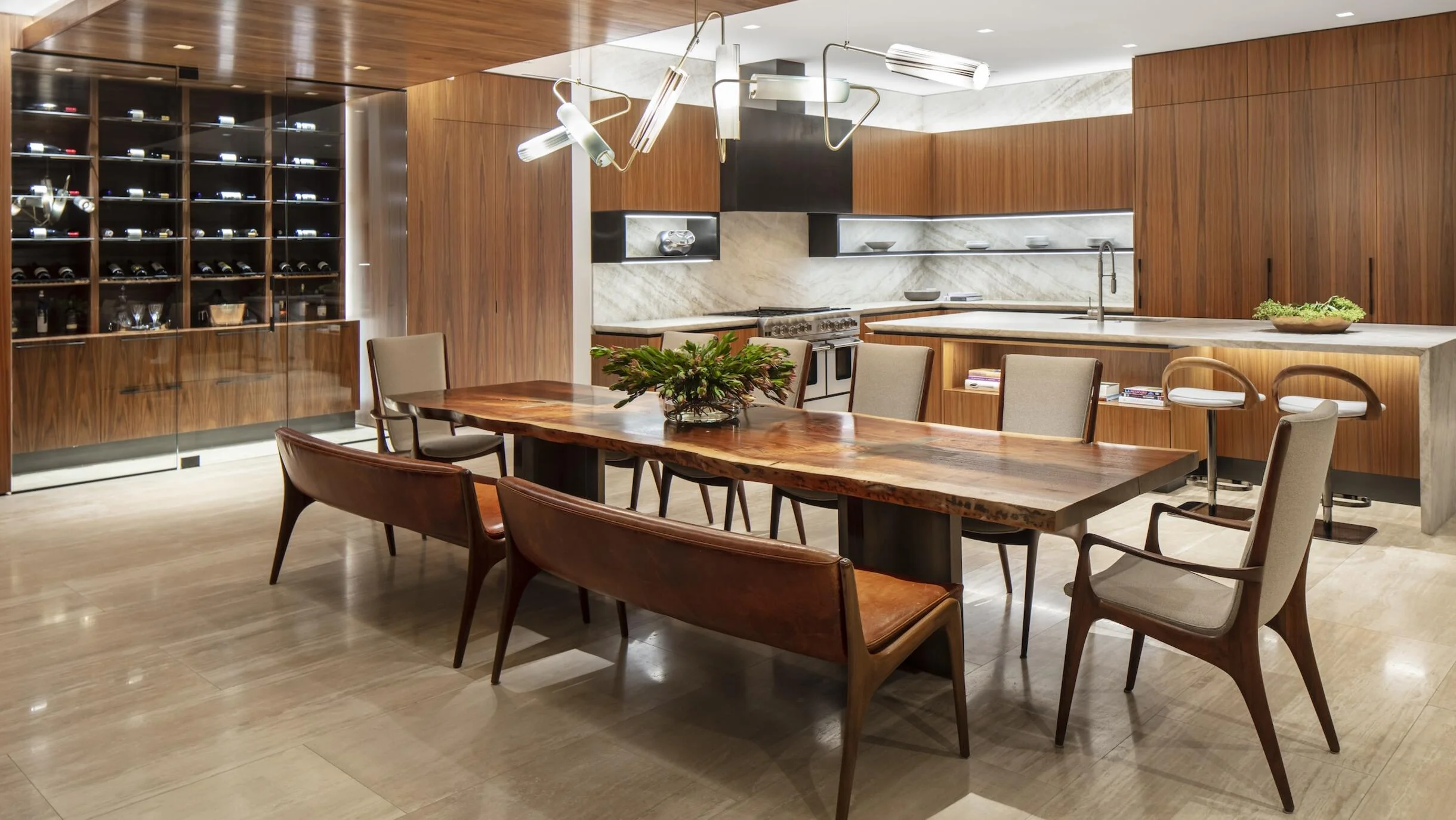
In interior design, lighting often becomes an overlooked element. Many shelter magazines present spaces lit completely artificially for photo shoots or rely solely on natural light, which can hinder the search for lighting inspiration. Additionally, accurately reflecting lighting schemes in renderings, mood boards, and CAD drawings is challenging. Designers frequently discover how lighting impacts a space only on installation day, leading to potential surprises that could detract from the intended design.
Brett Andersen, a partner and principal designer at Focus Lighting in New York, highlights the risks involved, noting that lighting is frequently the last detail to be installed. "You don’t know, as an interior designer, until that light gets turned on if it’s going to look the way you expect it to—and you don’t want to be surprised at that late stage,” he explains.
To mitigate lighting issues, hiring a lighting expert is essential. Lighting designers, also known as architectural lighting designers, work to create a tailored lighting plan that enhances the home’s architecture while meeting functional requirements. They generate ambiance suited to each room and complement the interior designer's decor. Designers who collaborate with these specialists often find their results significantly improved, likening the transformation to magic.
The Theatrical Roots of Lighting Design
Many lighting designers come from a theatrical background, utilizing their skills in lighting structures and atmospheres to create effective home lighting schemes. Matthew Tirschwell, of Tirschwell & Co. in New York, states, “Lighting is about drawing out things that you may not have necessarily seen... It’s also about hiding the lights; usually, you’re staring at the effect.” Designers engage with clients early in the project to understand their daily routines, which informs the lighting’s color, intensity, and placement.
The Creative Process
Layering is crucial in effective lighting design. Andersen illustrates this by discussing bedroom lighting, where the initial simple fixture can evolve with the addition of accent lights and adjustable brightness features, allowing for a versatile atmosphere throughout the day.
Communication remains a significant hurdle in lighting design. Staci Ruiz, a New York lighting consultant, initiates her projects with a concept meeting where she discusses potential lighting options, presenting samples directly in the space to provide context. This allows clients to better envision how the final design will look.
Tirschwell’s firm demonstrates its concepts using scale models and mini-builds, enhancing client understanding by visualizing the lighting effect in real-time. This interactive approach allows for adjustments and improvements before actual installation.
The Role of Lighting in Interior Design
The installation of lighting should ideally occur before decor to avoid conflicts between the lighting scheme and the specified materials. Andersen notes that interior designers often struggle to visualize their chosen materials under standard office lighting, which does not accurately represent their intended look. His firm offers a Light Lab where designers can test combinations in a controlled setting.
Hiring a lighting designer can radically elevate a space compared to standard options offered by builders. Many properties only meet minimal lighting codes, resulting in unsatisfactory lighting solutions. Tirschwell points out that many developers simply install a switched outlet without considering the functionality of the lighting.
Jason Kalman, from Magni Kalman Design in Los Angeles, emphasizes the benefit of collaborating with a lighting specialist, allowing for a thorough exploration of the latest lighting trends without straying from his focus on material and design choices.
Drew McGukin, a New York interior designer, further illustrates the necessity of enlisting a lighting designer as part of a collaborative team. As he puts it, “I’m really big on the team environment, and everyone needs to show up in the project and feel like they had a successful hand in something that’s beautiful.”
In conclusion, integrating lighting designers into the design process not only enhances the aesthetic but also ensures a functional and pleasing environment.