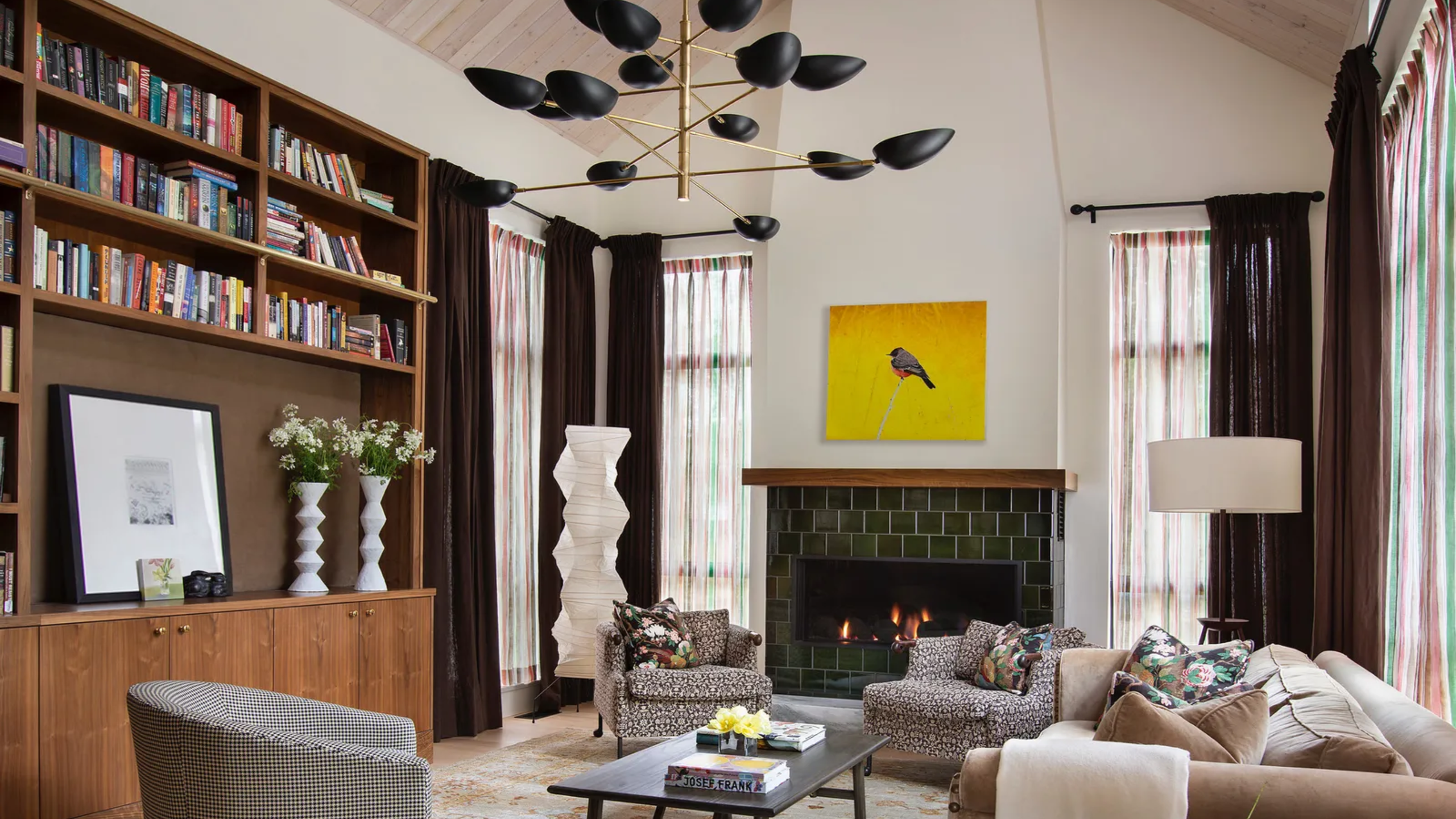
Good lighting can dramatically impact how we perceive a space, yet harsh lighting often goes unnoticed until we see an unflattering image of ourselves. Jo Mann from Light House Designs emphasizes the importance of light in shaping a room's atmosphere, stating that it plays a crucial role just like the materials and furniture do. The right lighting can make a room feel inviting, while poor choices can leave it cold and uncomfortable.
### Fixed Downlights
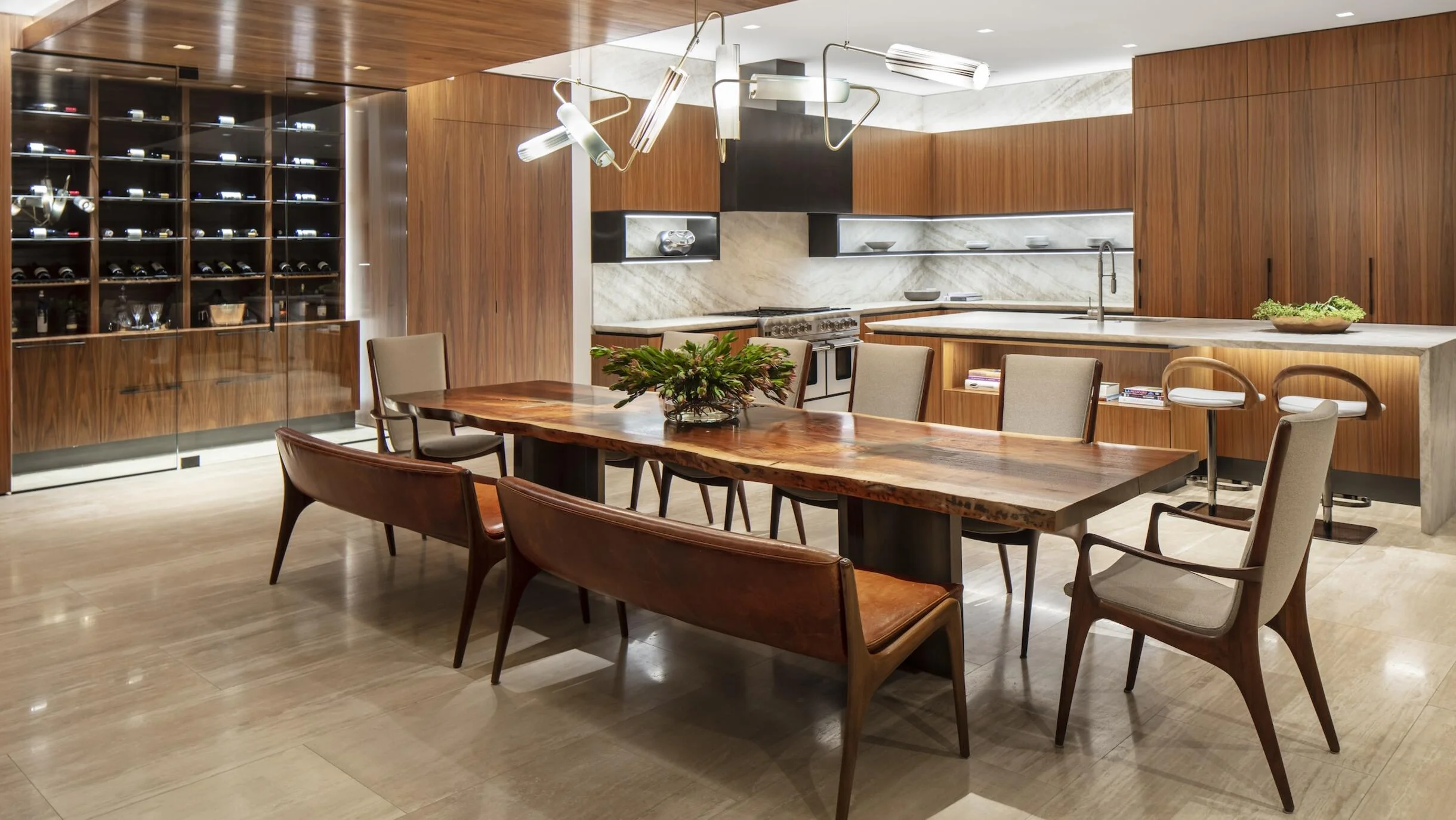
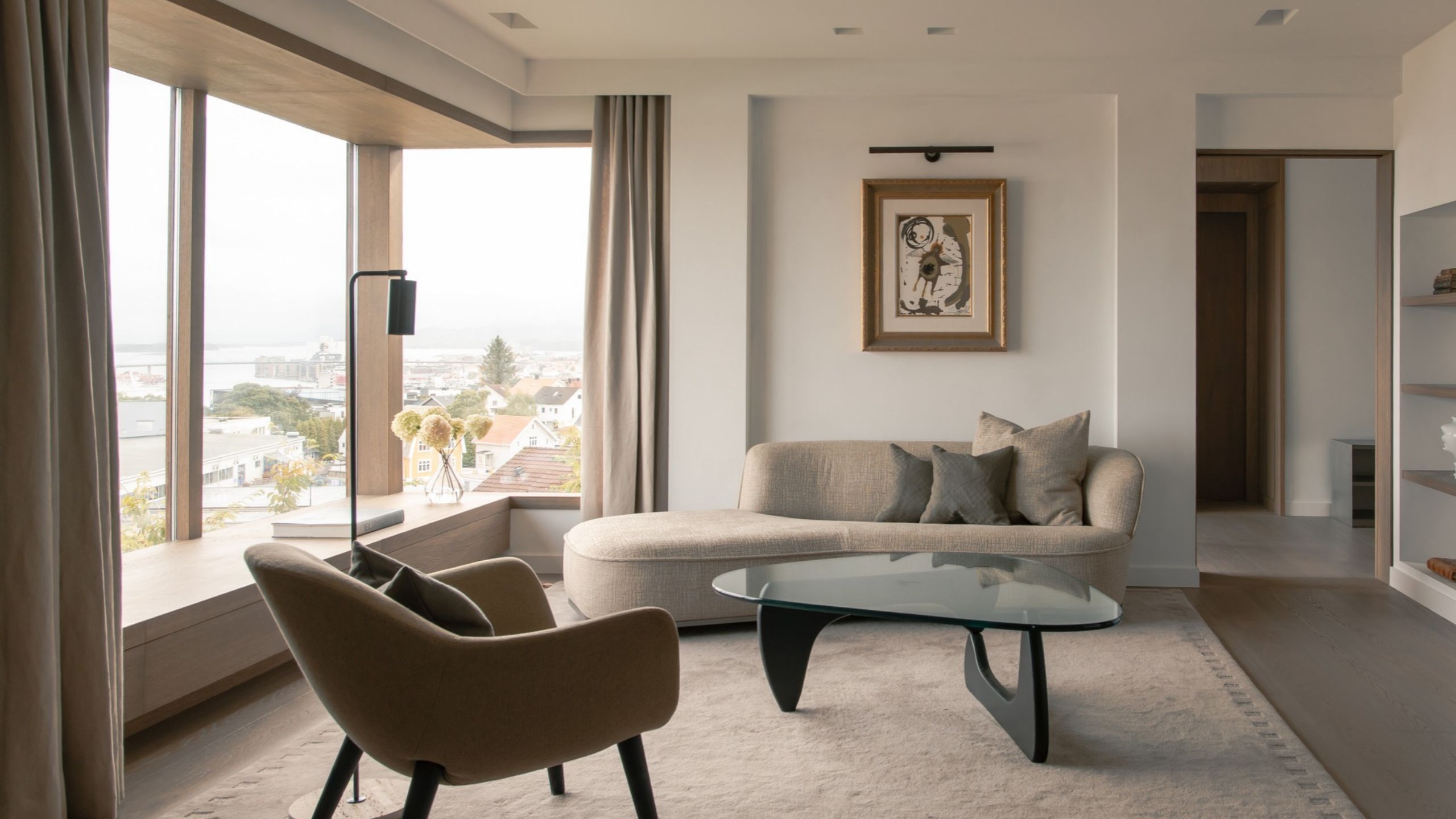
One of the most unflattering options is fixed downlights. Jo notes that these fixtures can create harsh shadows and glare, leading to a flat atmosphere in a room. Instead, she recommends using adjustable downlights or spotlights with deep-recessed LEDs and honeycomb accessories to minimize glare. This approach incorporates various light sources, like wall lights and concealed LED strips, to enhance warmth and depth.
### Cove Lighting
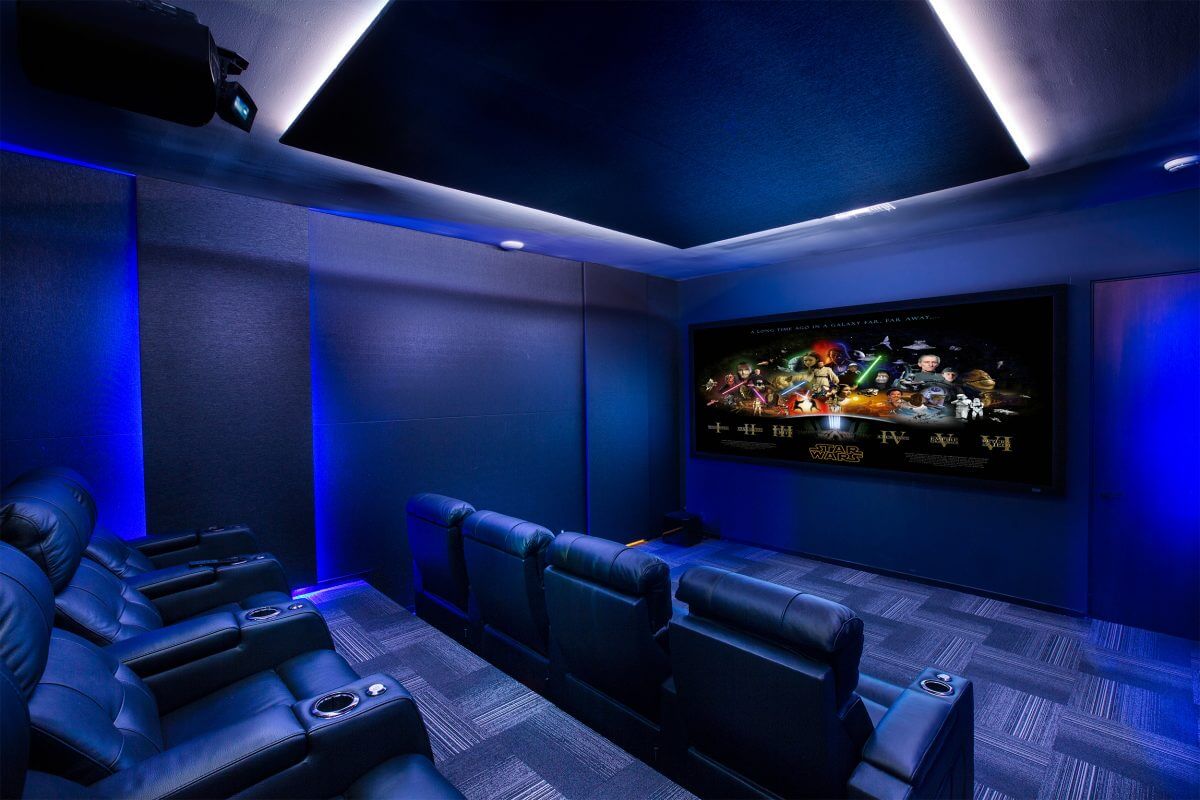
Cove lighting can add aesthetic appeal but can become overused, diluting its impact. Daniel Blaker, creative director at Nulty Lighting, warns against ubiquitous cove installation as this can cheapen the effect. He suggests using diffuse overhead sources alongside strategically placed floor and table lamps to create a cozy atmosphere, particularly in spaces like bedrooms.
### Overload Lighting
Daniel also cautions against over-lighting—prioritizing quality over quantity in lighting schemes is vital. An excess of light can strip a room of its character and depth, making it feel flat. He advises defining the lighting hierarchy of each space, focusing on ambient, task, and accent lighting to create an inviting environment.
### Exposed Bulbs
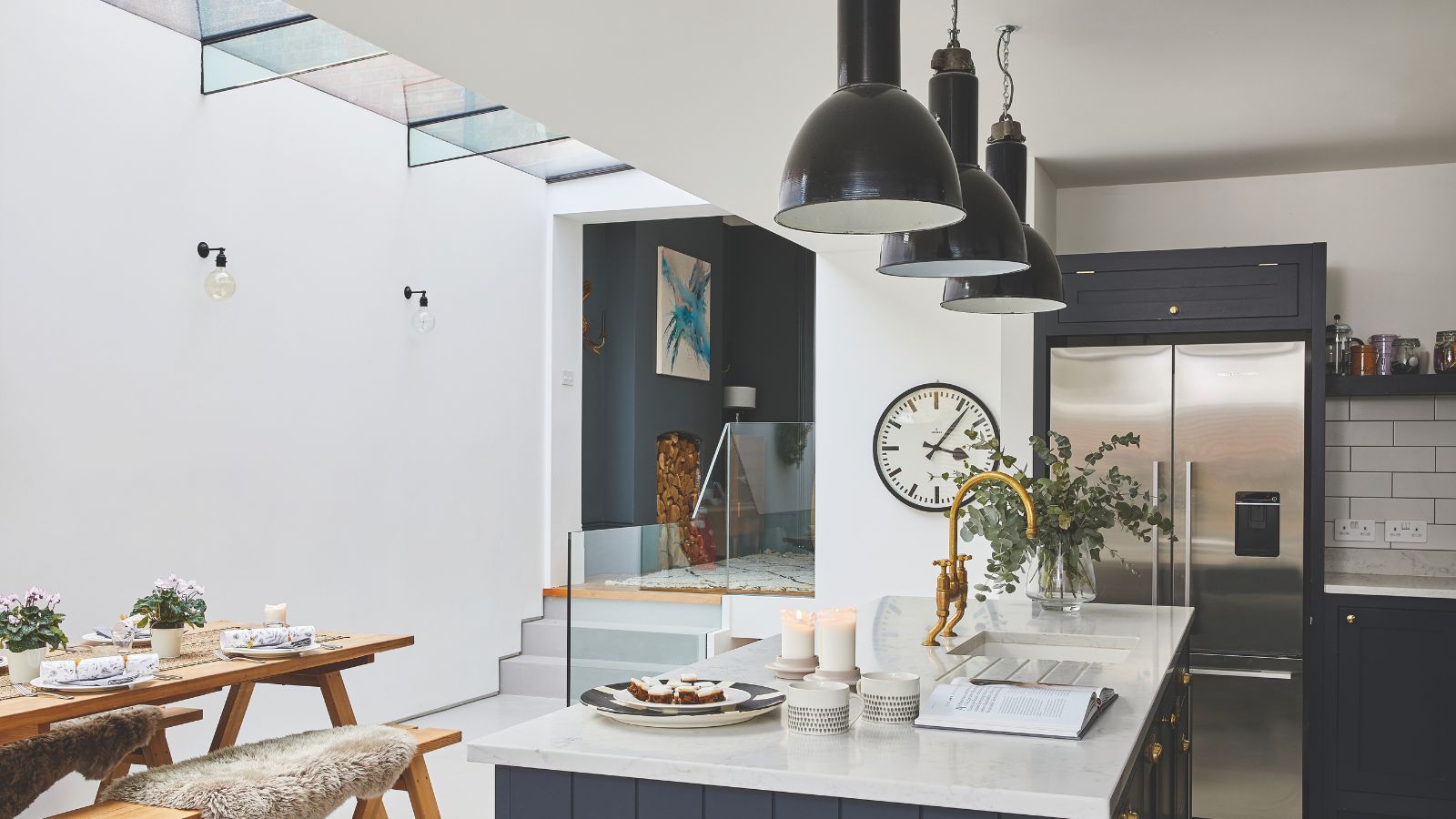
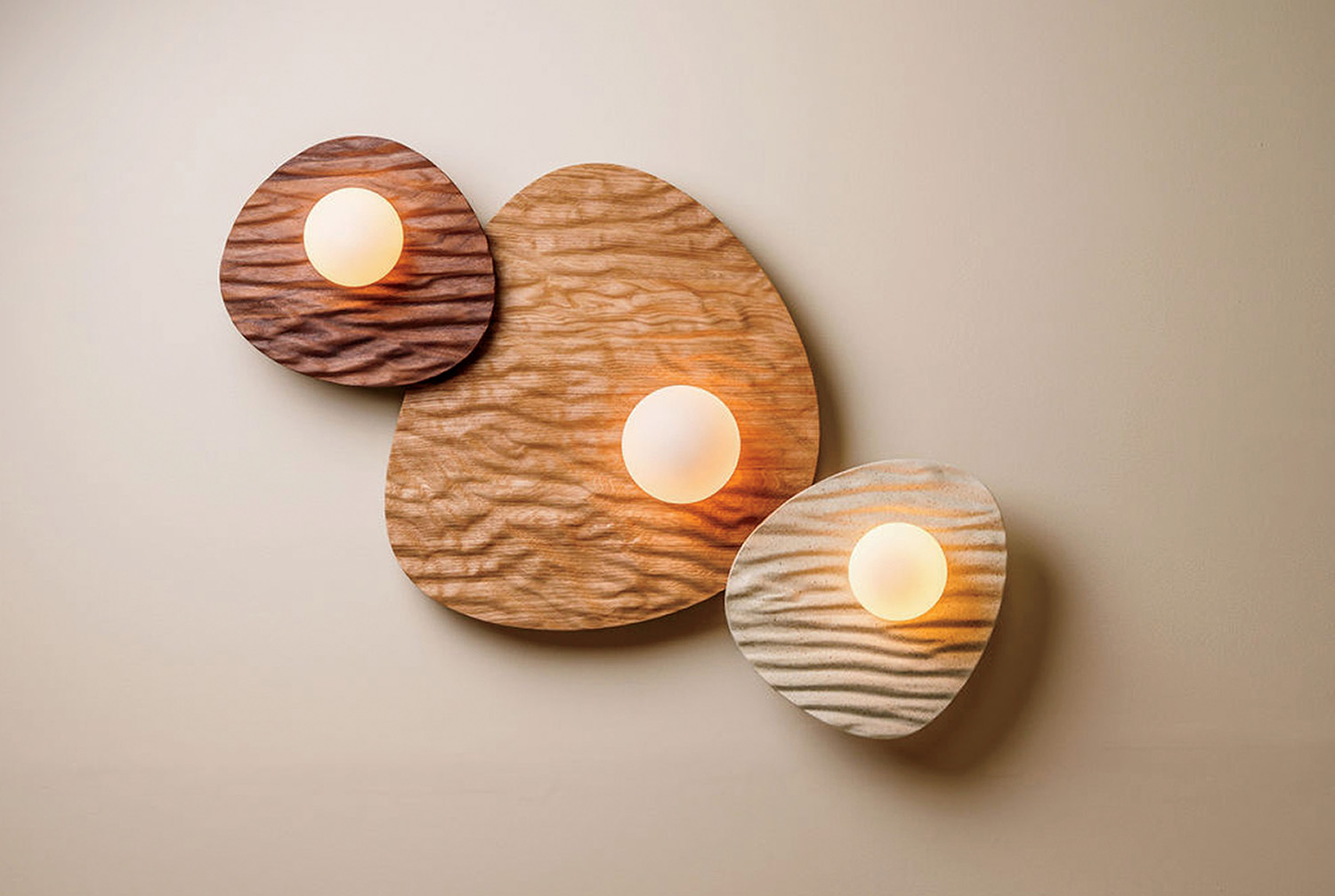
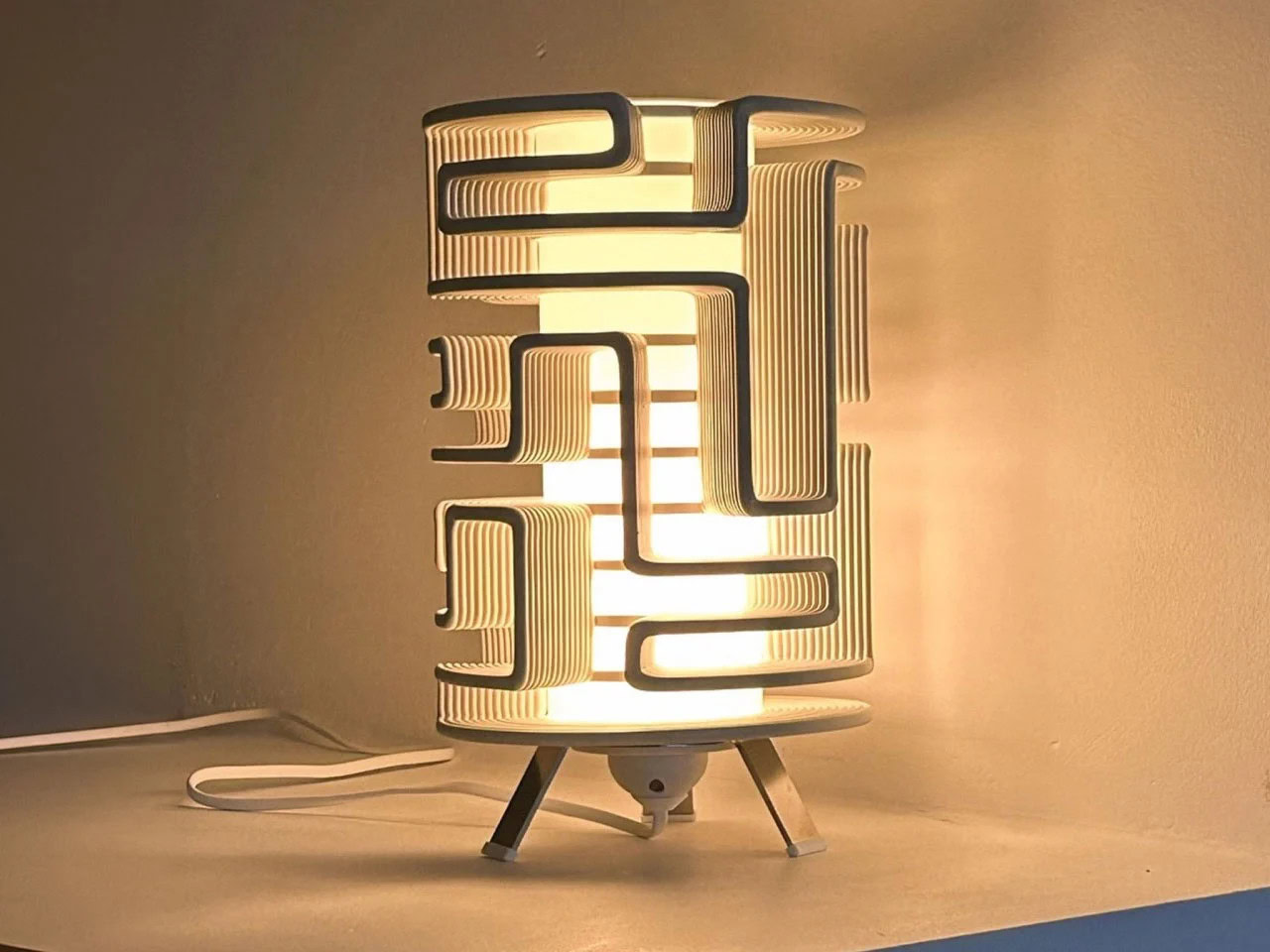
While once popular in industrial designs, exposed bulbs tend to cause glare and discomfort. Vanessa Macedo of John Cullen Lighting describes them as more fashionable than functional, explaining that they rarely enhance a welcoming atmosphere. She suggests opting for decorative fittings that provide soft, glare-free illumination instead.
### Grid Lighting
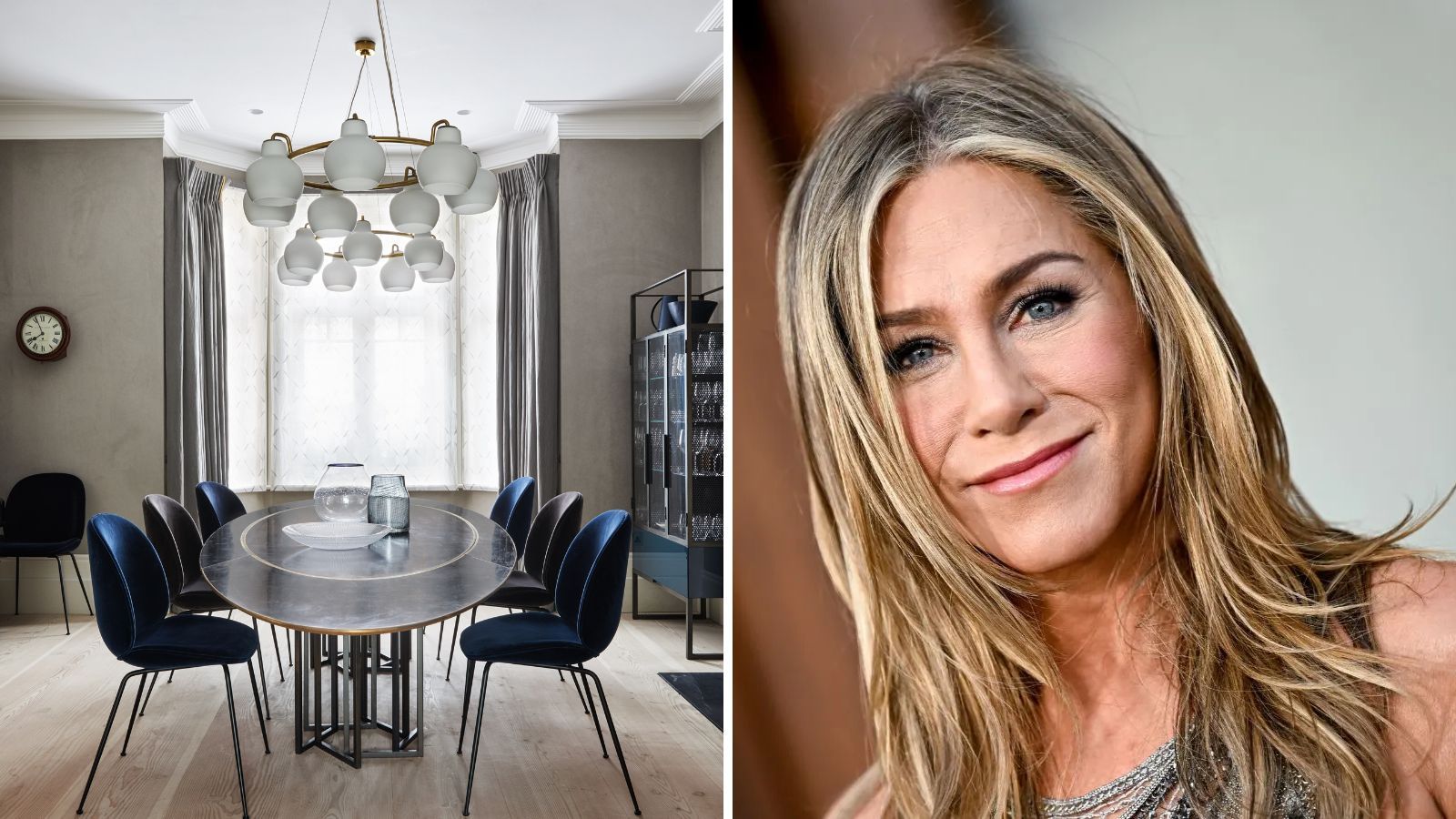
Grid lighting layouts, characterized by a uniform arrangement of downlights, can lead to an uninviting and harsh environment. Vanessa advises against this approach, indicating that such layouts can flatten the space and create unwanted shadows. Thoughtful arrangements, such as combining ceiling lights with wall fixtures or lamps, can add depth and transform the mood from day to evening.
In conclusion, effective lighting design considers both the atmosphere and the function of the space.
As Daniel notes, it’s crucial to ask what to light and whether it’s necessary at all. With numerous innovative lighting options available, there’s no need to settle for outdated designs.