Current opinions on kitchen lighting are evolving, leading to the retirement of several once-popular trends. The way kitchens are designed and utilized has changed, prompting a shift in lighting strategies. Designers are advocating for more versatile and layered lighting solutions, moving away from styles that now feel outdated.
Single-Style Lighting
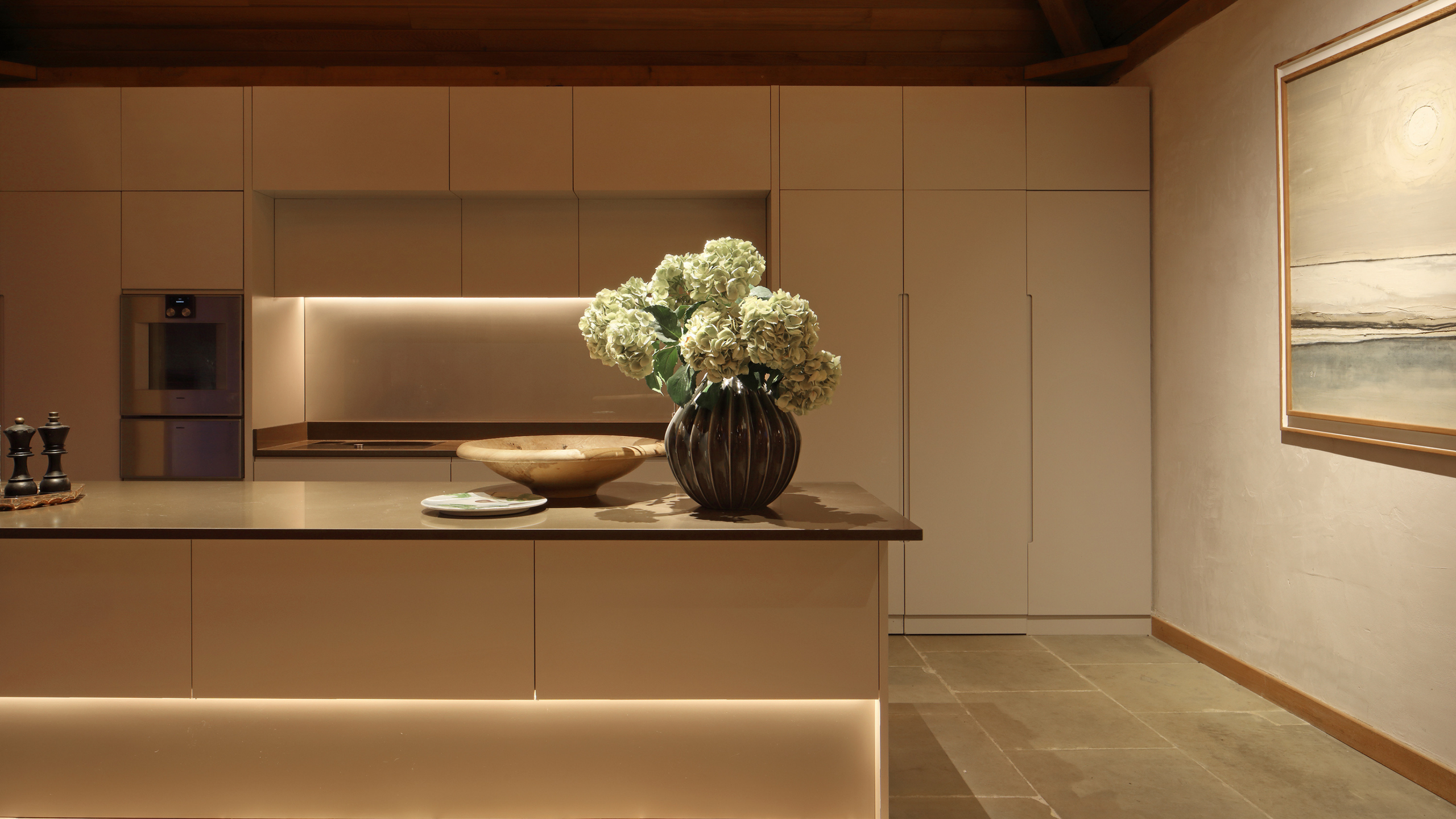
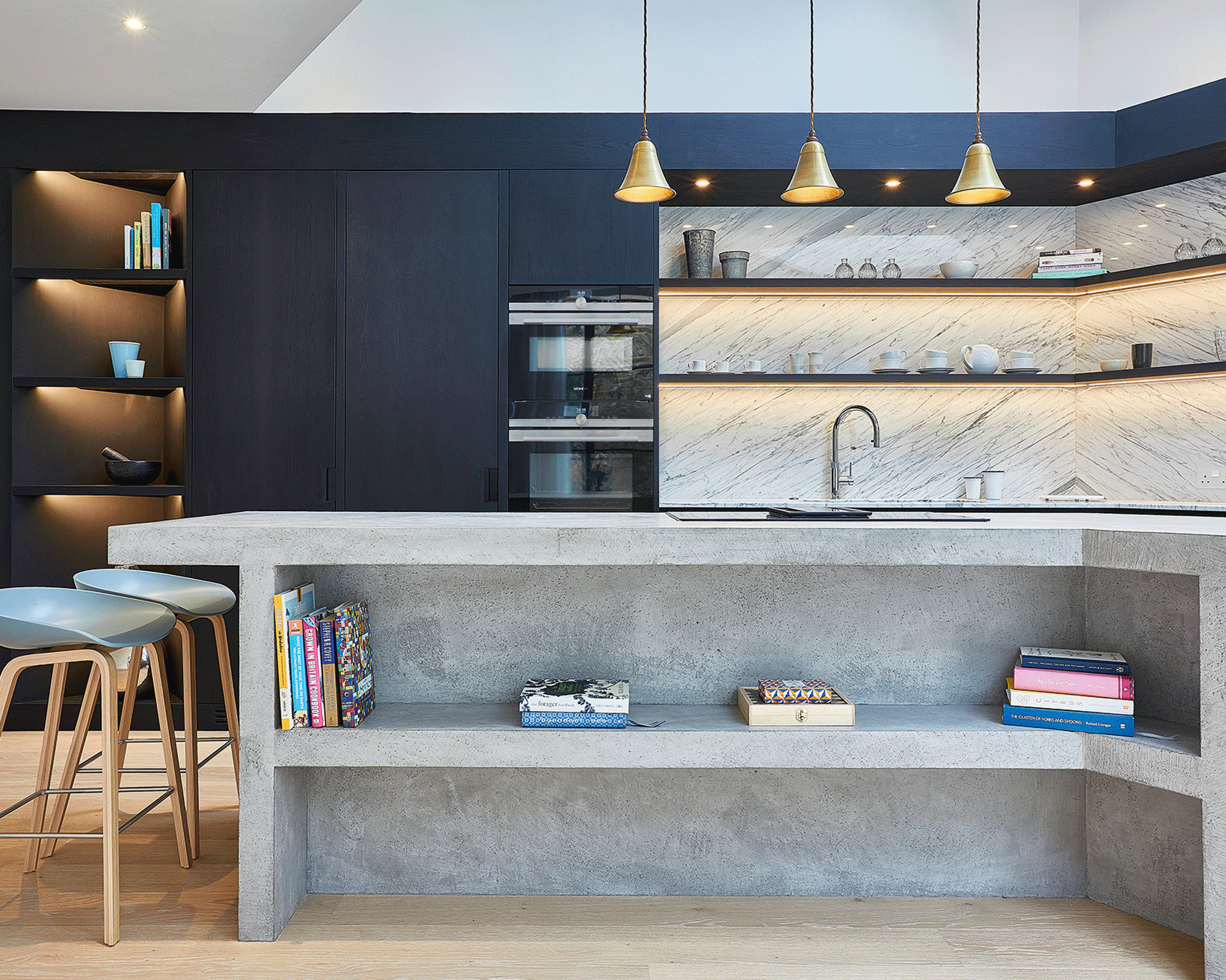
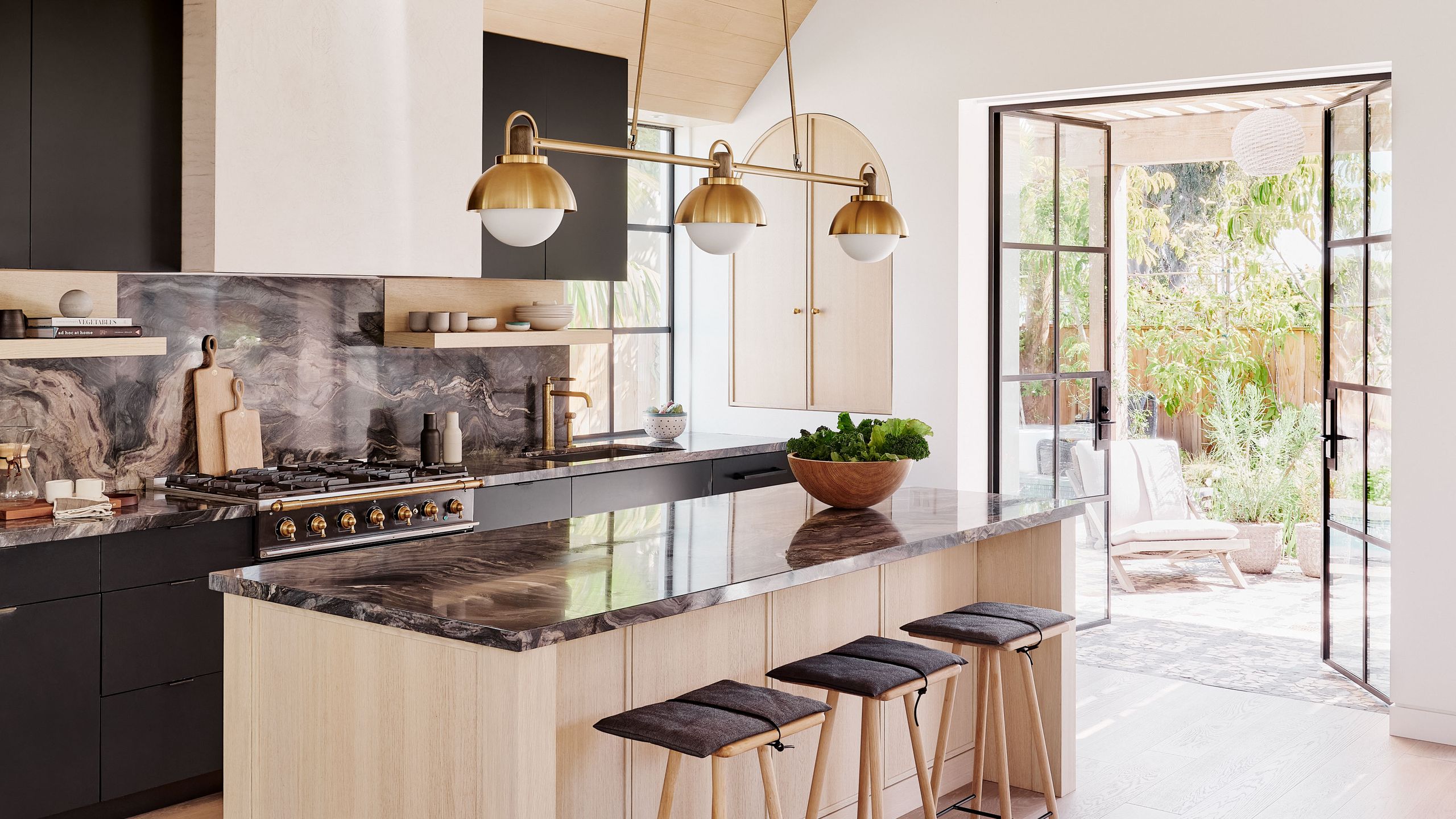
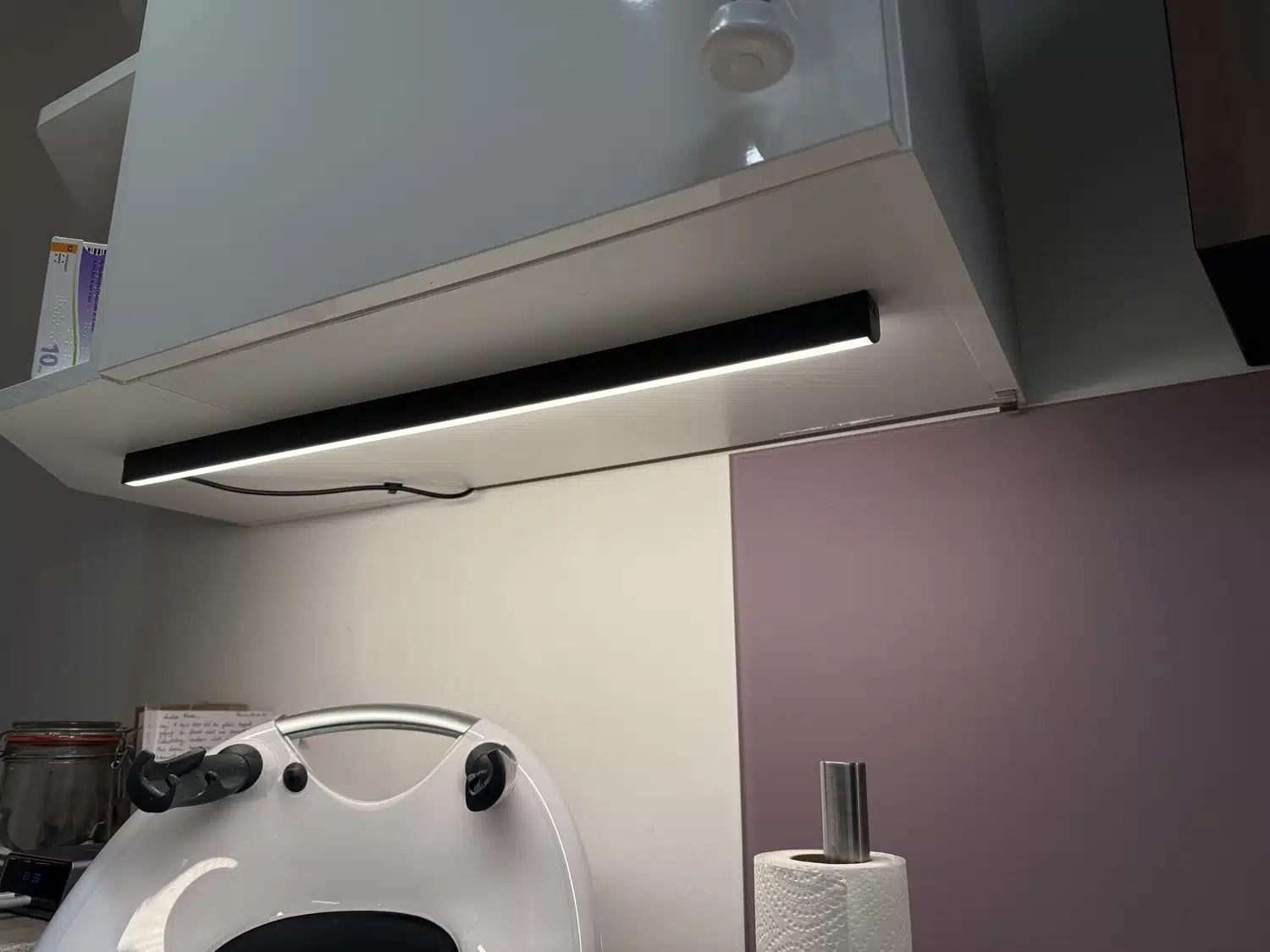
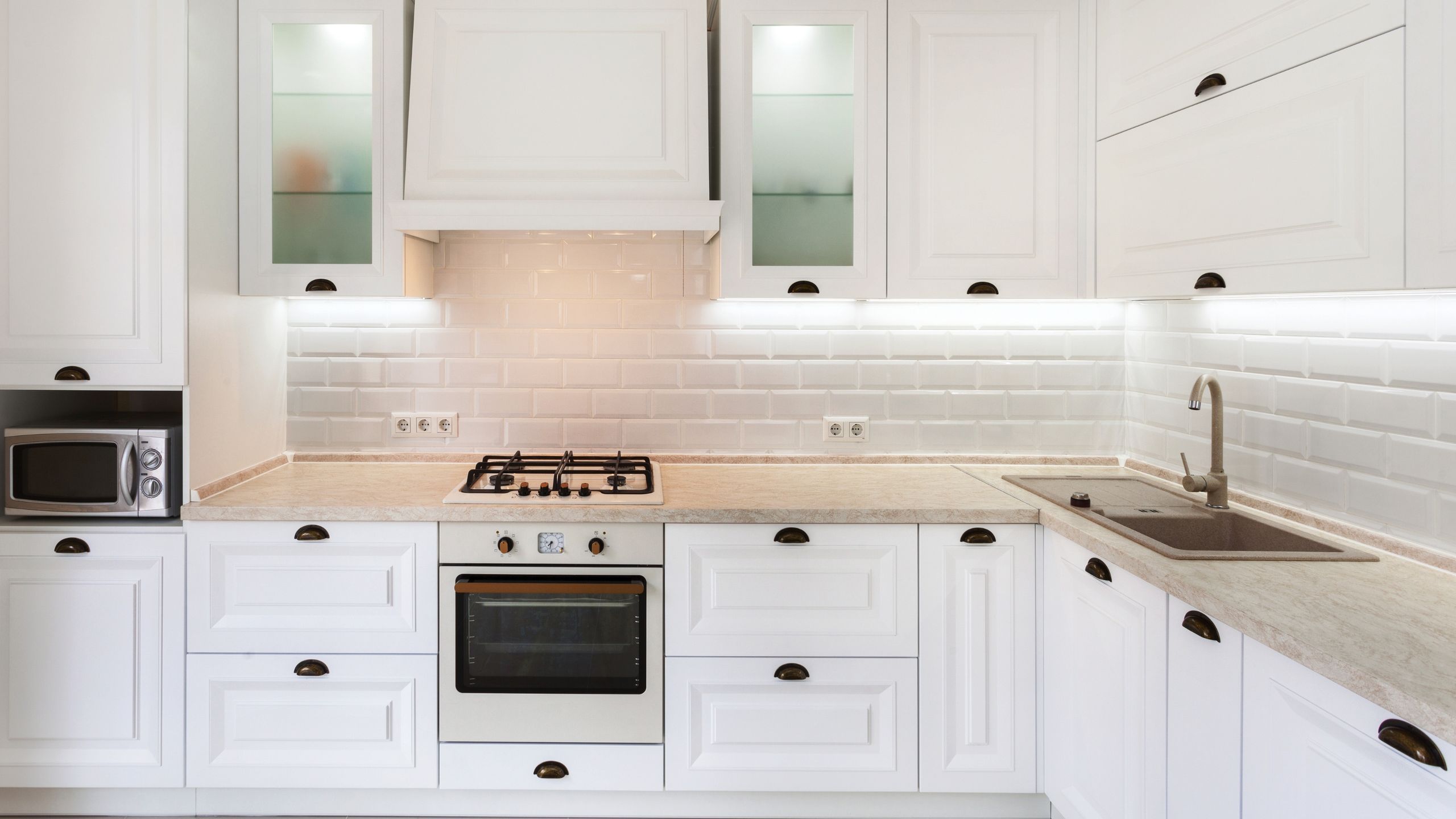
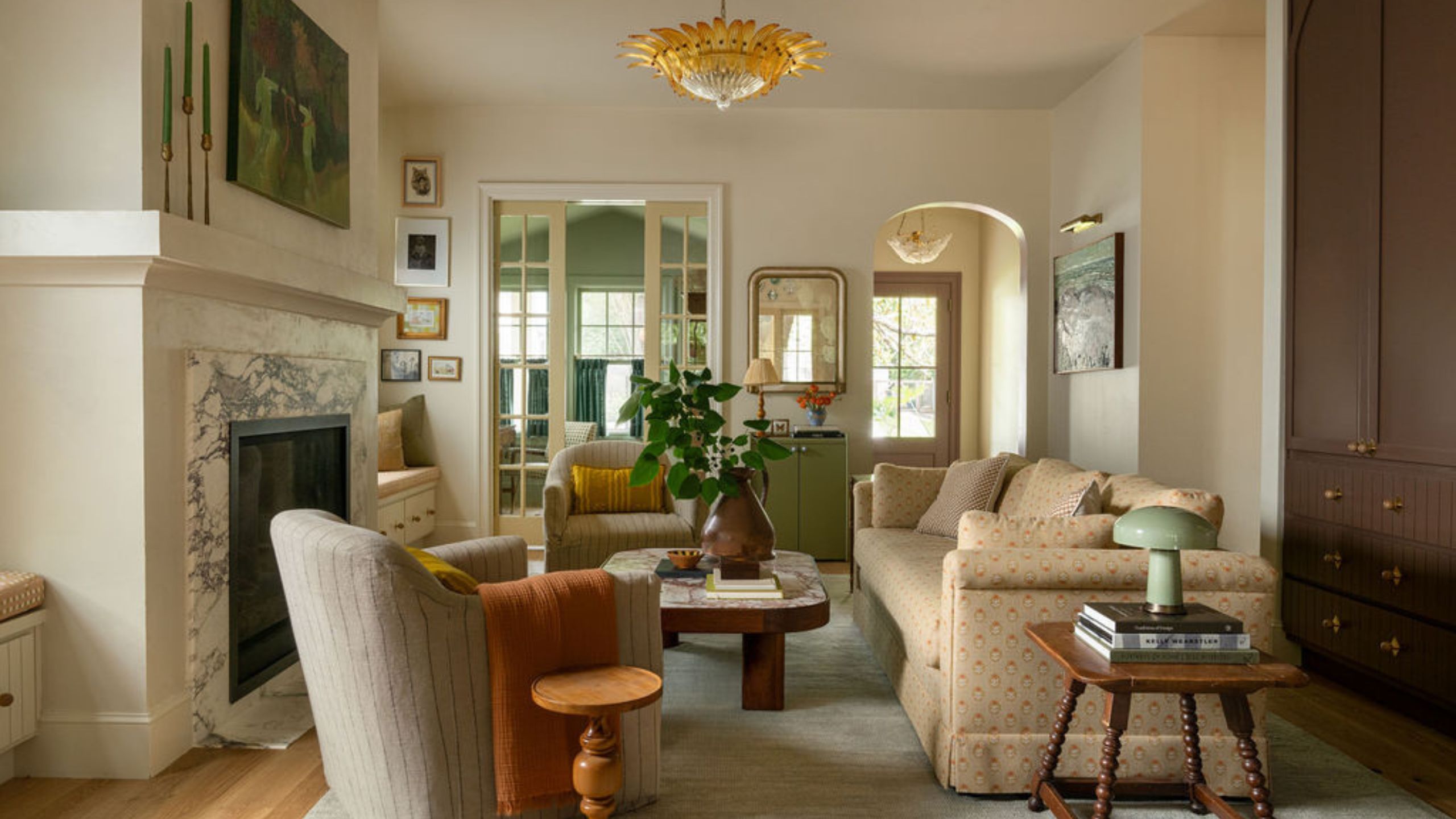
Using only one type of lighting in a kitchen is becoming less desirable. Interior designer Kathy Kuo notes that a kitchen illuminated by a single lighting source can feel cold and lack dimension. To remedy this, she emphasizes the importance of layered lighting, which combines ambient, task, and accent lighting to create a warm, inviting atmosphere. Options like sculptural chandeliers and under-cabinet lighting can transform kitchens into livable spaces.
Ornate Farmhouse Pendants
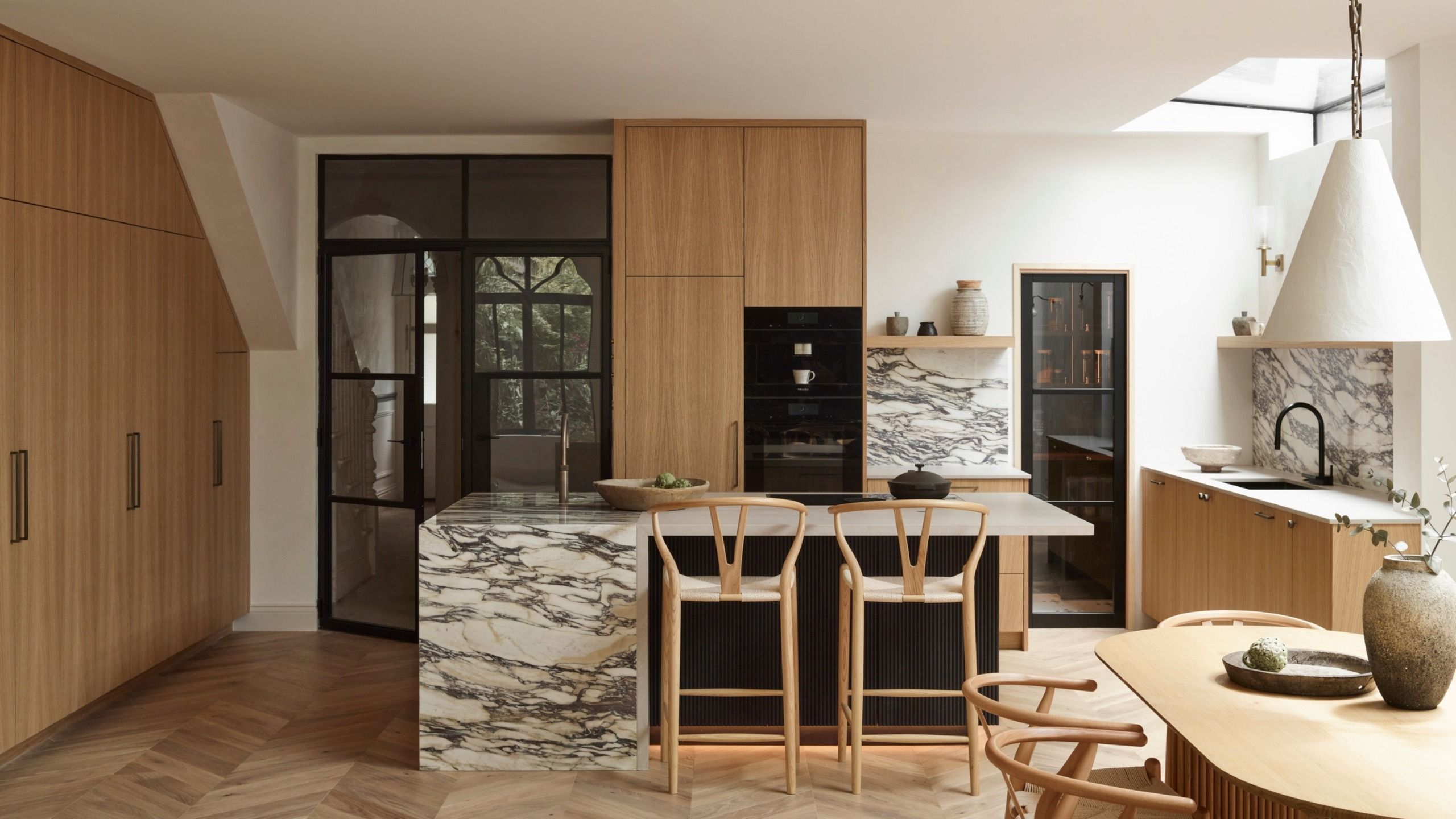
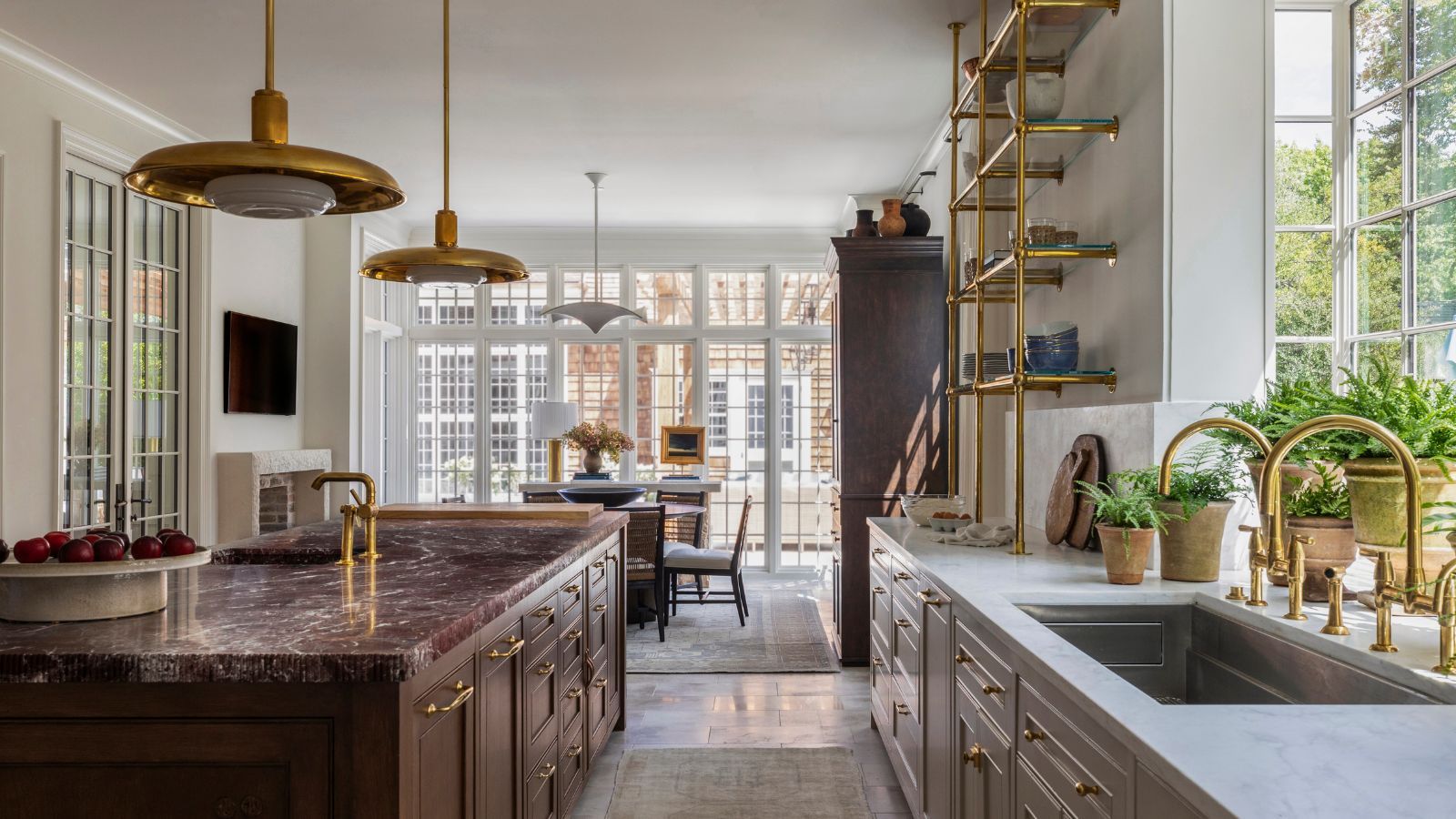
Previously popular farmhouse-style pendants are also falling out of favor. Designers like Cathleen Gruver claim that such fixtures, when used uniformly, can make a kitchen feel clichéd rather than curated. Instead, current trends favor integrated and sculptural designs, featuring softer silhouettes and organic materials like hand-blown glass or woven textures.
Clear Glass Fixtures
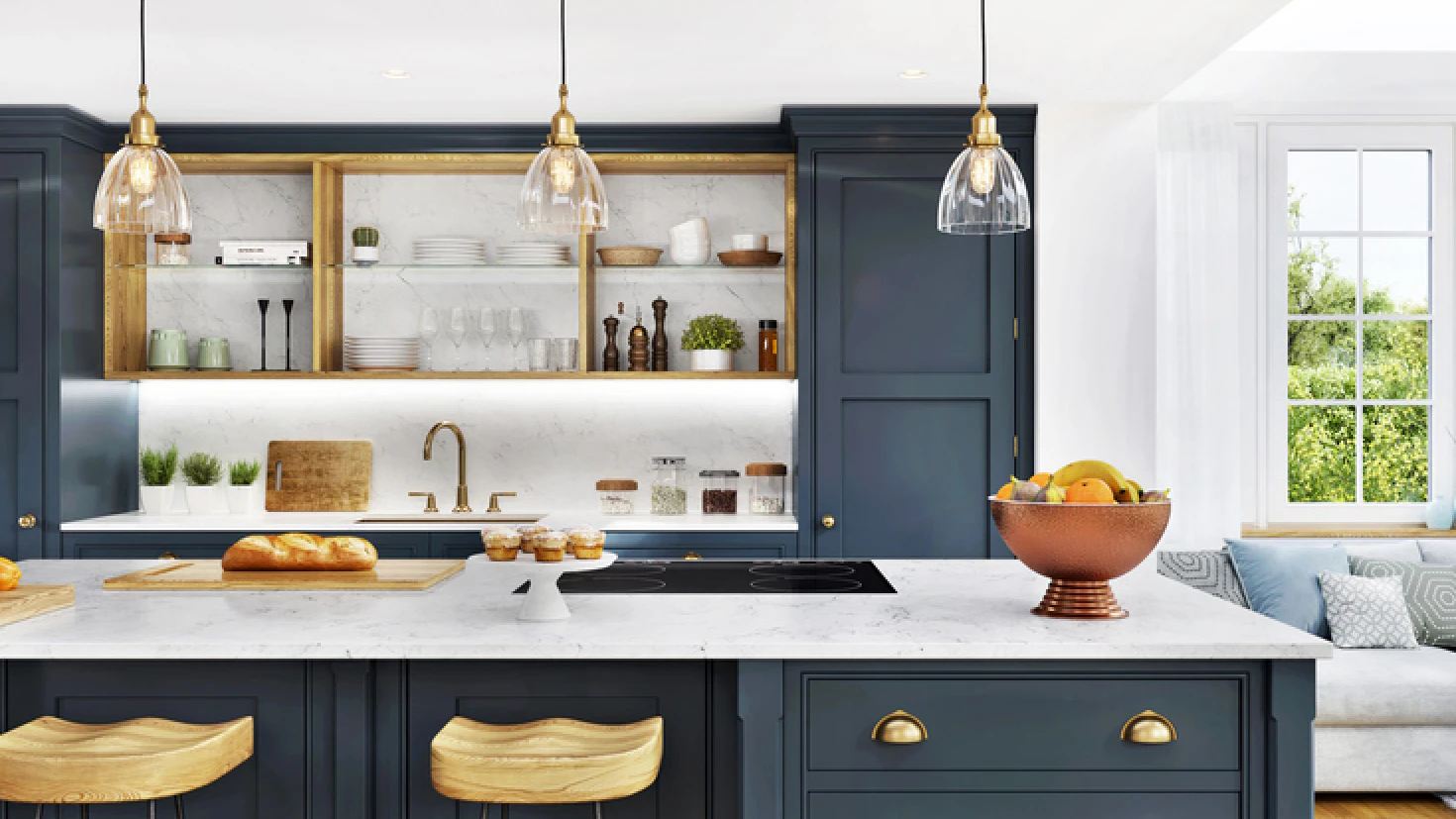
While clear glass shades were once a go-to choice for many kitchens, they are now considered overused and generic. Cathleen Gruver points out that their prevalence can lead to glare and visual clutter. The trend is shifting towards diffused or tinted glass shades, which offer a warmer, more flattering light.
Small Singular Pendants
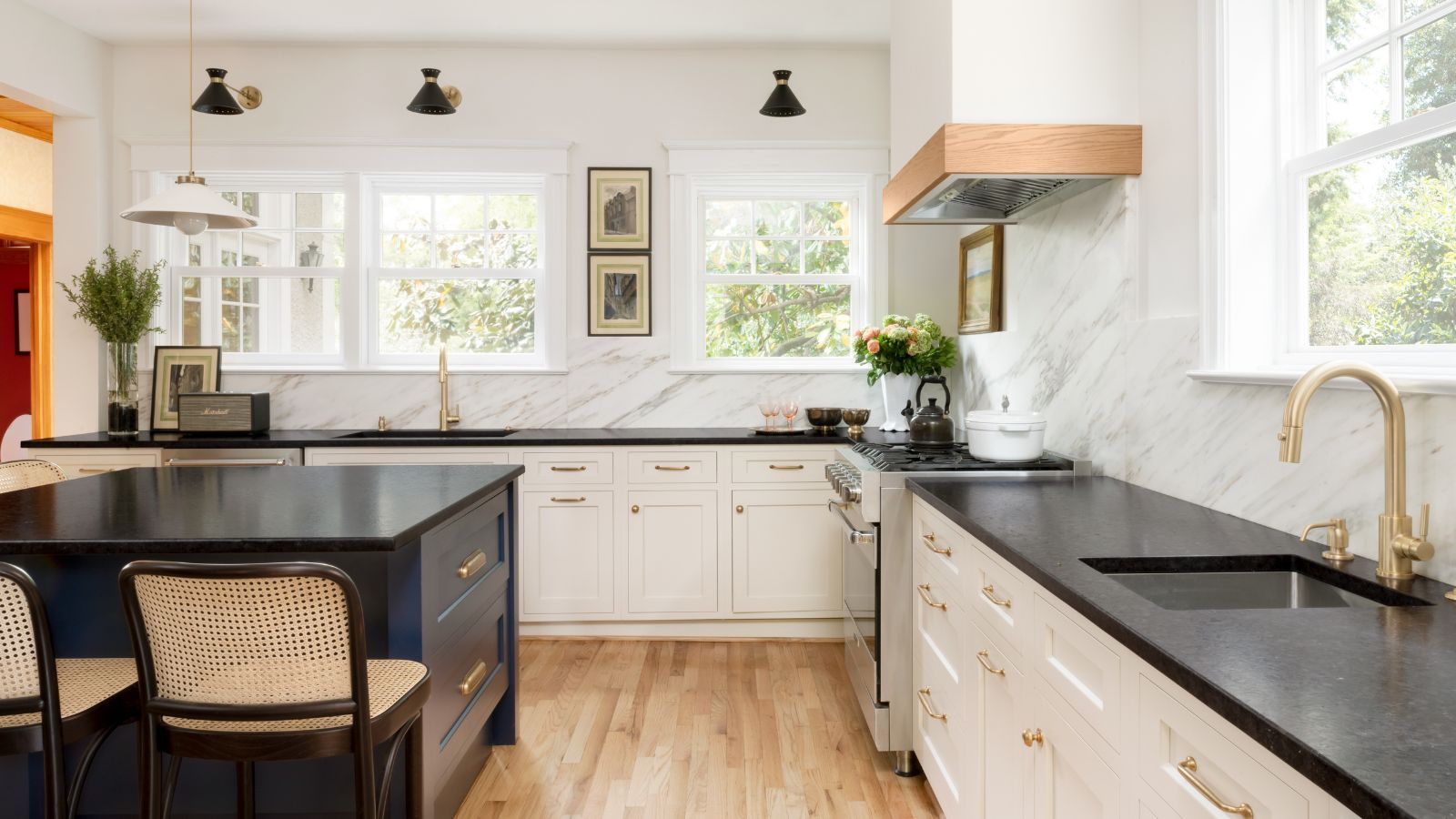
Small, singular pendants above kitchen islands no longer fit contemporary design sensibilities. Designer Kelly Emerson explains that they often lack proportionality with the space. Instead of relying on one type of pendant, layering different lighting types, such as recessed and wall-mounted fixtures, is now preferred to enhance functionality and aesthetics.
Decorative Sconces
Purely decorative sconces are also being phased out in favor of fixtures that serve a dual purpose. Maggie Goodrich notes that installations should focus on both form and function, ensuring that all fixtures harmonize. The goal is to avoid unnecessary decorative elements that might detract from a kitchen's overall design.
In conclusion, kitchen lighting should blend functionality with aesthetic appeal. While changing fixtures can be easy, choosing timeless designs coupled with effective layering is key to keeping a kitchen stylish.