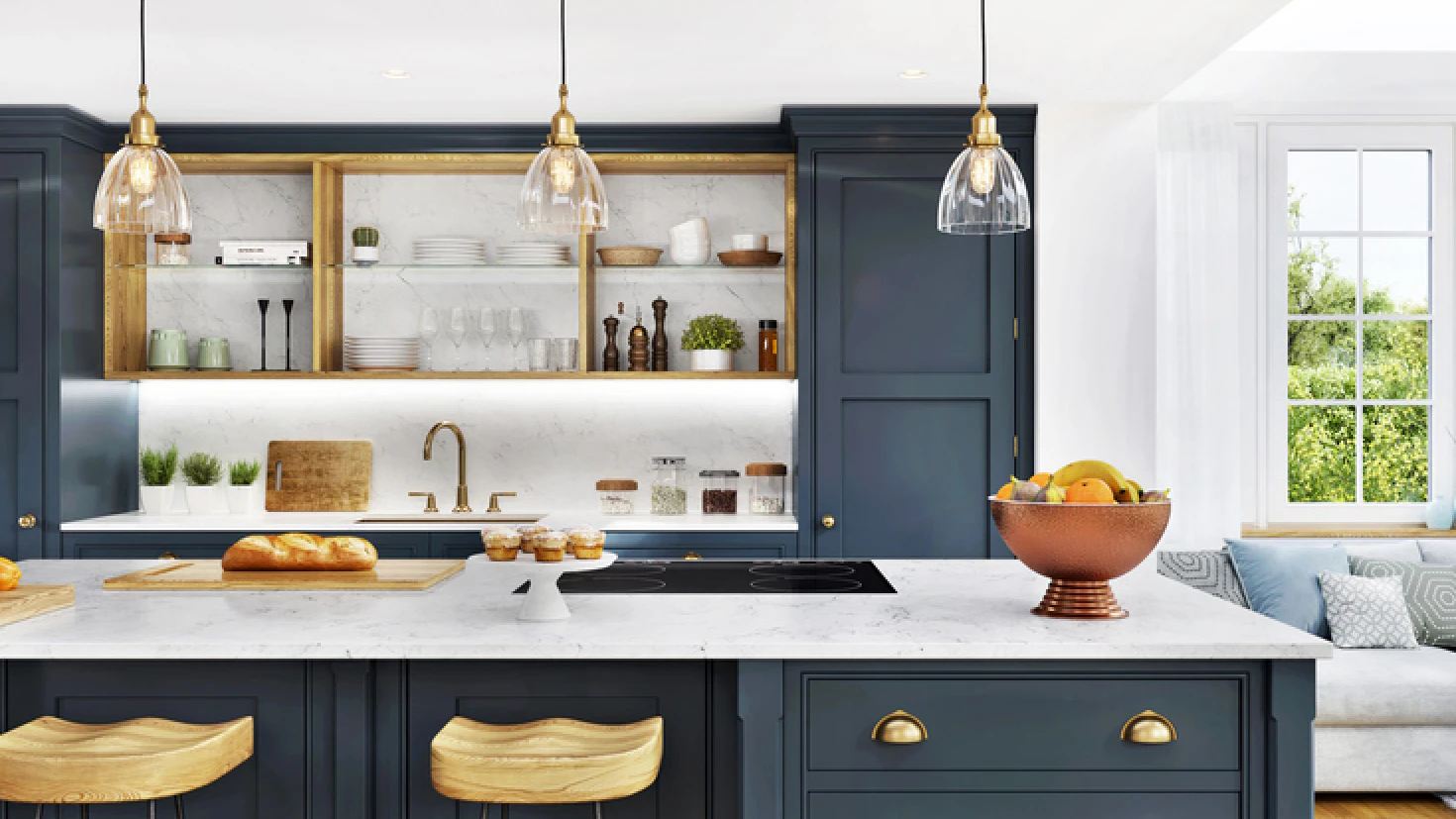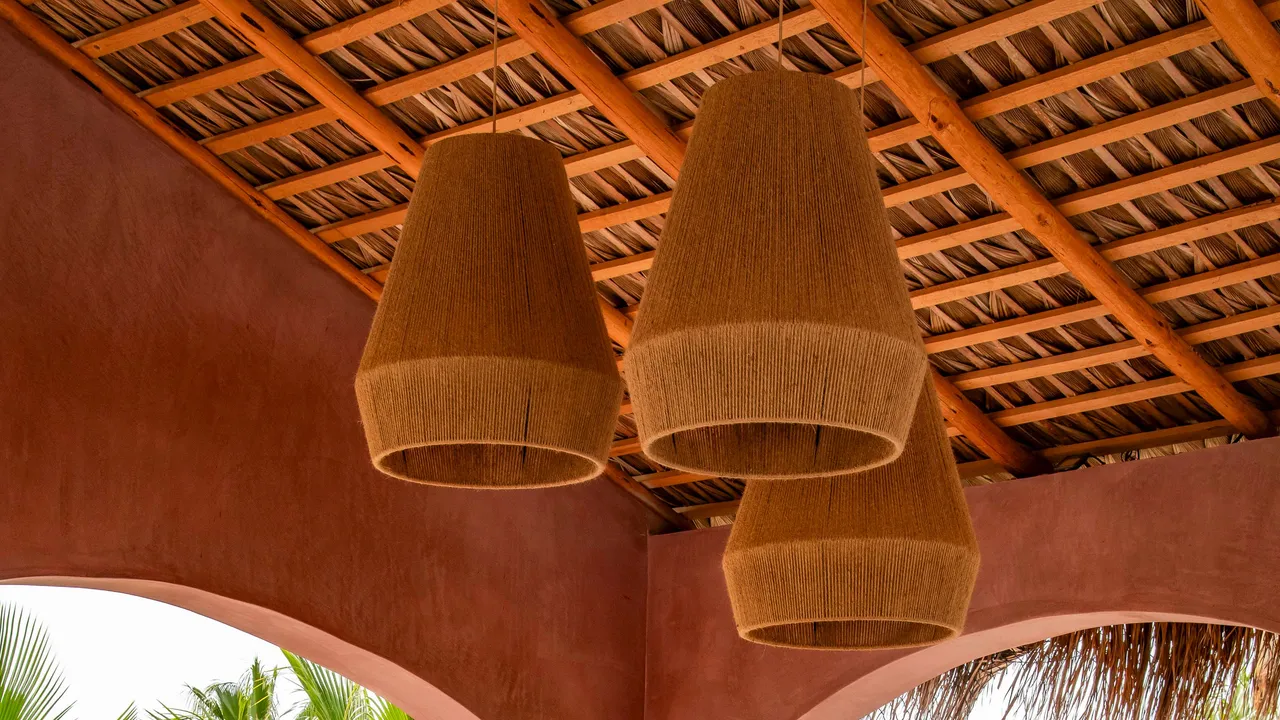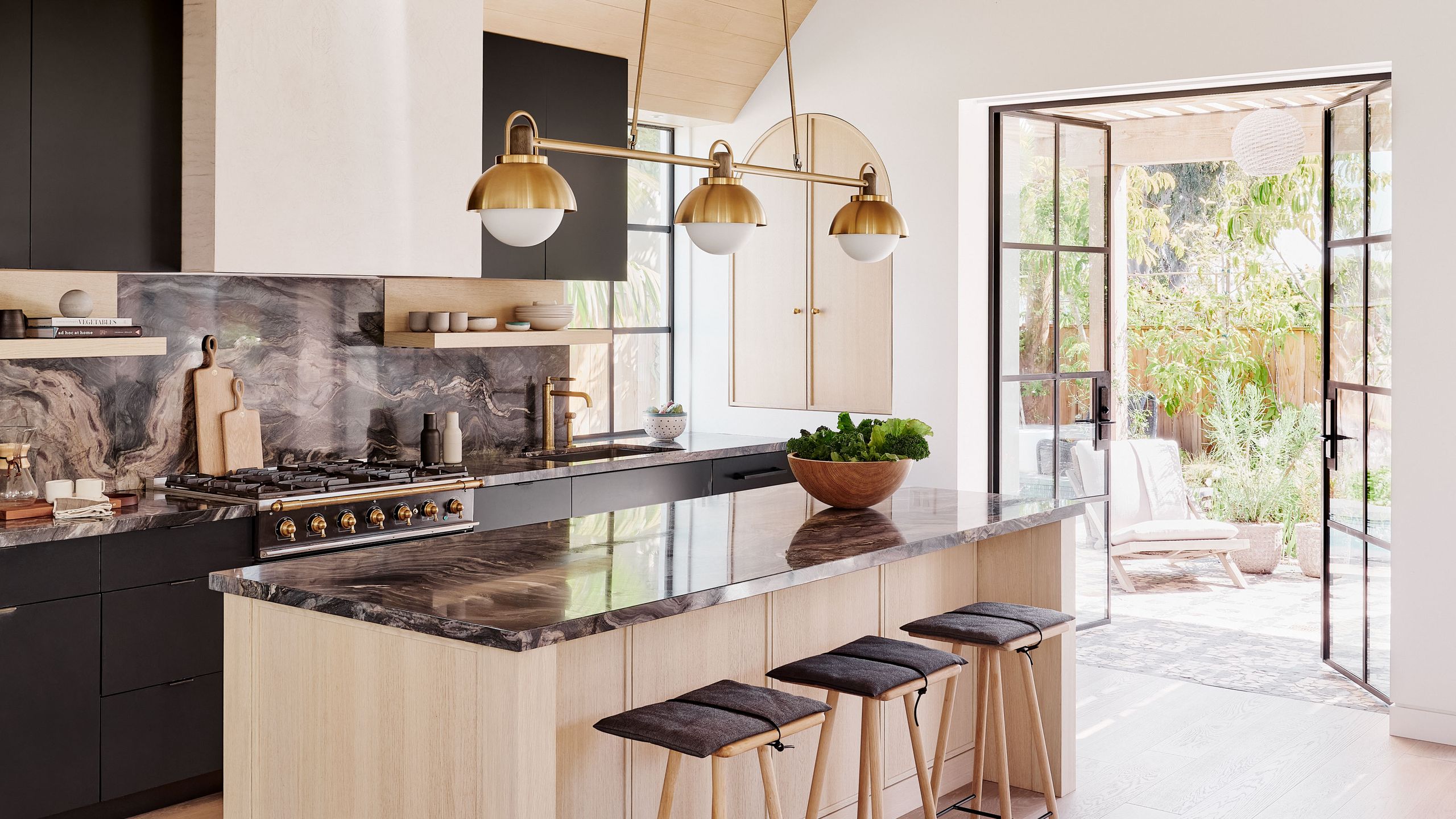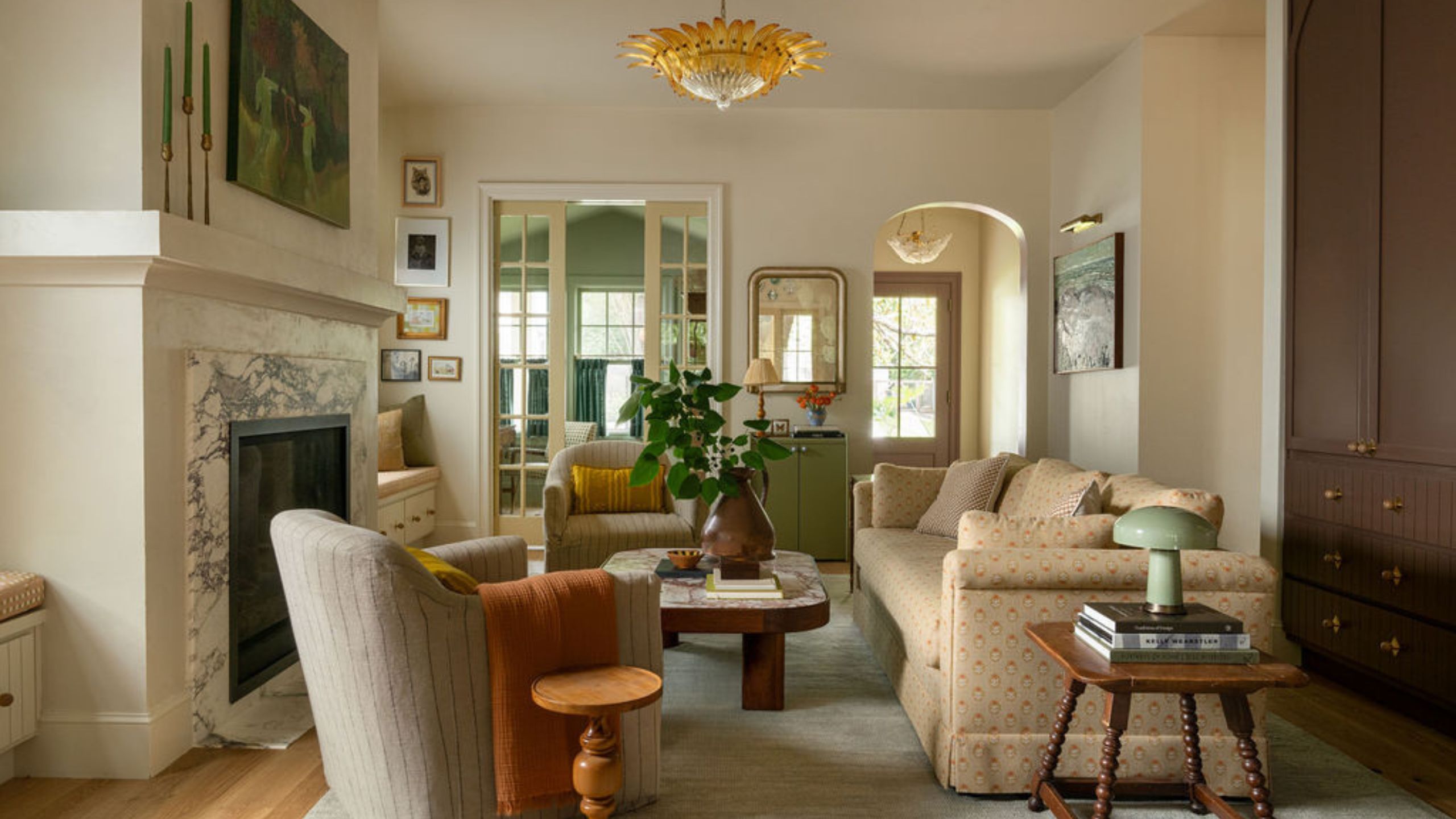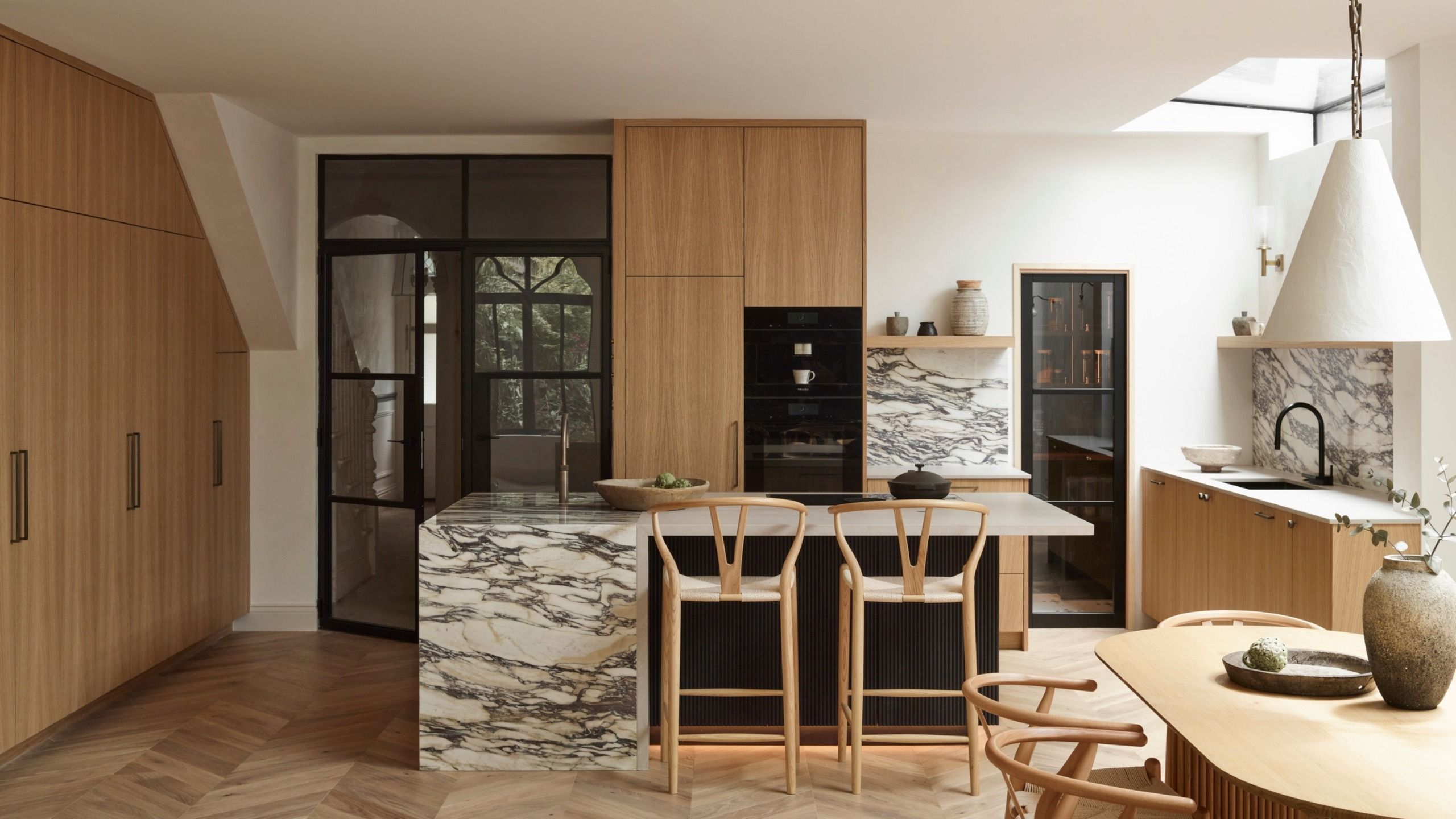
In recent years, the use of three pendant lights above kitchen islands has become less favored, prompting a reevaluation of design choices. Designers suggest this traditional look may feel predictable and dated. Artem Kropovinsky, founder of Arsight Studio, emphasizes evaluating the ceiling's height and light dynamics before deciding on pendant lighting. Instead of defaulting to the trio of pendants, focus on the overall room design and diversify your lighting options.
Emphasis on Layered Lighting
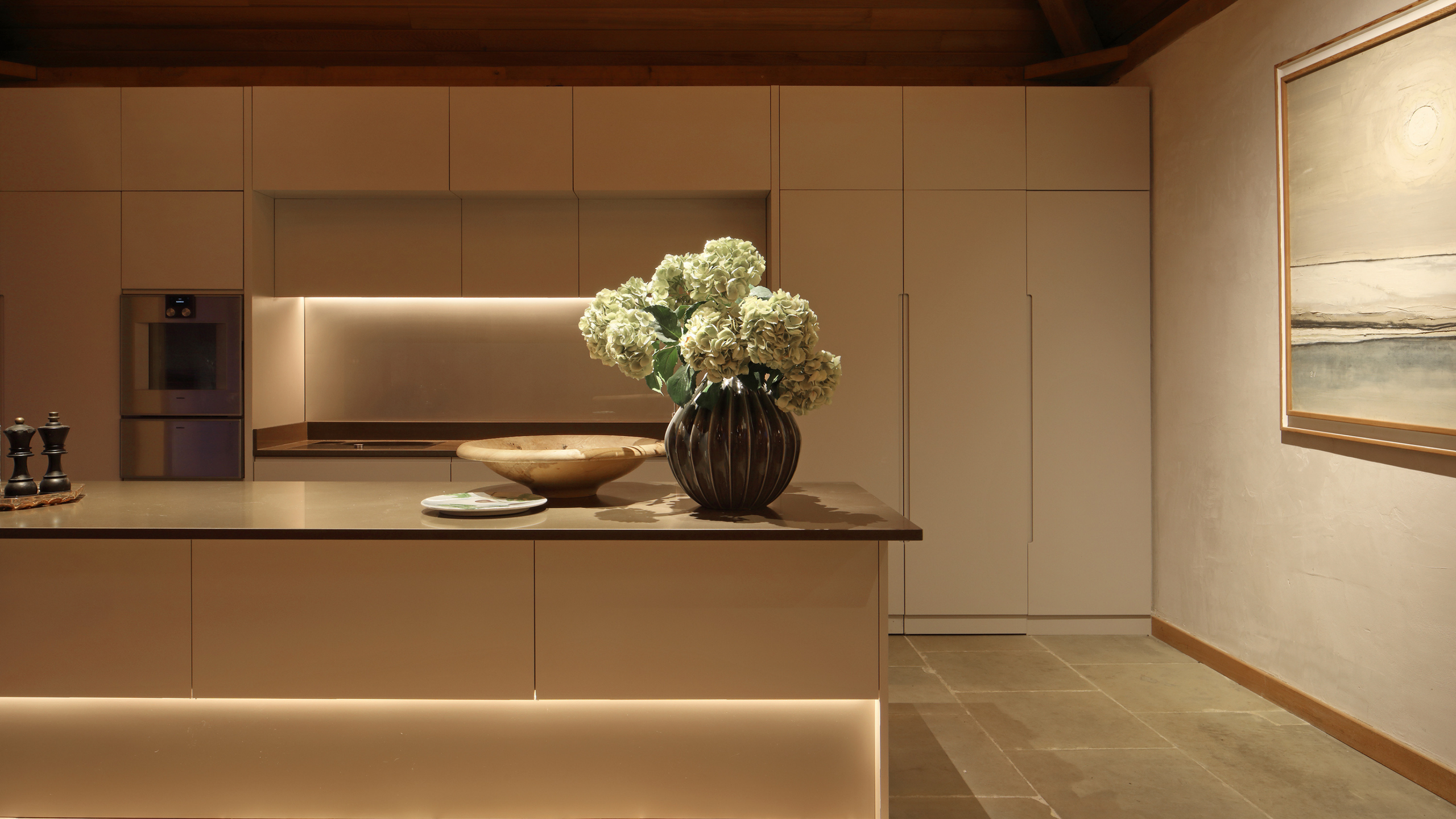
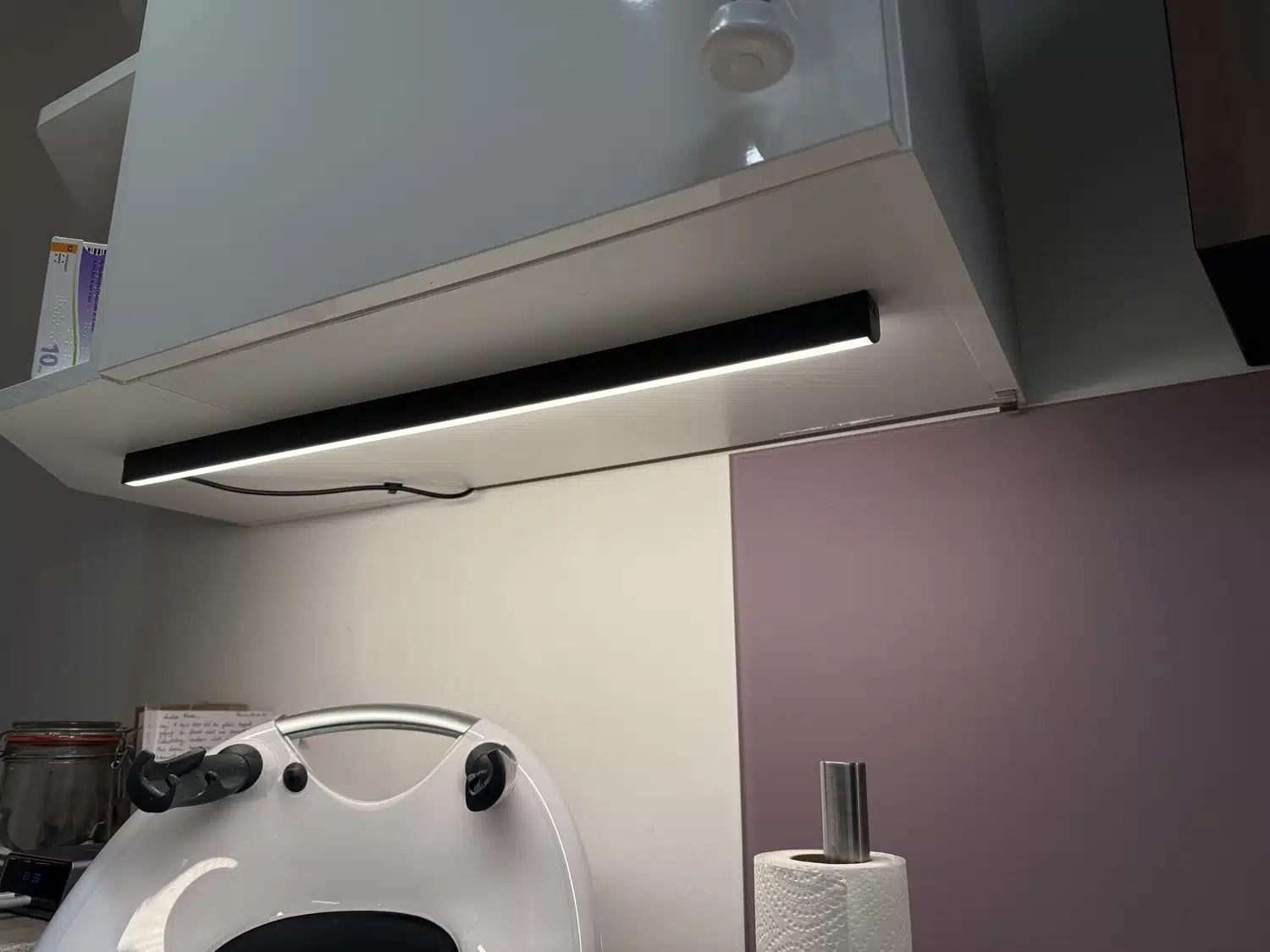
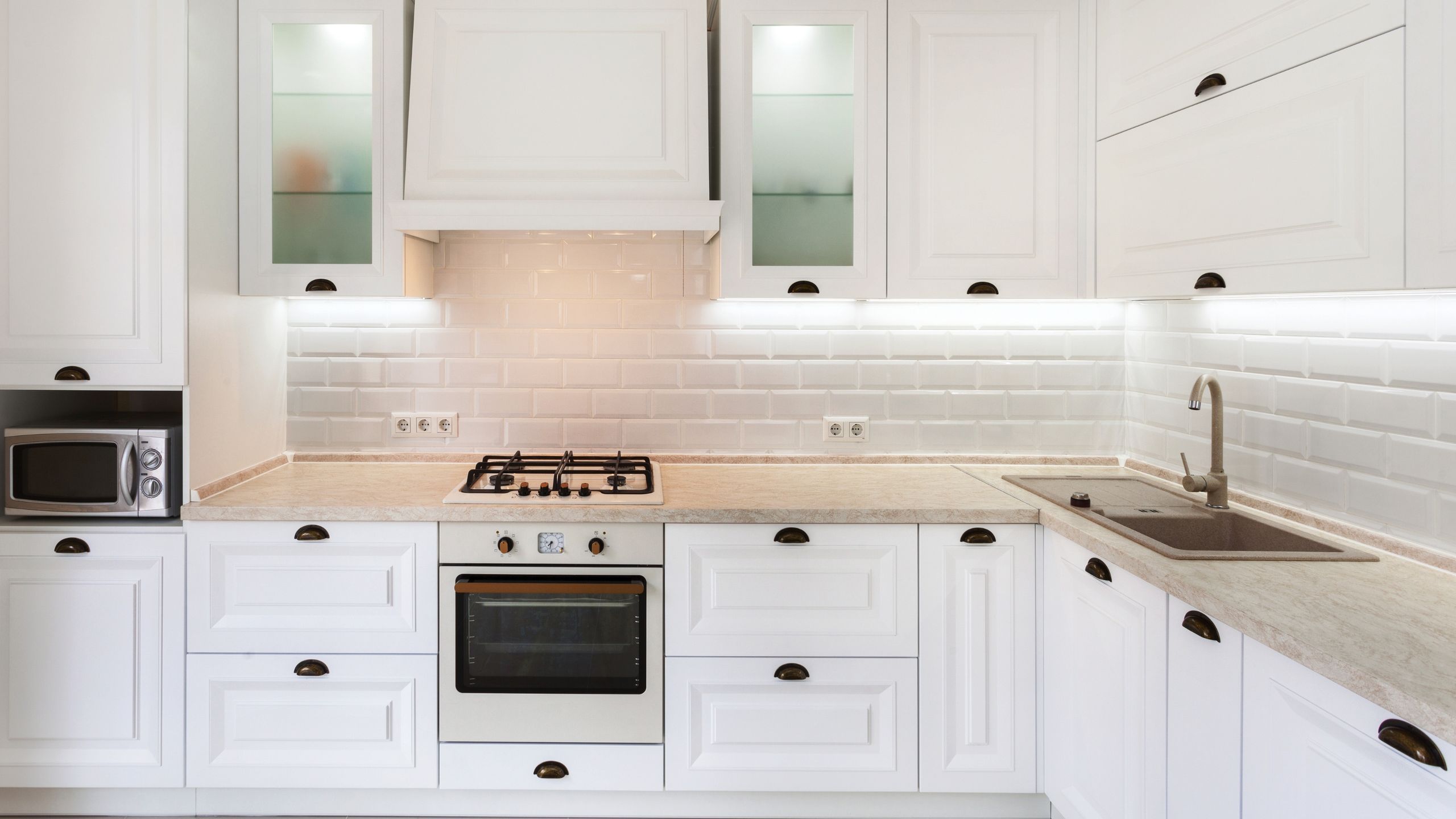
Modern kitchen lighting emphasizes layering with varied heights and sources. It's essential to use multiple lighting categories, such as wall lights and architectural lights, to create a multi-functional atmosphere. Kropovinsky suggests that effective kitchen lighting should include practical elements at different heights. Once essential tasks are covered with under-cabinet and wall lighting, there's more room to consider the ambiance.
Helen Parker, creative director at deVOL Kitchens, adds that strategically placed occasional lights can enhance character and warmth. Incorporating rechargeable or plug-in lamps can also bring inviting illumination to dark corners. Erik Munro from Munro Design reinforces this by recommending concealed architectural lighting to create soft ambient effects.
Two Pendant Lights as a Contemporary Choice
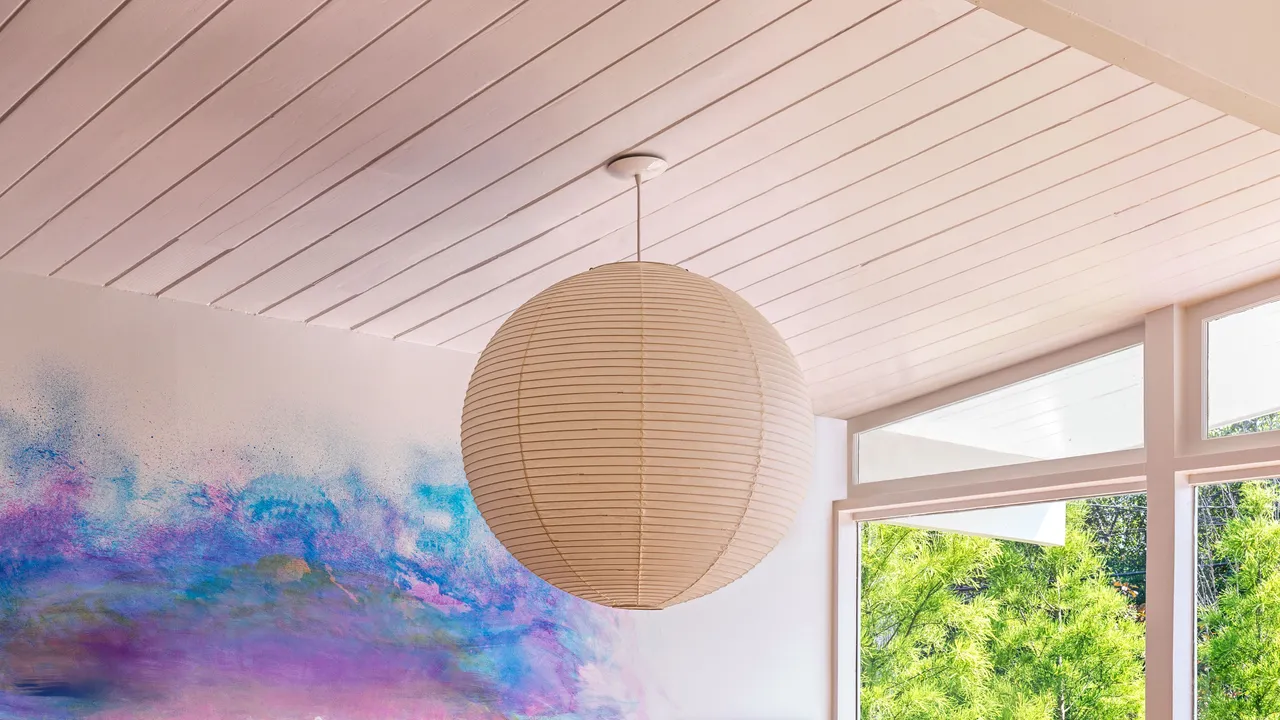
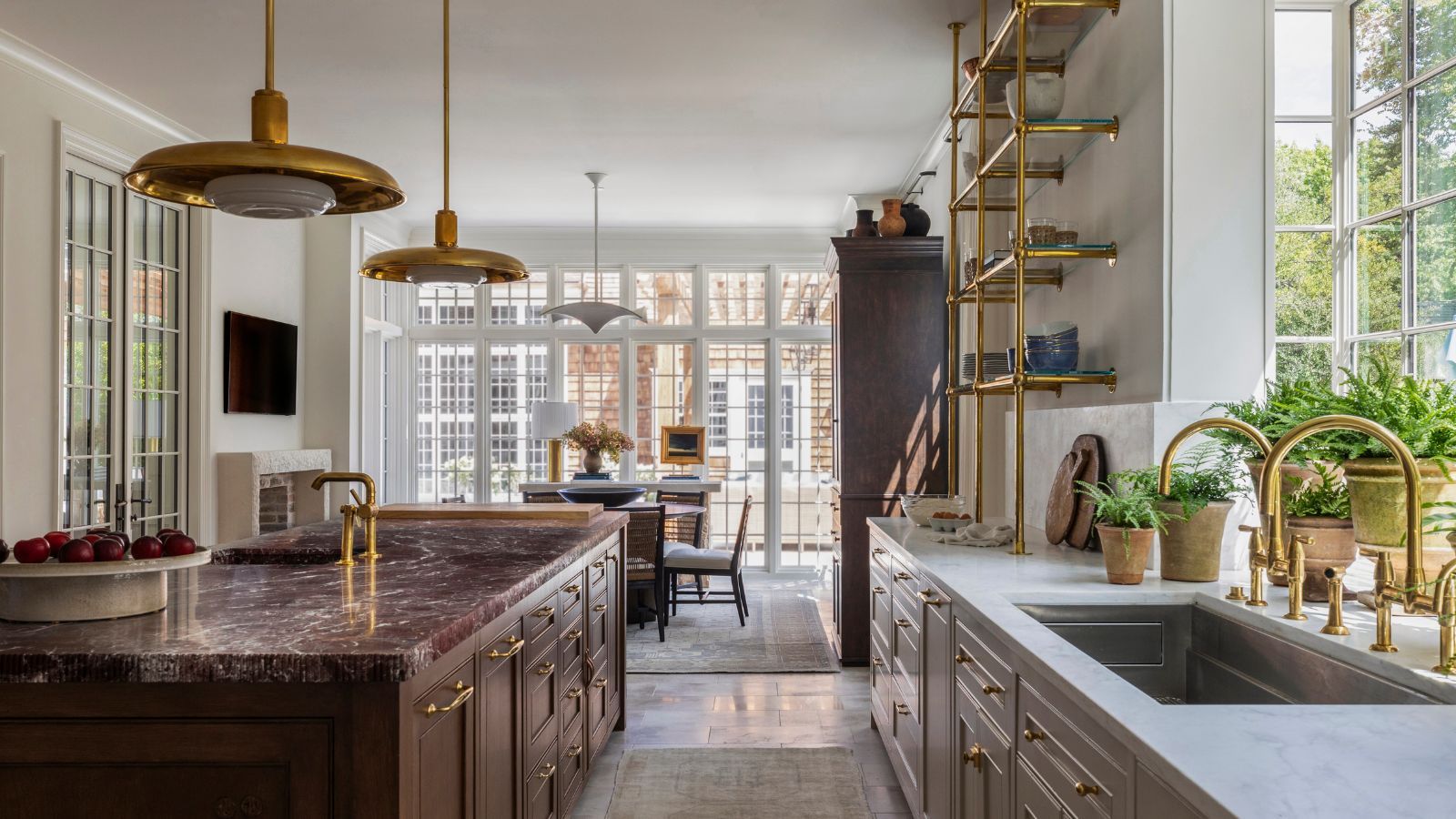
For those who prefer pendant lighting, designers recommend using two larger pendants instead of three. This approach appears more intentional and refined. Helen Parker advocates for simplicity and elegance in pendant selection, while Kropovinsky notes that often, recessed lighting can accomplish the necessary illumination without being visually dominating. This allows for one singular pendant to serve as an artistic statement.
Alternatives to Traditional Pendant Lighting
Chelsea Tallentire from Makers Furniture suggests exploring alternative lighting options above the island, like adjustable directional spotlights on a track. This provides versatility while achieving a contemporary aesthetic. Such features can serve both as task lighting and a stylistic choice, moving away from the standard grid look.
Relocating Pendant Lighting for Dining Areas
Another approach is to shift pendant lighting away from the island and position it over dining tables. Tom Raffield, creative director of Tom Raffield, believes that this placement can enhance intimacy and ambiance, especially with dimmable features. Depending on the size and design, two pendants can also work effectively over the dining area.
Overall, kitchen lighting should be thoughtfully layered and adaptable, allowing for varying moods throughout the day. Moving away from predictable arrangements opens up possibilities for personalized and inviting spaces. By integrating practical and decorative elements, homeowners can create kitchens that are both functional and warm.