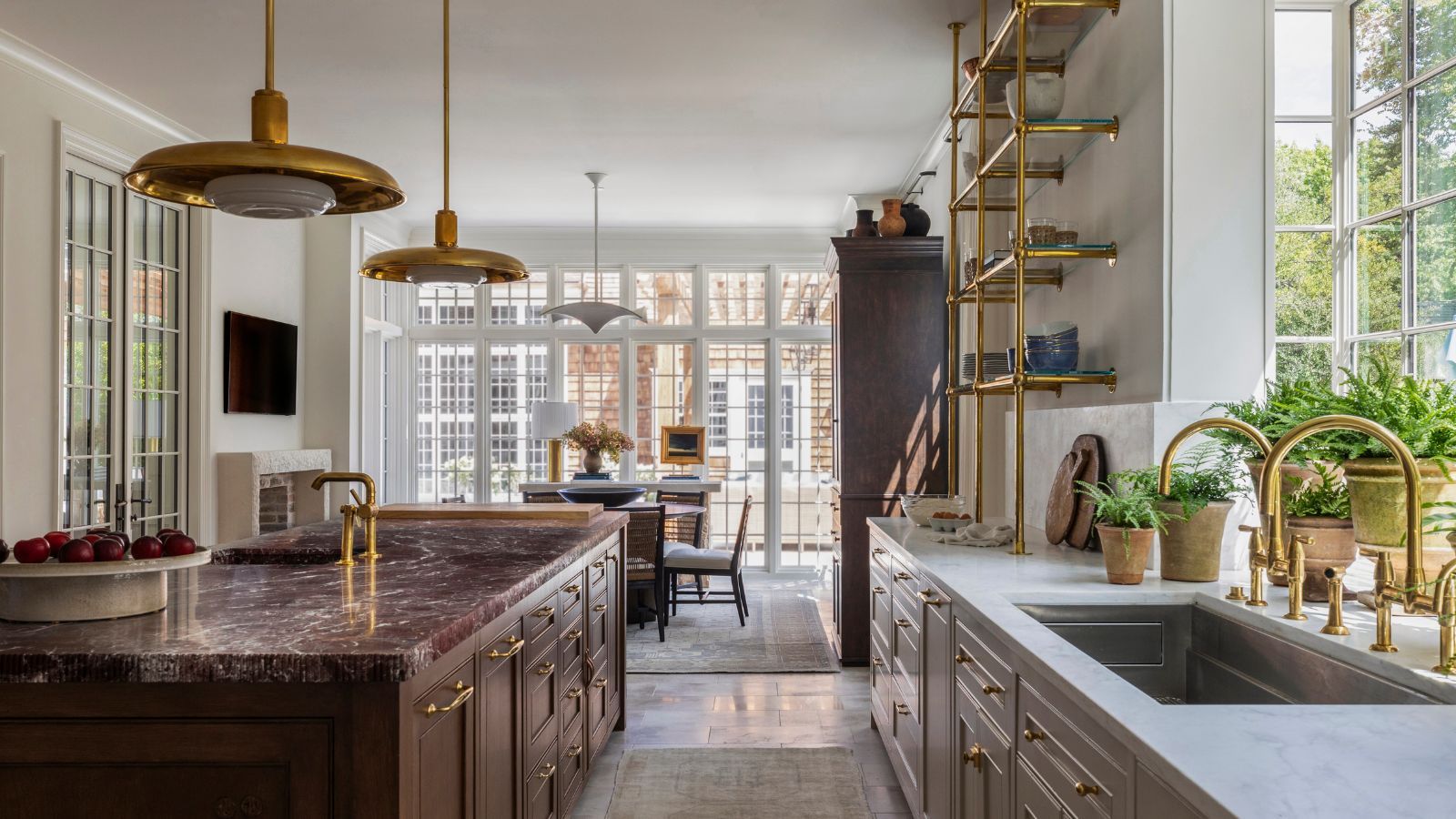
Effective kitchen lighting is crucial, serving both functional and aesthetic purposes. Interior designers frequently recommend the 'rule of three' to ensure kitchens are well-lit for tasks, while also feeling warm and inviting. This principle emphasizes incorporating three types of lighting: task, accent, and ambient.
The rule focuses on different lighting functions rather than the number of fixtures. Interior designer Marie Flanigan emphasizes that these layers create depth and usability, allowing for smooth transitions from morning coffee to evening gatherings.
Types of Lighting: The Basics
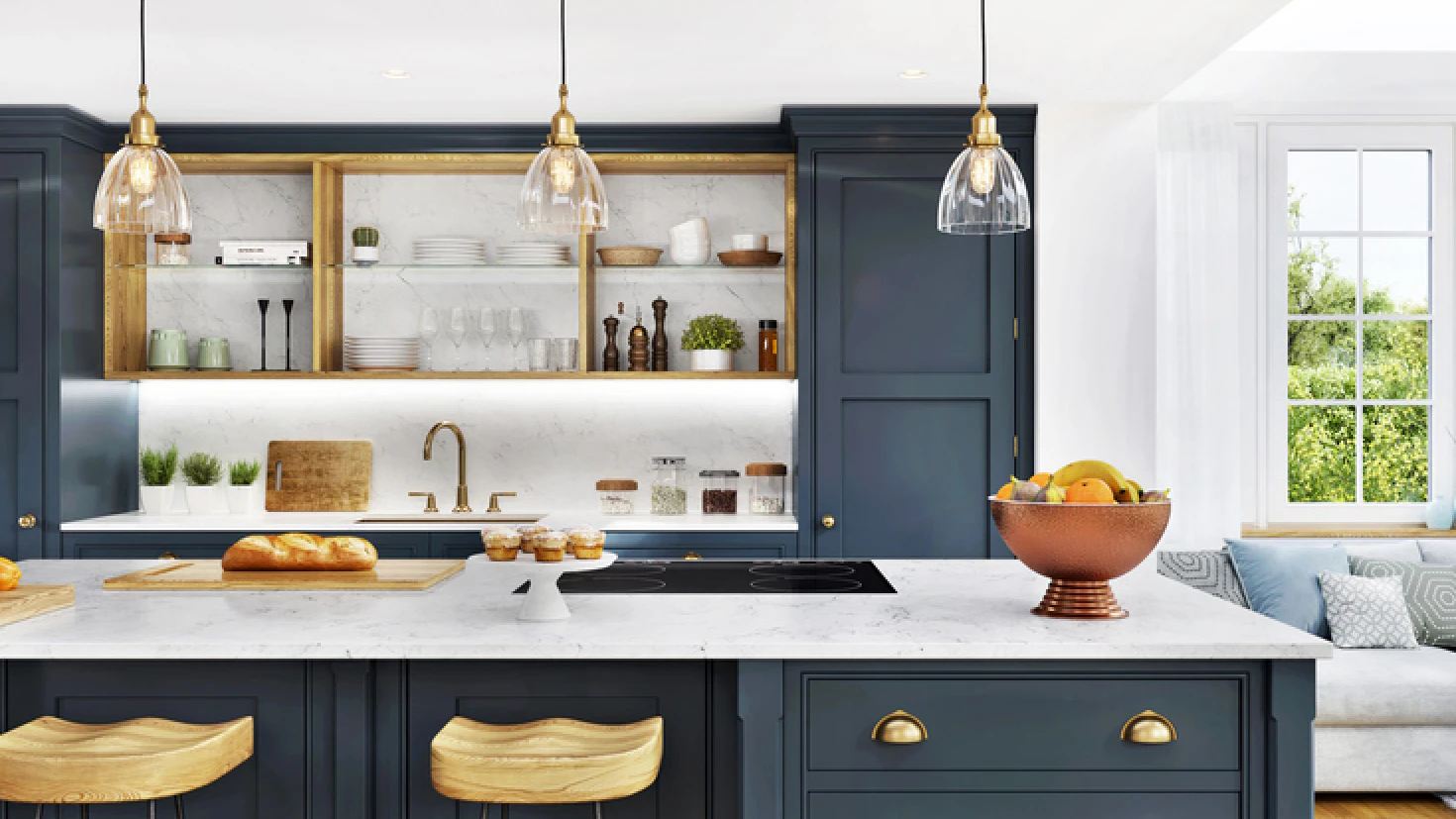
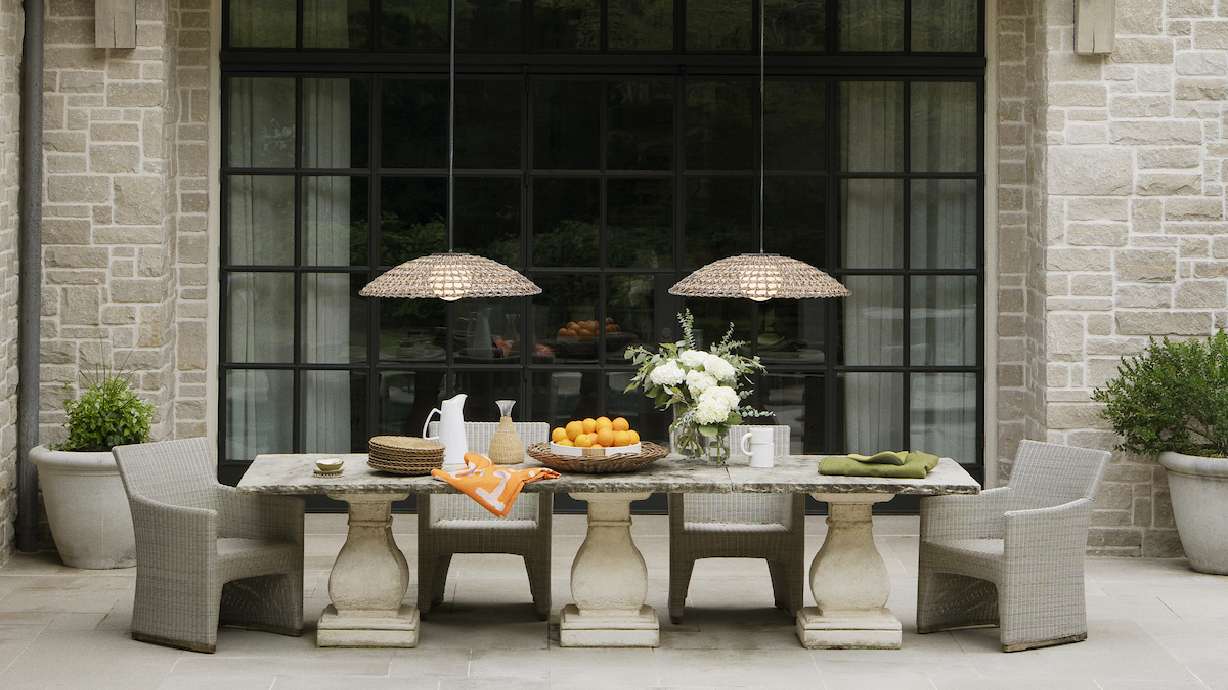
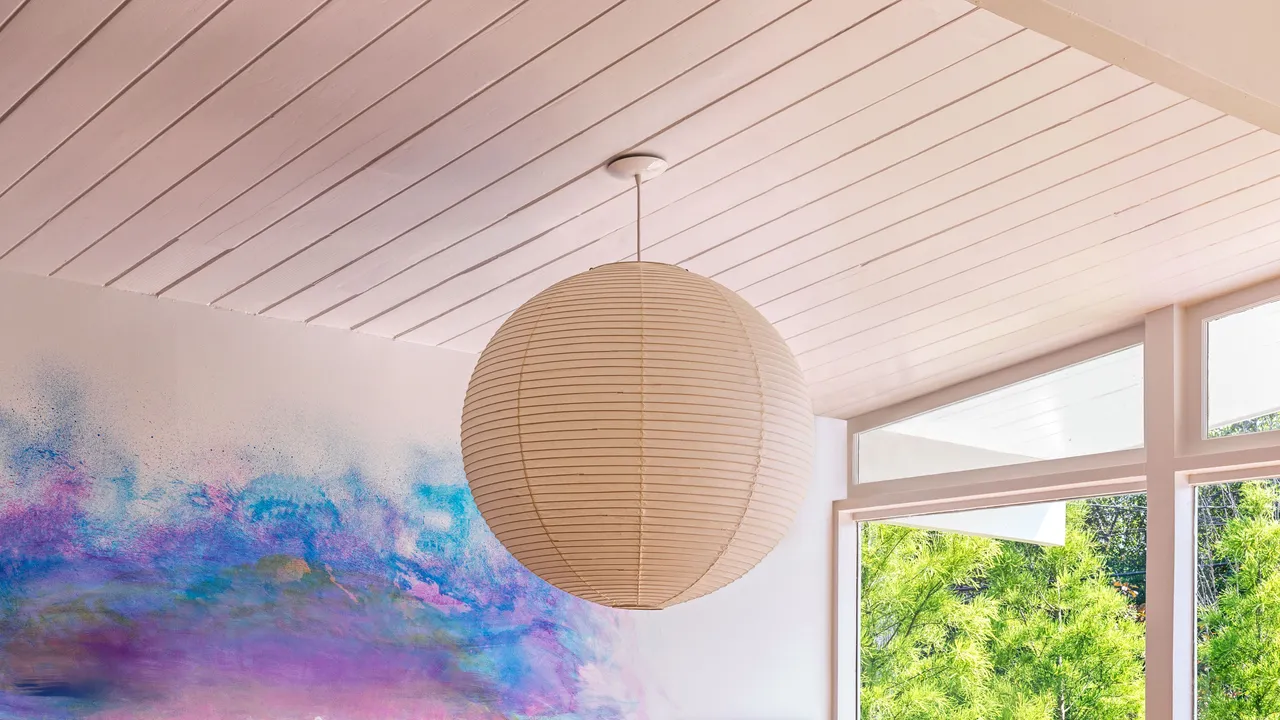
Ambient lighting provides overall illumination essential for navigating the kitchen. Common fixtures include chandeliers or pendant lights over islands, along with natural light sources like windows. "Ambient lighting sets the tone for the room and should create an inviting atmosphere," explains Kathy Kuo, another interior designer.
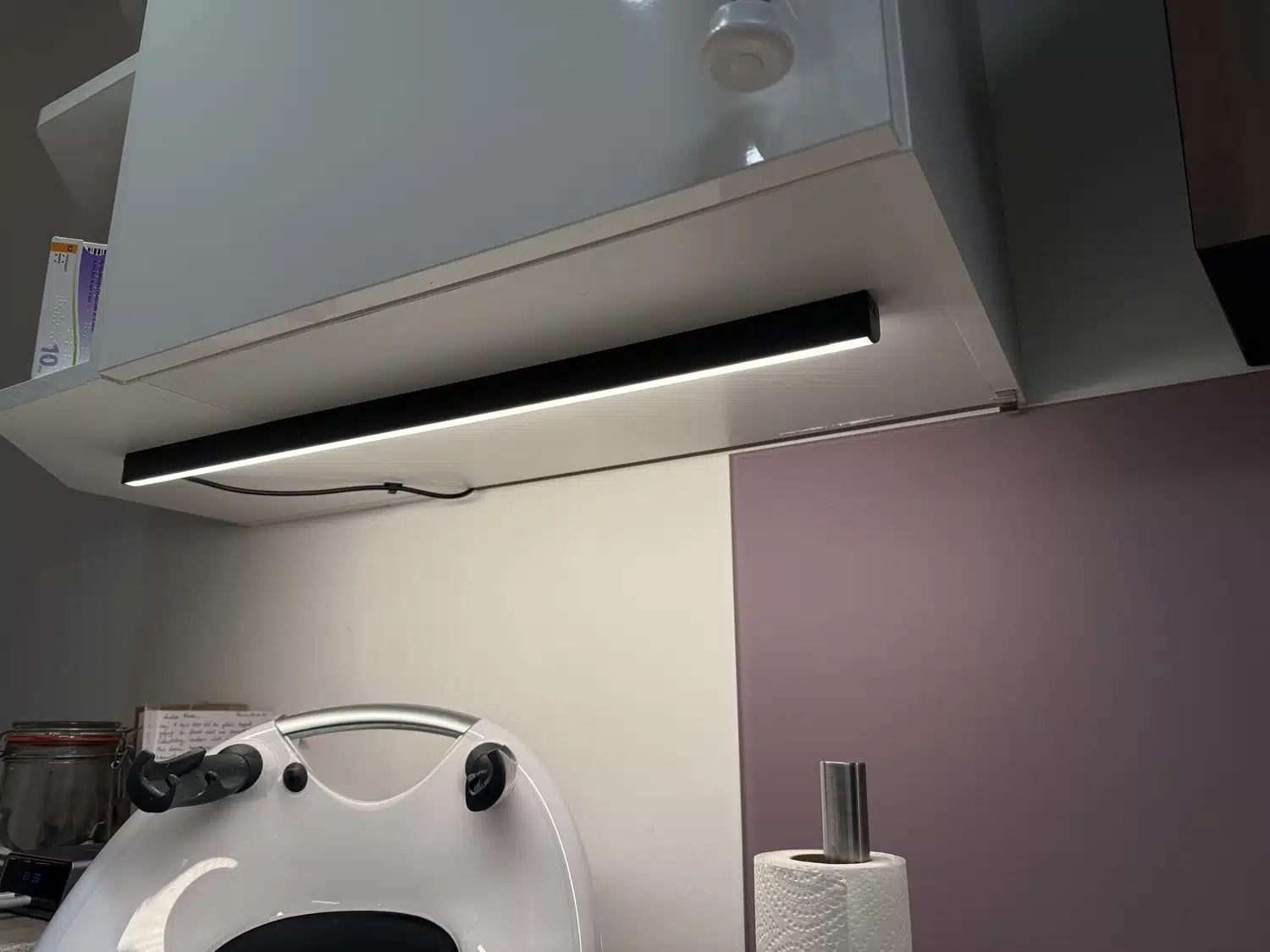
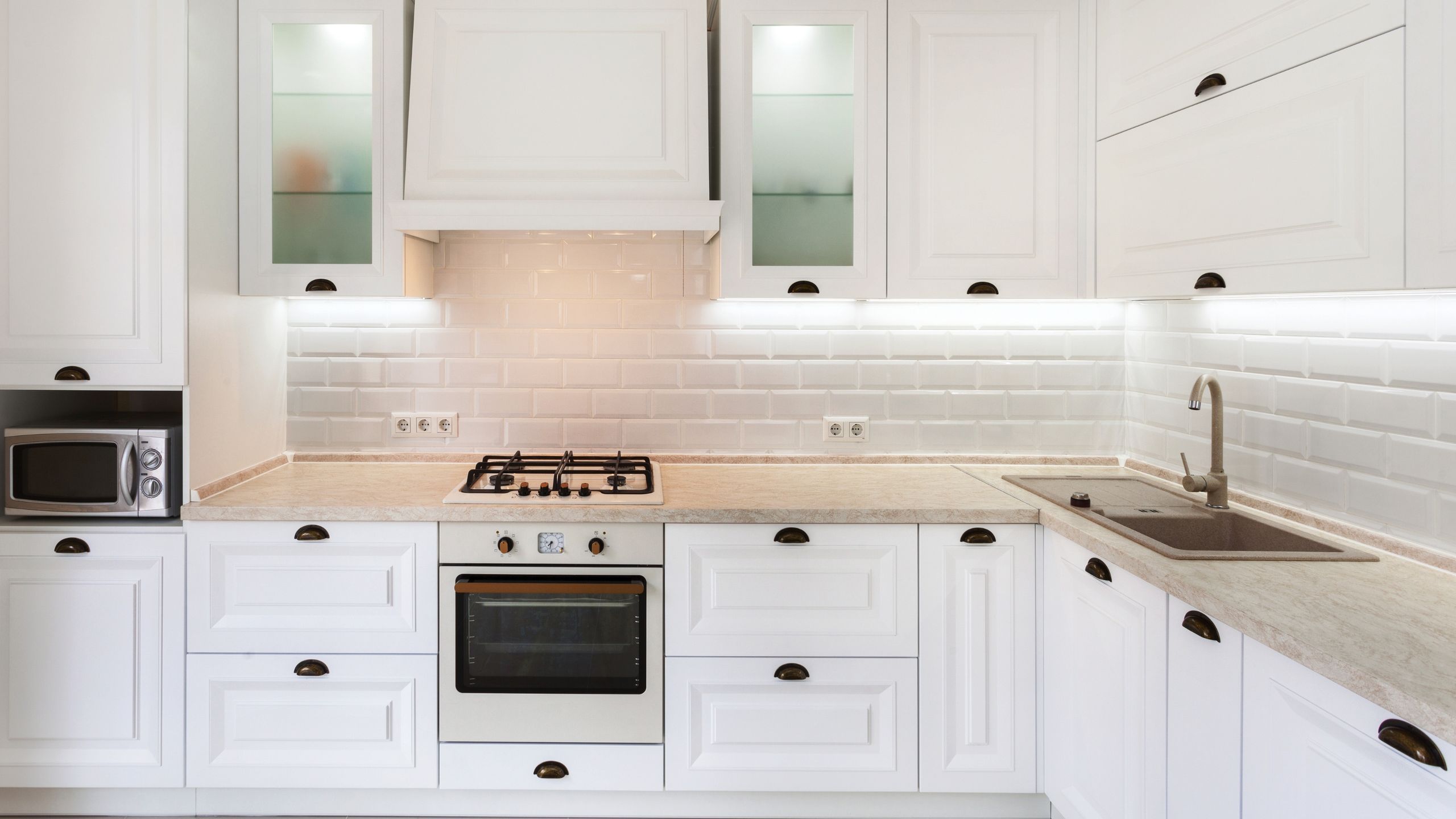
Task lighting is directed toward specific work areas. This includes under-cabinet lights above preparation zones and pendants over the sink. Kuo recommends dimmable options to adjust brightness based on needs, especially in kitchens with low ceilings, where wall lights can help maximize usable prep space.
Accent Lighting for Aesthetic Appeal
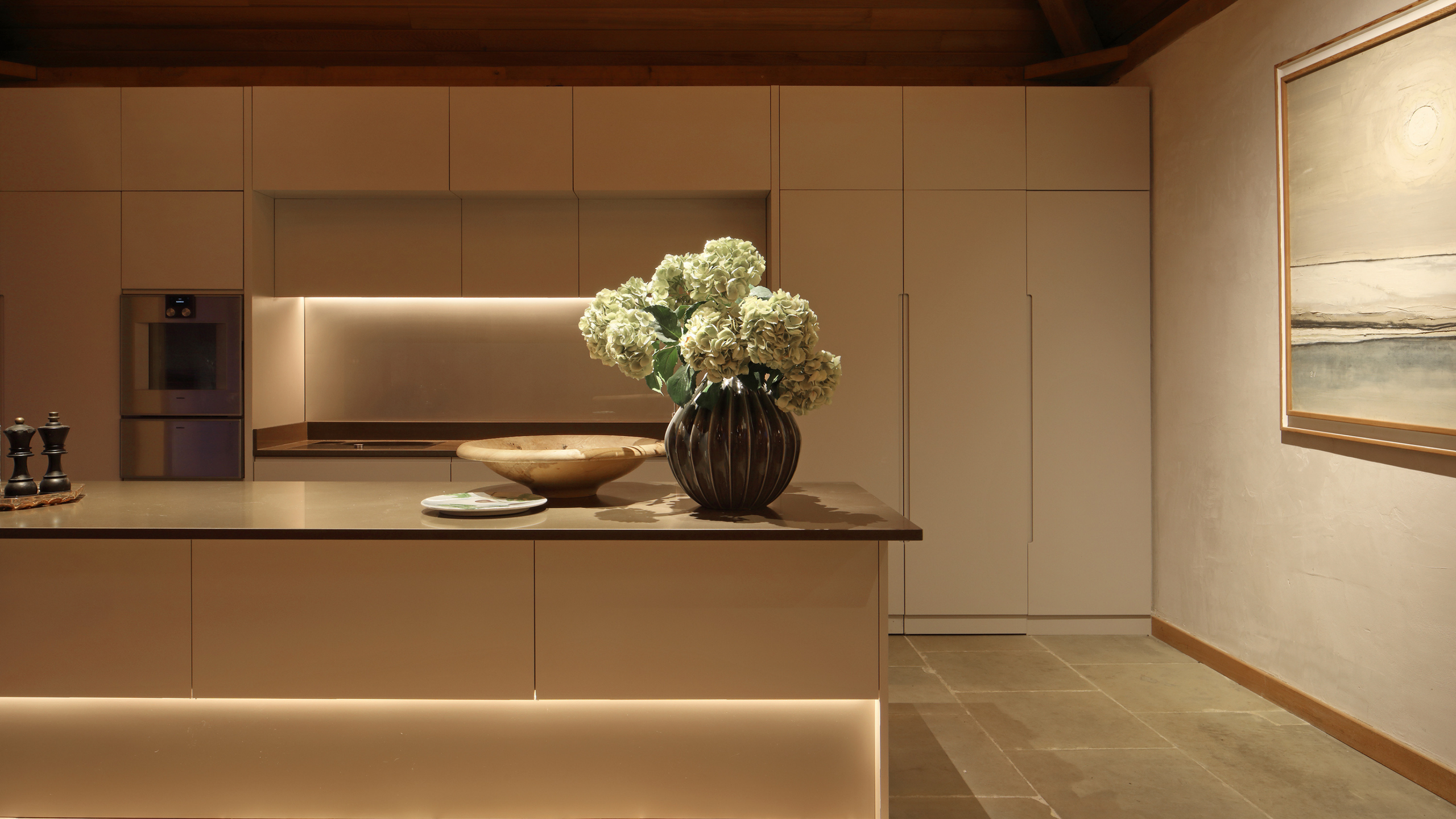
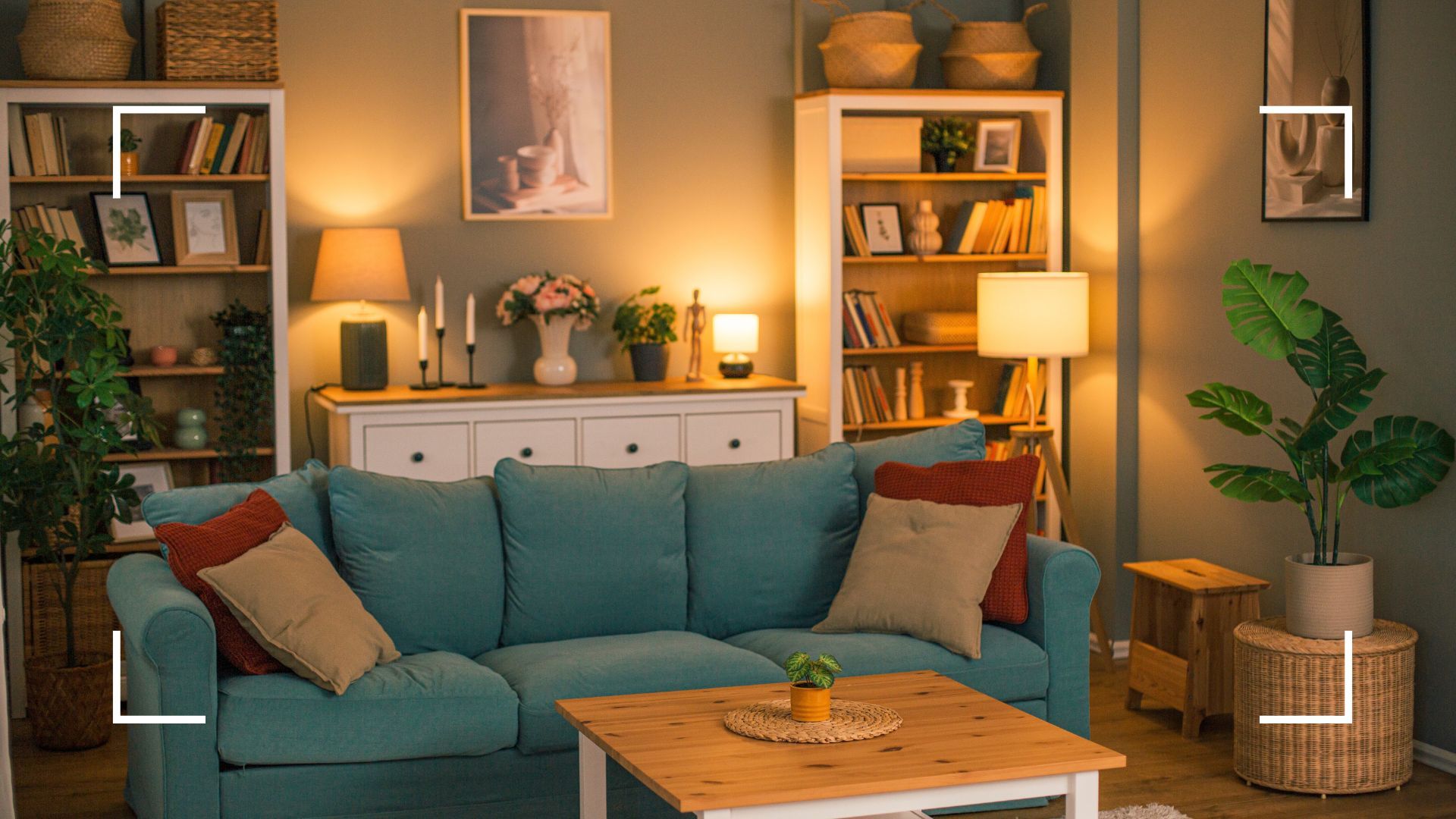
Accent lighting is about highlighting beautiful details and adding visual interest. It often serves as the final touch, showcasing open shelving or artwork. Designers suggest incorporating warm wall lights or table lamps to create a cozy ambiance in the kitchen.
Additionally, countertop lamps have gained popularity for their unexpected charm. Options like cordless designs are practical for smaller spaces, adding both style and functionality.
Importance of Light Quality and Fixture Style
The type of light emitted is just as important as placement. Cold, bright white ambient lighting can detract from a warm atmosphere. Kathy Kuo recommends installing dimmer switches for versatility and suggests smart bulbs for those unable to install dimmers.
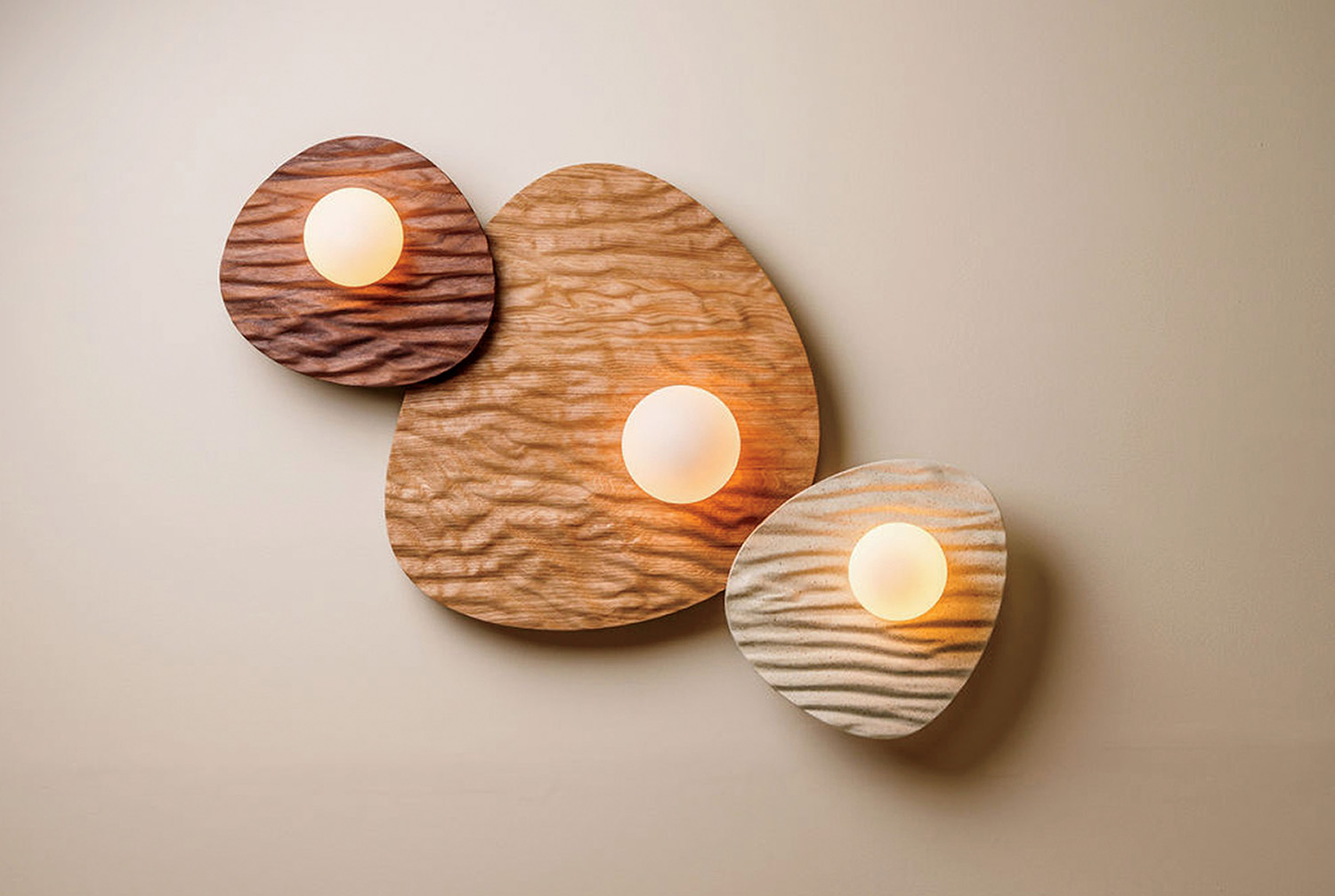
Fixture selection adds style and interest, with designers encouraging a mix of materials to add depth to the kitchen's overall scheme. For example, pendants with unique designs can offer stylish task lighting, while sconces can serve as both functional and decorative elements.
In summary, adopting the kitchen lighting rule of three provides a structured approach to achieving a beautiful yet functional space. It allows for mood adjustments and versatility, leading to a kitchen that is both inviting and effective.