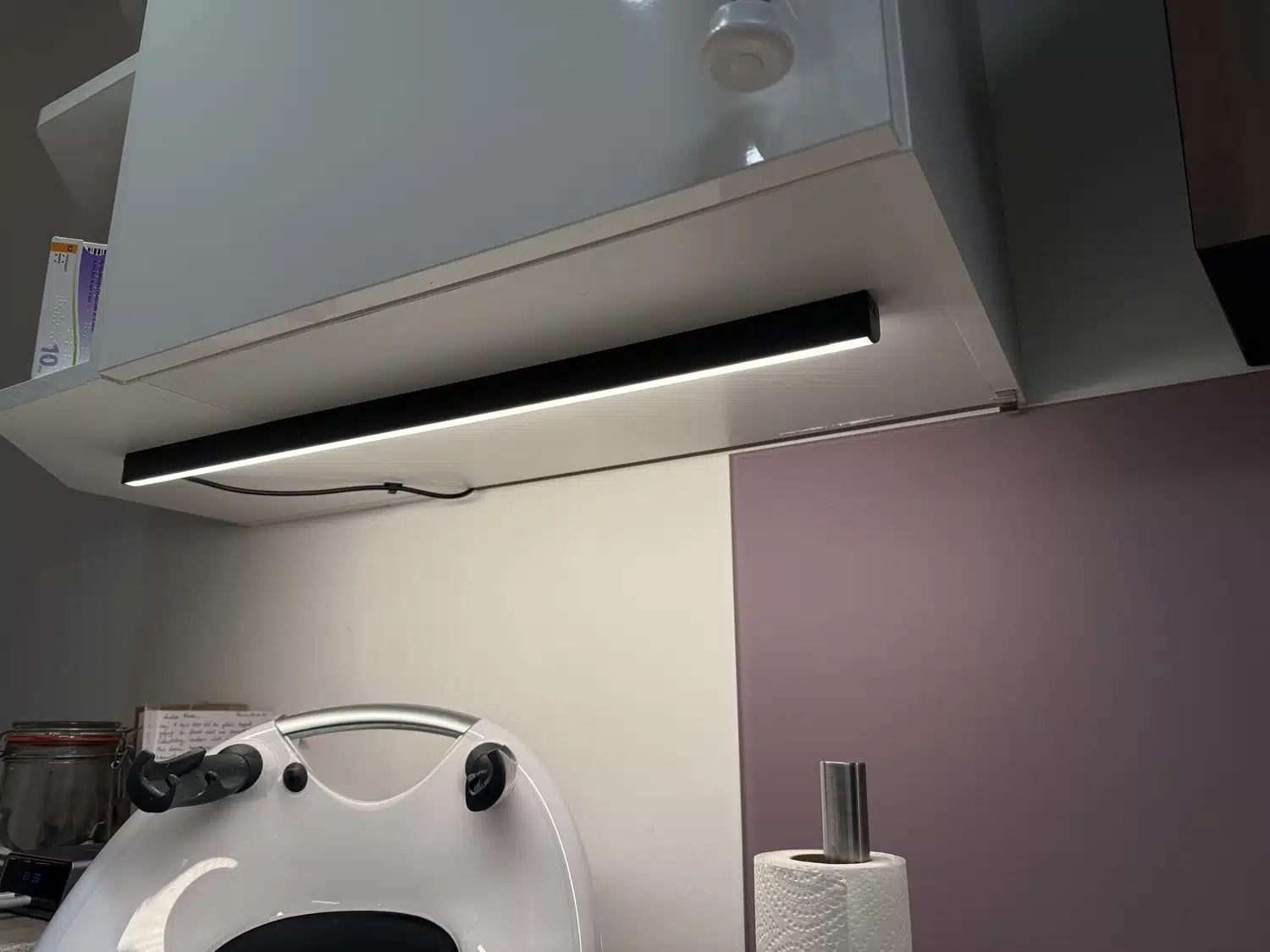
Max Tripodi, owner of RCA Contractors in Florida, emphasizes the importance of lighting in homes for seniors. He notes that effective lighting not only improves safety by reducing tripping hazards but also enhances the quality of life. Natural light is particularly beneficial for the mental and emotional well-being of seniors, especially those living alone during fall and winter.
Together with Chris Moore, founder of Solid Rock Enterprises in Virginia, the two Certified Aging in Place Specialists (CAPS) provide insights on making lighting a priority in homes designed for aging residents. They suggest straightforward lighting solutions and updates to enhance safety and comfort.
Target Key Areas for Lighting Improvements
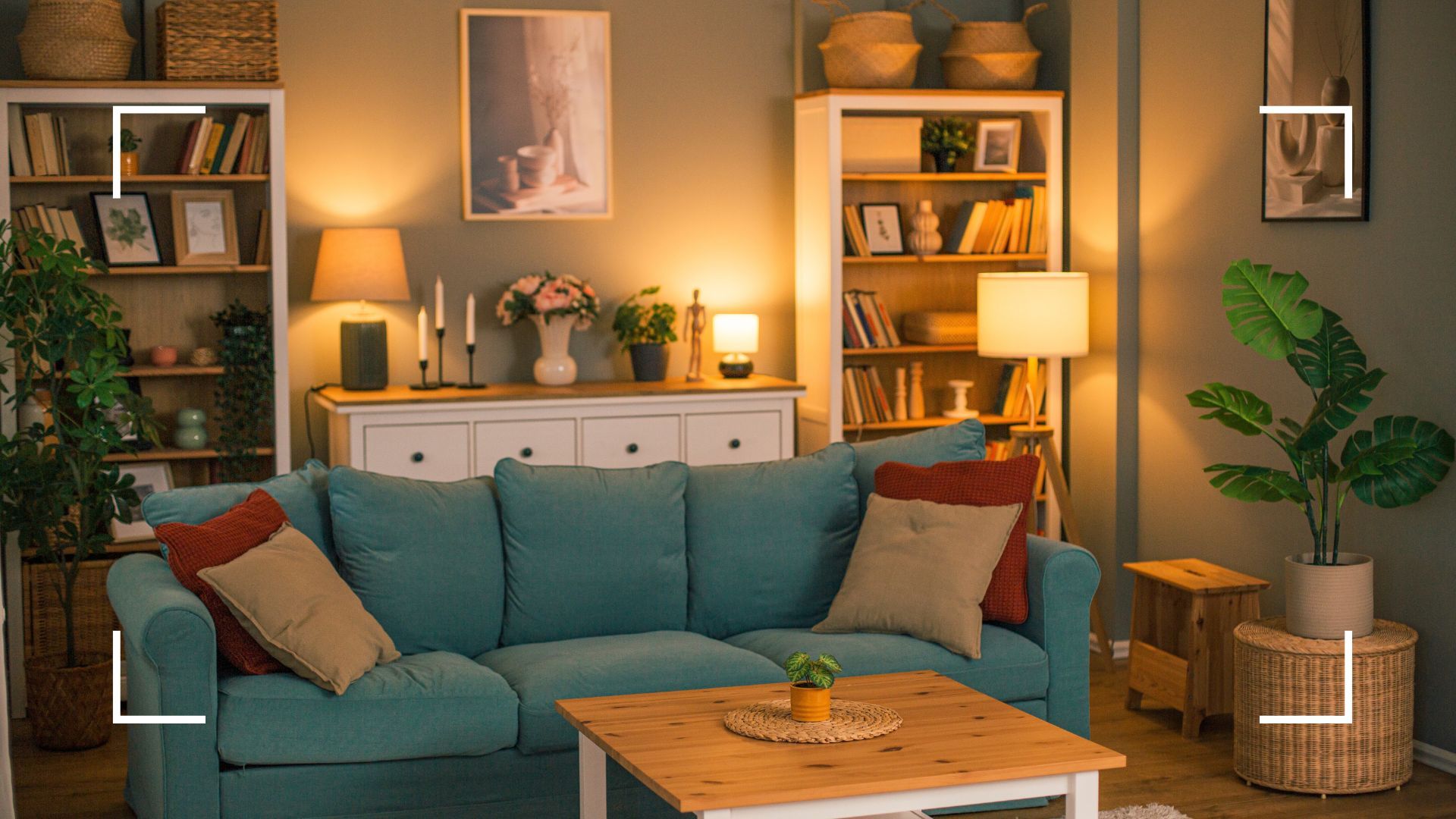
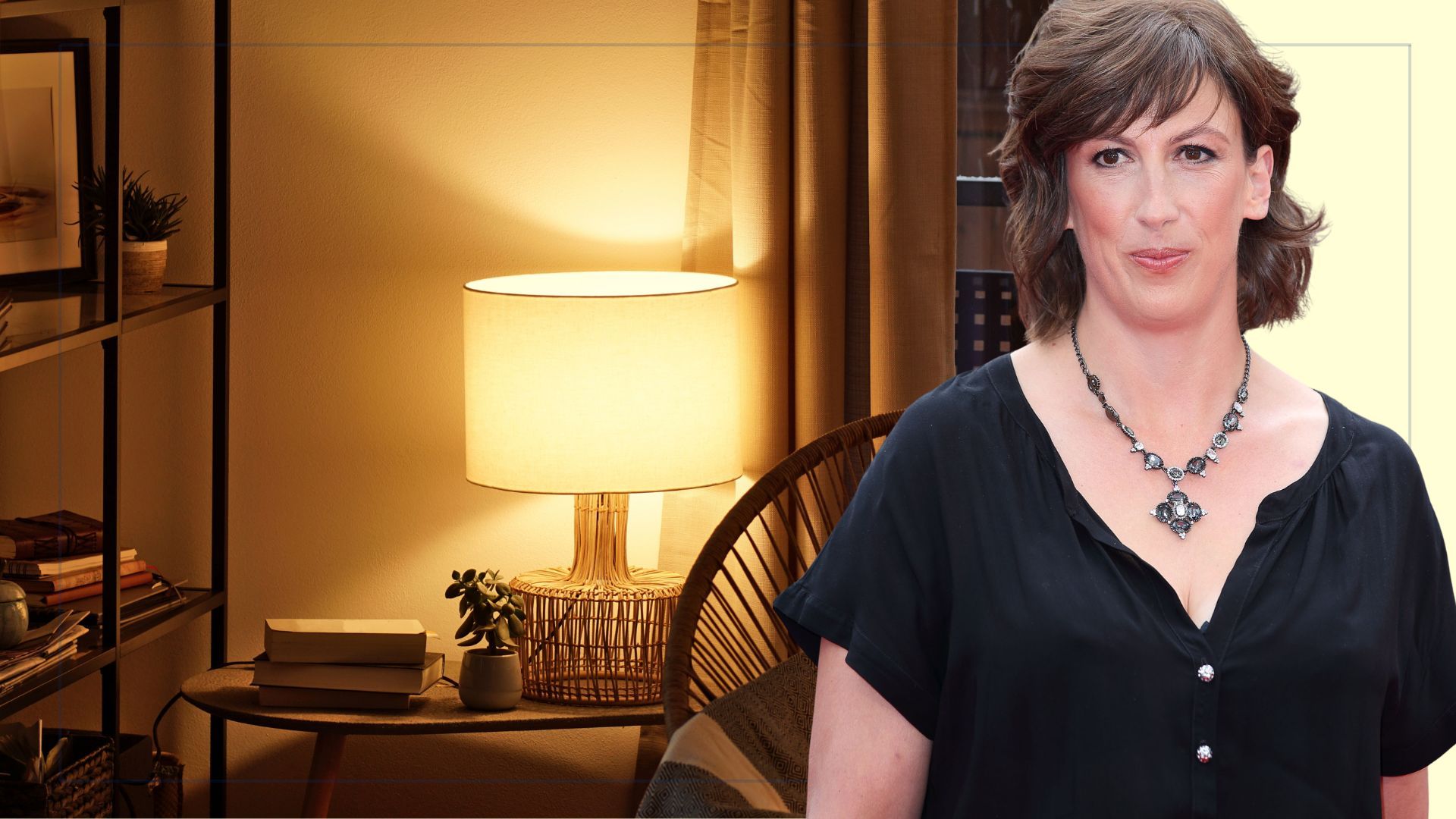
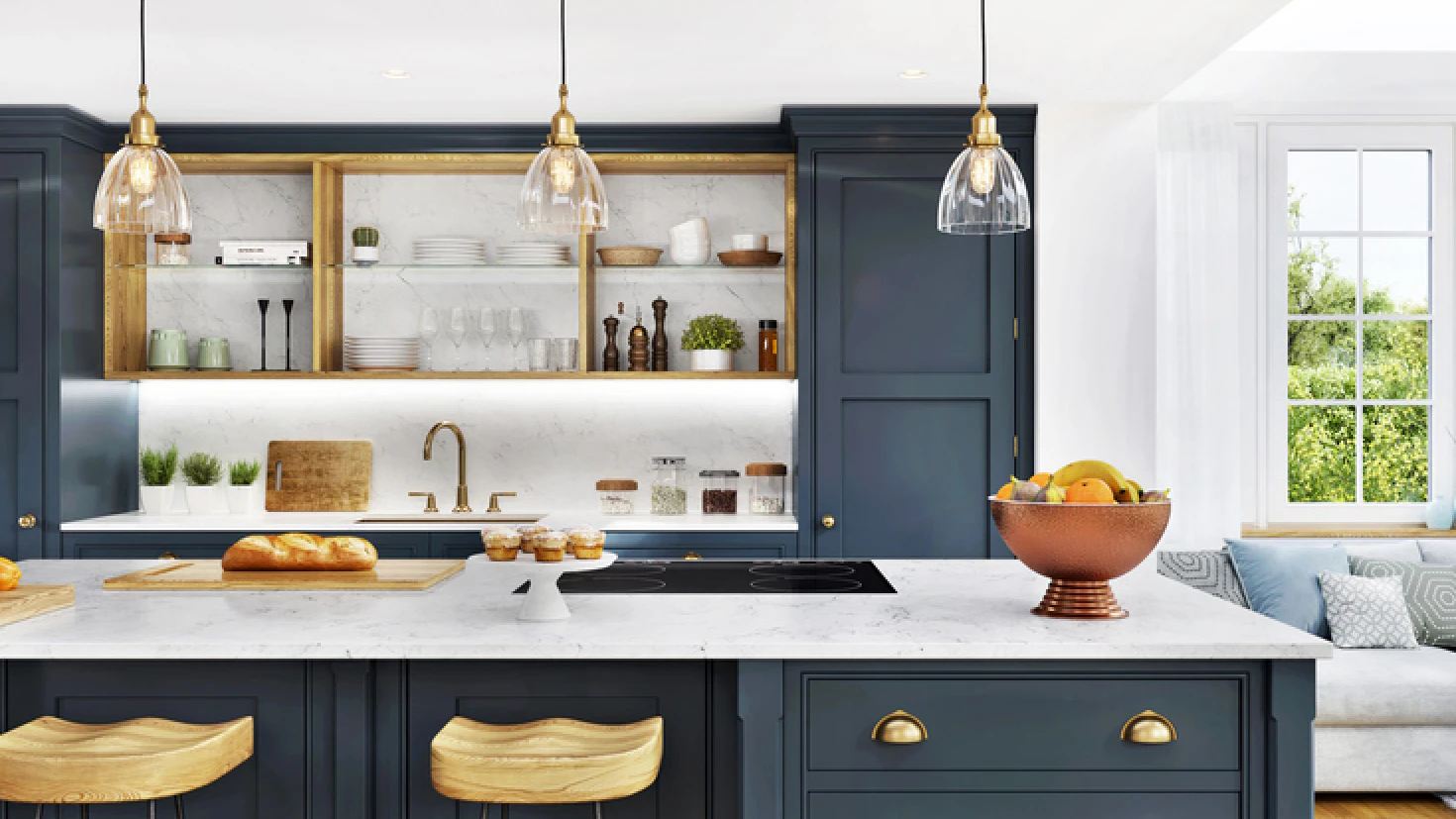
Tripodi advises assessing areas with poor lighting and determining where homeowners spend the most time. Commonly, areas like the kitchen, reading spots, and bedside tables present excellent opportunities for improvements. Under-counter strip lights are recommended for kitchens, as they are easy to install and can enhance visibility. He also suggests installing reading lamps or wall-mounted lights alongside beds to eliminate cord tripping hazards.
Recessed Lighting for Larger Spaces
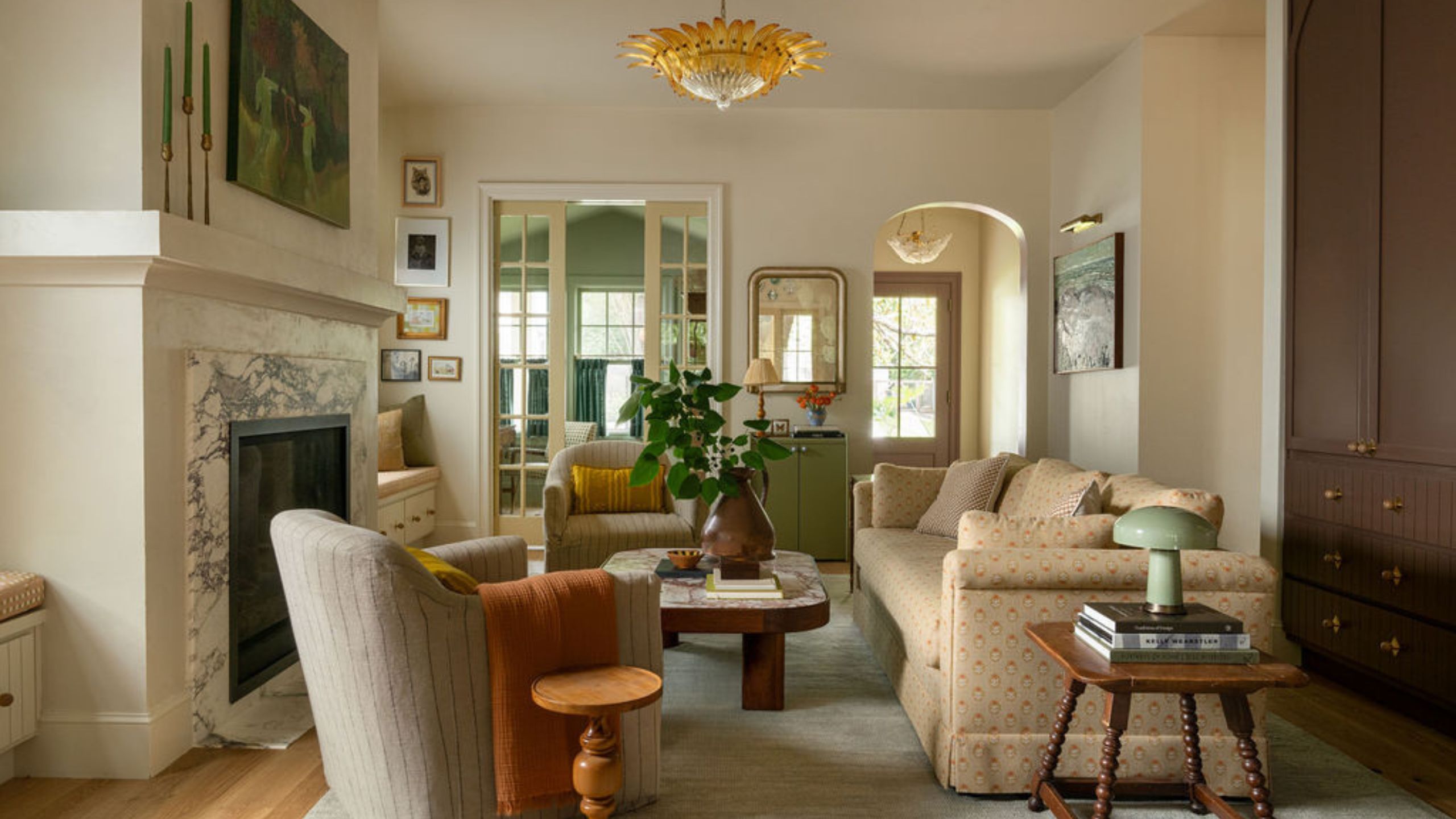
For larger areas, Tripodi prefers recessed lighting, which spreads illumination evenly across rooms. He highlights that these fixtures are cost-effective and simple to install, making them a great choice for open-concept homes. Smart recessed lights that connect with voice-activated technology are also beneficial, especially for seniors with mobility challenges.
Incorporating Smart Devices
Moore advocates for the use of tech tools, such as motion sensor lights, which help conserve energy and can significantly improve safety for seniors who wake up during the night. Installing smart plugs allows homeowners to control lamps using voice commands. Smart LED bulbs can also be easily managed through devices like Alexa or Google Home.
Enhancing Natural Light with Skylights
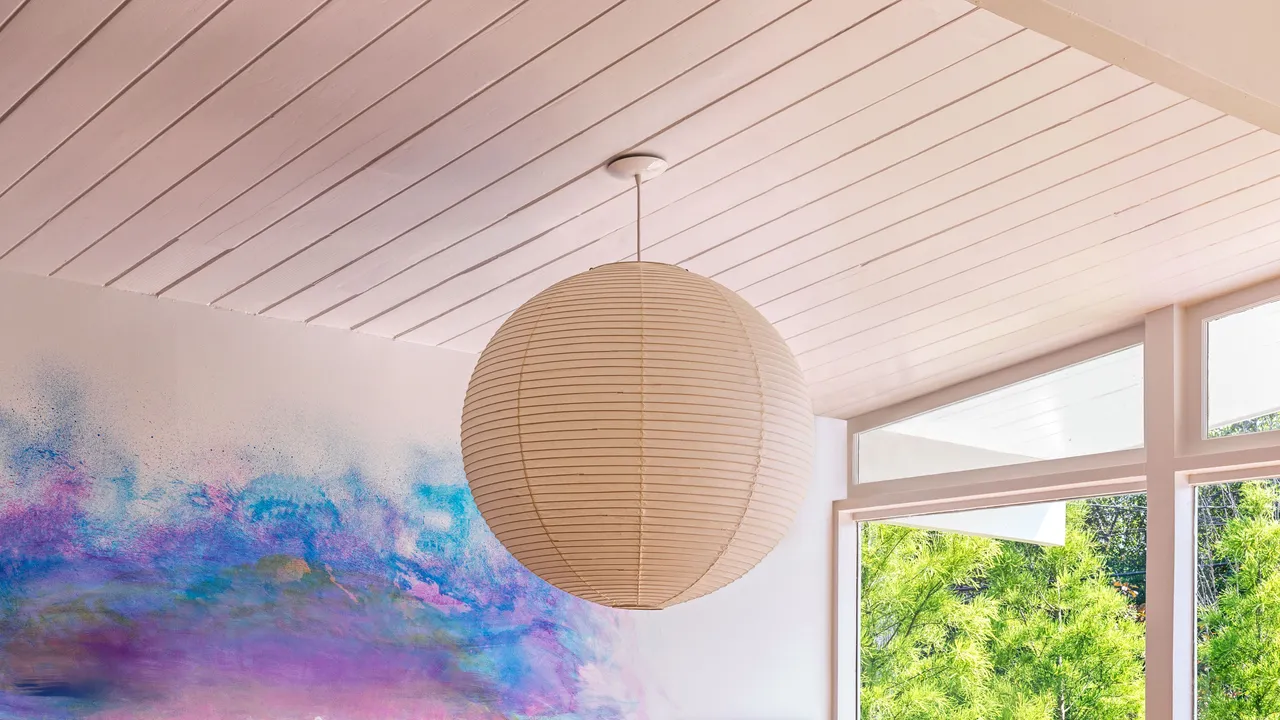
Tripodi underscores the essential role of natural light in both mood and practicality. He suggests that installing a skylight can be a straightforward DIY project or an affordable job for contractors. Additionally, enlarging windows or removing non-load-bearing walls can contribute to an open layout with more natural light.
Using Color to Brighten Spaces
Moore points out that a fresh coat of paint in cool tones can significantly brighten a space without involving complex lighting changes. He explains that as people age, their ability to perceive cool colors diminishes more quickly than warm colors, thus adding blue tones can enhance contrast and safety in navigation.
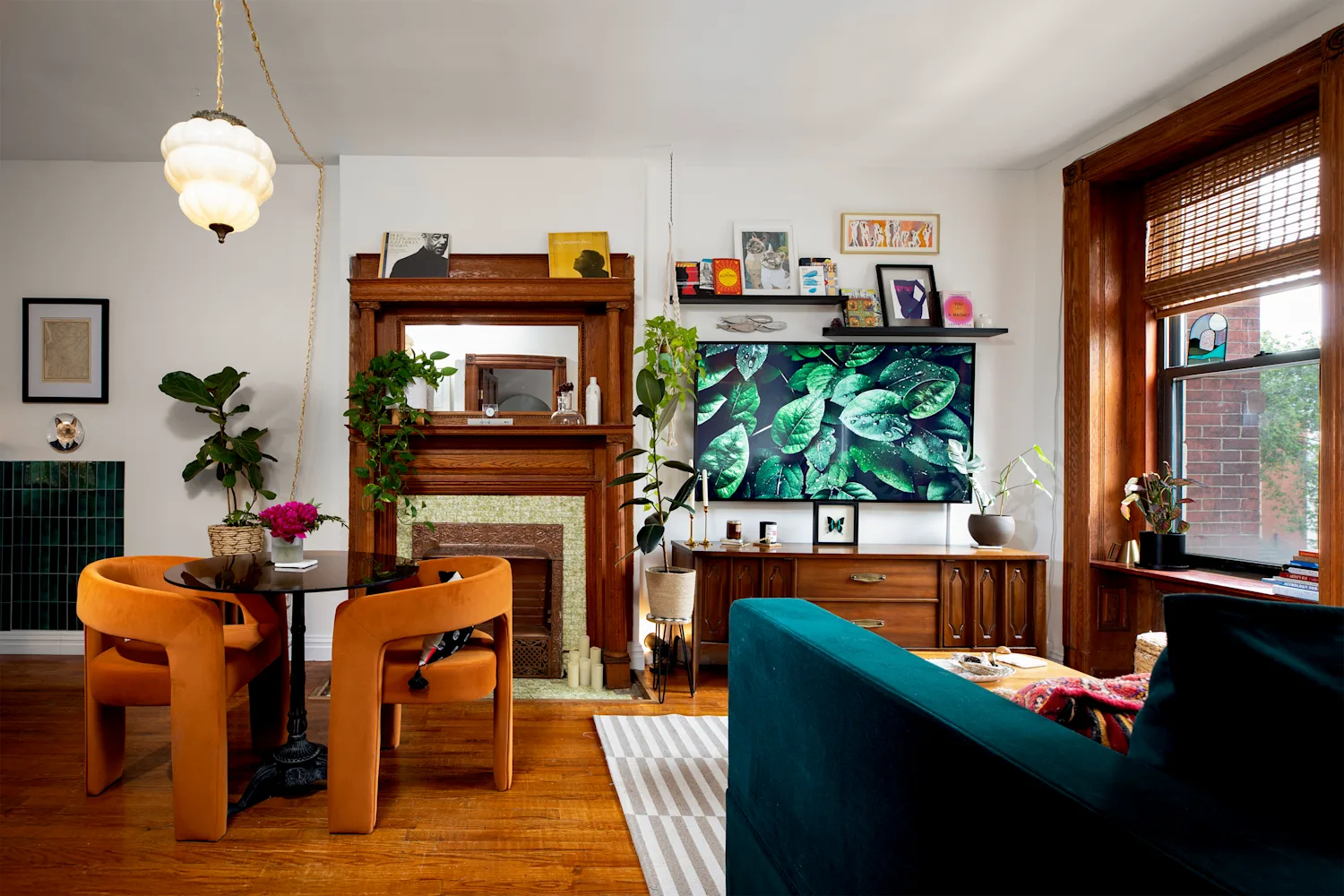
Creating color contrasts between floors and walls can also aid visibility. For example, dark treads with white risers on stairs or a table with a dark top and light sides help define edges and enhance safety for seniors.
Importance of Outdoor Lighting
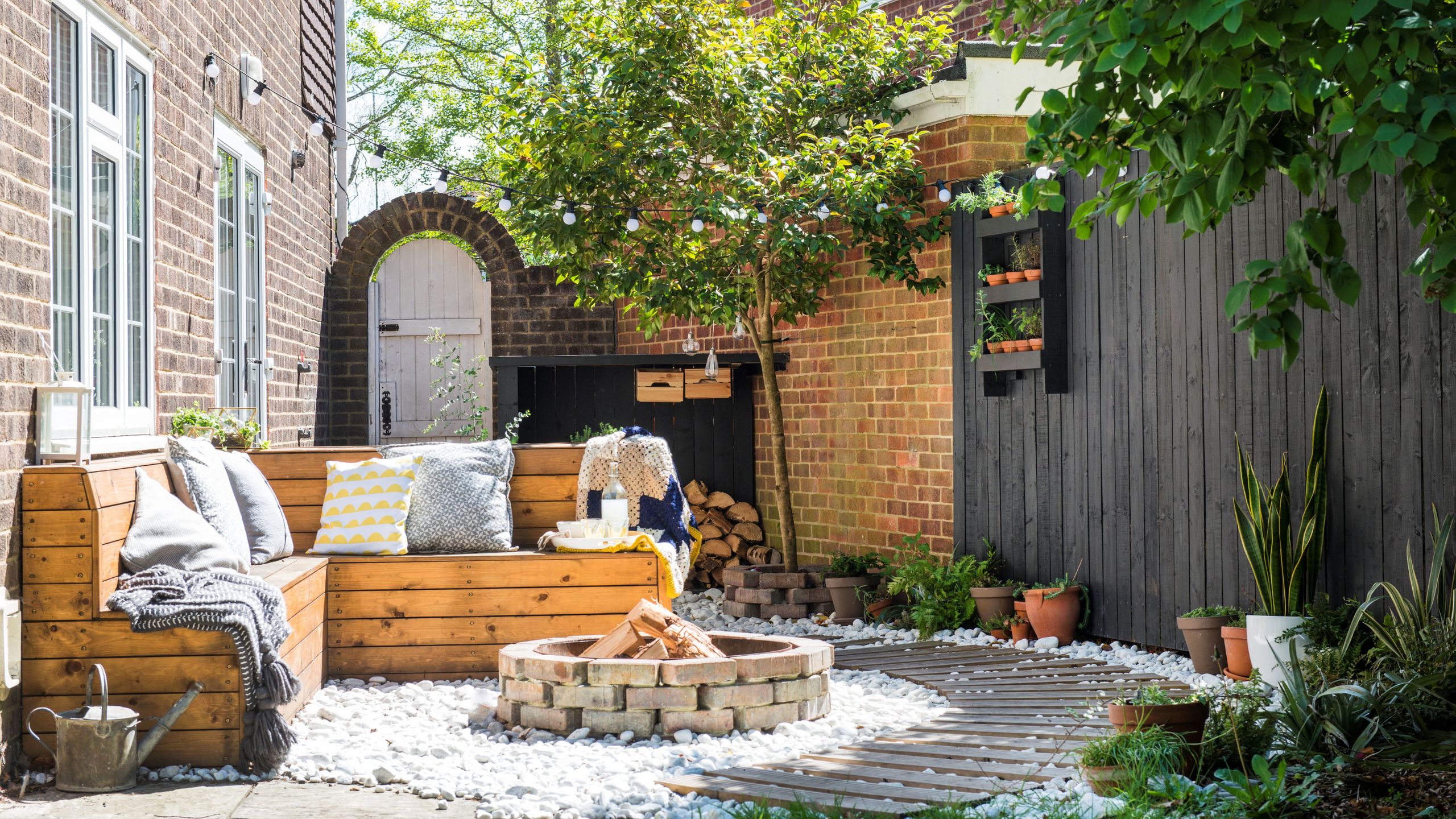
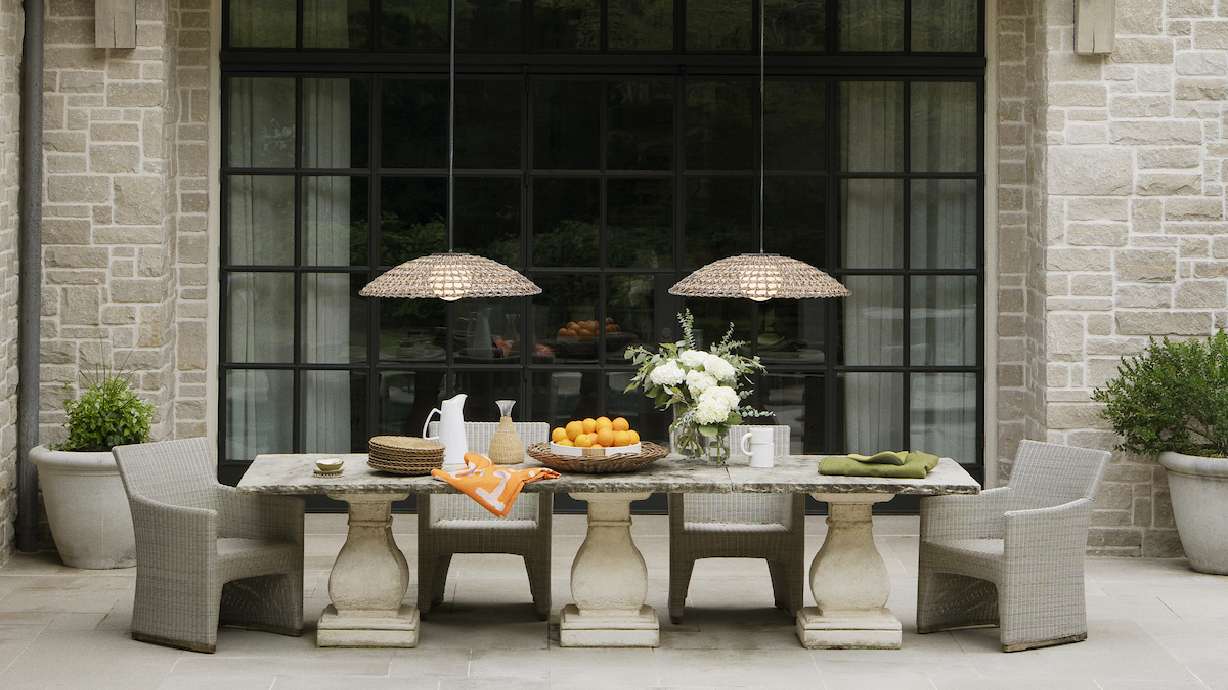
While focusing on indoor lighting is crucial, Moore and Tripodi stress the necessity of illuminating outdoor pathways leading to a home. Proper outdoor lighting is essential for safety as seniors navigate from their driveways to entrances at night. Solar lights can be an inexpensive and simple solution, though they may not be as bright as low-voltage LED systems.