Effective lighting is a key factor that distinguishes a great dinner party. While wine and conversation play significant roles, it is often the lighting that sets the tone and creates an inviting atmosphere. Expert lighting designer Maxwell Barlow emphasizes that beautifully lit spaces should feel almost incidental, enhancing every event by fostering a welcoming ambiance where guests can relax and enjoy themselves.
Maxwell Barlow, the founder of his own design practice, previously spent five years at Barlow & Barlow, a firm he established with his sister. He has a wealth of experience from his early career at John Cullen Lighting, allowing him to appreciate the transformative power of good lighting design. His primary focus is on entertaining spaces, where he adeptly balances aesthetics and functionality to enhance guest experiences.
To create an inviting atmosphere, Barlow explains, it is crucial to consider both the arrival of guests and how a space shifts throughout the evening. He believes great lighting should be appealing from both inside and outside the home, contributing to a comfortable and cozy environment as it turns from day to night.
Lighting can dramatically change a room's vibe from bright and airy to warm and intimate.
Barlow stresses the importance of using lower levels of light to make guests feel at ease, akin to the ambiance found in fine restaurants that typically feature soft, dim, candlelit options instead of harsh overhead lights.
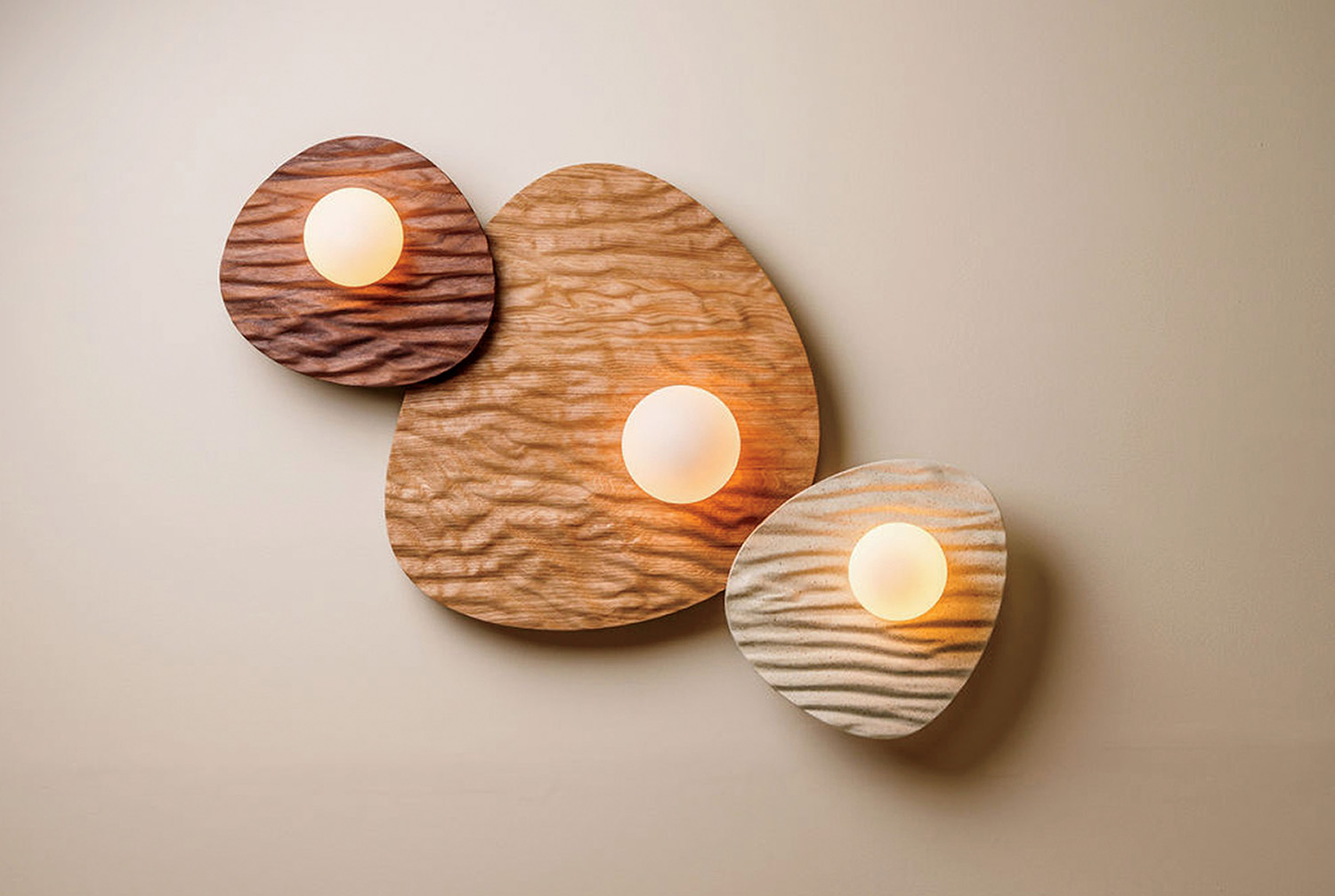
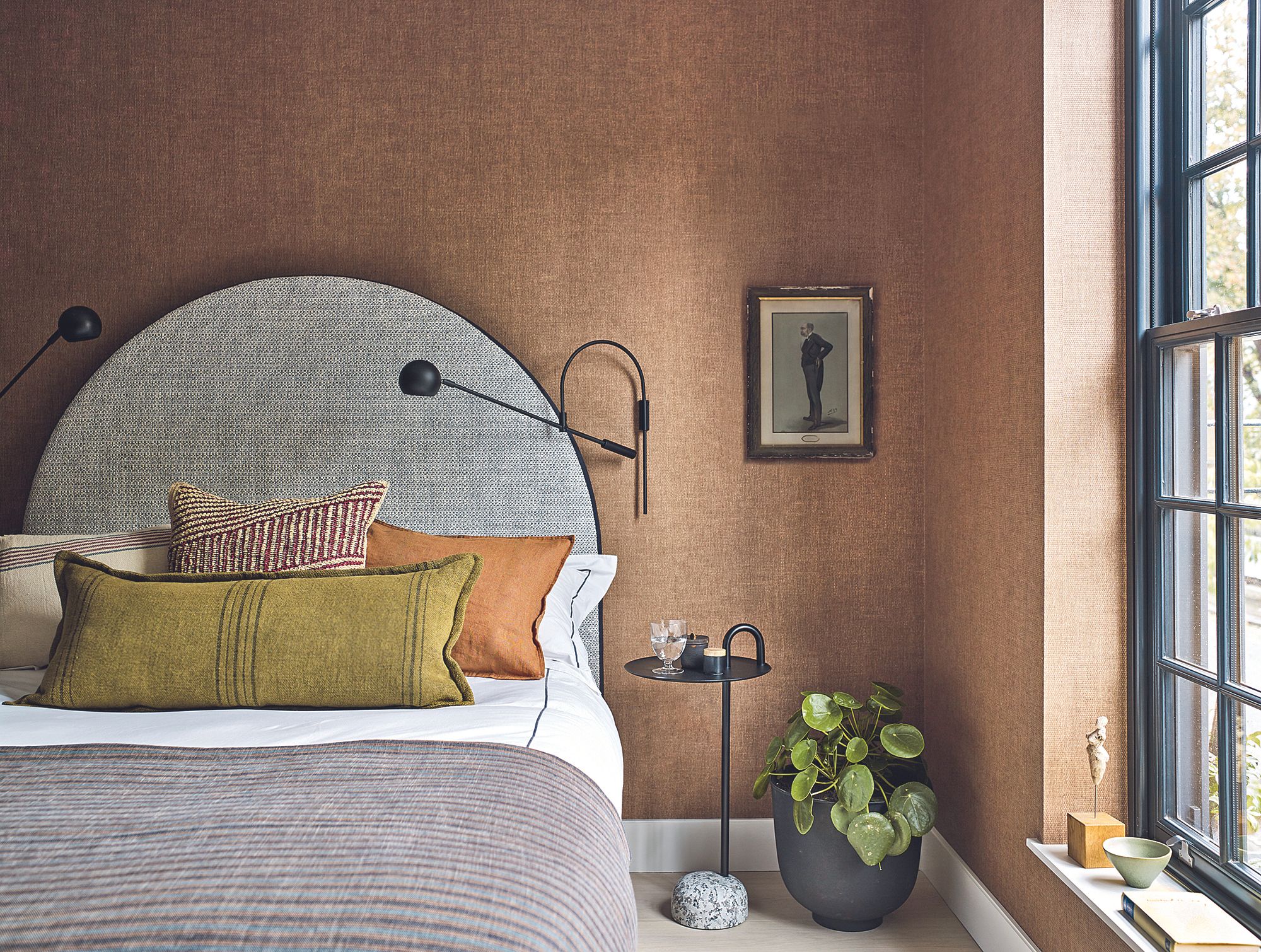
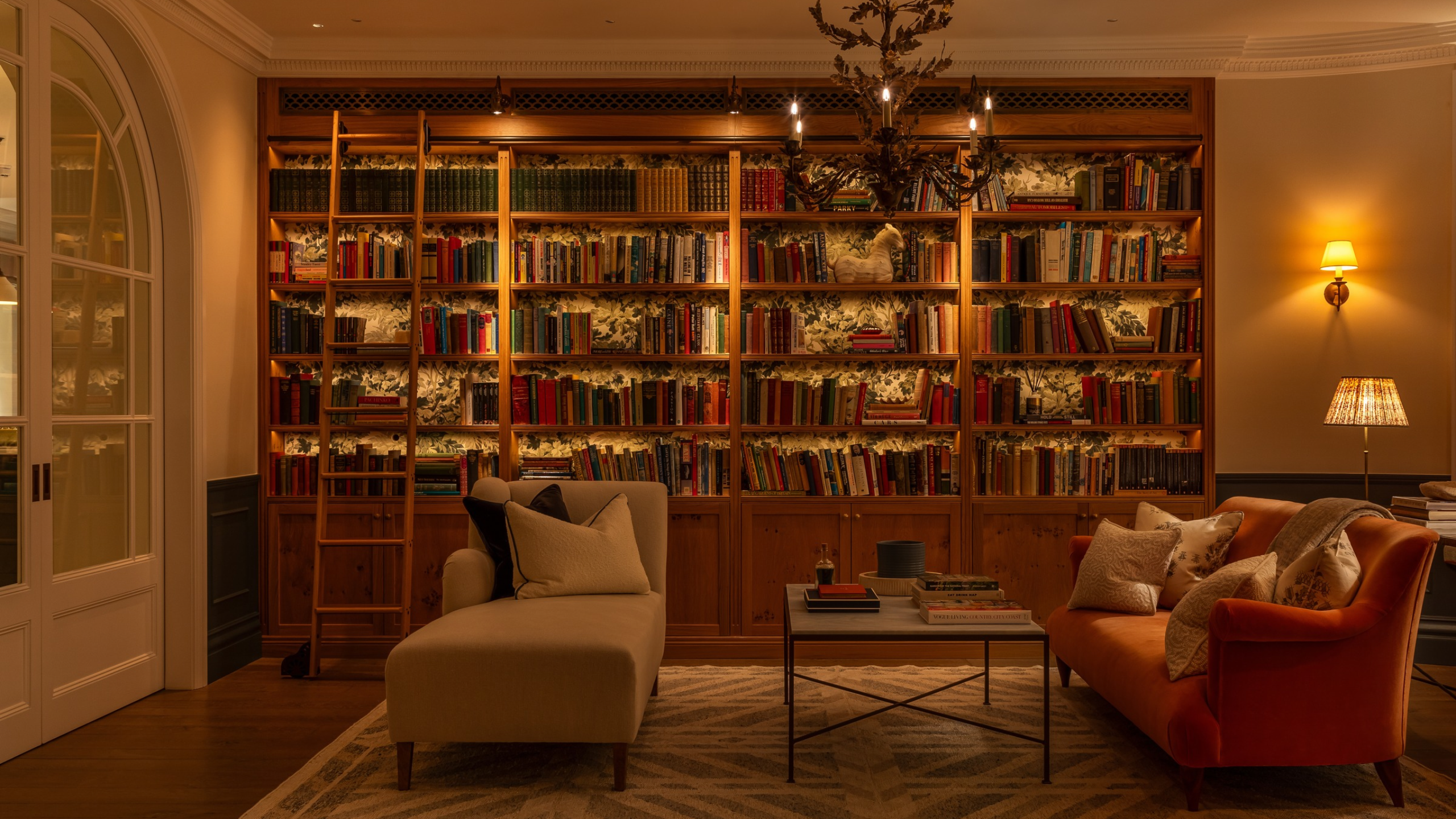
As for practical lighting tips, Barlow advises using shaded lamps for a cozy glow, complemented by adjustable accent lighting from various sources to create pools of light. He cautions against using cold color temperatures, recommending nothing above 2,700K, and preferring 2,200–2,400K for entertaining. Bright, unflattering lights negatively impact the atmosphere, and spotlights above people's heads should be avoided.
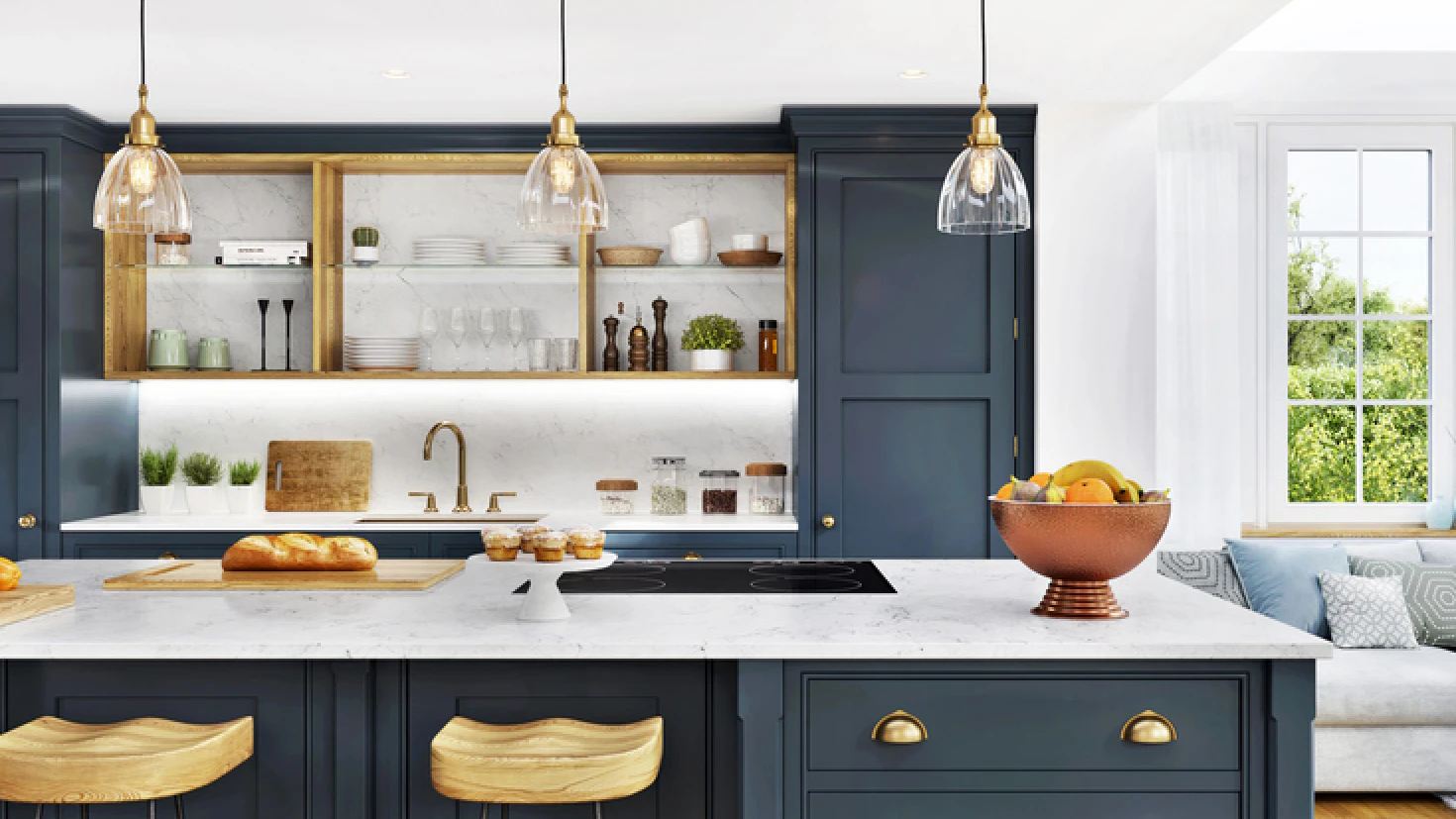
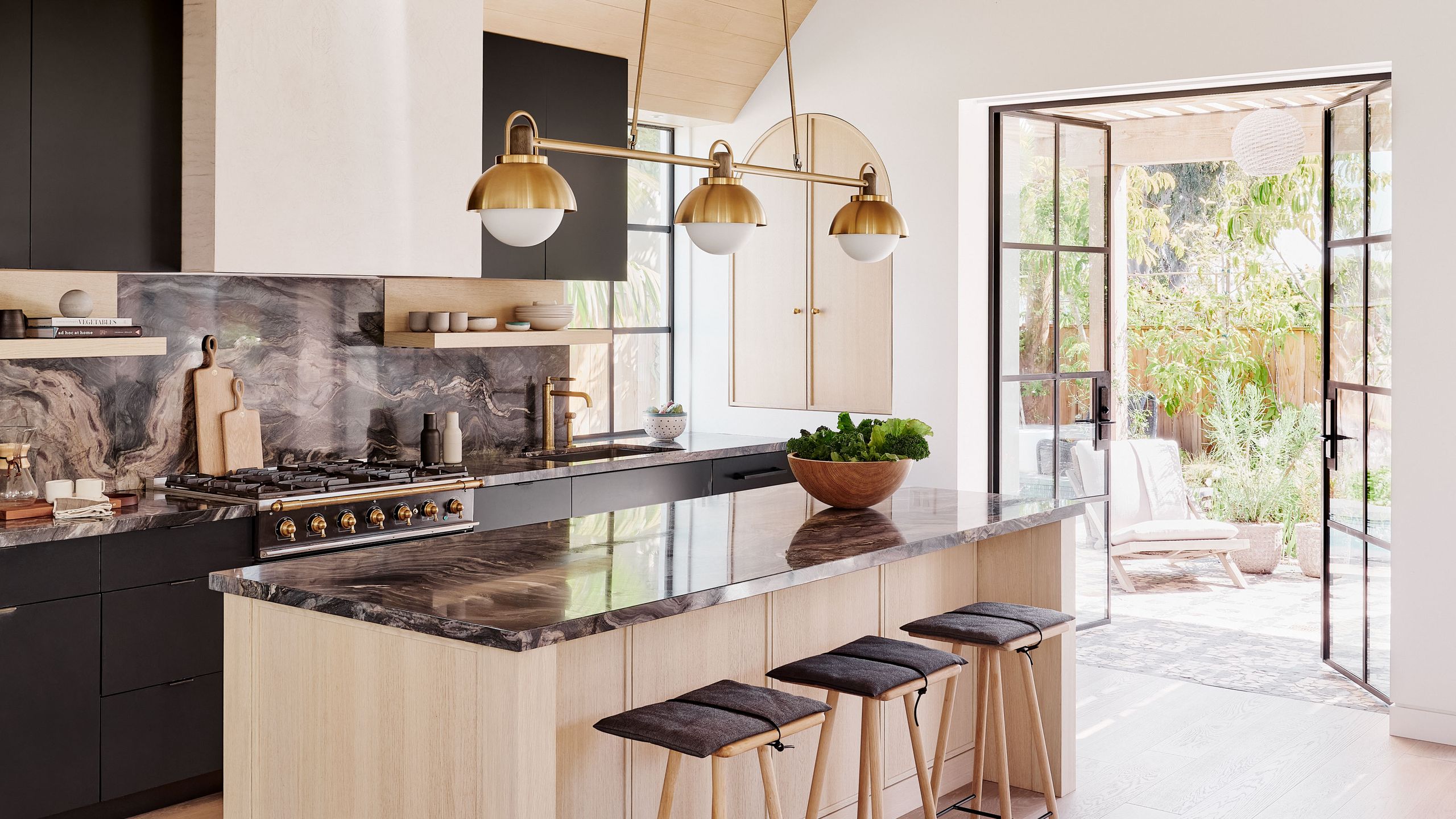
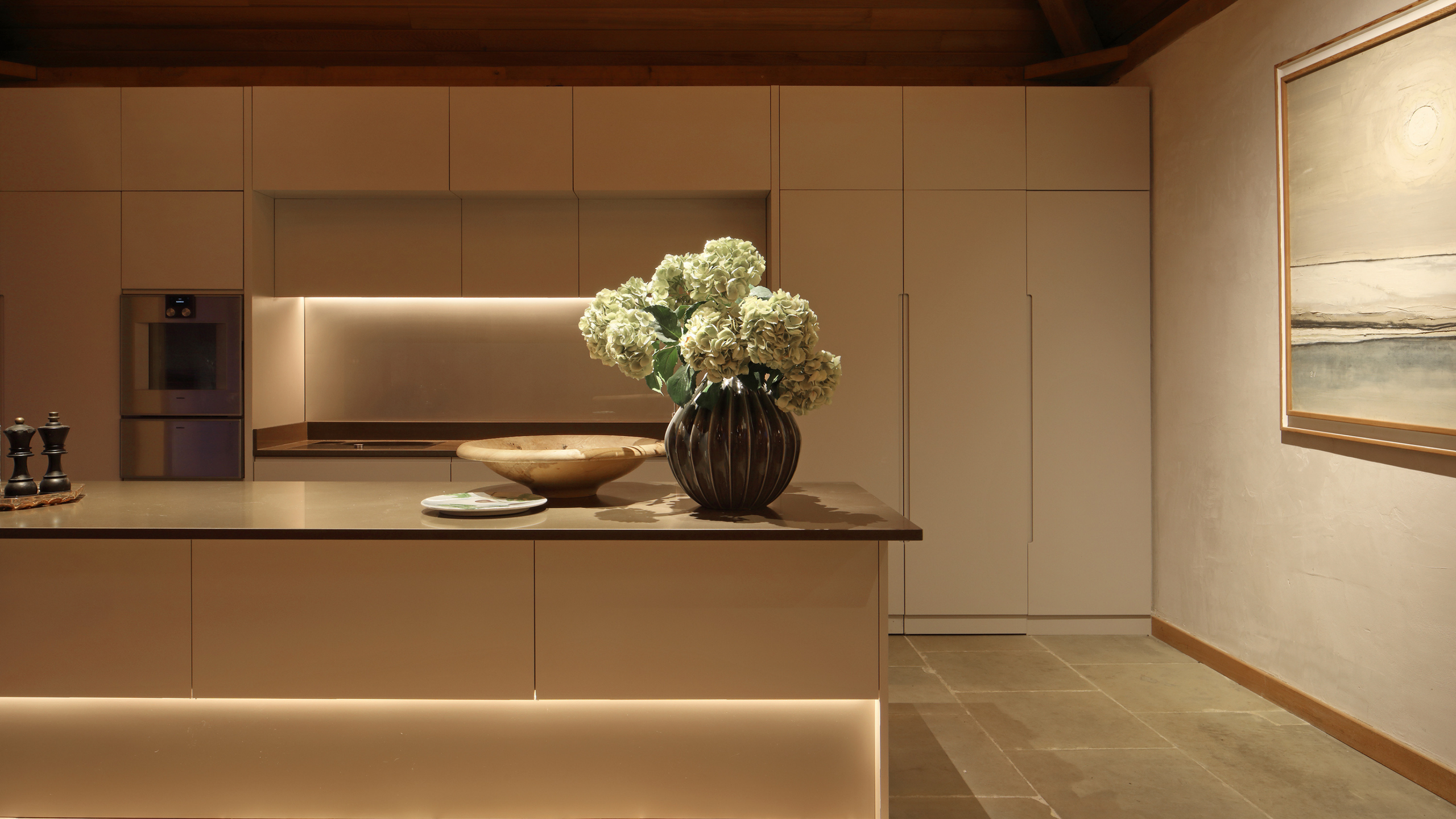
In discussing common lighting mistakes, Barlow identifies an over-reliance on overhead lights as a significant issue. Instead, he suggests incorporating uplighting, which adds layers of warmth and can be discreetly placed behind furniture or architectural features. He points out that the quality of ceiling lights matters greatly; poorly fitted fixtures can ruin the ambiance, especially when using bright LED bulbs instead of softer options.
Barlow’s own home reflects his design philosophy. He has adapted existing lighting in his old stone house to accentuate the unique period features, utilizing small uplights to create a warm glow from deep-set windows. Creating layered lighting with ambient and focused sources helps to build inviting and visually appealing interiors.
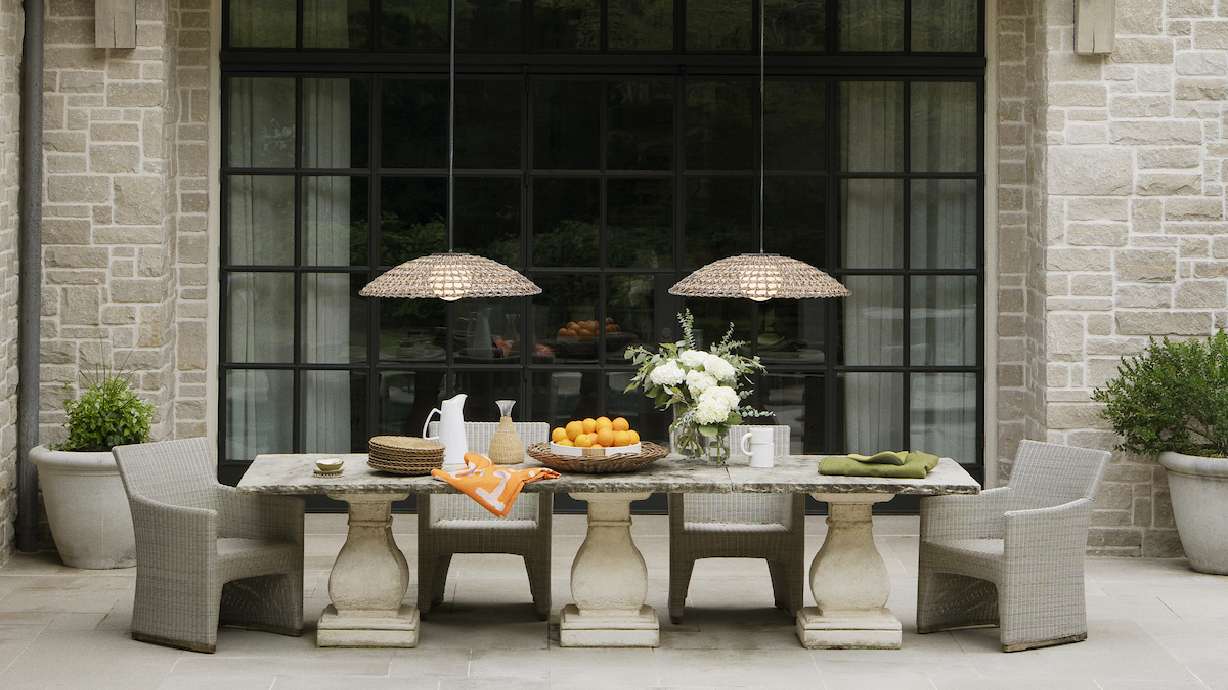
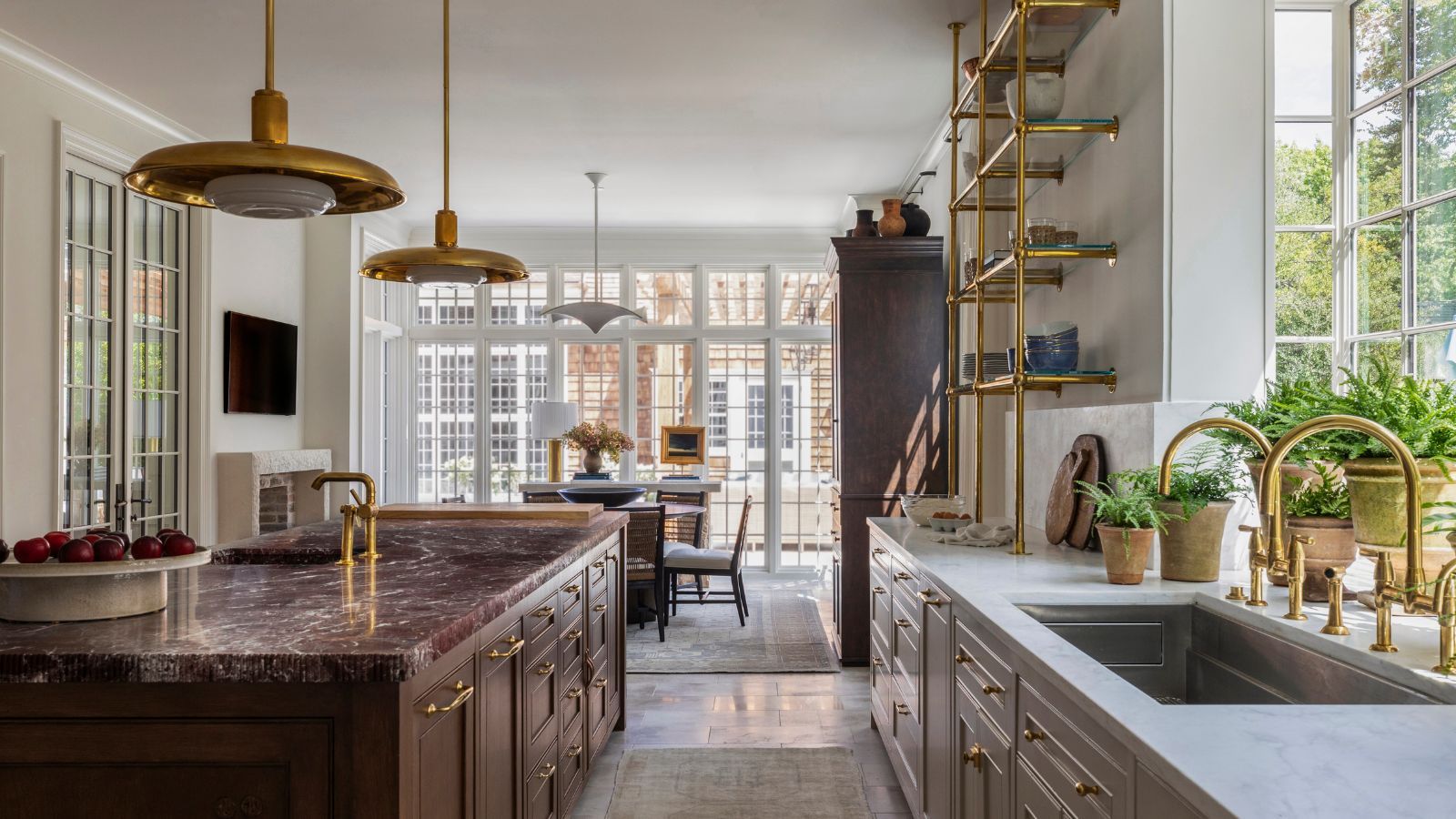
Regarding dining areas, he encourages choosing low, warm candlelight over hanging pendants for a more flattering atmosphere that draws guests in. Barlow advocates for adjustable and carefully selected lighting to enhance the evening's mood, adapting to the flow of the gathering to maintain comfort and engagement throughout the event.
With these insights, Barlow continues to perfect the art of lighting, helping hosts create memorable experiences in their entertaining spaces.