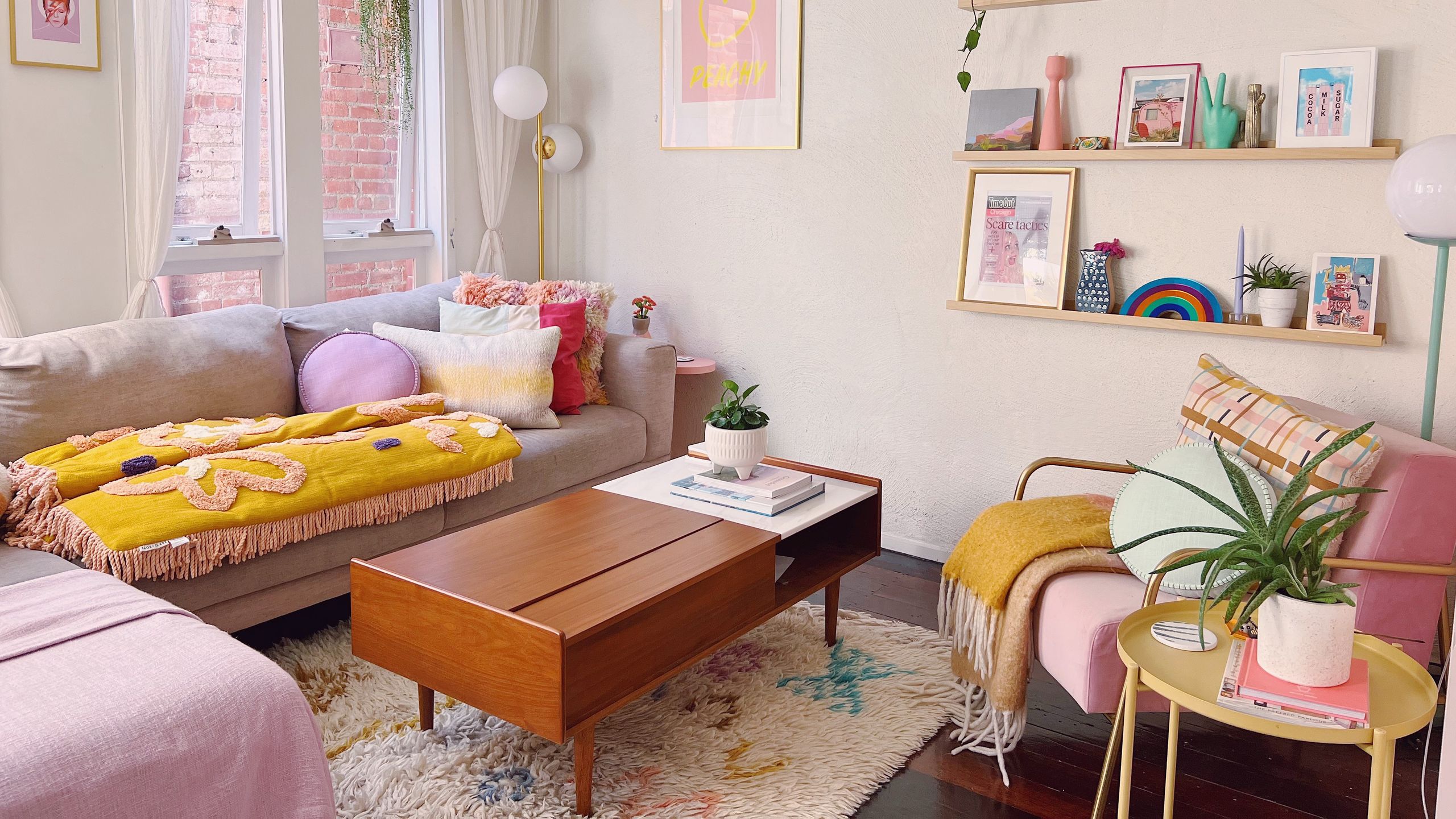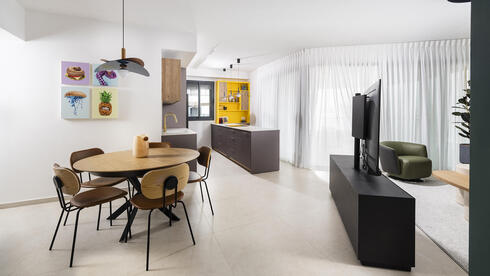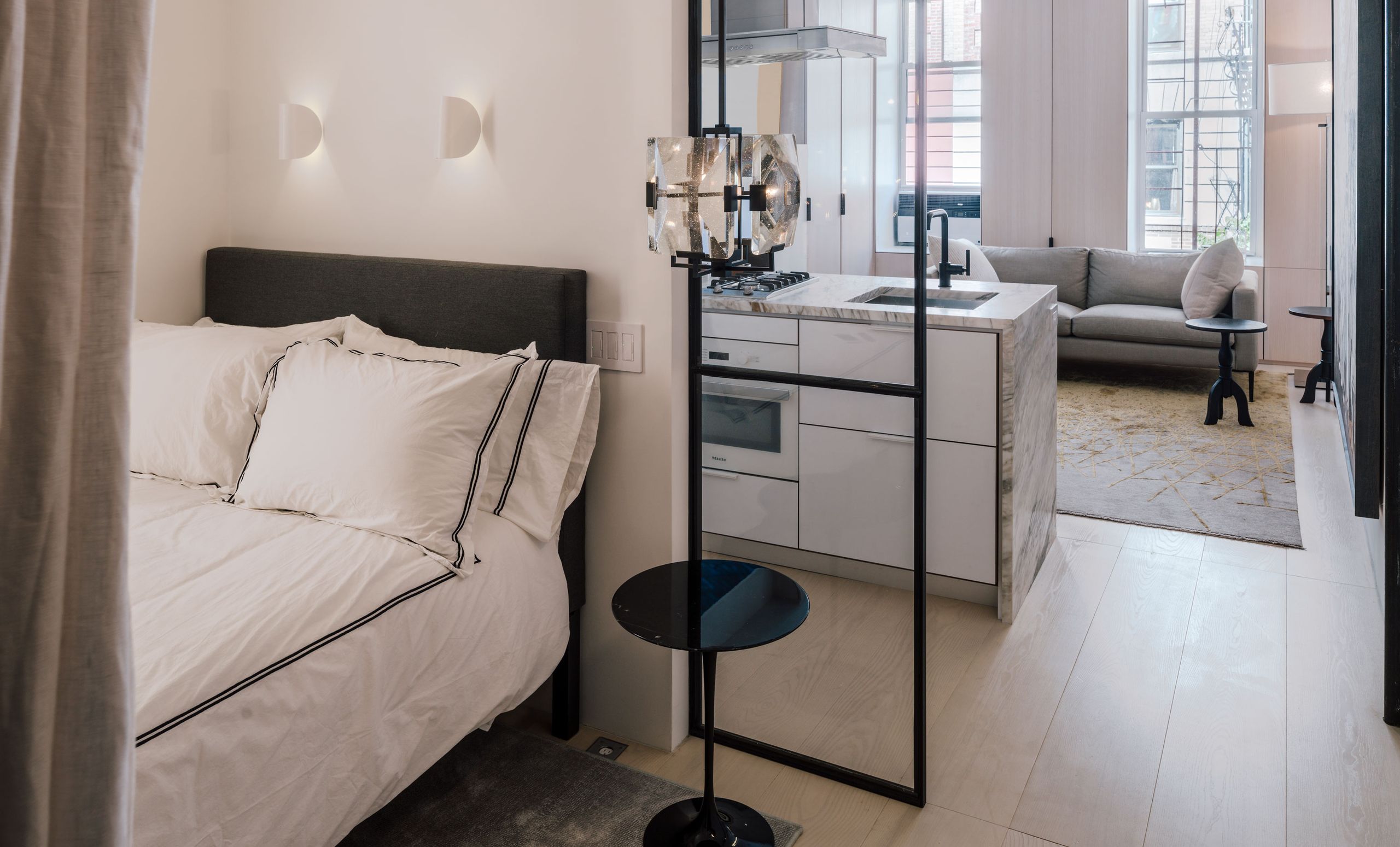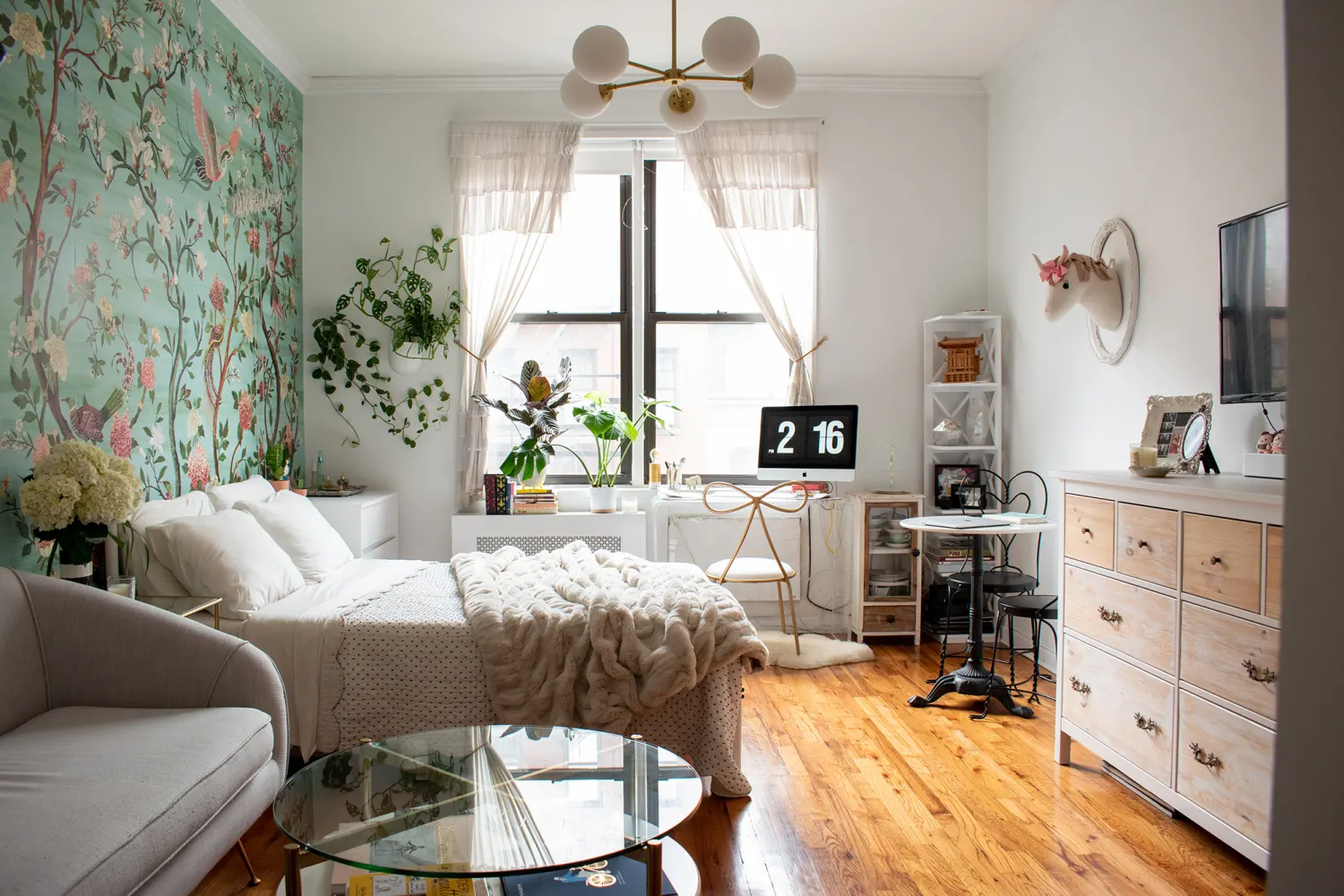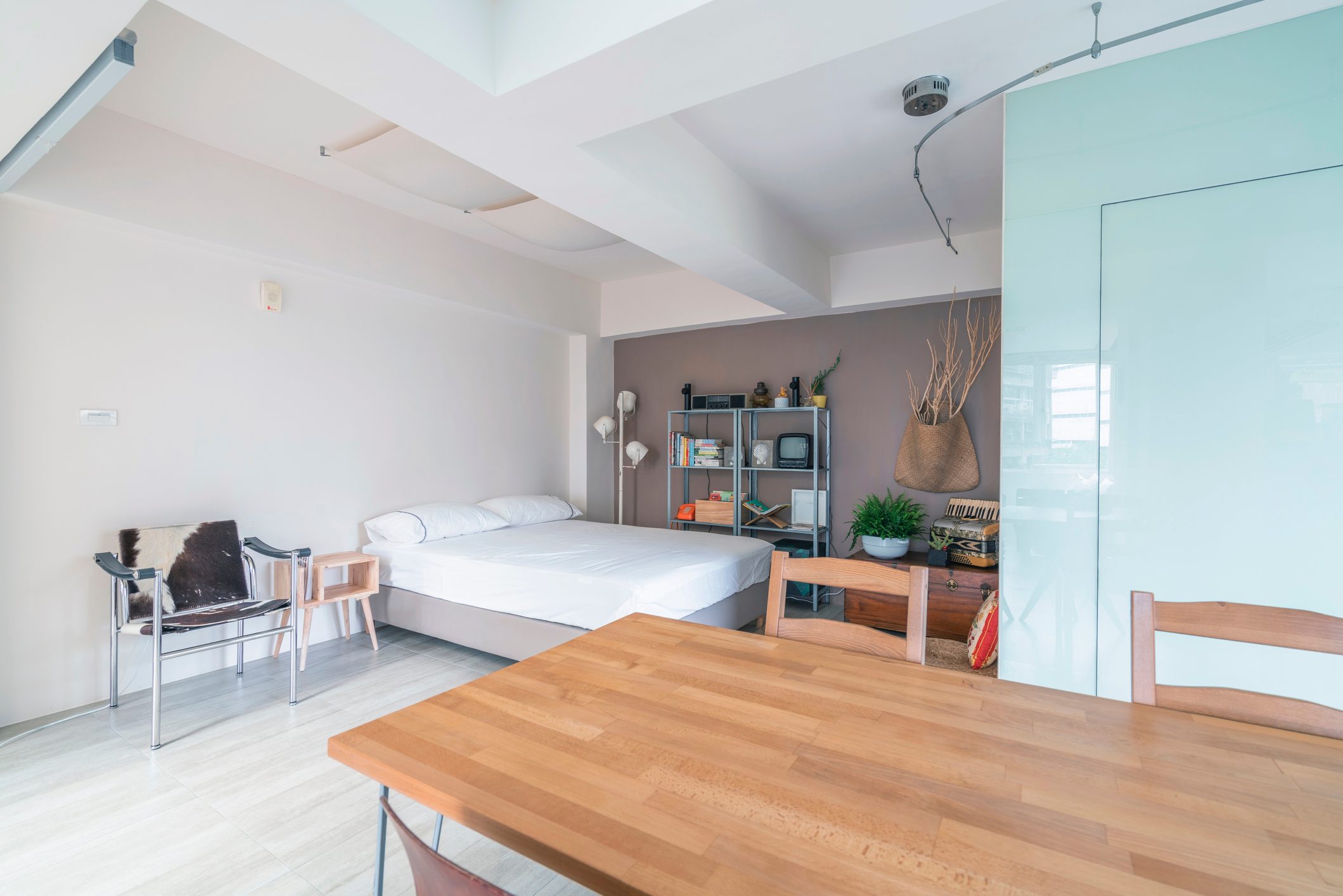
Before starting your studio apartment decor, it's essential to plan effectively. James Stanley, founder of James Stanley NY, and Artem Kropovinsky, founder and designer at Arsight, both based in New York City, offer practical advice for making the most of your space.
Plan Your Space
First, take exact measurements of your studio, which typically ranges from 250 to 700 square feet, with many around 500 to 600 square feet. Knowing your space allows you to create a realistic wish list for furniture and decor. You can sketch the layout on grid paper or use design apps like Amikasa or the IKEA Room Planner for better visualization.
Next, consider how you intend to use the space. Is it primarily a place to sleep, work, or host guests? Understanding your lifestyle will guide your choices—whether that means opting for a futon or needing a drop-leaf table for dining.
Also, think about the layout that will enhance comfort and flow. You might prefer an open layout or separate zones, such as distinct areas for dining or lounging.
Finally, narrow down the overall vibe you want to achieve—whether it's bright and airy or moody. Gathering inspiration, whether from patterns or images, can help keep your design focused.
Furniture Solutions
Investing in a modular sofa is beneficial if you can create separate living and sleeping areas. Kropovinsky notes that these adaptable pieces can be reconfigured for various activities, offering both versatility and style. Many modular sofas also come with built-in beds and storage solutions, which are great for saving space.
Lighting and Greenery
Proper lighting is crucial for defining different areas within your studio. Consider using chandeliers, pendant lights, or table lamps to create distinct zones. Efficient lighting can evoke luxury and space.
Incorporating plants enhances the atmosphere, adds tranquility, and boosts well-being. Low-maintenance options like snake plants or pothos are ideal for studios with limited light. Hanging pots and stylish stands can maximize floor space.
Enhance Functionality
Instead of a single large coffee table, using multiple smaller tables can save space and offer flexibility. Stanley suggests different shapes and materials, such as wood and glass, to create visual interest.
If you're permitted to paint, consult your landlord about refreshing the walls. High-quality paints, like those from Farrow & Ball or Benjamin Moore, can dramatically enhance the aesthetic. Lighter colors can make spaces feel larger, while darker shades provide intimacy.
Decorative Details
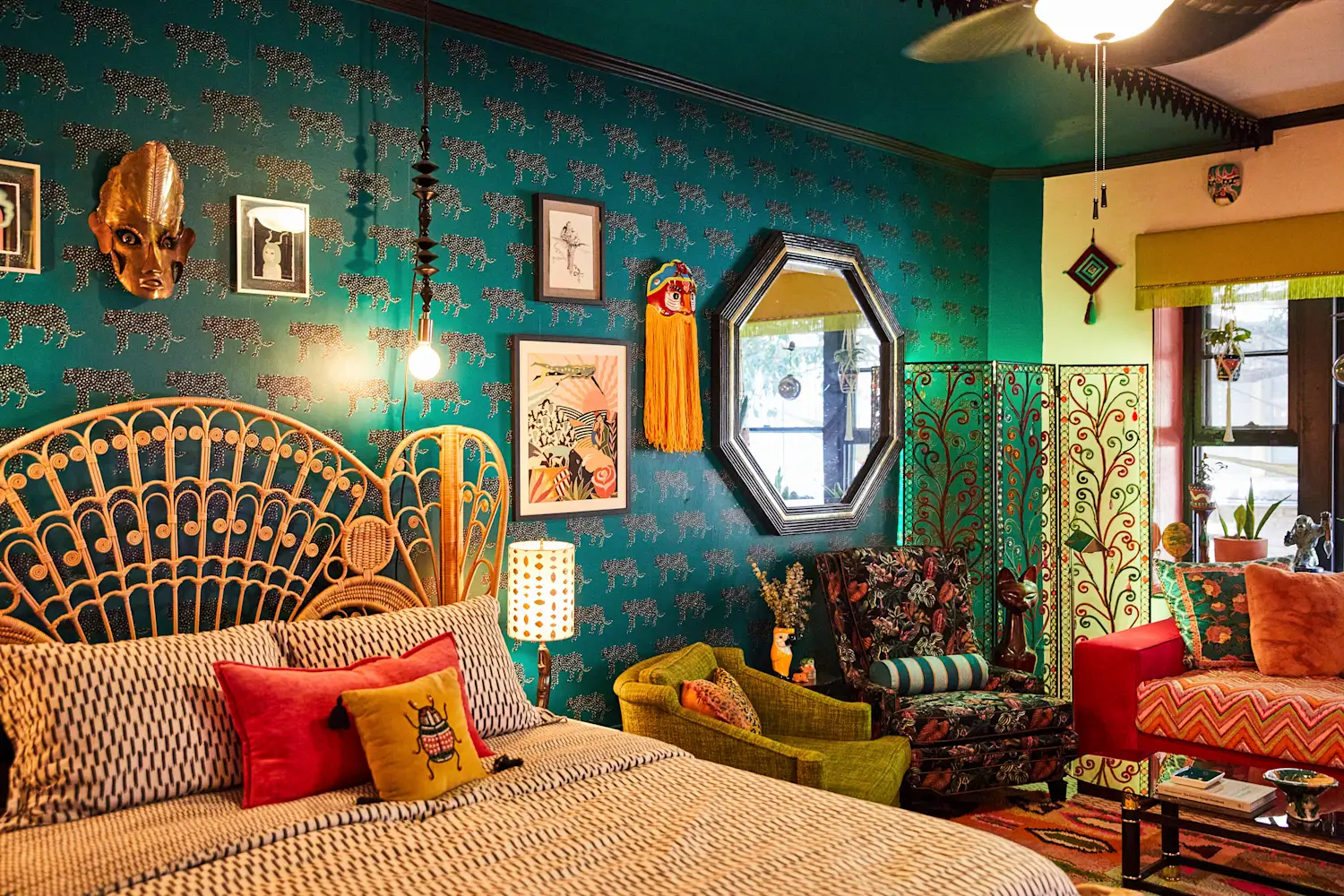
Mirrors are effective tools for creating an illusion of space. They can reflect light and enhance the studio's depth. Kropovinsky recommends using mirrors with decorative frames for added flair.
Room dividers can also define separate areas—like storage units or rattan screens—helping to create privacy and structure.
Accent chairs are another cost-effective way to make a statement. Stanley encourages mixing styles, which can add character without occupying much room.
Define Spaces with Rugs
Rugs can effectively delineate areas in your studio, enhancing flow. Rather than using large area rugs, which can overwhelm small spaces, consider smaller rugs or rug tiles to create defined borders and patterns tailored to your layout.