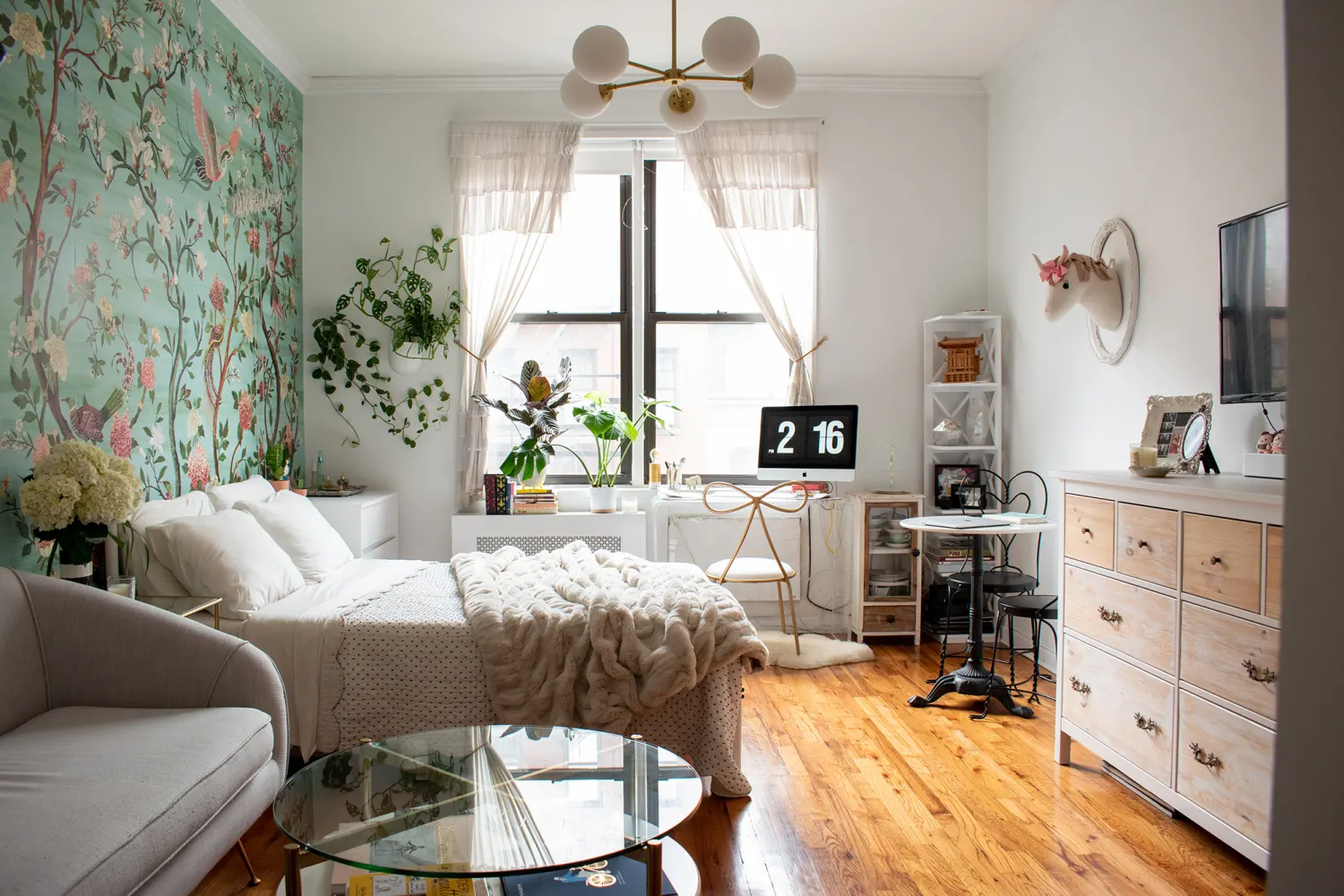
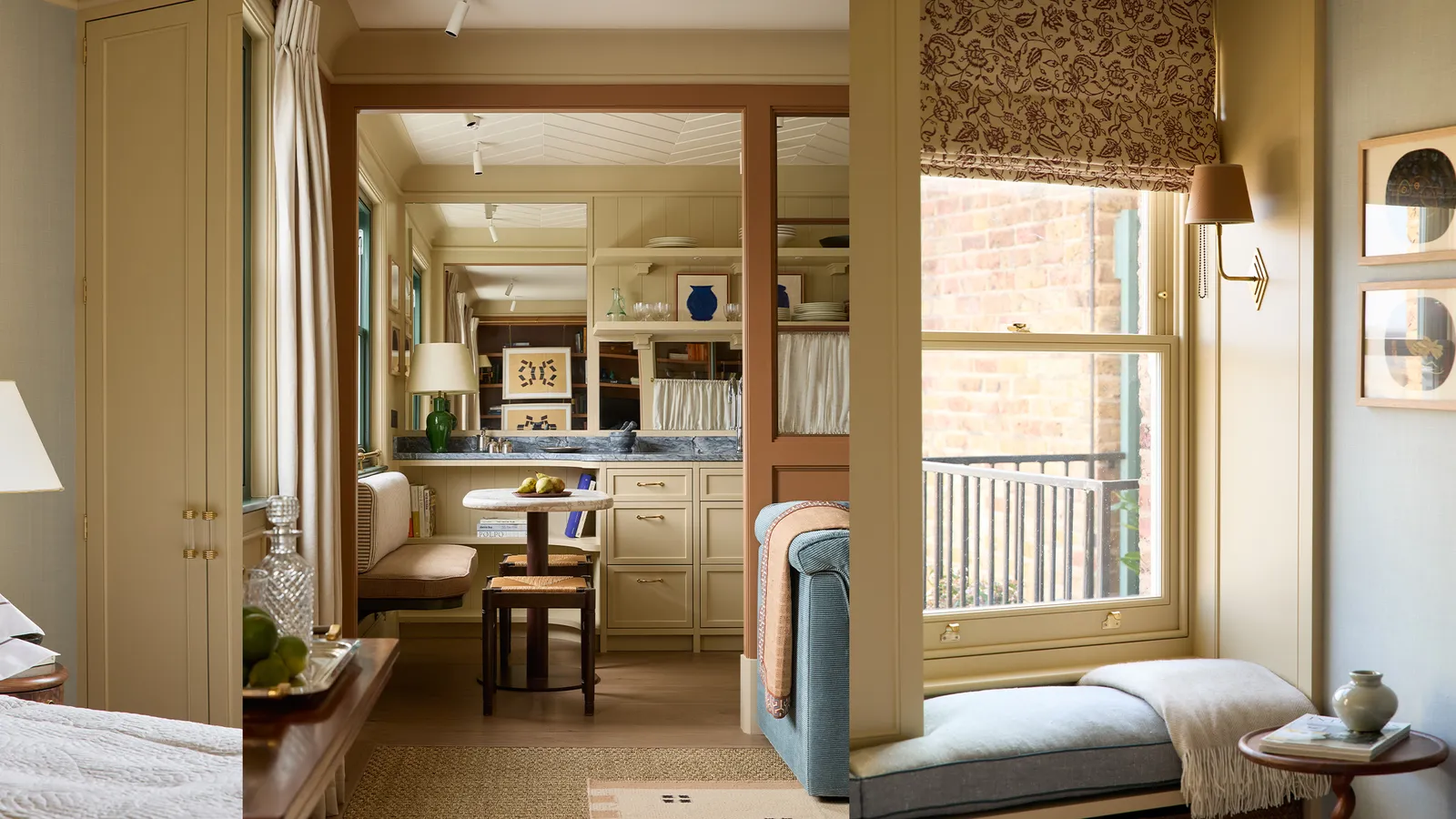
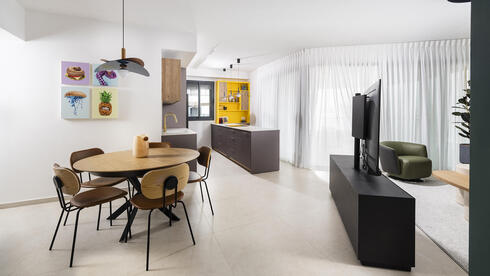
Nancy Mitchell, a former Senior Writer at Apartment Therapy, reflects on her transition from a 1,000-square-foot townhouse in Houston, Texas, to a 250-square-foot studio in New York City. Since moving a year and a half ago, she has embraced her new living situation but acknowledges the adjustments that come with studio living.
**Adapting to the Space**
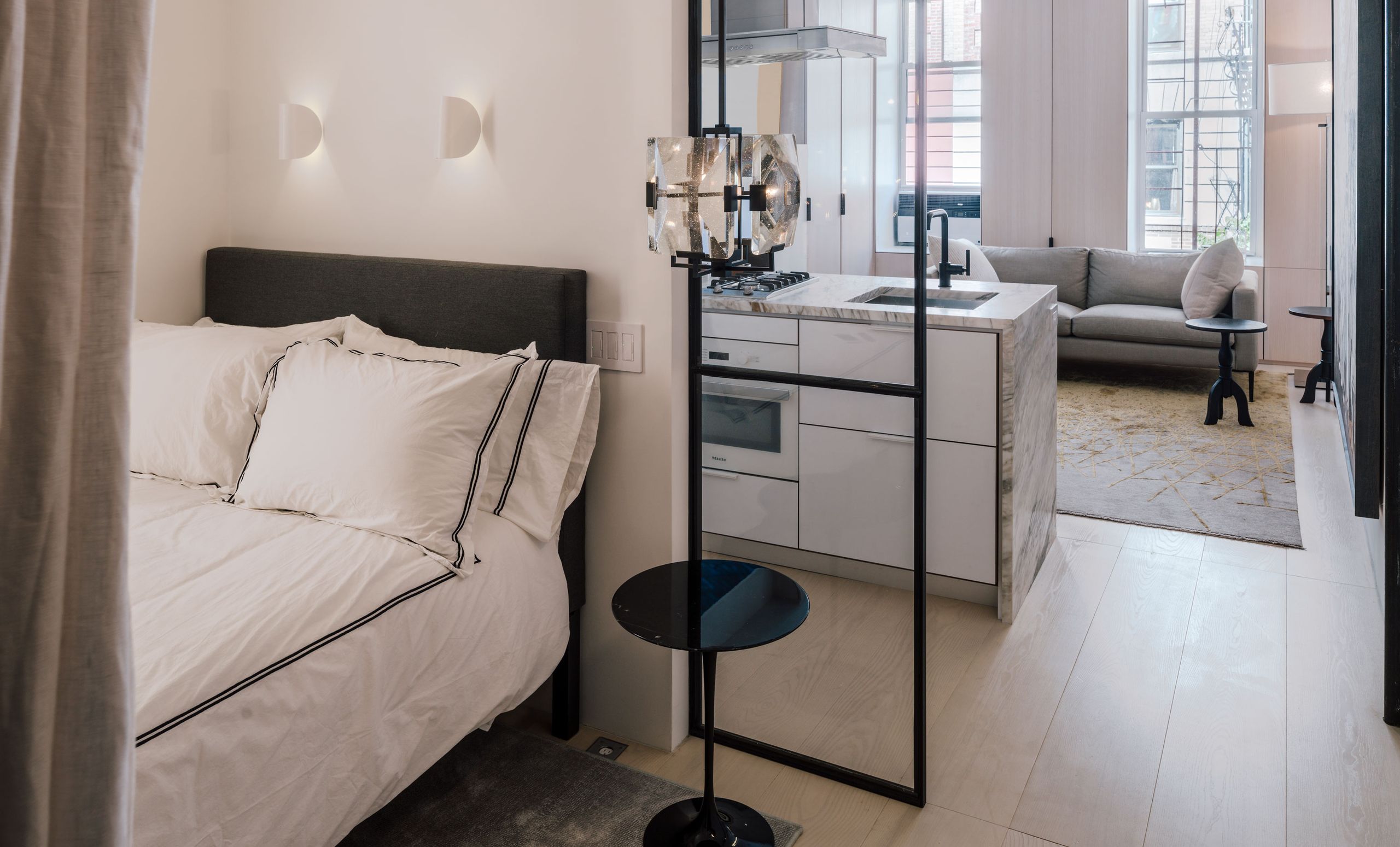
Living in a single room can be a significant change, especially for those used to multiple rooms in a traditional home. Initially, Nancy found it strange to have her bed in the living room and to see her kitchen from her bed, feeling a sense of exposure. However, she has since adapted, finding that the layout has become normal over time.
**Importance of a Made Bed**
Nancy emphasizes the necessity of making your bed each morning. She believes this small task is crucial for maintaining order in the studio. An unmade bed can contribute to an overall messy apartment, making it essential to start the day with a tidy space.
**Space Division Caution**
Mitchell advises against over-segmenting a small studio. While larger lofts might benefit from added divisions, cramming a small space into multiple smaller areas can create a feeling of clutter. Instead, using rugs, color distinctions, and clever furniture arrangements can help define different zones while preserving openness.
**Managing Clutter**
Clutter control is vital for studio living, especially in New York apartments that often lack closets. Given the limited space where everything is visible, rigorous decluttering and ensuring there is adequate storage can help manage belongings more effectively.
**Functional Simplicity**
Finally, Mitchell suggests not overcomplicating living arrangements. Not every studio needs a designated dining area or workspace. Evaluating lifestyle needs helps prioritize the essential furniture and features, avoiding the addition of unnecessary pieces.