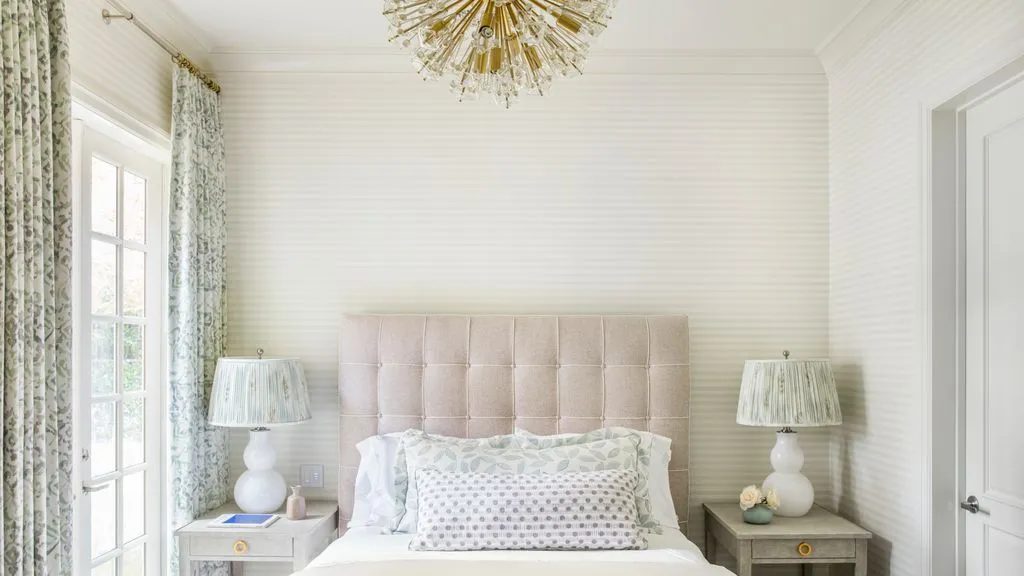
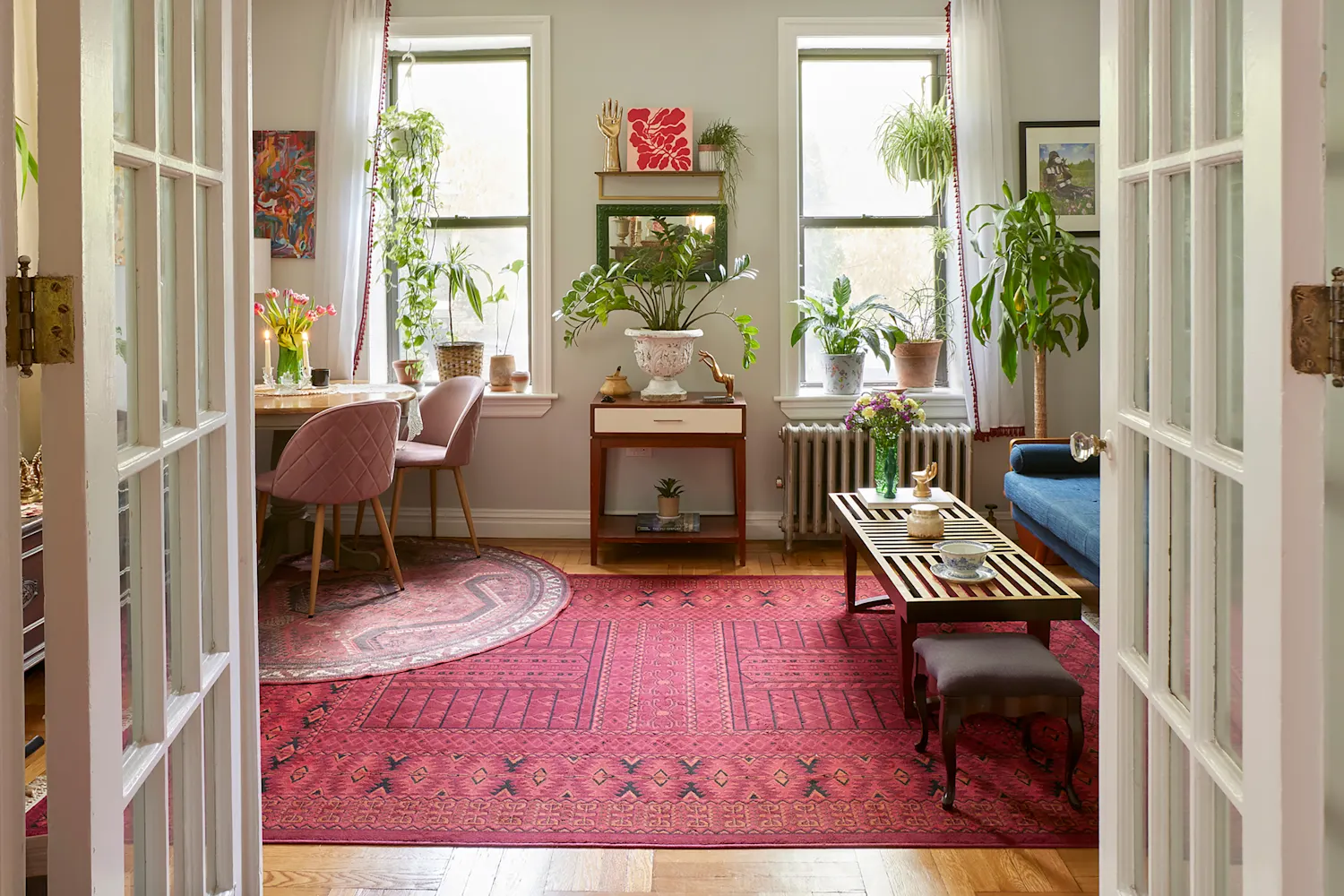
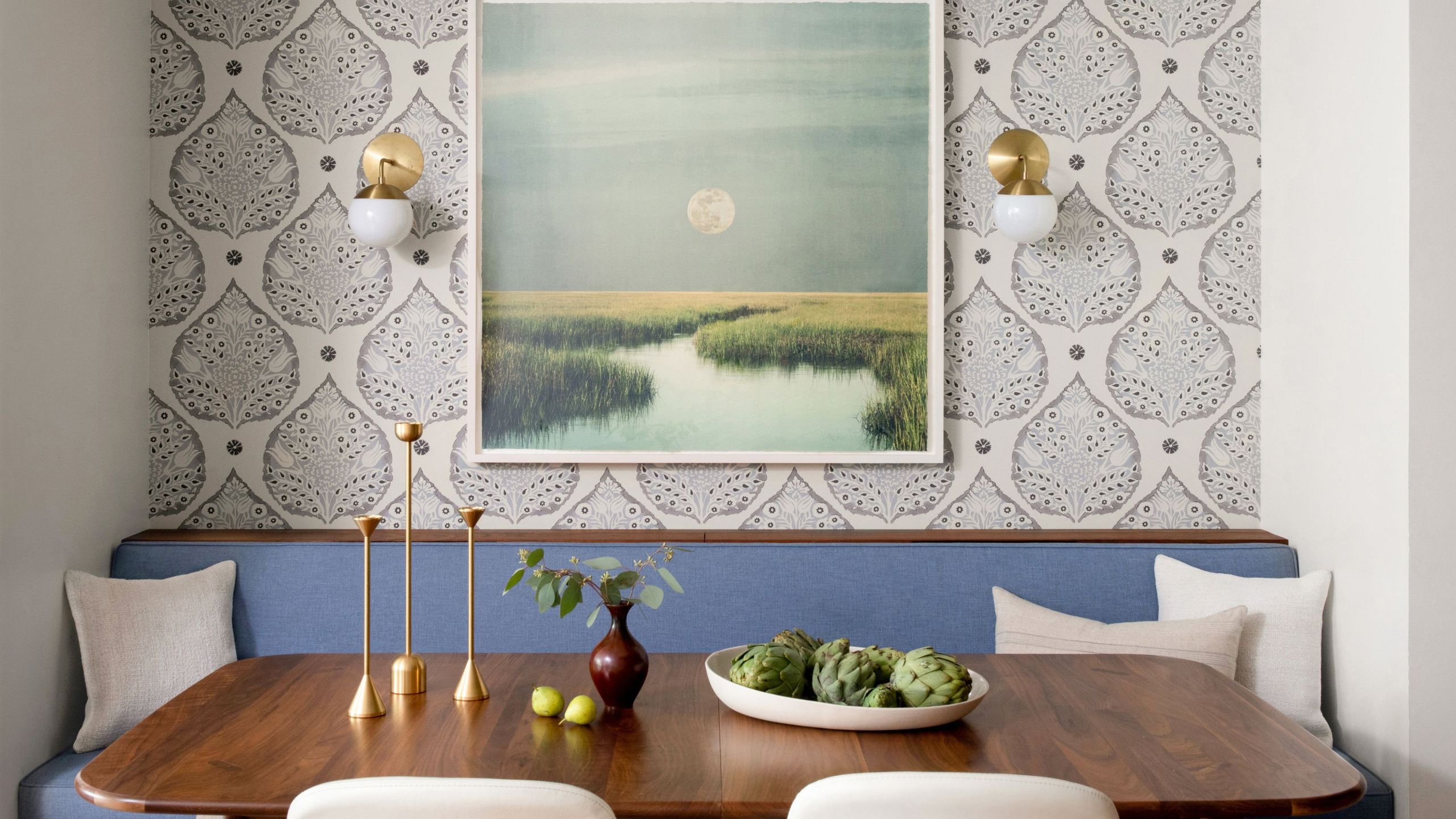
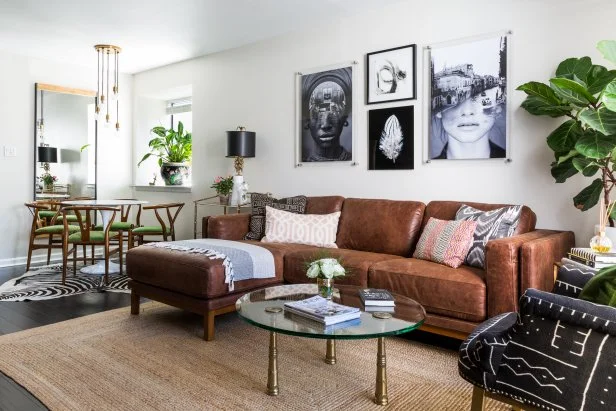
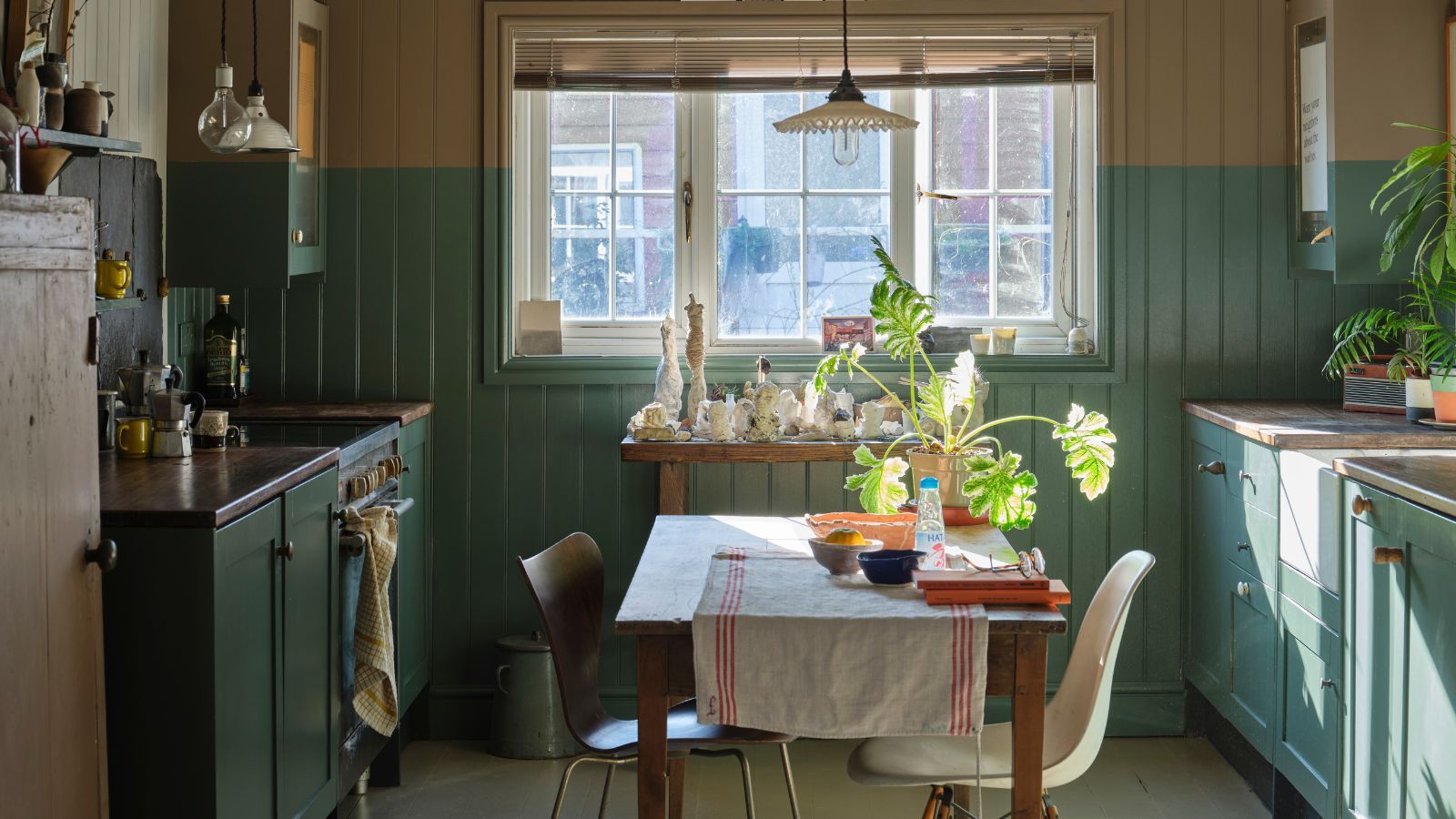
Experts are predicting that personal expression will become central in bedroom designs in the coming year. This includes the use of colors, patterns, and personalized decorations that reflect the occupant's interests. Jess Weeth, founder of Weeth Home, mentions a trend of using creative wallpaper borders and new interpretations of canopy beds, such as patterned four-poster styles and streamlined half-tester beds.
To make the most of a small bedroom, it’s essential to consider the function of each item added to the space. If a tranquil atmosphere is desired, refreshing a loud-colored dresser with muted paint could be beneficial. For those aiming for uniqueness, exploring secondhand options instead of mainstream furniture retailers might be a good route.
When planning a small bedroom layout, prioritize essential furniture pieces based on your needs. If storage is lacking, a dresser or a clothing rack could be necessary. For those who enjoy spending time in bed beyond sleeping, alternatives like daybeds or trundle beds may be ideal. Utilizing features like a deep windowsill can also eliminate the need for a nightstand.
Many believe that lighter colors are best for small spaces, but this isn’t always the case.
Cortney Bishop suggests that richer palettes can add depth and coziness instead. A bold artwork can serve as a focal point, while built-ins and wall-mounted lights can keep the floor area clear. Layering elements in the room can foster an intentional atmosphere rather than a cramped one.
Couples should communicate their individual needs when styling a shared bedroom to find common ground, often requiring compromises. For optimal storage, a bed with built-in storage or under-bed solutions is advisable to accommodate two sets of belongings in a limited area.
Annie Downing emphasizes the importance of functionality; having fewer, high-quality, multifunctional items can keep the space open and inviting. Wall-mounted options, such as sconces and floating shelves, can also free up floor space while contributing additional storage.
Christina Higham suggests seeking furniture that serves multiple purposes. For example, using a desk beside the bed instead of a traditional nightstand can create an efficient workspace. Jennifer Press cautions against selecting oversized beds for small rooms, which can hinder space and appropriate nightstand placement. Conversely, Jaime Zehner warns against overly small furniture as it can create disjointedness, stressing the importance of appropriately scaled items for balance and functionality.
To make use of vertical space, consider adding horizontal bookshelves.
Higham notes that these can display books and decorative items, while keeping frequently used items within easy reach is particularly important for nurseries. Other effective vertical solutions include bunk beds, loft areas, and desks with built-in shelving. Corine Maggio adds that ample ambient lighting is essential; relying solely on an overhead light can make a small room feel oppressive.
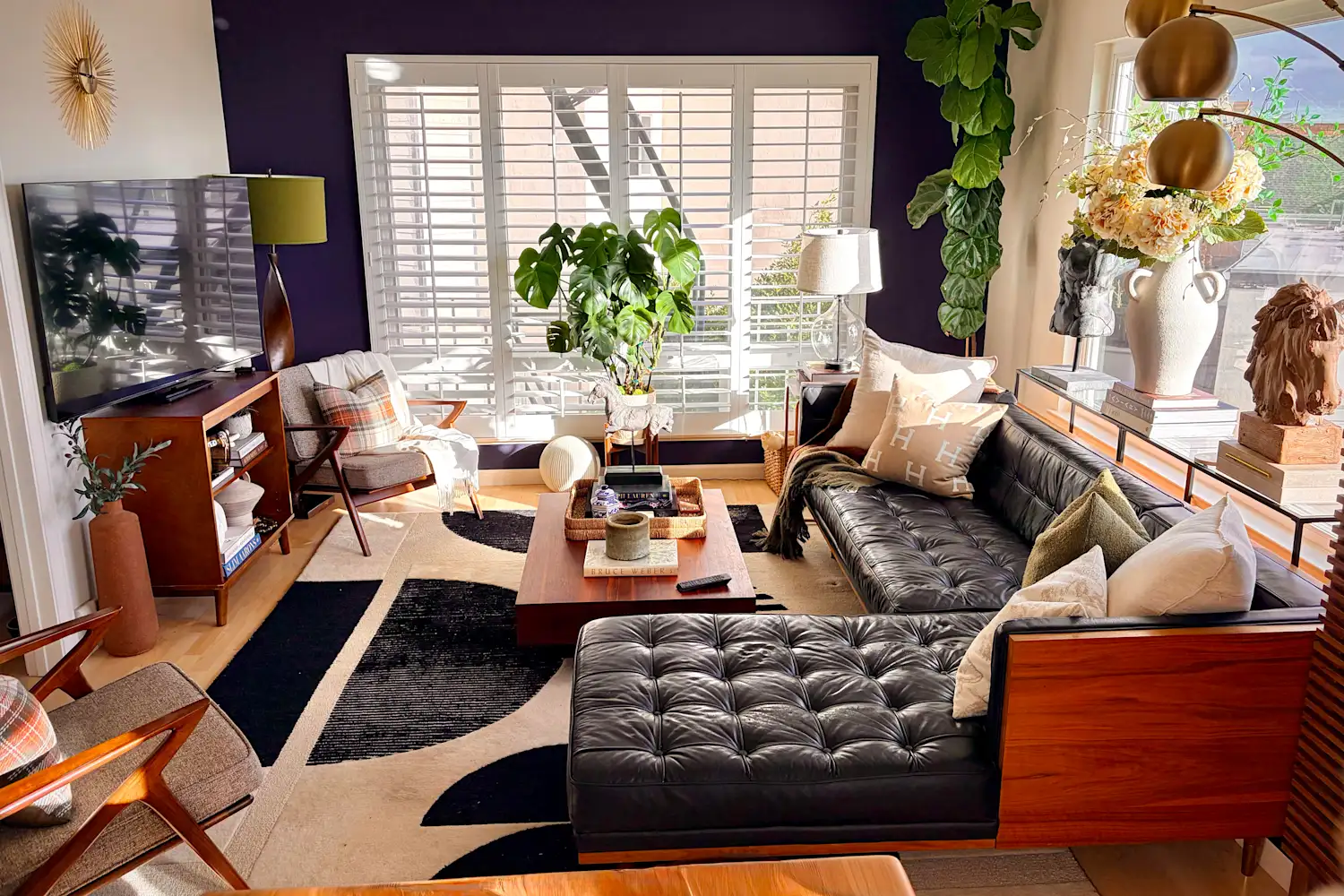
Regarding colors, dark tones are also appropriate for small bedrooms. Higham states that a room immersed in darker hues can evoke coziness and sophistication. Similarly, Maggio recommends dark ceilings to create an illusion of height, as long as they provide a contrast with the walls. Zehner advises against overly minimalist offerings, suggesting that incorporating color and texture can greatly enhance the space's warmth and personality.
For furniture options, midcentury designs often feature a more minimal size, making them suitable for small rooms. Downing recommends such pieces, while Press suggests looking at furniture designed for younger demographics, often found at Urban Outfitters. She highlights specific items that offer storage without compromising style. Higham favors West Elm’s Myla Pop-Up Storage Bed as an optimal solution for under-bed storage, allowing for maximum functionality in tight spaces.