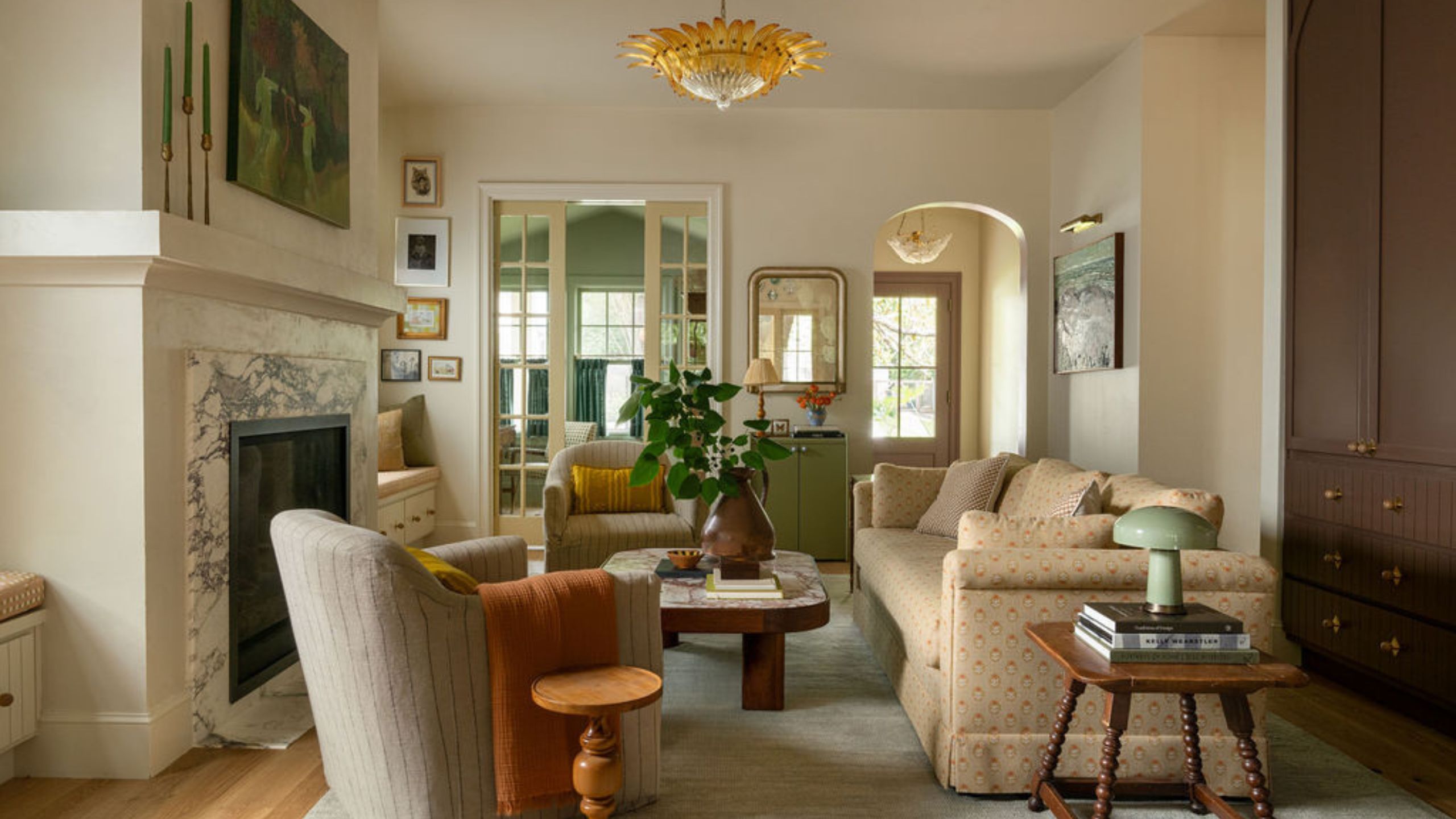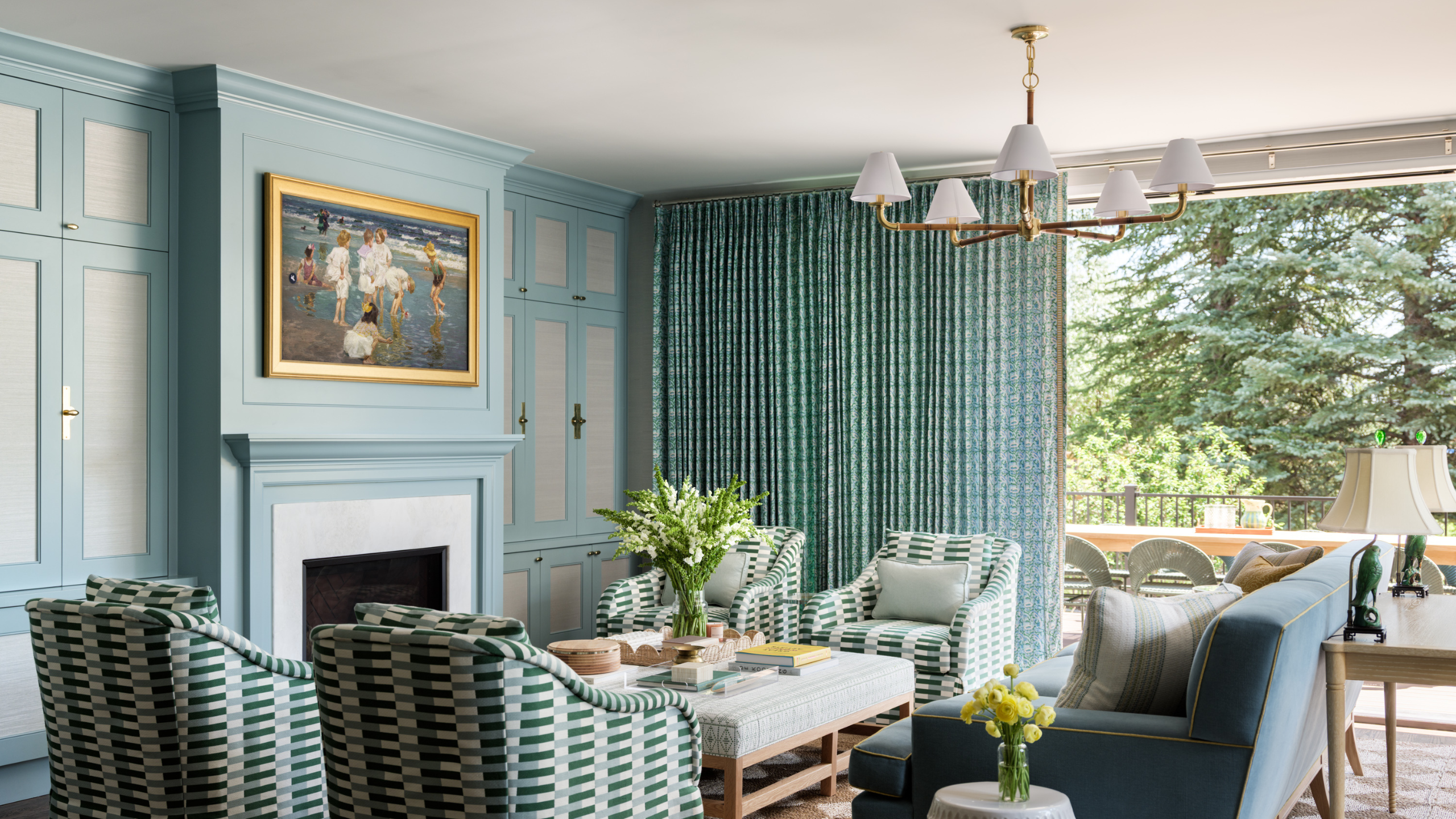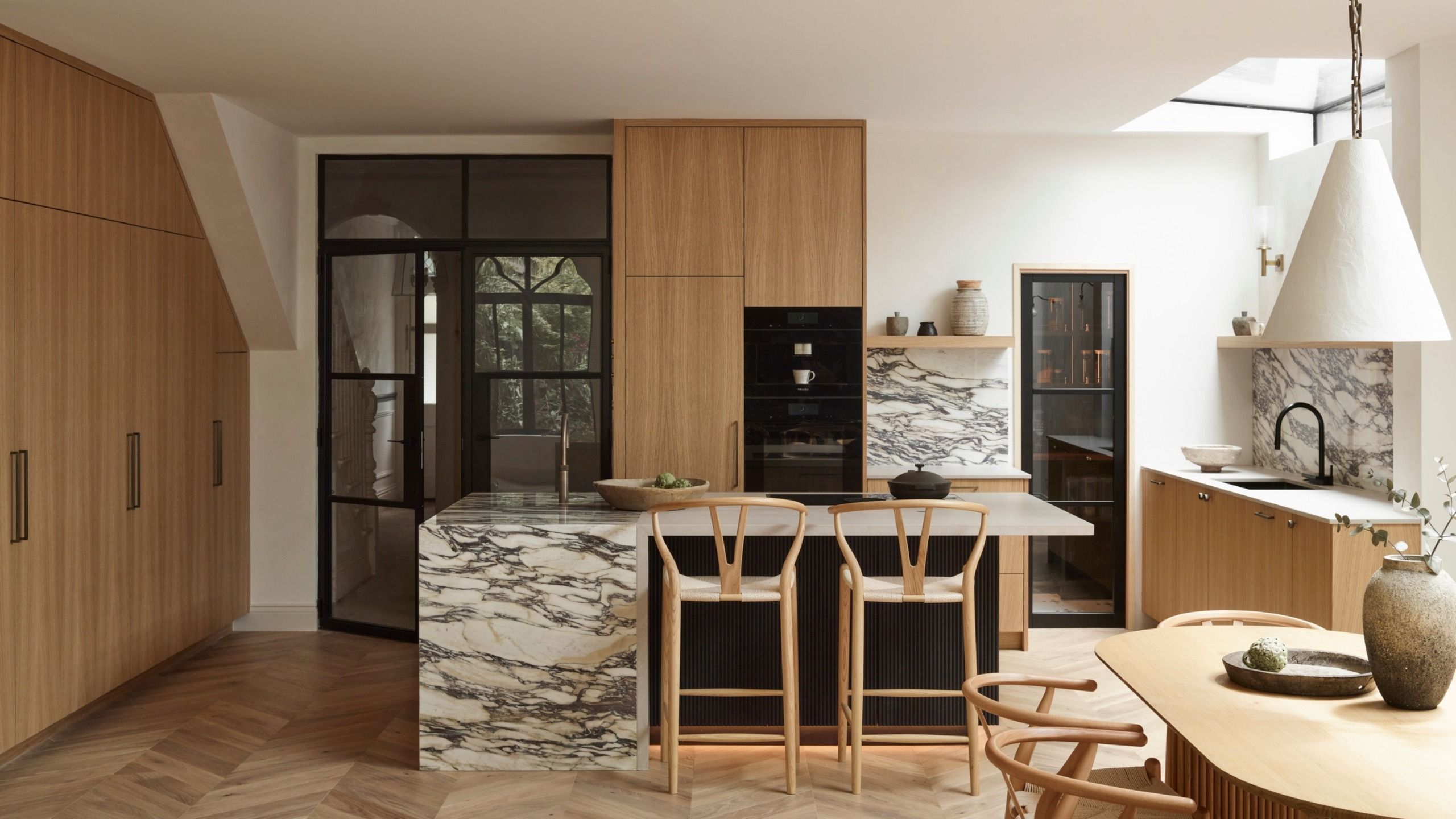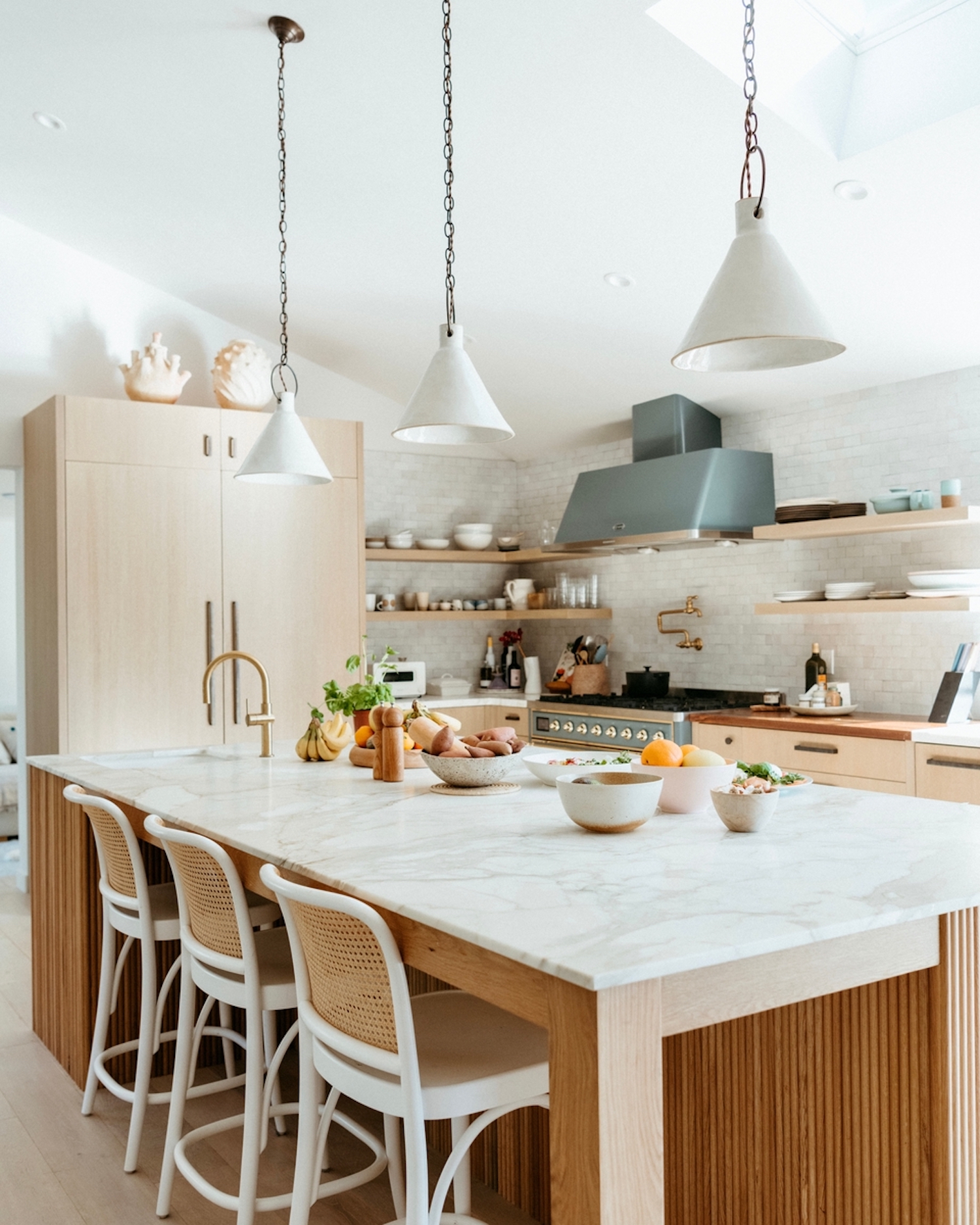
As design trends evolve, some lighting styles are fading from favor. Designers have identified several outdated lighting trends that are no longer in sync with contemporary aesthetics. Here are seven styles to consider moving away from as we approach 2026.
1. Exposed Edison Bulbs
Exposed Edison bulbs were popular in the late 2000s and early 2010s but are now viewed as dated. Dana Gers, Chief Marketing Officer at Lumens, describes them as nostalgic clichés. Initially celebrated for their historical charm, they have since become overly simplistic and lack meaningful design. For those still drawn to this style, alternatives like Louis Poulsen's Aged Brass Collection offer a more refined look.
2. Mid-Century Sputnik Pendants
Mid-century Sputnik pendants, known for their bold design, have also lost their appeal. Andrea Goldman, founder of Andrea Goldman Design, notes that their widespread imitation and commercial availability have made them feel less special. Despite their original charm, it may be time for this lighting style to step aside.
3. Brass Overload
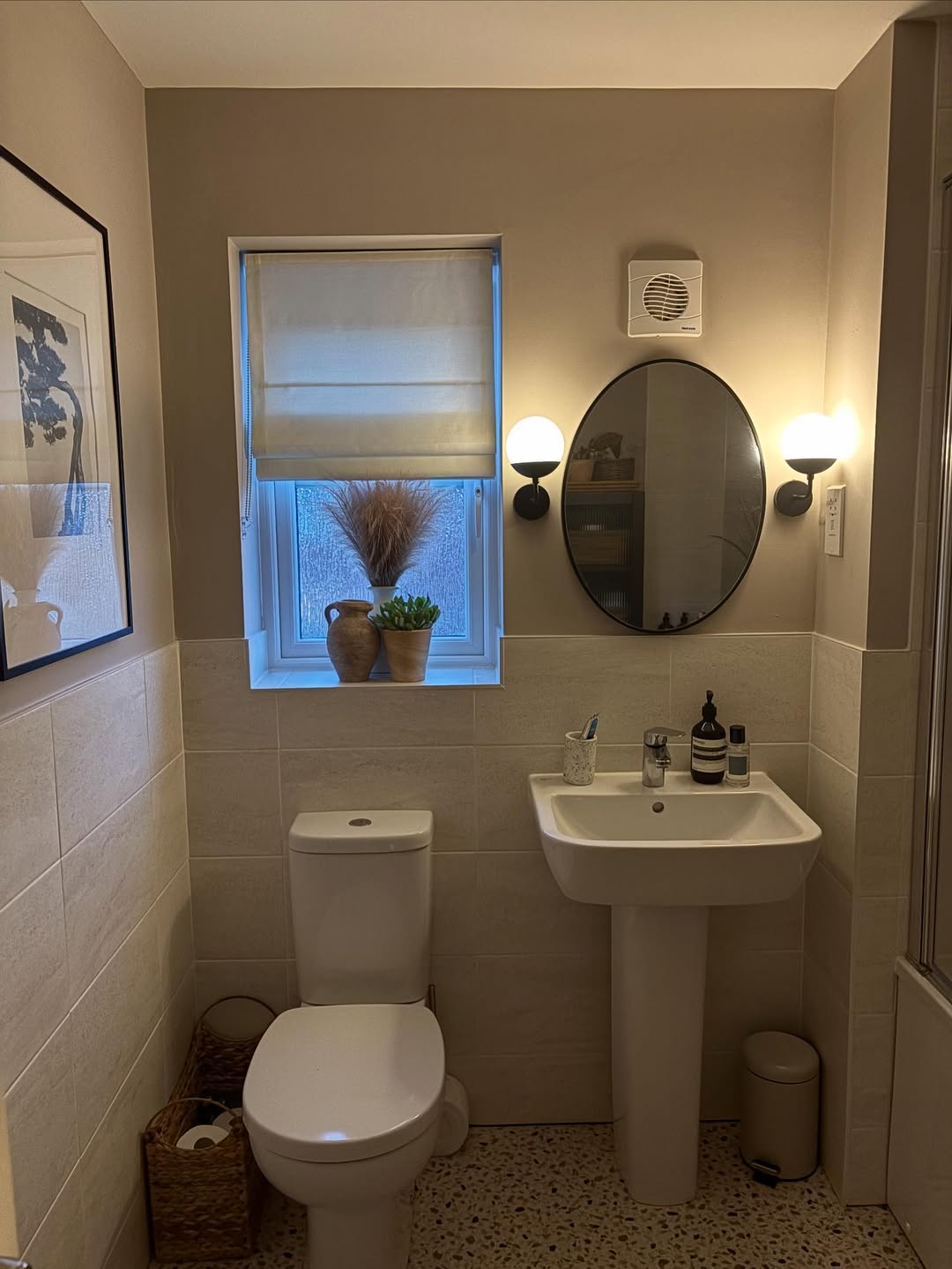
Brass is currently ubiquitous in lighting, akin to costume jewelry. Designers suggest it needs to be used more sparingly by exploring various metal tones for a fresher appearance. While brass remains timeless, its overuse can detract from the beauty of a room. Alternatives like burnished and antiqued brass, or polished nickel, are recommended to avoid a clichéd look.
4. Harsh Industrial Fixtures
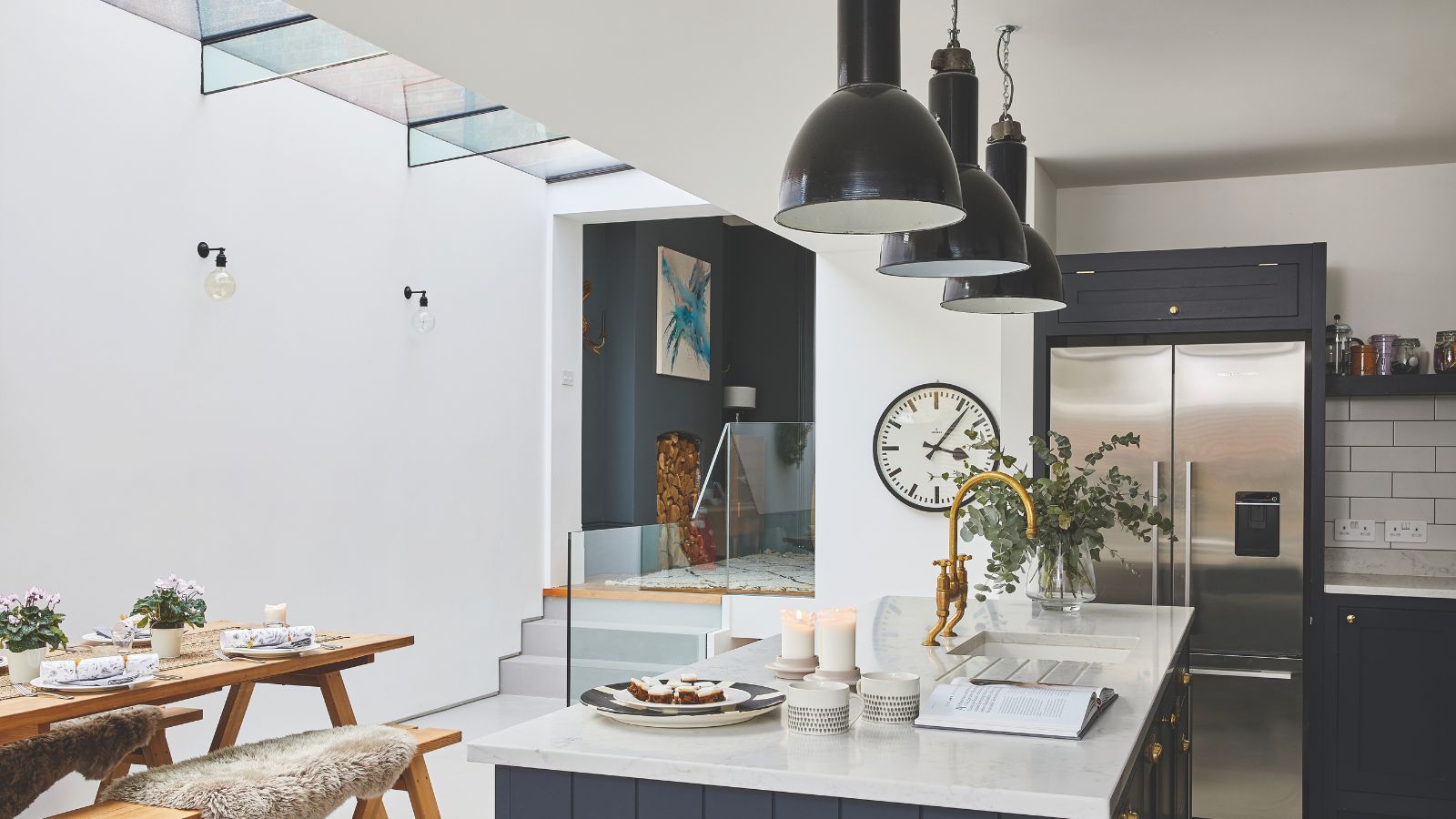
Industrial lighting, characterized by its utilitarian look with raw metals, is falling out of style. Designers argue that these fixtures have become heavy and outdated. Instead, there's a movement toward pieces that maintain an industrial edge but incorporate more elegance and craftsmanship, as illustrated by designs like Lambert & Fils's Silo Atelier 03 LED Pendant.
5. Incorrect Scale
Using lighting that doesn’t match the scale of a space is another trend to retire. Andrea Goldman emphasizes that oversized lighting can make a significant impact in larger rooms, while small fixtures often get lost. Selecting appropriately scaled chandeliers or pendants is crucial for achieving balance in any interior.
6. Minimal Ring Pendants
Slim ring pendants were once fashionable for their simplicity but have since become widespread and underwhelming. Dana Gers identifies them as no longer impactful due to their repetition. Designers are now advocating for more innovative forms, moving beyond basic circular designs to more sculptural and layered alternatives.
7. Utility Lighting
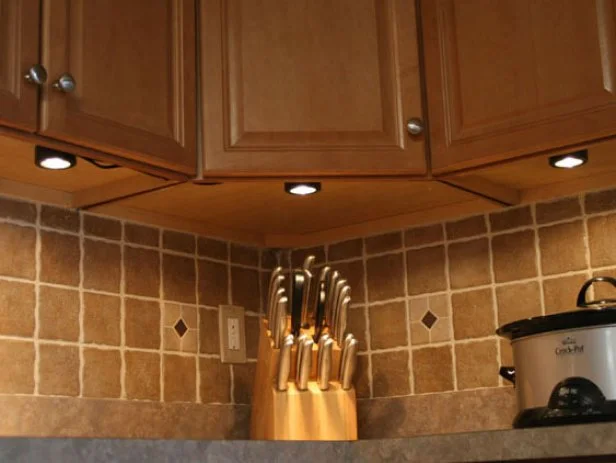
Task lighting should be reserved for practical spaces such as garages or work areas, rather than cozy living areas. Designers at Evan Edward suggest that soft, decorative lighting should replace utilitarian fixtures in homes. Options like fabric-shaded pendants or sculptural designs contribute a more inviting atmosphere.
In summary, the future of lighting design appears to be shifting towards more imaginative, warm, and character-driven aesthetics that prioritize craftsmanship and innovation.