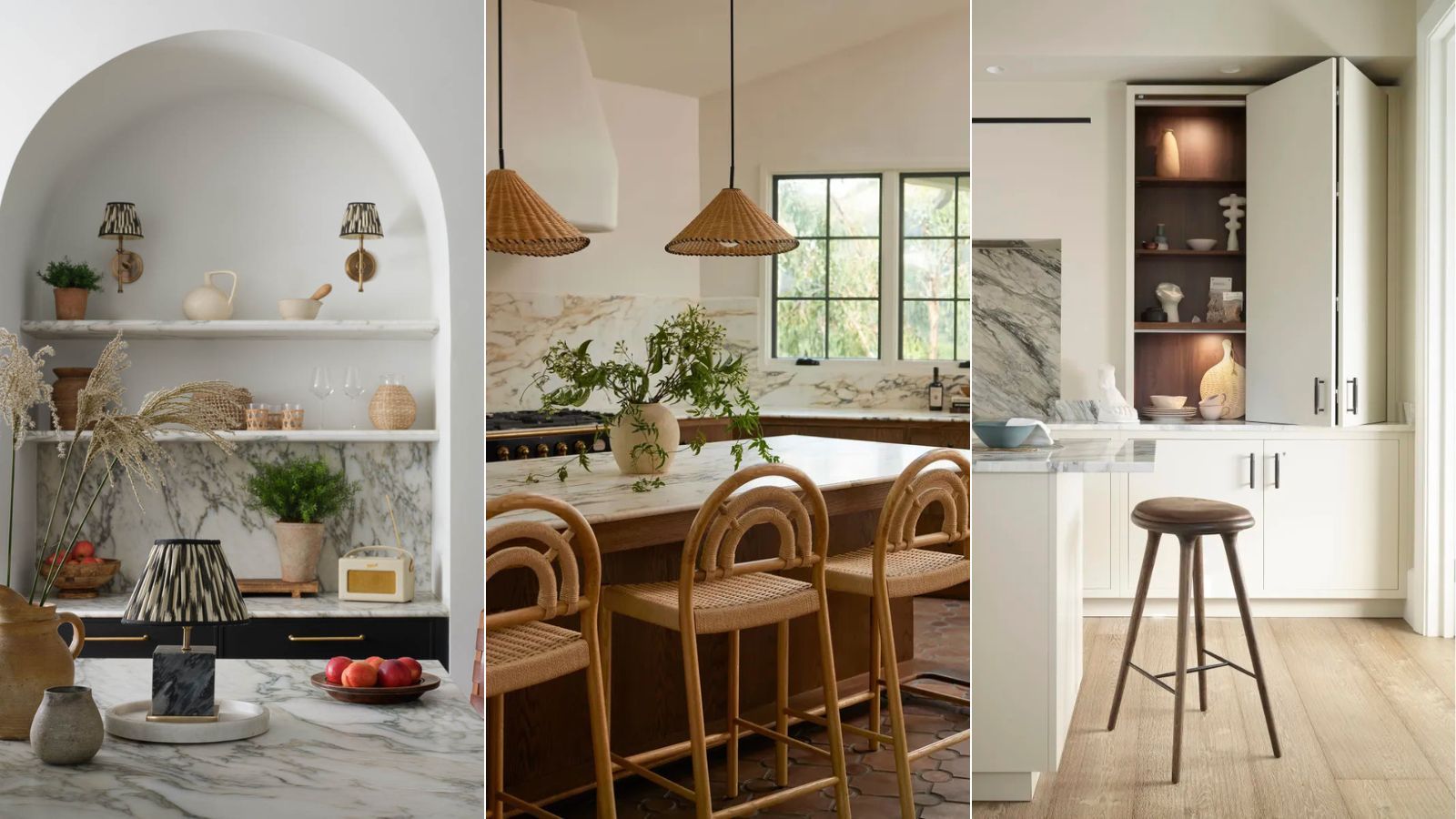
In decorating my home, I've discovered a Danish influence in my approach to selecting lightbulbs. I find myself spending considerable time picking the perfect warm tone to create a calming atmosphere. My choice is often guided by intuition rather than wattage or brightness.
This tendency aligns with insights from Meik Wiking's book, *The Little Book of Hygge*, which highlights the Danish preference for lighting. According to Wiking, the Danes have a specific approach to lighting that stems from the long, dark winters they experience, which leaves them with limited natural light from October to March.
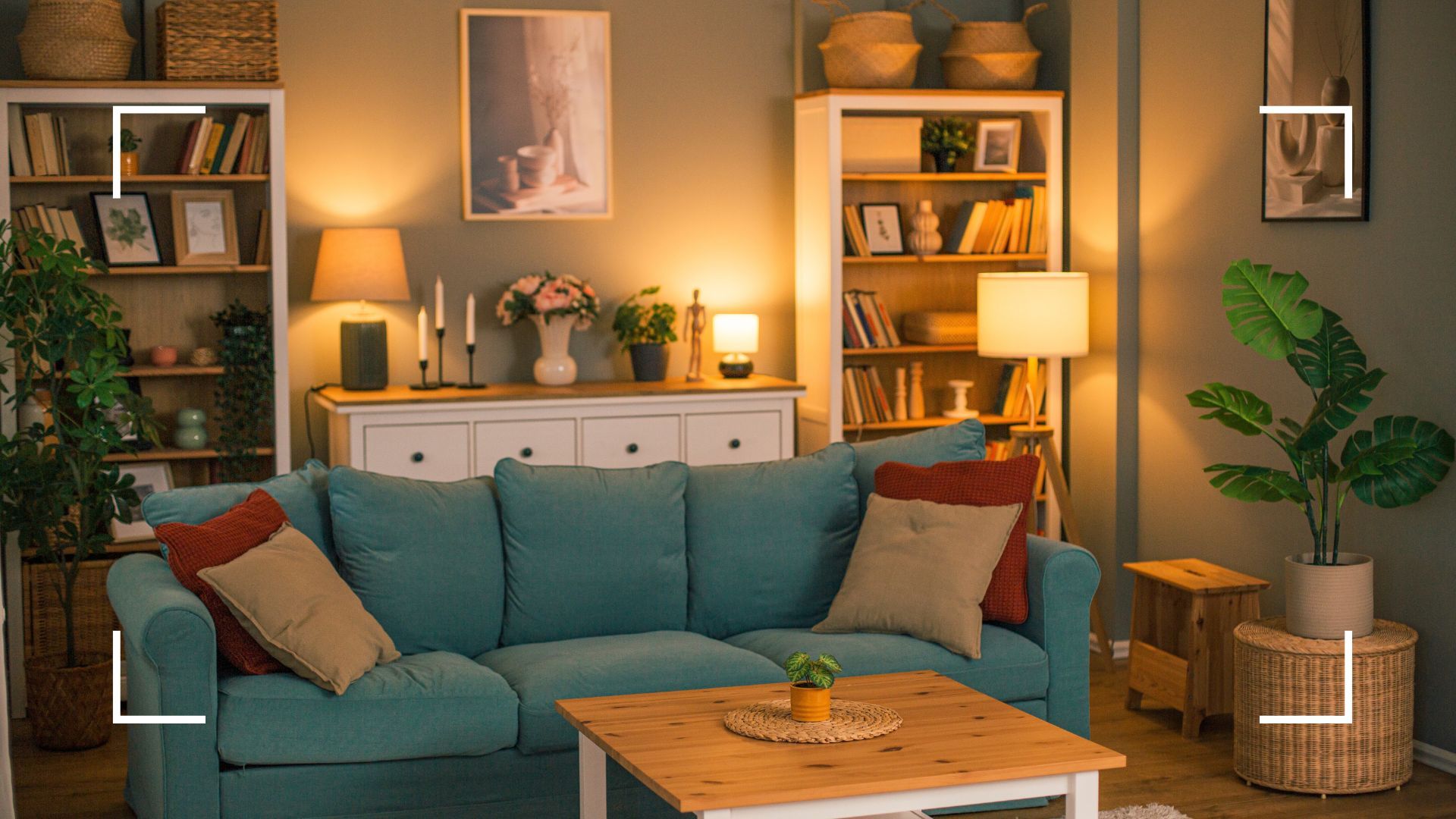
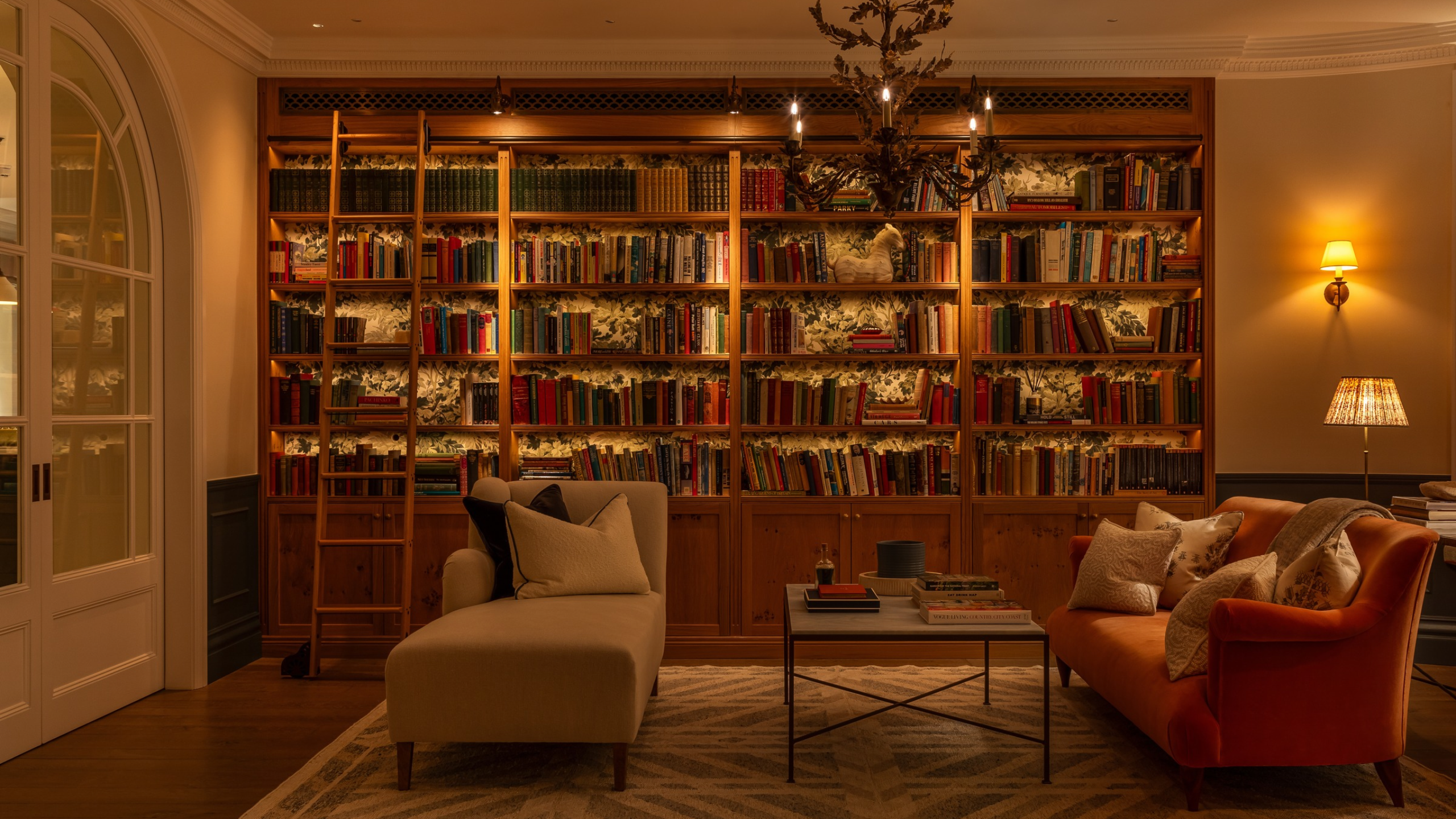
Given this context, it's understandable that light takes on special significance in Danish homes. Even budget-conscious student apartments feature carefully selected lamps that produce soft, diffused light with a yellow hue. Wiking notes that Danes strategically place lamps to create relaxing light pools, treating lighting as both an art and a science.
To achieve a hygge atmosphere, the goal is to create warm, comfortable lighting akin to that of candles, which are central to hygge living. The guiding principle is simple: lower color temperatures (measured on the Kelvin scale) equate to better hygge. The ideal temperature is around 1800K, similar to the light of a sunset or flames, in contrast to the harsher 5000K of fluorescent lights.
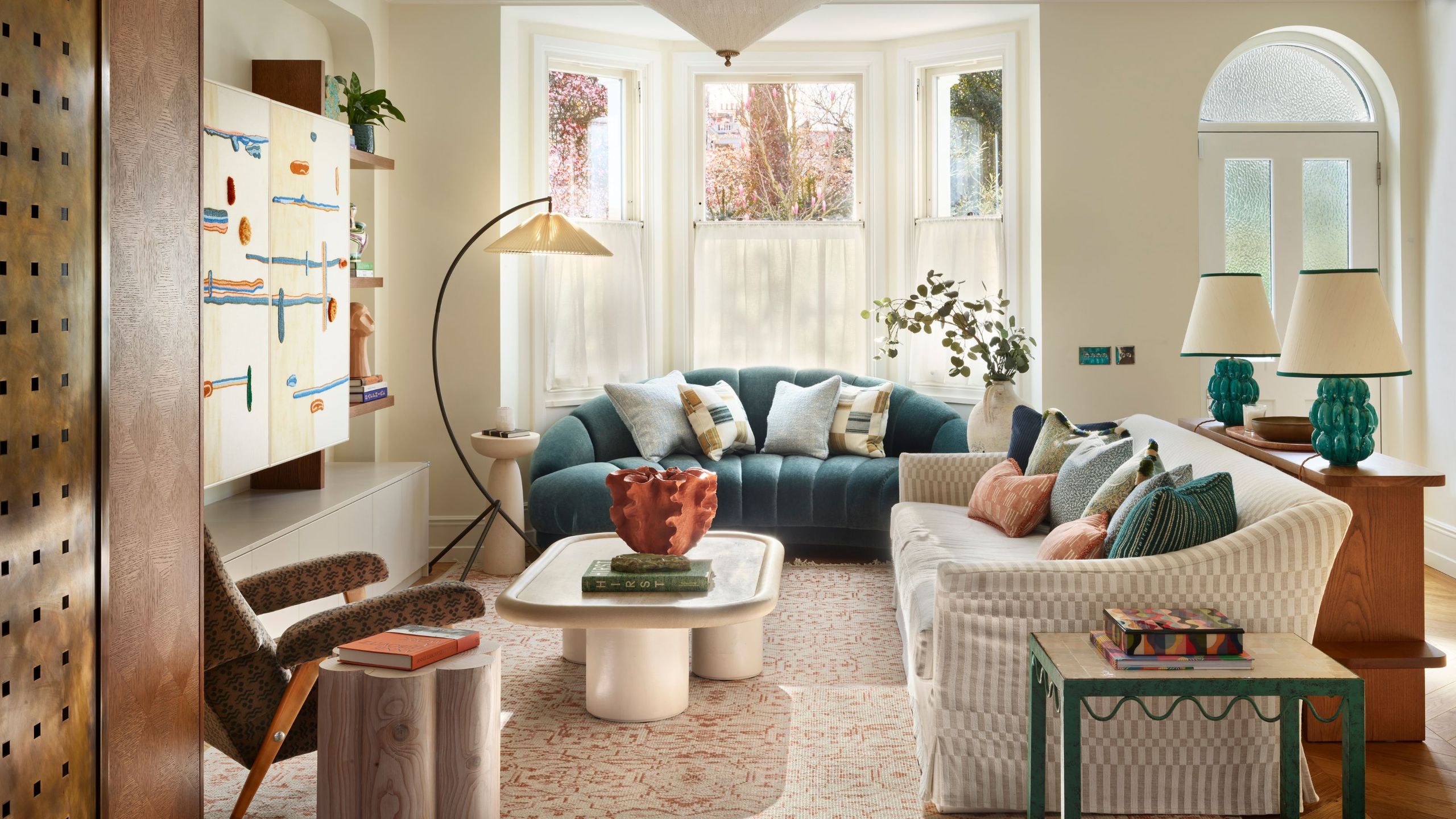
These temperature ratings are easy to check when purchasing bulbs, especially for spaces designed for rest and relaxation. Many Danish designers favor lamps with pleats or overlapping shades, as they offer a more diffused light.
While the Danish have long recognized the impact of lighting on mood, awareness is growing beyond Denmark. Neurologists acknowledge that migraine sufferers often have heightened sensitivity to light, experiencing more severe headaches in brightly lit spaces. This supports the common advice to use warmer lights—those with more red and yellow tones than blue—particularly in areas focused on rest, as they can help replicate the effects of natural light.