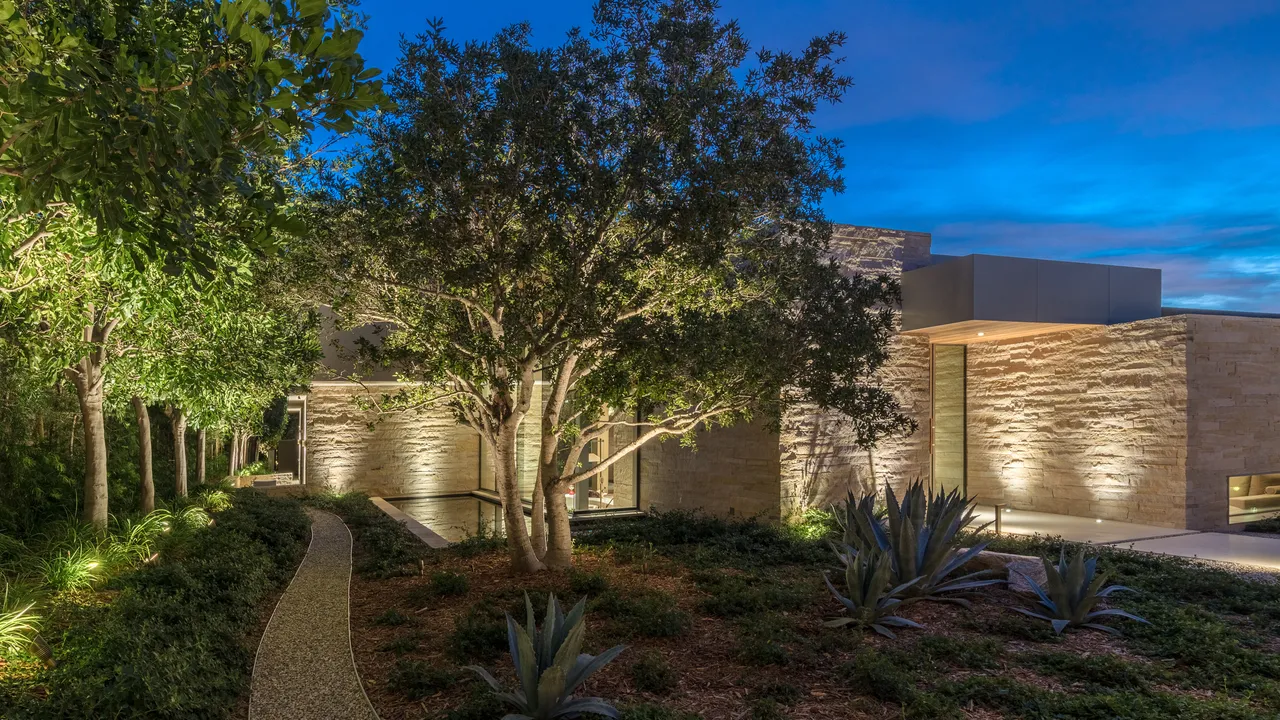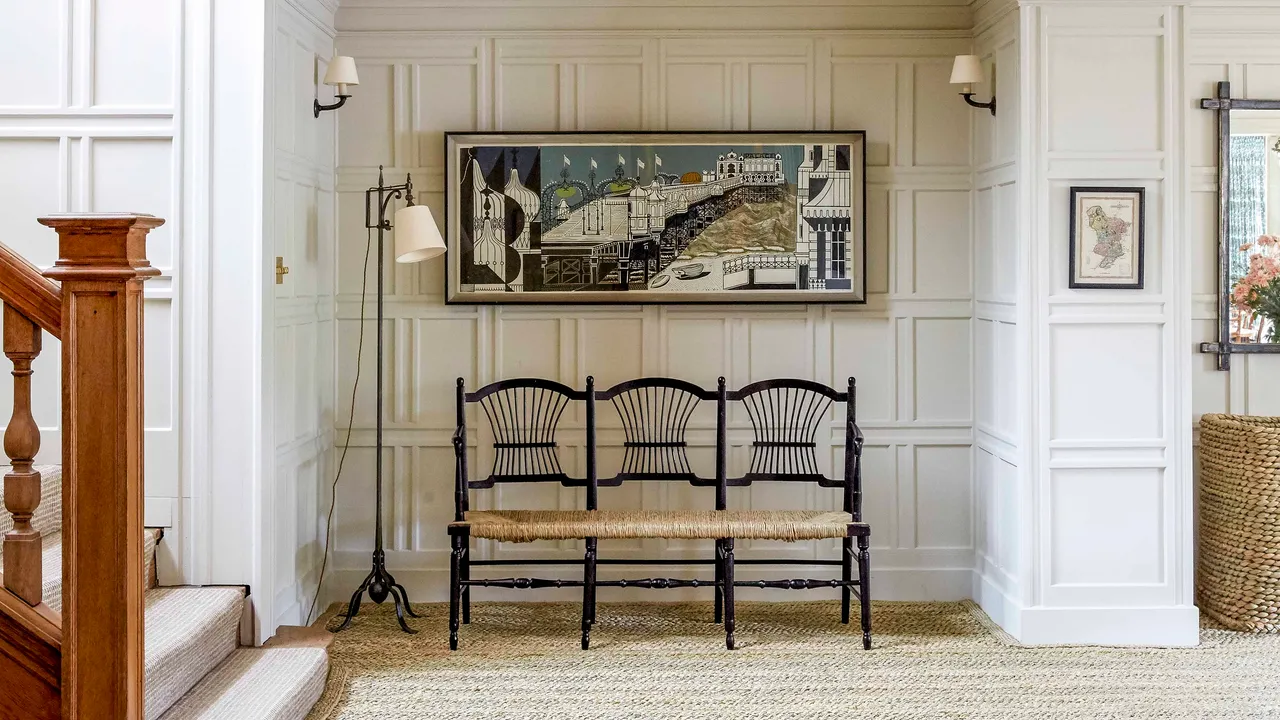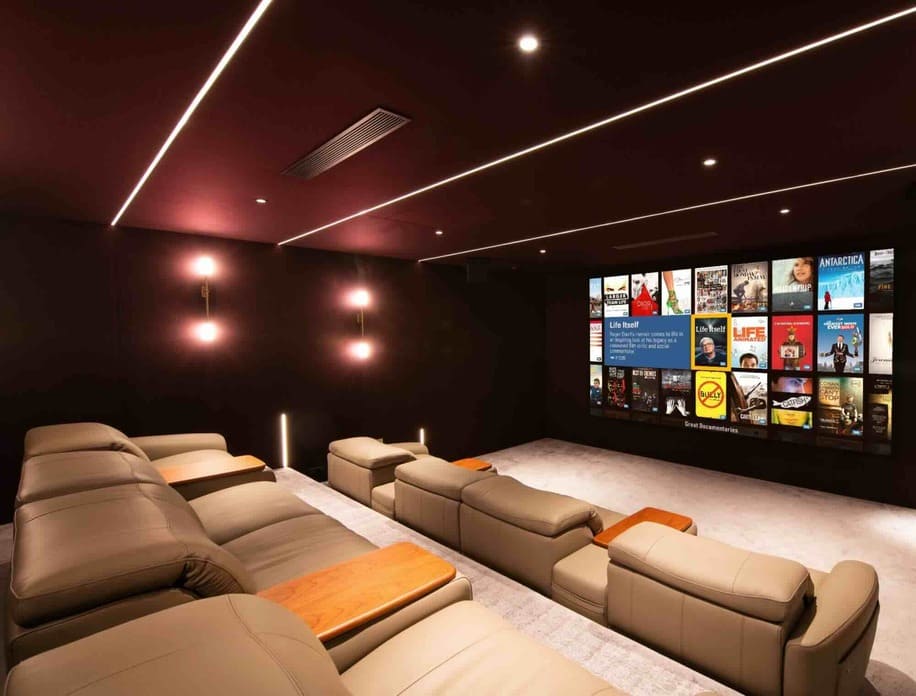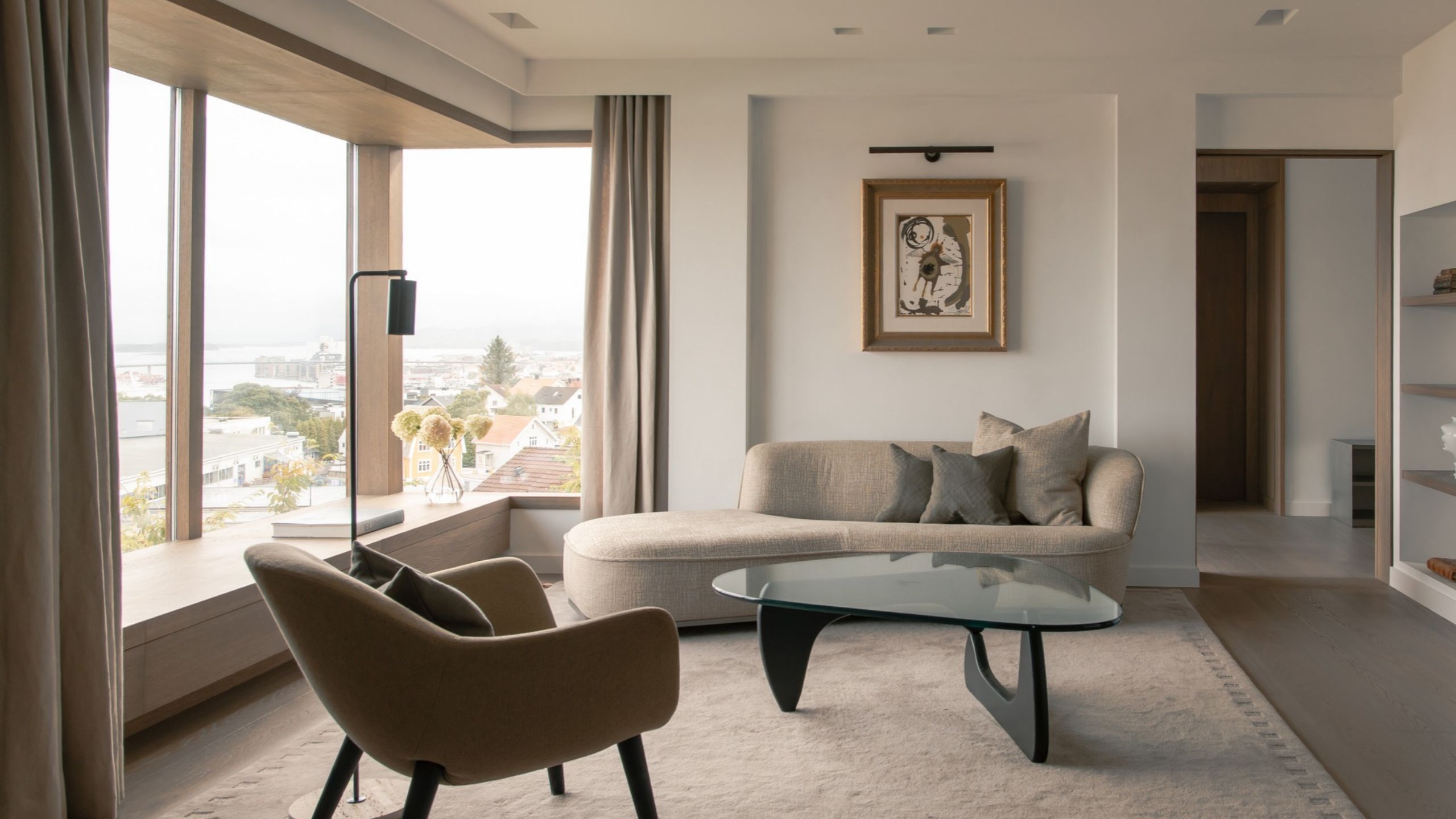
Lighting designer Nathan Orsman, founder of Orsman Design in New York, emphasizes the collaborative nature of his work, likening his role to that of a 'back-up dancer' in a performance. He believes that successful lighting design integrates seamlessly with architecture to enhance the overall aesthetic. Often, he advises making structural adjustments to optimize natural light and visual impact in spaces.
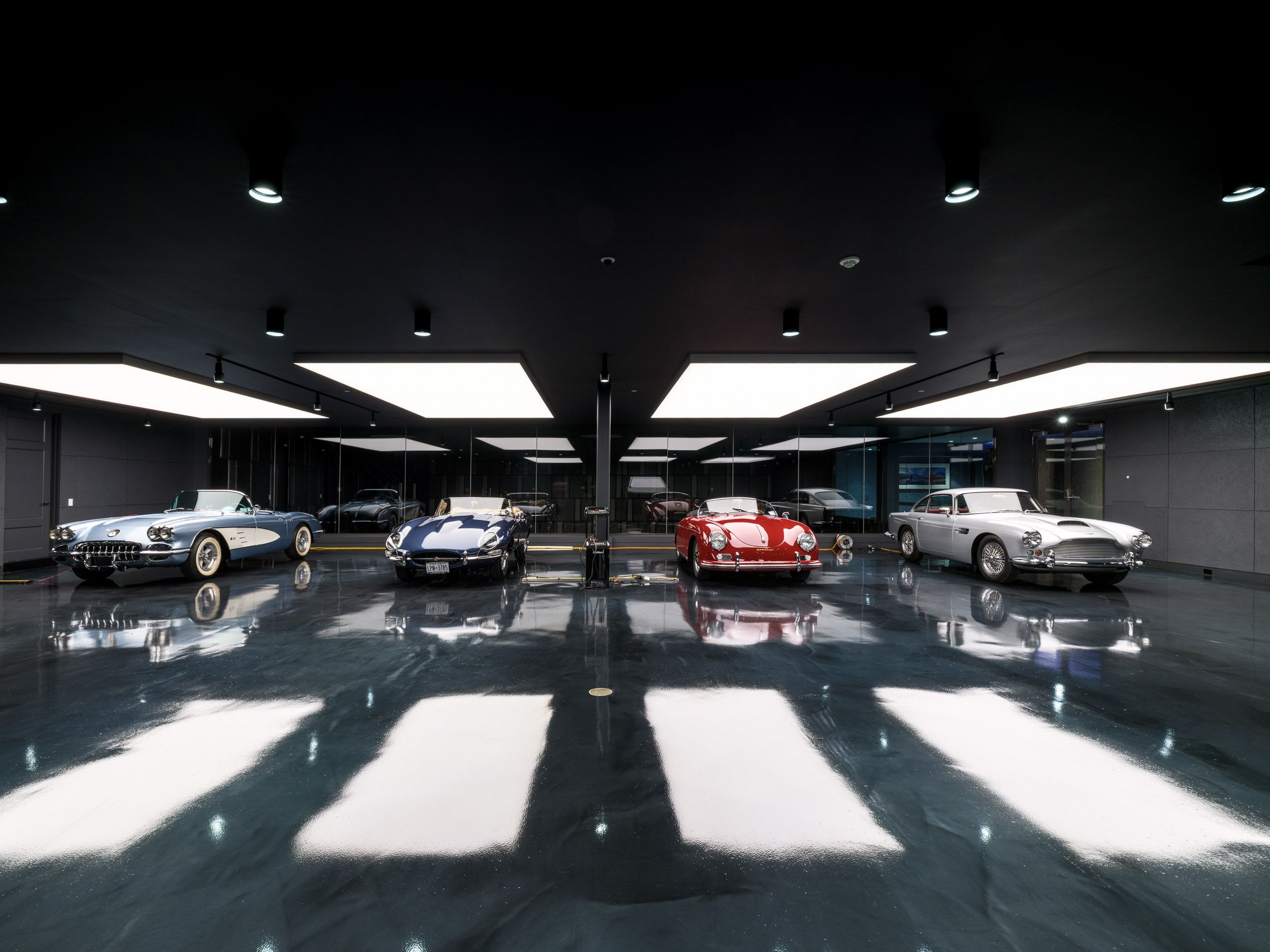
Orsman’s latest project, a garage and basketball court in Sagaponack, New York, showcases his belief that 'light is about movement through a space.' The designer aimed to create a distinct atmosphere in the private residence's garage, contrasting the lighter tones of interior designer Tony Ingrao’s work throughout the house. The garage, accessed through a wine cellar, features resin-poured black walls and grey floors, illustrating Orsman's concept of a nightclub-like environment.
Describing the garage as a sunken showroom for seven cars, Orsman used strategically placed custom-stretched membrane light panels overhead. These ceiling fixtures offer adjustable white tones, while surface-mounted Ketra lights provide vibrant color washes. This lighting approach highlights the vehicles’ unique finishes, enhancing their sculptural qualities and creating dynamic reflections on the resin floor.
The mood continues in the basketball court, which is positioned even lower than the garage, featuring sound-absorbing wall panels in two shades of grey. The atmosphere flows from the garage into this space, where a striking series of ceiling lights designed to resemble basketballs illuminate the hoop area. The fixtures were custom-made by Italian manufacturer BlackLight, integrating seamlessly with the space.
Orsman’s work is highlighted in his forthcoming book, *Light: Illuminated Interiors and Architecture*, published by Rizzoli on September 29, 2026. The 320-page book details his lighting designs across various high-profile residences, including those of Oprah Winfrey and Stephen Colbert. It emphasizes his collaborative approach with architects and interior designers, as well as his focus on the interplay between light and negative space, underscoring his belief that careful consideration can often lead to more impactful results.