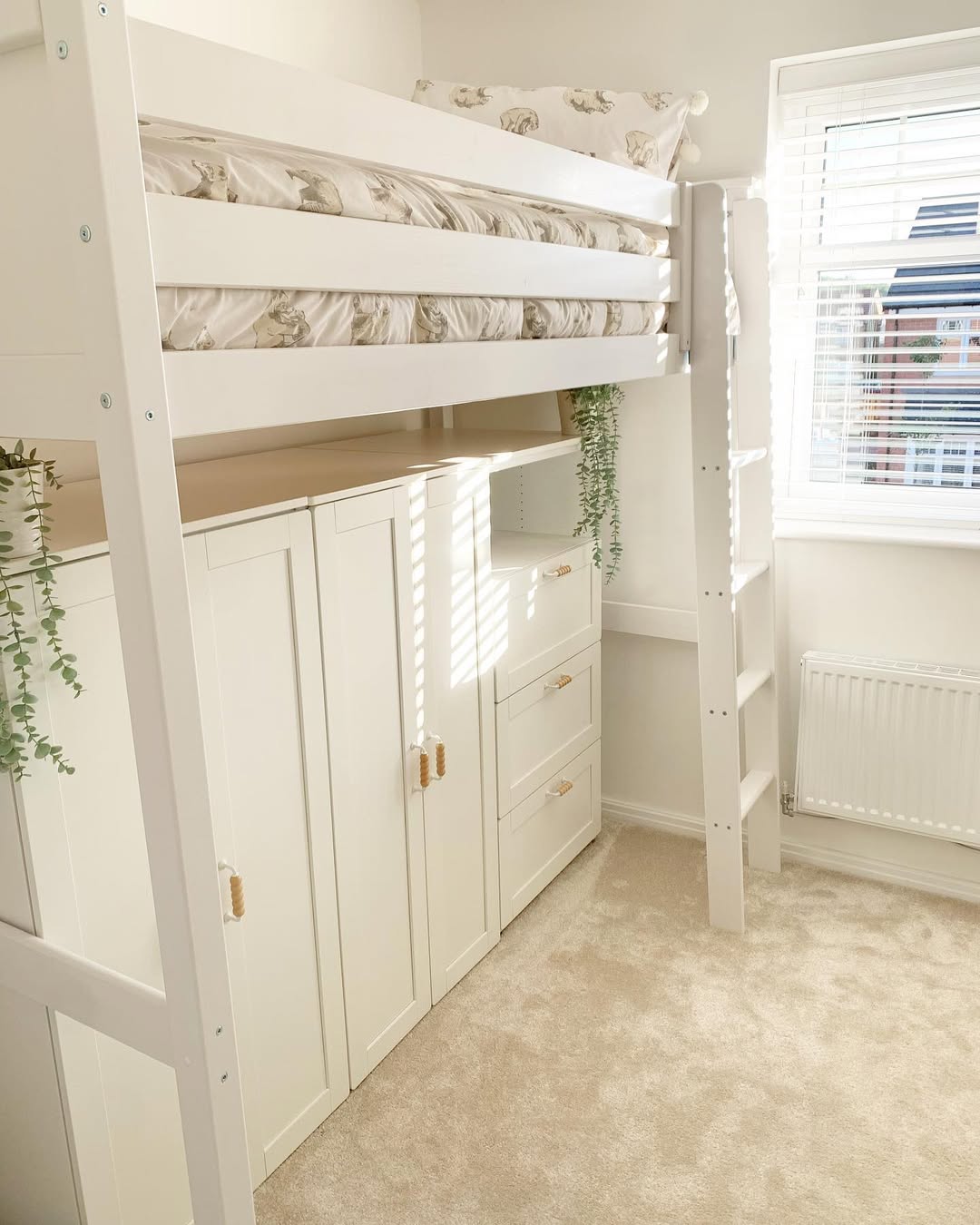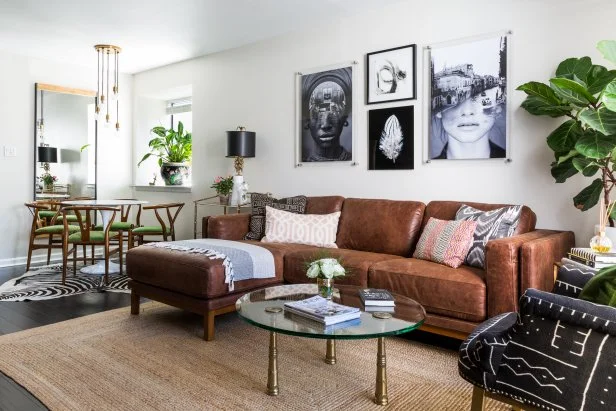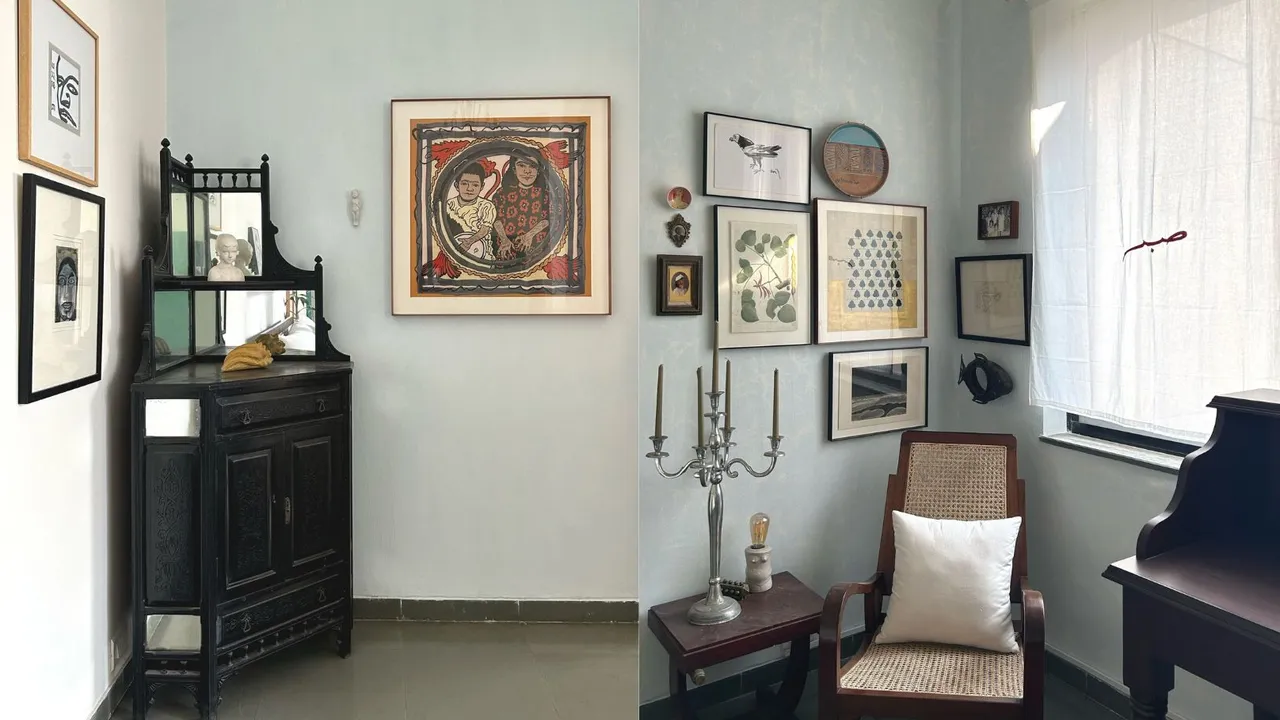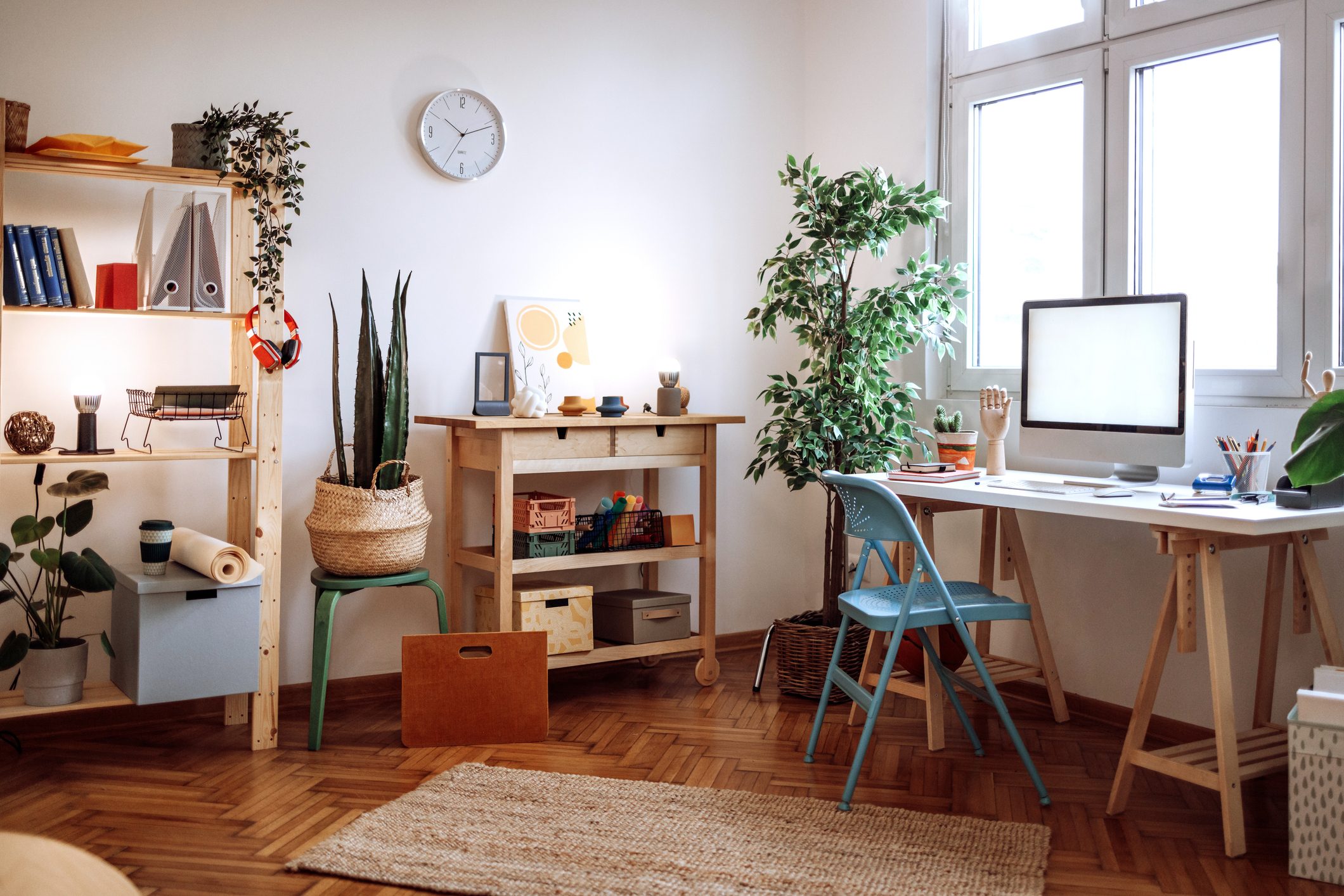
Small rooms offer unique design opportunities while presenting certain challenges. With thoughtful planning, compact spaces can be transformed into elegant areas full of style and comfort, providing all the coziness associated with family living. Their compact nature allows for easier maintenance and convenient accessibility to all essentials.
Strategic Furnishing in Living Rooms
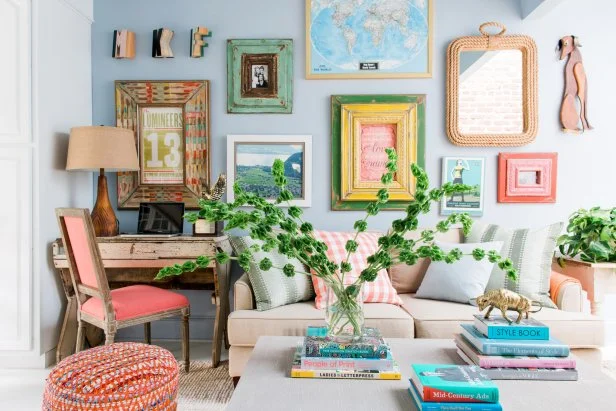
James Thurstan, founder of Thurstan, suggests that careful selection of furnishings is essential in small living rooms. A large rug can serve as an anchor, while inward-facing armchairs create depth. Smaller accessories, such as wooden coat hangers, can unnecessarily clutter a space, so choosing well-proportioned furniture is crucial.
Clever Lighting for Bedrooms
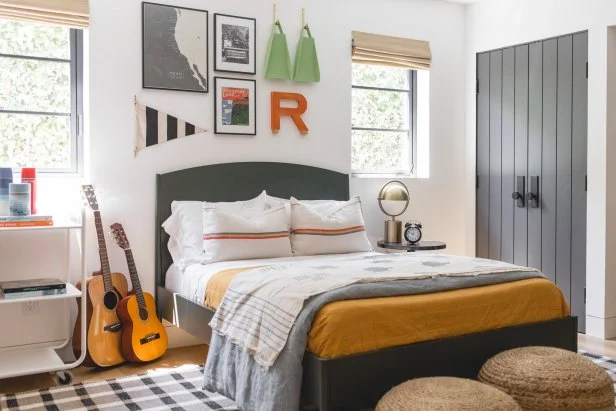
For small bedrooms, Irene Gunter, founder of Gunter & Co., recommends wall lights over table lamps. This choice maximizes surface area on small bedside tables, allowing for better organization. Well-placed lighting can enhance the room's ambiance while staying within budget.
Bold Colors in Entryways
Mike Fisher, creative director at Studio Indigo, emphasizes the importance of making a statement in entryways. Instead of light colors designed to enlarge the space, he encourages bold hues to add character. Using features like tall double doors and mirrors can create an illusion of more space.
Efficient Kitchen Storage Solutions
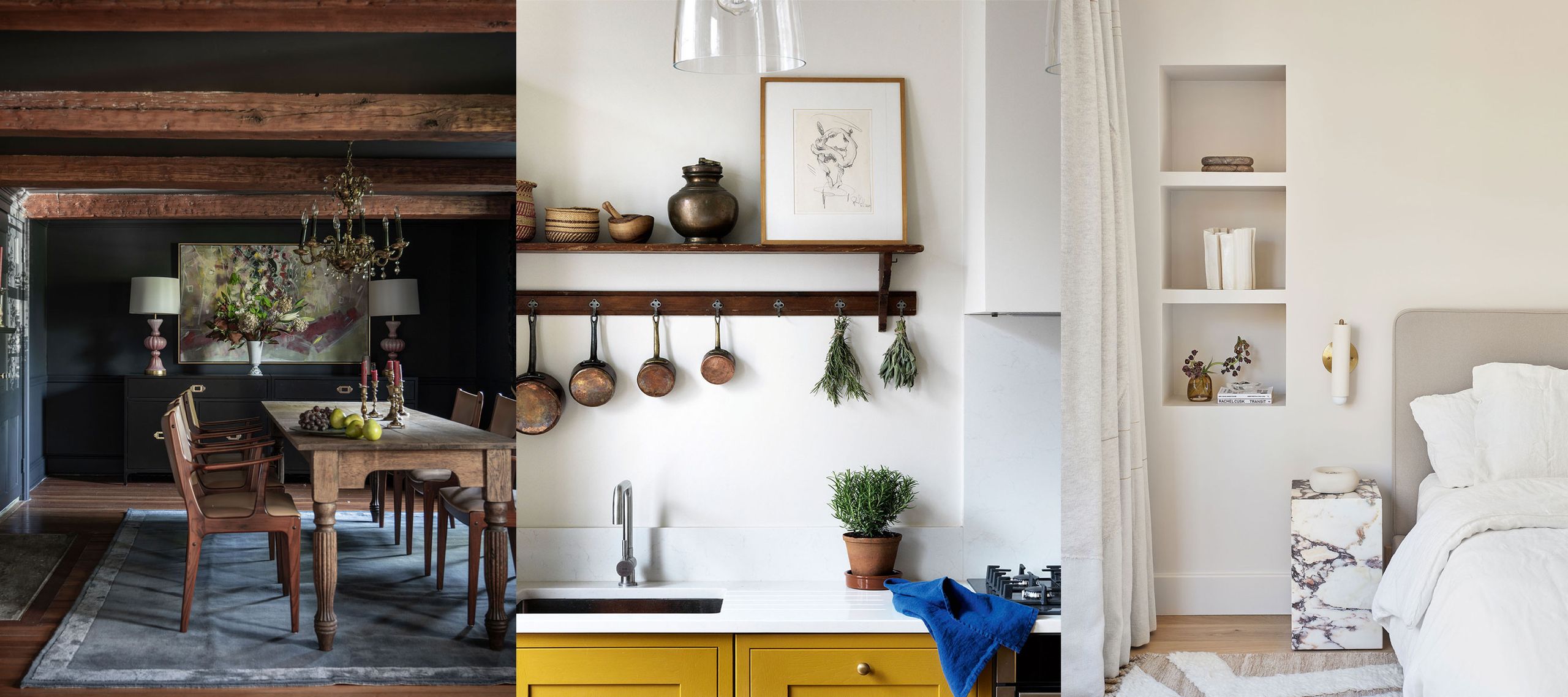
When it comes to kitchens, Claire Sa, director of De Rosee Sa, advises against a fully fitted look. Open shelves and glass-front cabinets can create depth and visual interest, making a compact kitchen more functional and appealing.
Combining Utility with Style in Bathrooms
James Thurstan suggests using mosaics combined with neutral paint colors to optimize small bathrooms and create points of interest. Bathrooms should be both practical and inviting; using bold patterns can make them conversation starters.
Dark Dining Rooms for Elegance
Contrary to popular belief, dark colors can enhance the atmosphere in small dining rooms. Joa Studholme from Farrow & Ball suggests using darker shades to highlight the central table, particularly in spaces primarily used in the evening.
Utilizing Scale Effectively
Sheena Murphy, partner at Nune, argues against the common practice of selecting small-scale furniture for compact rooms, as it can make the area feel even smaller. Instead, larger pieces can create a more comfortable environment.
Embracing Bold Colors
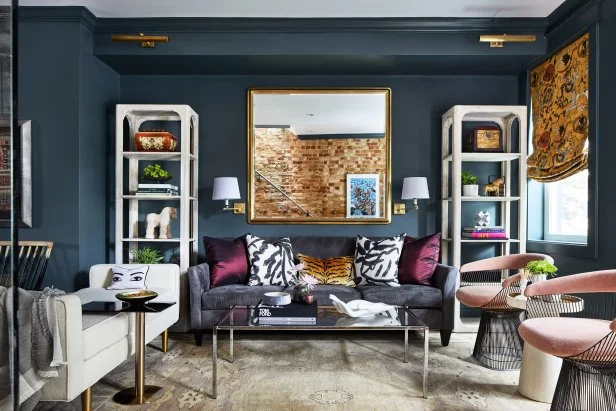
James Thurstan also supports using darker shades in smaller spaces to generate a cozy ambiance. Colors like deep blues or greens paired with warm accents can add both depth and comfort.
Visual Interest in Narrow Spaces
Ruth Mottershead, creative director of Little Greene, recommends using colors and patterns to create warmth in narrow entryways. Considering the entryway’s visibility from other rooms can further influence your design choices.
Fun with Contrasting Colors in Kitchens
Edward Bulmer suggests a neutral palette for kitchen walls combined with brightly colored cabinets for a lively aesthetic. The color wheel can help in choosing harmonious combinations.
Multi-Functional Furniture Solutions
Sophie Ashby highlights the importance of multi-functional furniture in small spaces. Features like ottomans with storage or sofa beds can significantly enhance functionality in living areas.
Custom Storage for Small Spaces
Sophie Ashby points out that good storage solutions are vital for all types of projects. Customized storage options, often requiring bespoke designs, provide functional yet space-efficient solutions.
Designing a small room effectively involves considering lighting levels and color choices. Claire Sa advises against over-reliance on ceiling lights, suggesting layered lighting instead to enhance the atmosphere. Joa Studholme recommends strong, welcoming colors to create an inviting impression as soon as guests enter.