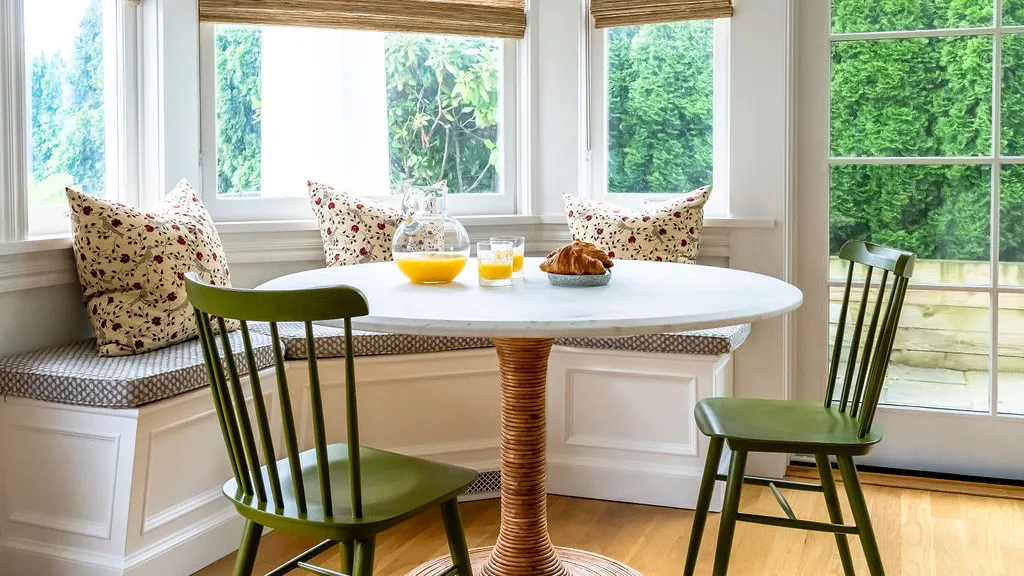
Small dining rooms can be inviting and functional with the right design strategies. Many renowned restaurants showcase the charm of compact spaces, proving that intimacy can enhance dining experiences. Designers emphasize that even modest dining areas can achieve a grand feel through thoughtful planning.
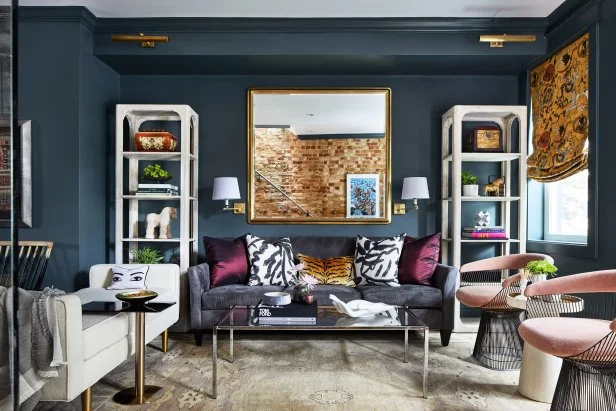
To make a small dining room feel larger, New Orleans designer Chad Graci recommends using a unified color palette and incorporating mirrors to add depth. He also suggests multifunctional furniture, such as dining rooms that double as cozy studies lined with bookshelves. Maximizing storage and surfaces is crucial in small areas.
Scale is an essential consideration in small dining room design. Nina Venice, the associate design director at Four Hands, points out that oversized or awkwardly arranged furniture can make a space feel cramped. Conversely, using appropriately sized pieces can create a welcoming atmosphere. A bench along one side of the table can save space, according to Santa Fe designer Heather French. She also recommends round tables, which facilitate flow.
When designing small spaces, designers often caution against an overly minimalistic approach.
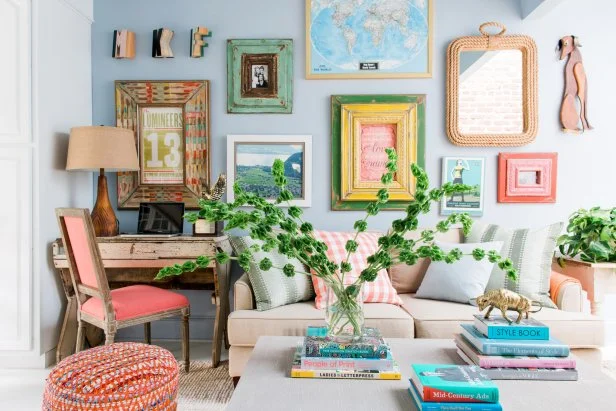
Sara Hillery from Richmond, Virginia, argues that rich design elements, such as standout chairs and striking lighting, can add flair without cluttering the space. Custom built-ins can provide practical storage while enhancing aesthetics.
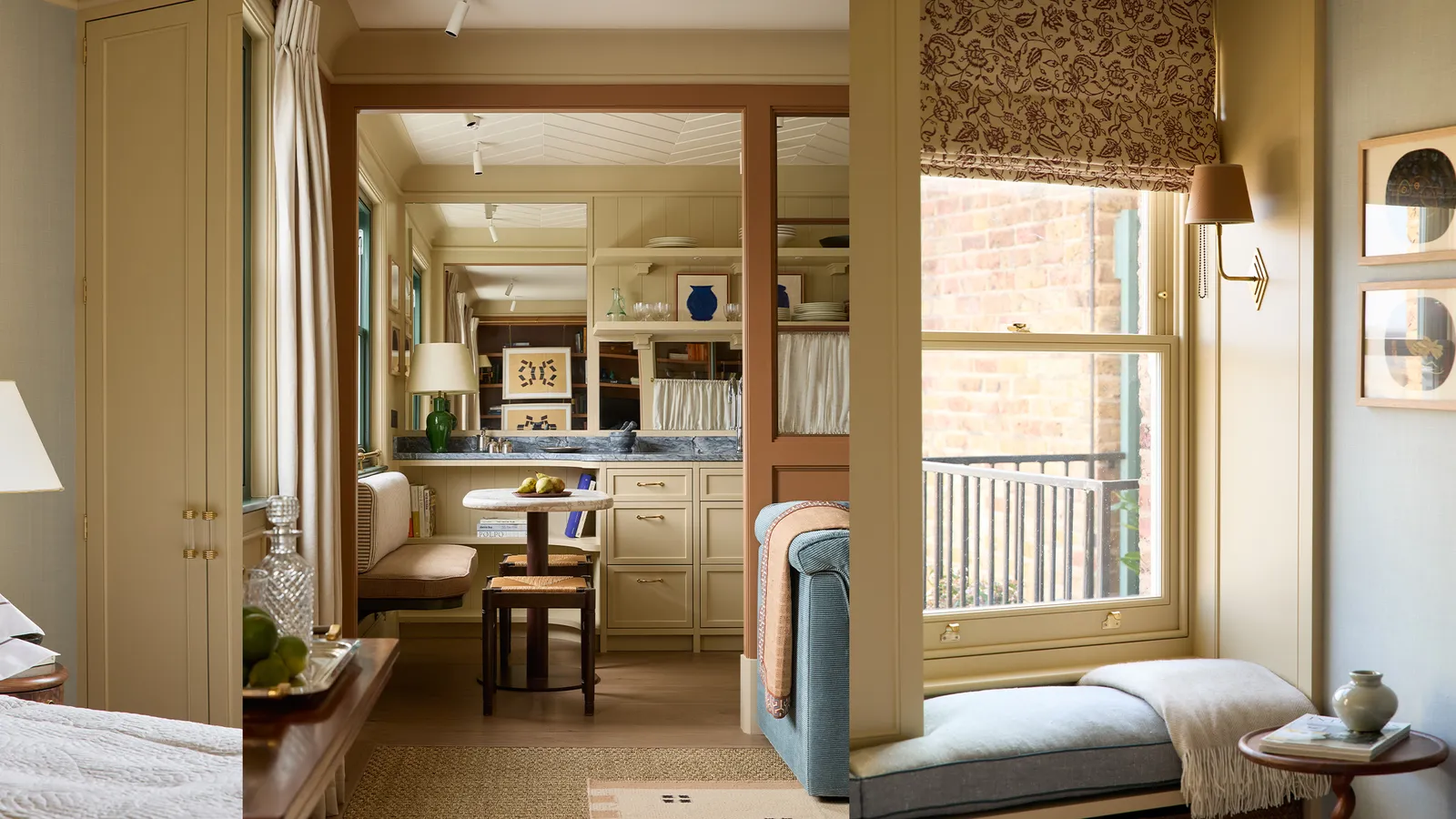
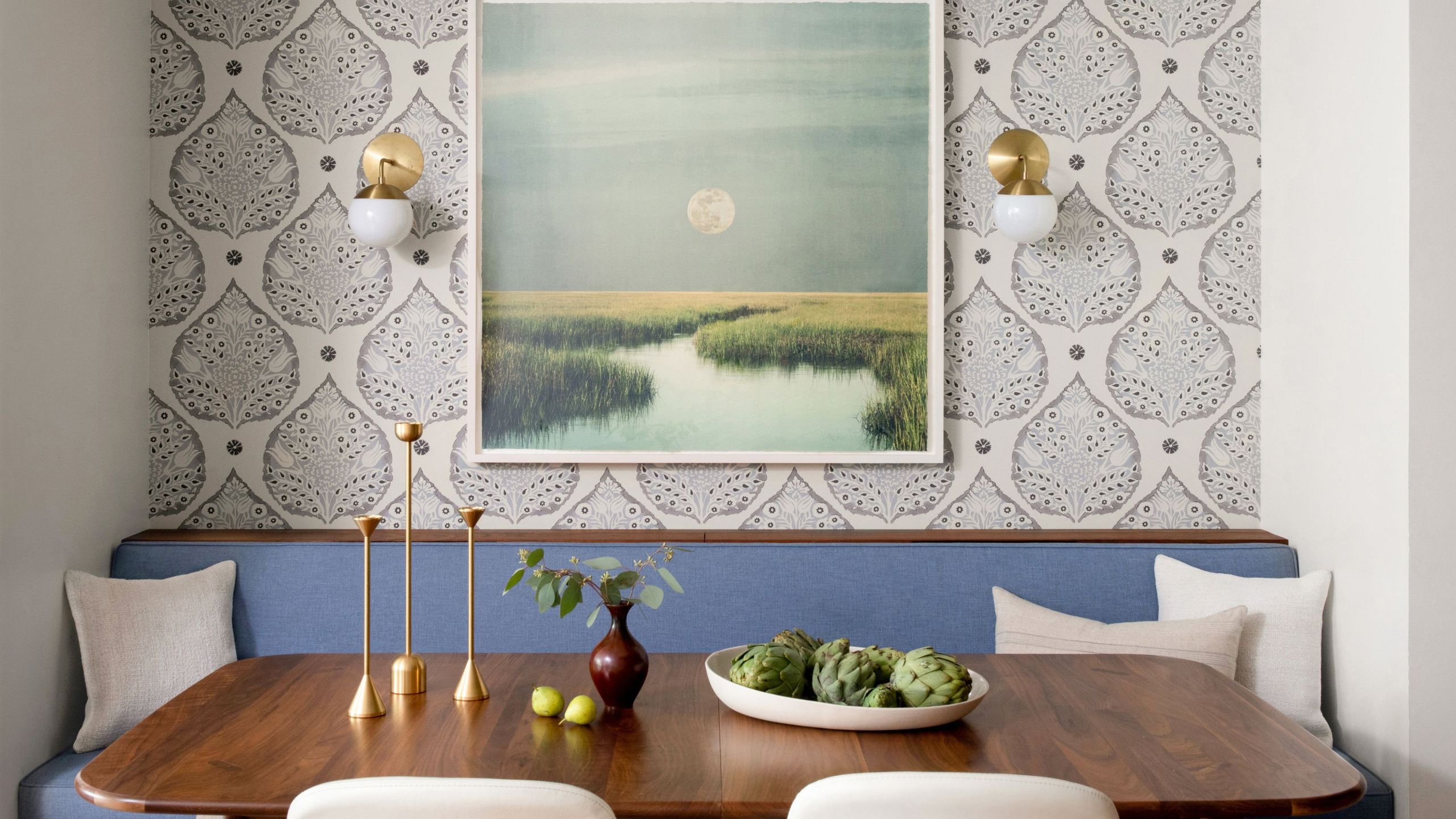
Functionality is paramount in micro dining rooms. Designers suggest round or oval tables for better visibility and movement. Open-back chairs help maintain an airy feel. Utilizing wall space creatively, such as with a built-in banquette, can significantly enhance seating options while maximizing space.
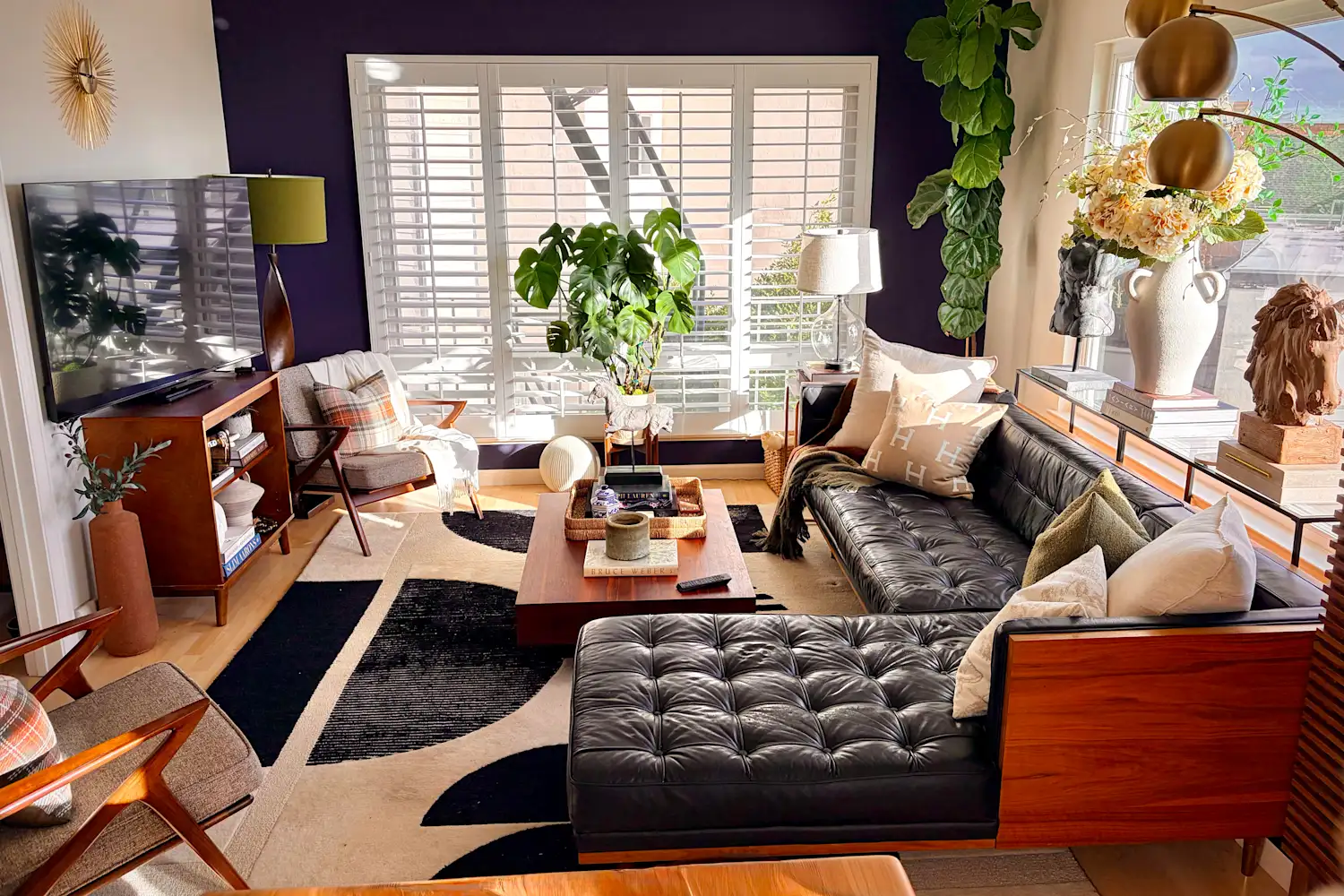
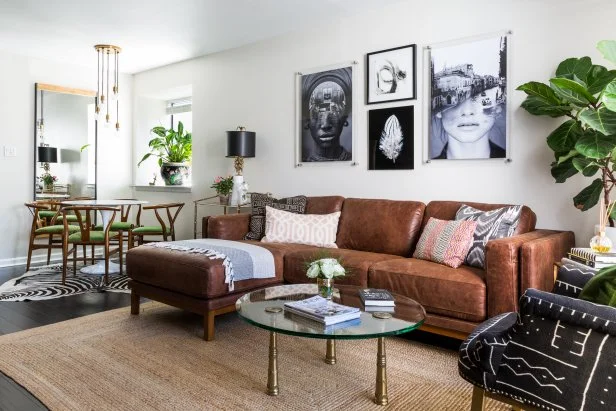
For those with small apartments, separating dining and living areas can be achieved by floating furniture. A console table can serve as a divider and functional space during gatherings, while distinct rugs and lighting can further define each zone.
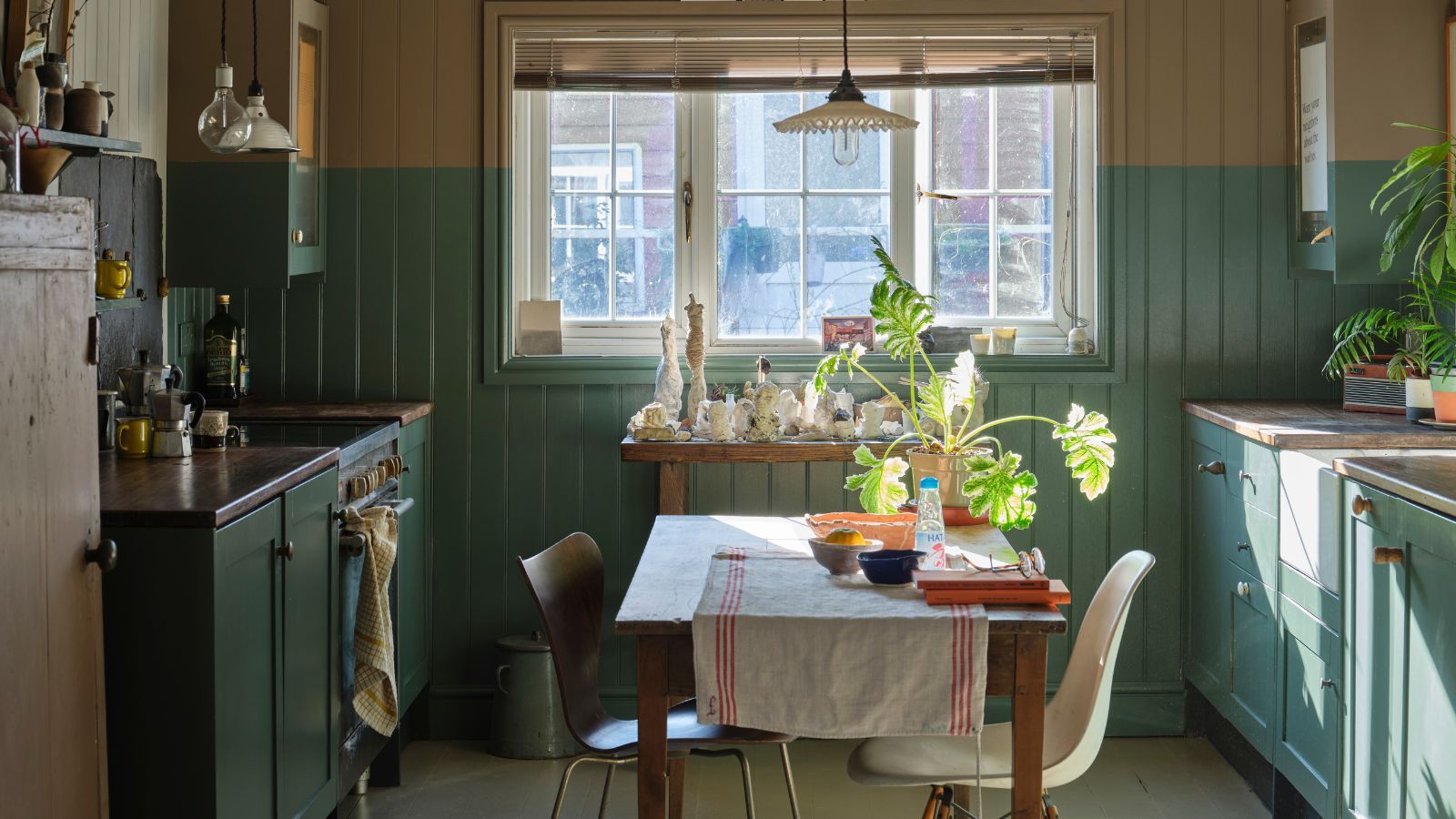
Color choice also influences how a small dining room feels. Alison Hammatt advocates for soft, inviting colors like Pale Powder or Wimborne White, which promote an open feeling. However, deeper colors can also be effective in creating a cozy environment. Carrying wall colors onto trim and ceilings helps to minimize visual breaks and enhances the room's spaciousness.
These insights present various strategies for making the most out of small dining areas, ensuring that limited space doesn't compromise style or functionality.