Decorating a child's room presents a unique mix of challenges and opportunities. Designers must balance fun elements like bold colors and whimsical patterns with practical needs such as storage and a long-lasting style.
One innovative idea is to let kids express themselves by drawing on walls. Using whiteboard paint encourages creativity while safeguarding against permanent marks. Bright accents throughout the room enhance this playful atmosphere.
Creating designated homework areas can also boost productivity. By incorporating green chalkboard paint, children have a space that both separates their desk from distractions and serves practical purposes, such as solving math problems.
Themed rooms are another popular approach, especially when a child has a specific interest.
For example, a safari-themed bedroom can feature animal-themed wallpaper and accessories, creating a cohesive and playful environment.
Privacy solutions, like short curtains on bunk beds, provide children with their own personal space while maintaining the fun of shared sleeping arrangements. This setup also benefits from adequate lighting for nighttime reading.
Integrating an indoor play structure can significantly enhance imaginative play. Shared spaces can be transformed with beds that function as playhouses, allowing children to engage their creativity while offering comfortable areas for rest.
Mural artwork presents an appealing alternative to wallpaper, allowing for flexible decoration that can grow with the child’s interests. A superhero-themed mural, for instance, can tie the room together organically.
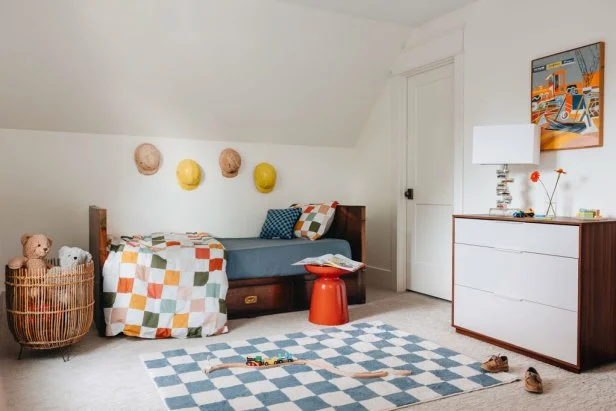
Mixing patterns creates an instantly whimsical vibe.
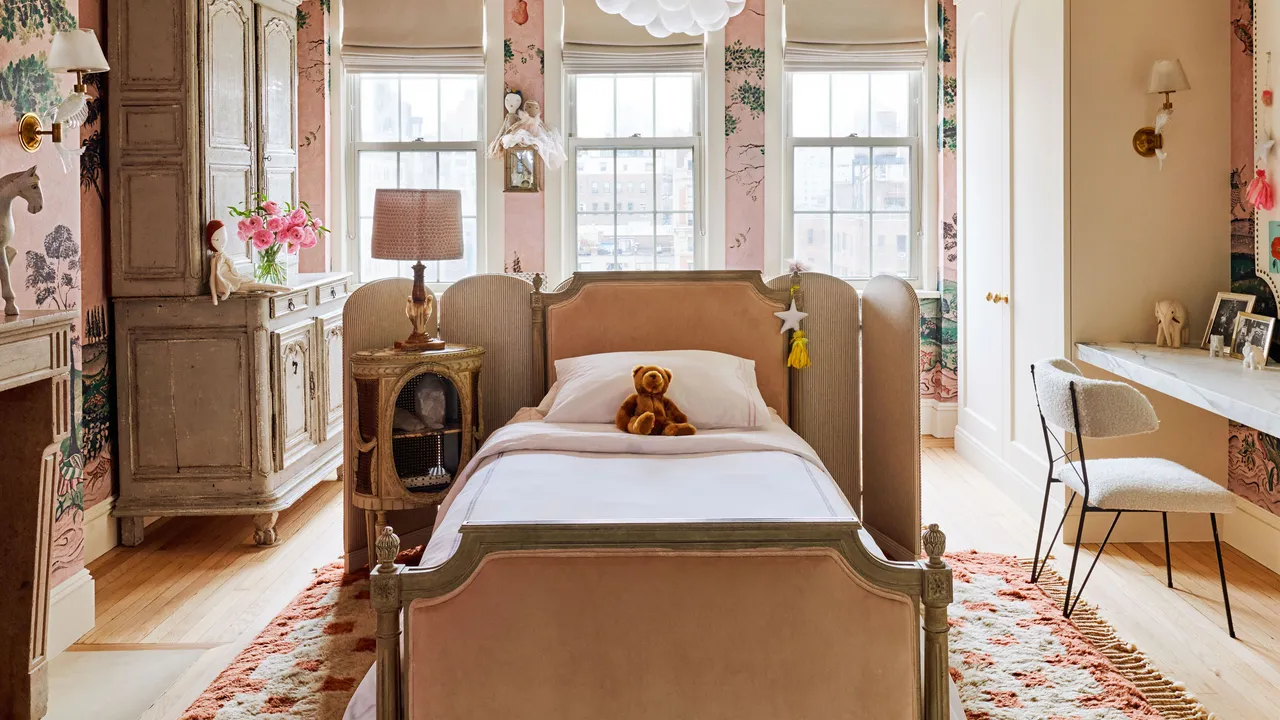
Designers can blend various colors and designs to reflect a child's personality. This approach was successfully implemented in a girl's bedroom, which featured a playful combination of patterns and colors.
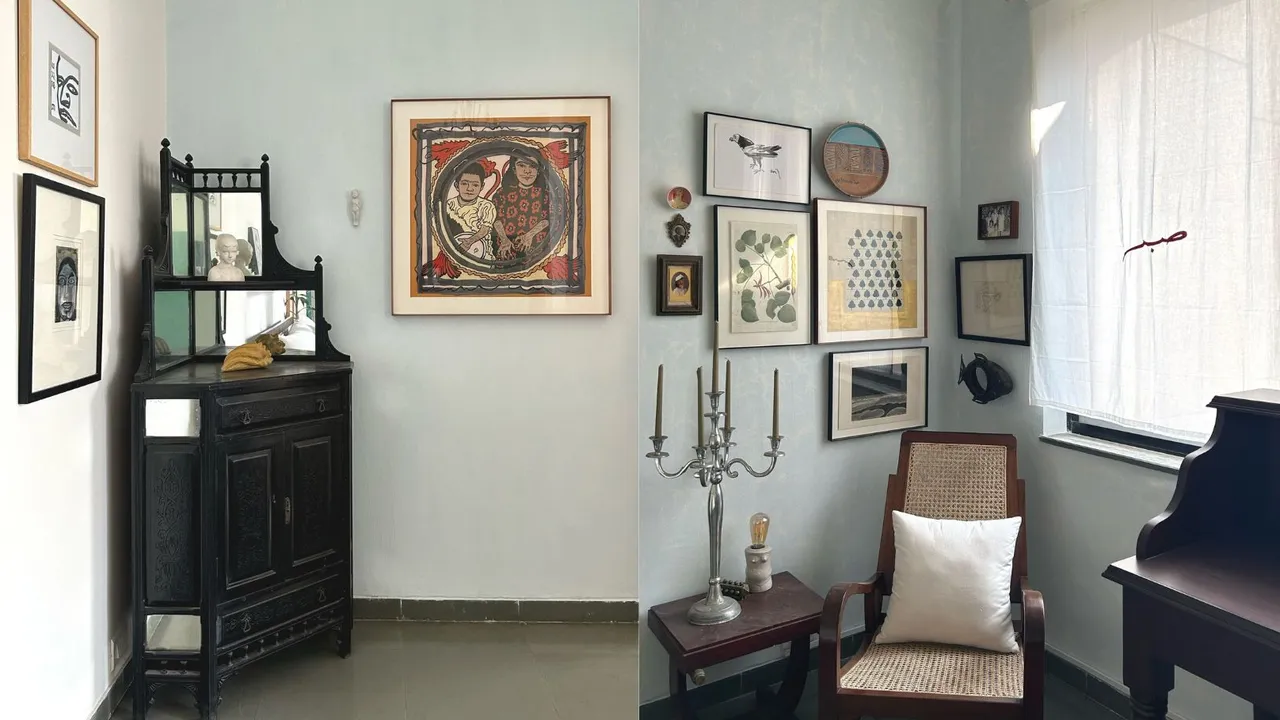
Displaying children's artwork prominently can turn everyday creations into impressive decor. A rotating gallery wall can be a fun way to showcase their art while keeping the space personalized.
For a more sophisticated look, using neutral tones and timeless furniture allows for maturity as the child grows. Adding pops of color through accessories can be a simple way to refresh the space without a complete overhaul.
Multifunctional furniture, such as sleeper sofas, allows rooms to serve multiple purposes, effectively bridging the gap between playtime and hosting opportunities.
Utilizing underutilized spaces, like nooks under staircases, can seamlessly convert into play zones, complete with organized storage and functional decor like chalkboards.
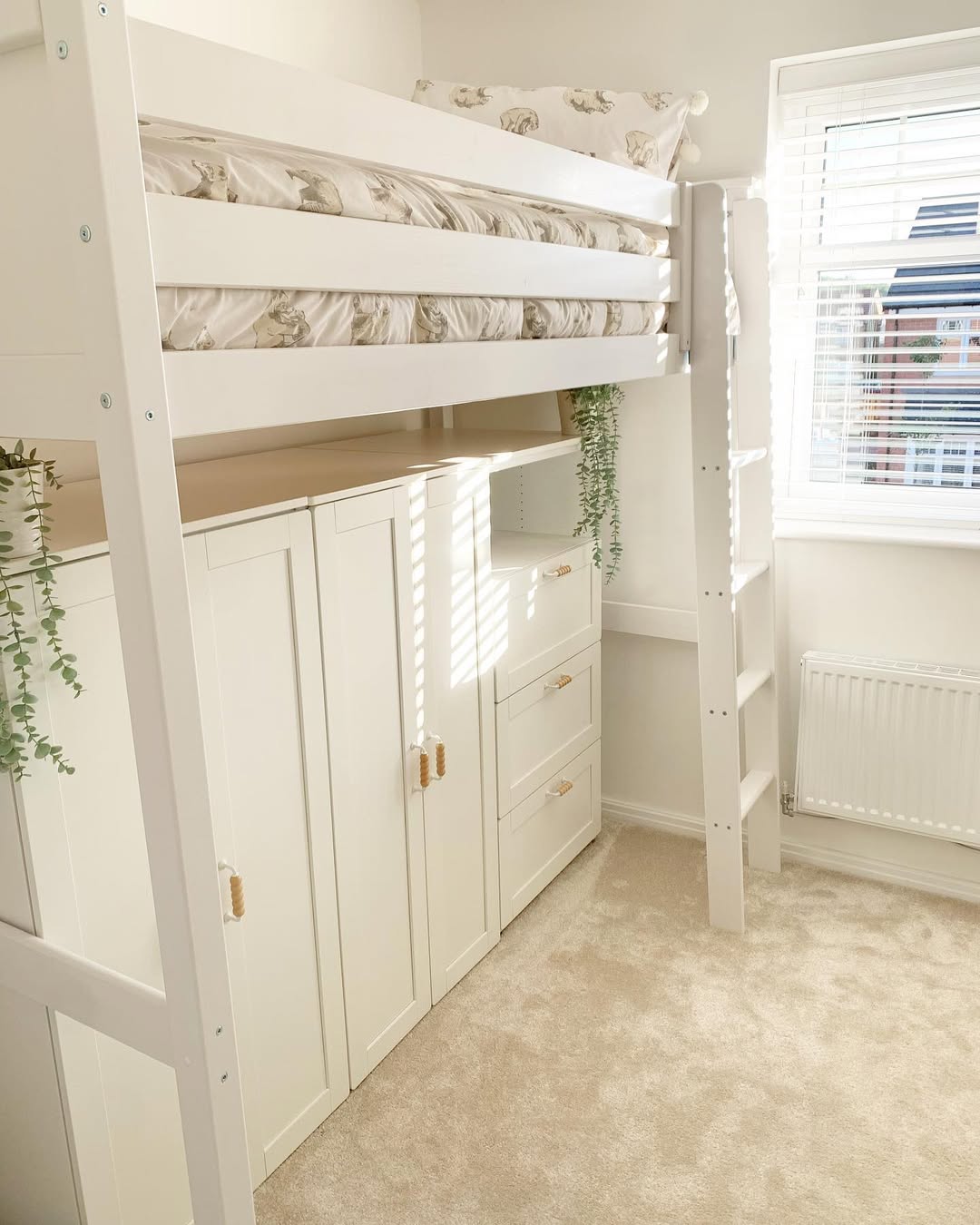
Creating built-in beds that double as reading nooks promotes comfort and imagination. Custom designs, such as beds with book storage and decorative features, enhance a child's sanctuary.
Bringing natural elements inside, like tree sculptures or climbing structures, can invigorate a child's room, encouraging active play even on rainy days.
Practical storage solutions, such as built-in cabinets adorned with chalkboard paint, help maintain organized spaces, making it easy for children to help tidy up.
DIY projects, such as custom headboards, offer a creative outlet for parents and can become unique focal points in the room.
Incorporating themes inspired by nature, including kid-sized furniture among tree sculptures, encourages a sense of wonder and adventure.
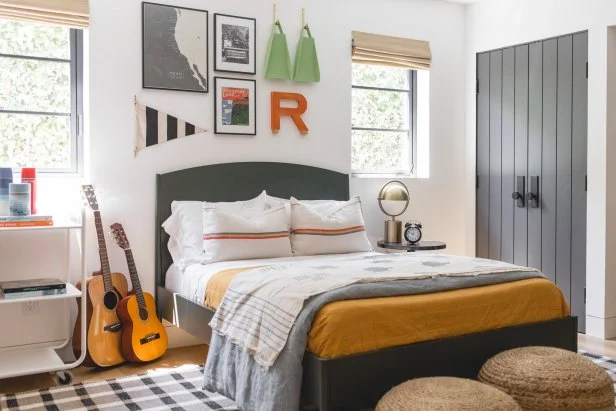
Lastly, reflecting a child's hobbies in their decor, whether through art or other interests, personalizes the space and fosters a sense of ownership.