Interior designers are employing various strategies to make small spaces feel larger and more functional.
One effective technique is maximizing every inch, as demonstrated by Shapeless Studio in a narrow entryway, where an existing niche was transformed into a practical area for hanging coats and bags. The use of tongue and groove paneling with a glossy finish not only protects the walls but also enhances depth with darker paint.
Peninsula islands are another popular choice, offering the benefits of a kitchen island while occupying less floor space. Interior designer Danielle Tanner noted that adding a peninsula to her kitchen renovation provided extra seating without sacrificing storage, making it a practical place for entertaining.
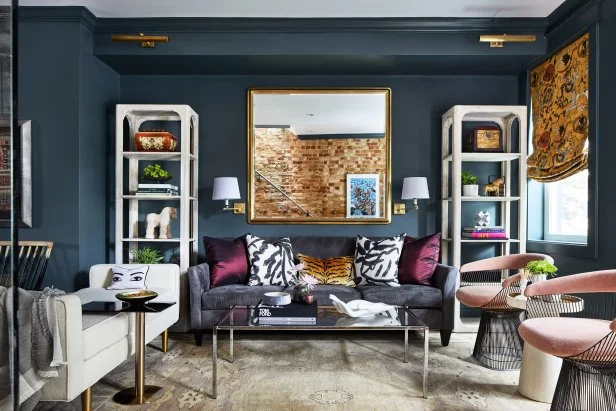
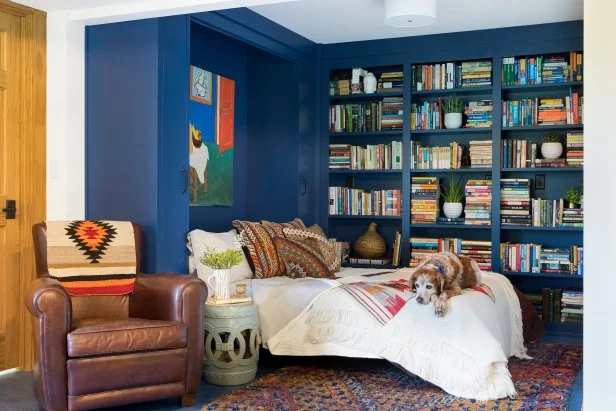
Using a unified color, or "color drenching," is recommended by Charlotte Crosby, creative head at Farrow & Ball. Painting walls, woodwork, and ceilings in a single color can create the illusion of a bigger space. Additional design tricks include employing large mirrors in narrow hallways to reflect light and brighten the space.
Bespoke features, like tailored shelving for awkward corners, can transform layout challenges into stylish solutions. Designer Lonika Chande’s integration of citrus orange tiles into a splashback showcases this ingenuity.
In areas lacking guest room space, designers like Ashley Gilbreath have converted laundry spaces into bunks, enhancing functionality while providing a playful atmosphere for children. In kitchen designs, opting for glass-fronted cabinets lightens the visual weight and showcases decorative kitchenware.
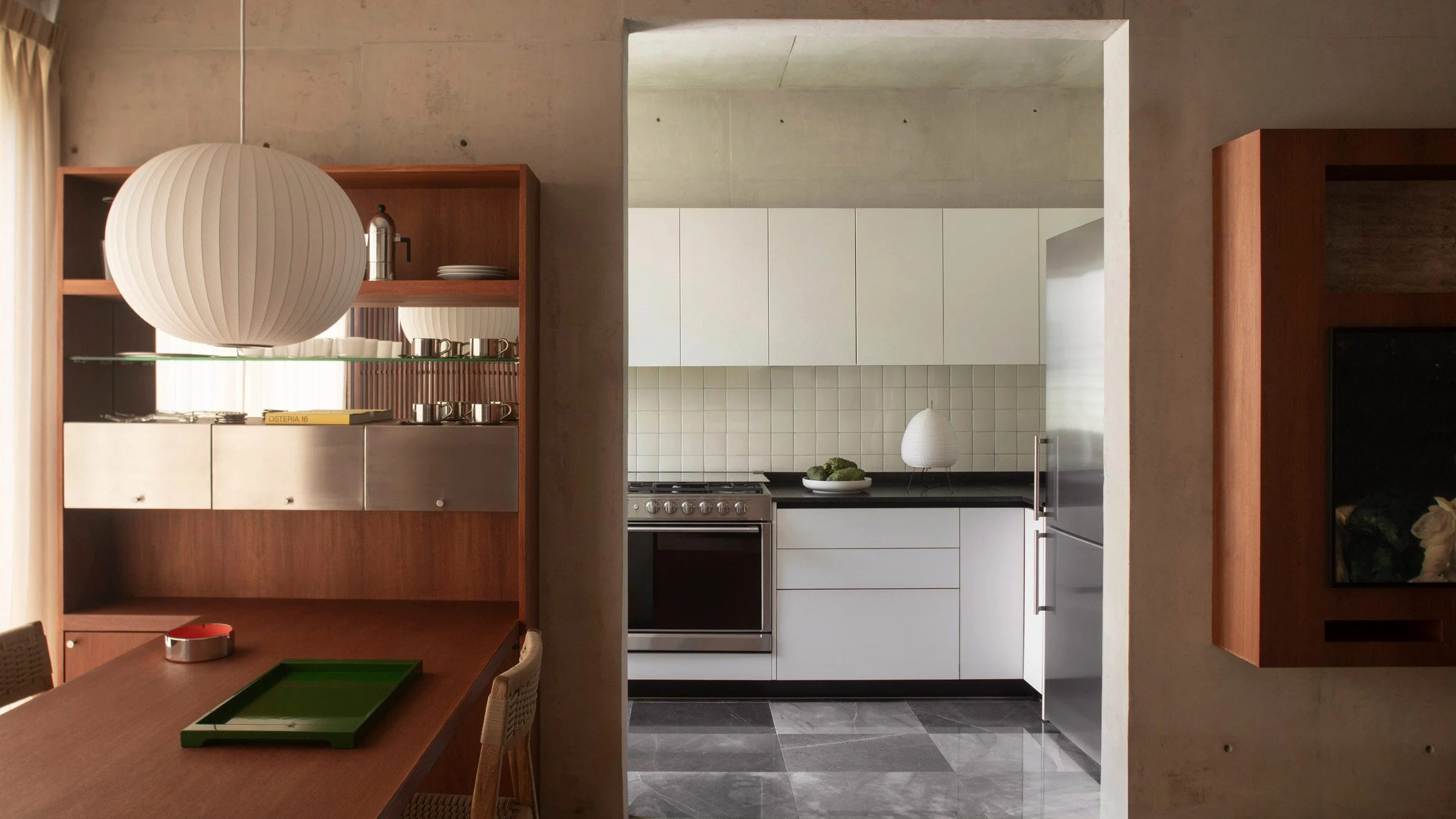
When furnishing small bedrooms, storage solutions are key. Caitlin Price from John Lewis & Partners suggests investing in storage beds to keep floors clutter-free. Additionally, removing doors or widening doorways can significantly enhance light flow, as highlighted by designer Sheree Millington, who maintained a consistent color palette across adjacent spaces.
In choosing paint, selecting the right white is crucial.
A soft white can create a more expansive feel without emphasizing shadows, making a small room appear less boxy.
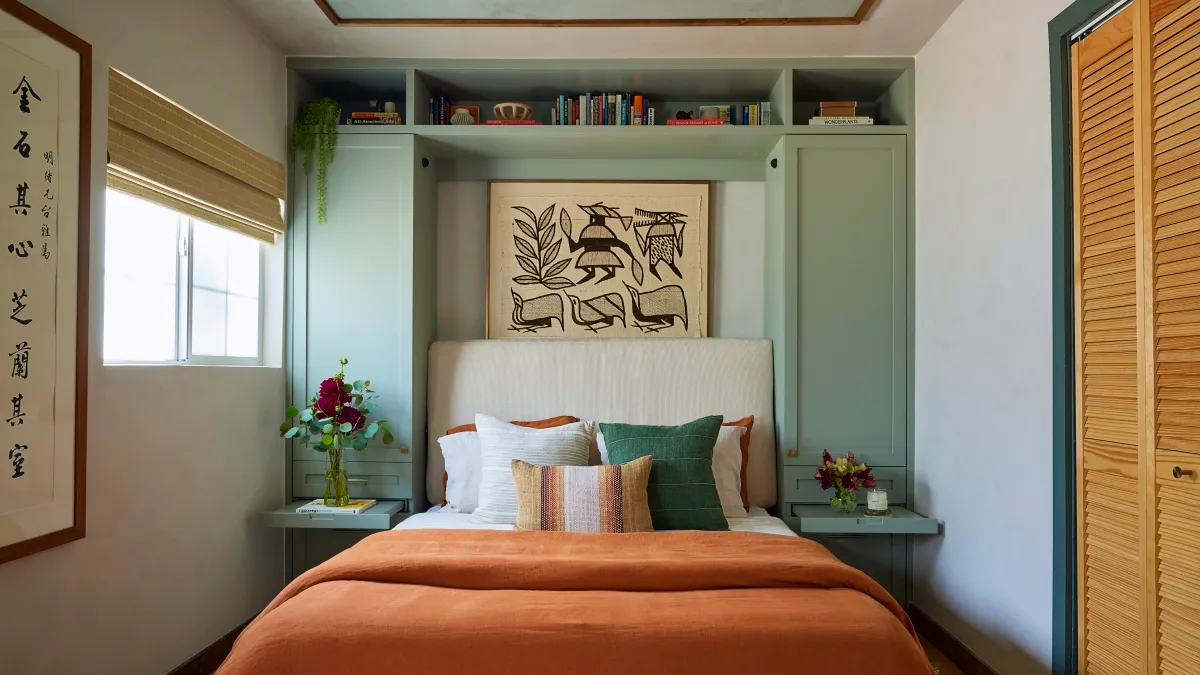
Texture can also enhance small spaces, creating visual interest and depth. For bathrooms, Katherine Ormerod added overhead shelving to make use of vertical space, and for bedrooms, swapping traditional doors for slimmer ones can improve accessibility.
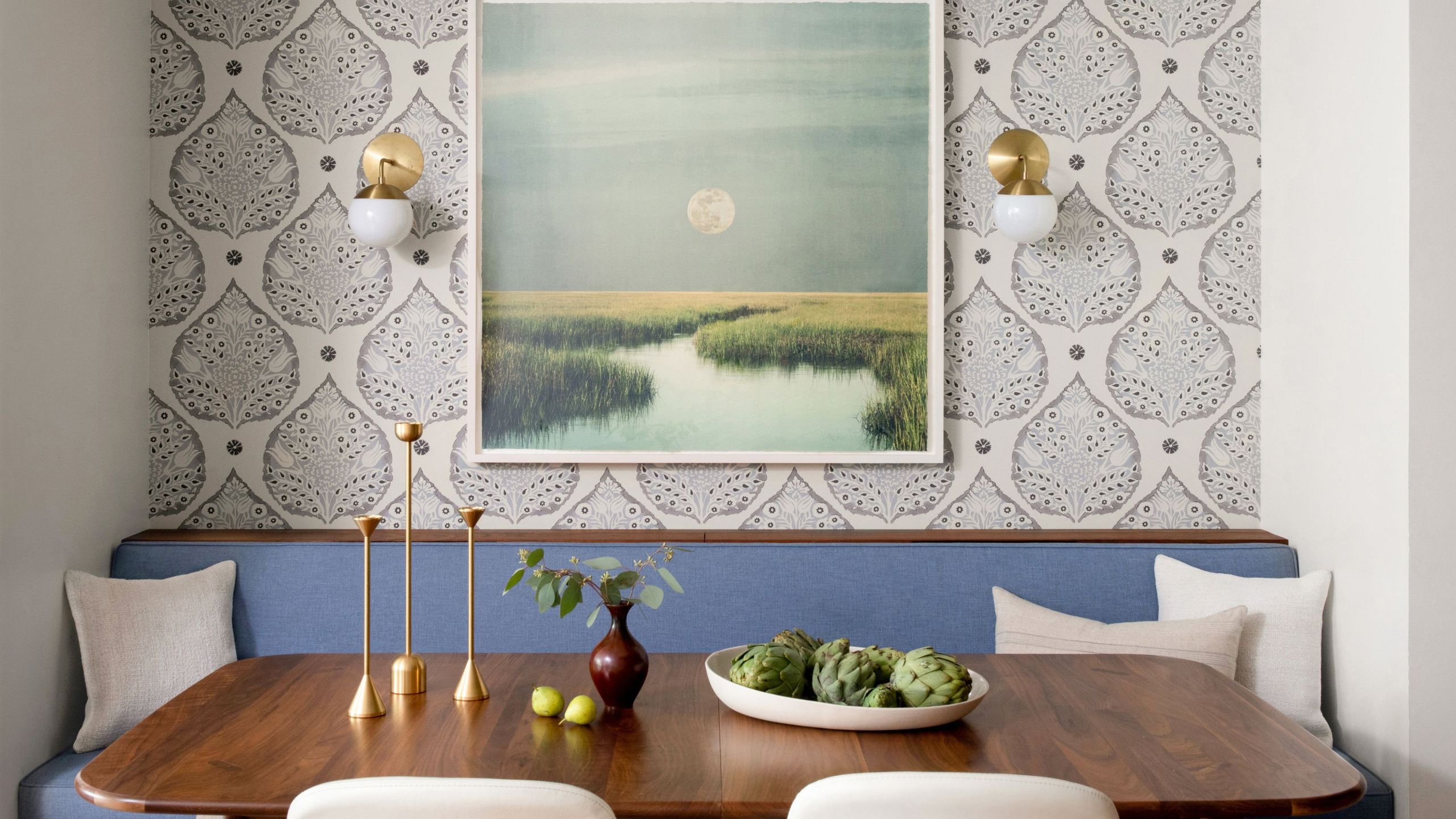
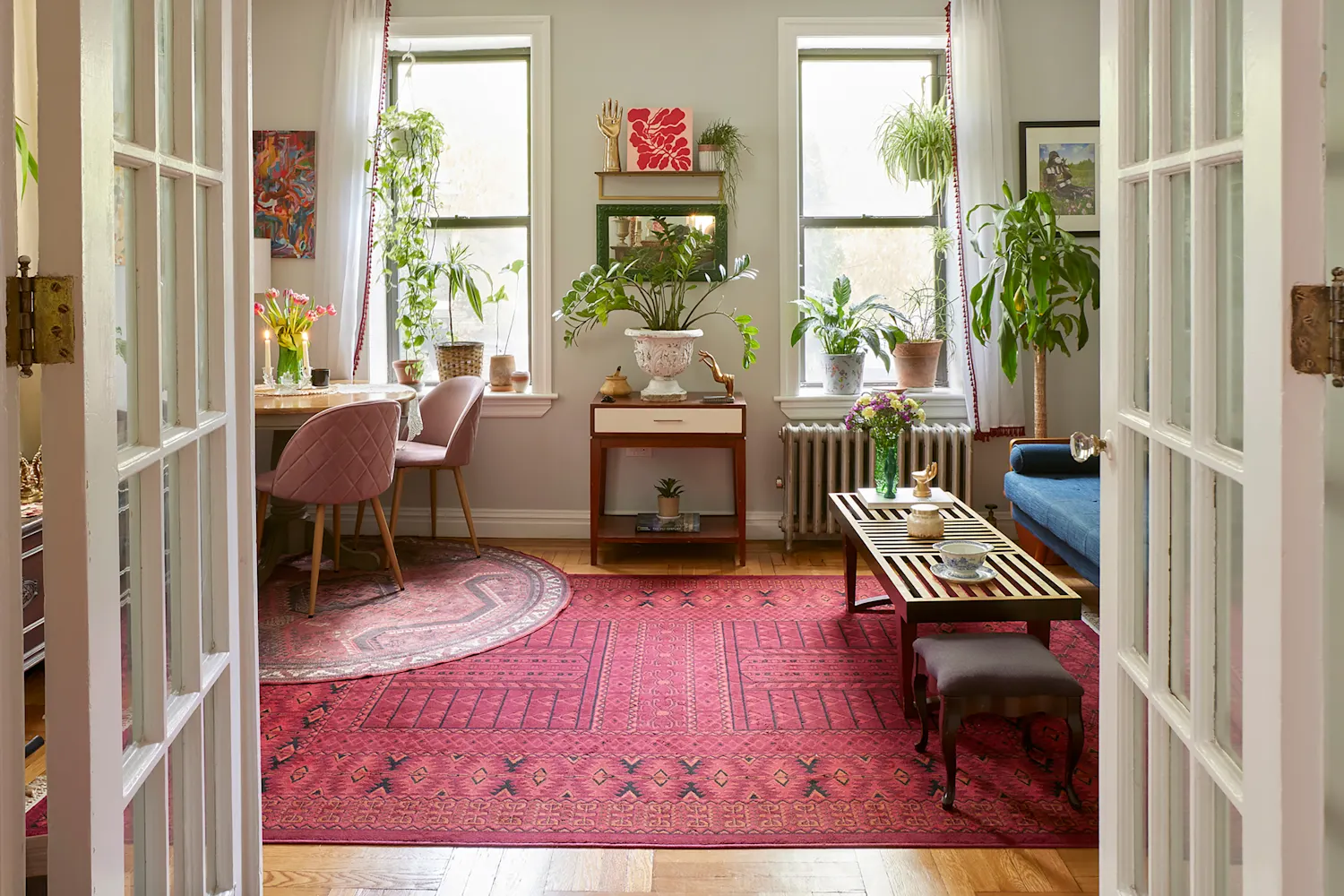
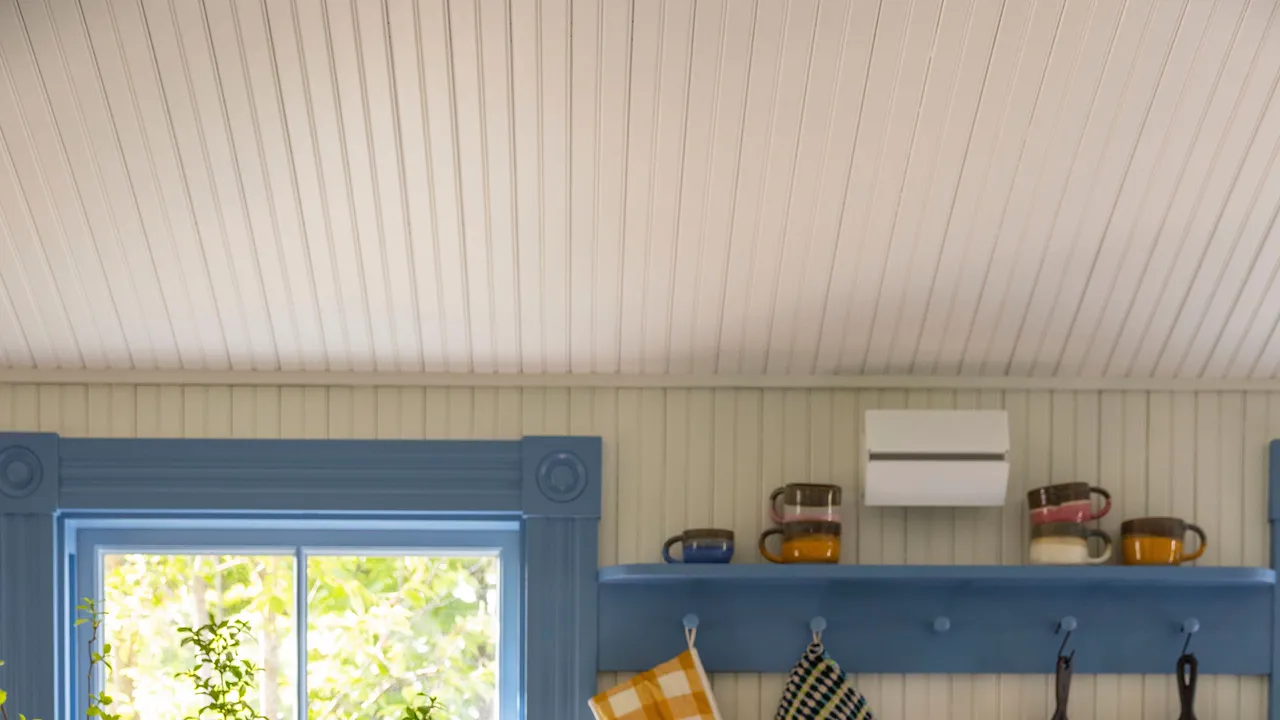
Lastly, bold colors and patterns can thrive in small areas where they don’t overwhelm the eye, as stated by Suzanne Duin, founder of Maison Maison. Creative use of features like picture rails allows for both decoration and efficient use of space, as demonstrated by designer Jojo Barr.