Maximizing space in a small living room can be achieved through simple design strategies. Here are several expert tips to visually expand your living area.
Utilizing every inch of the room is essential. Functional and decorative expressions can be found through wall art, compact furniture, and a bright color palette.
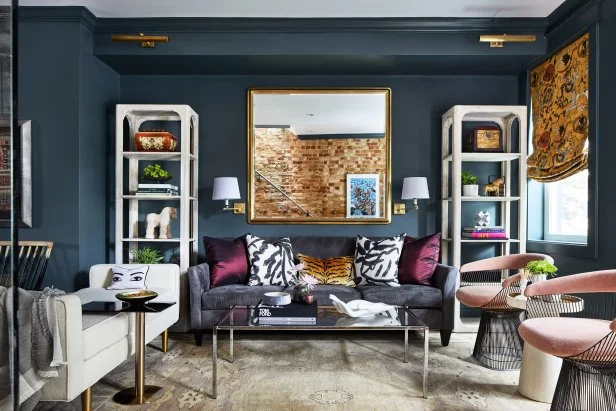
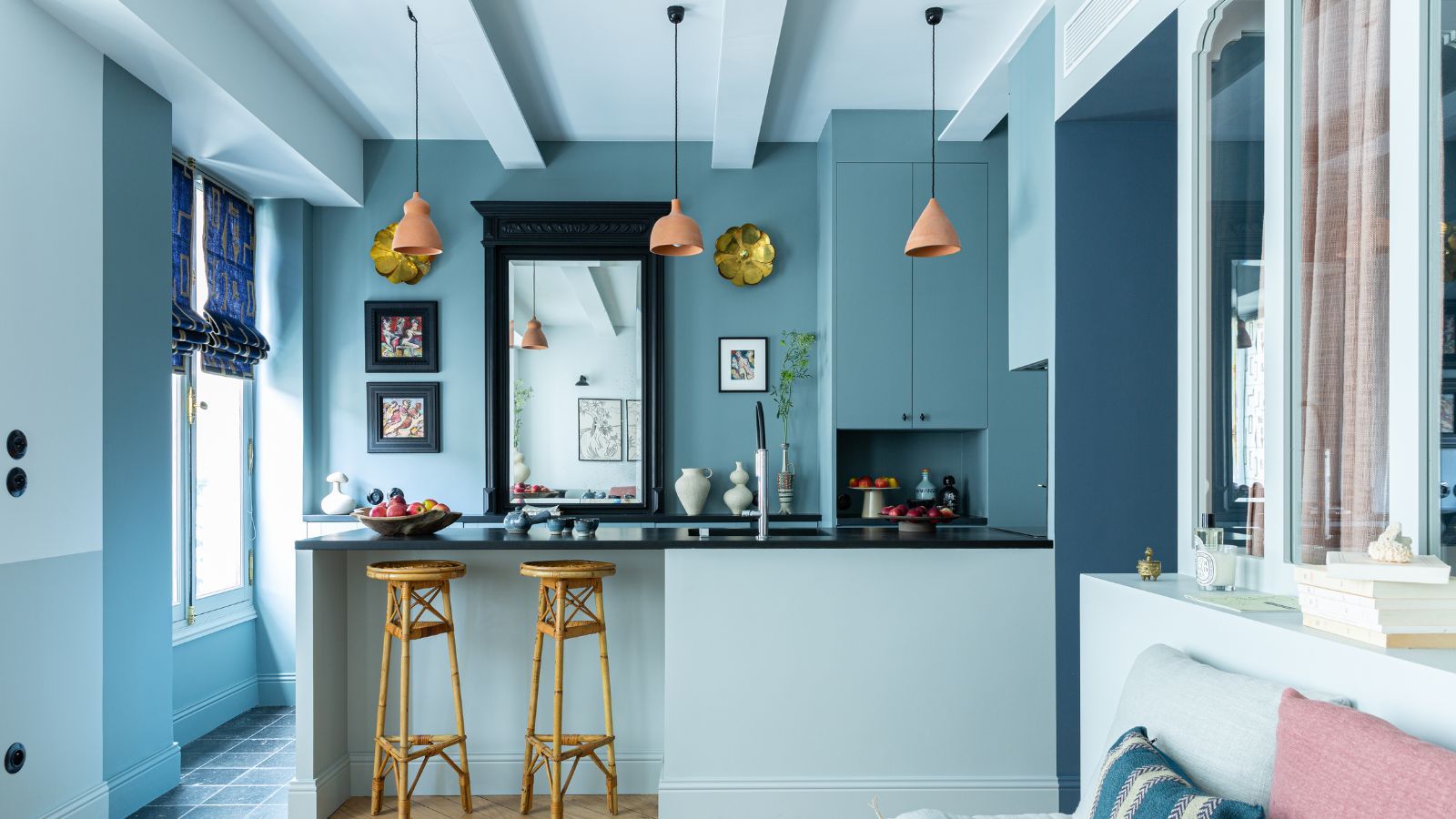
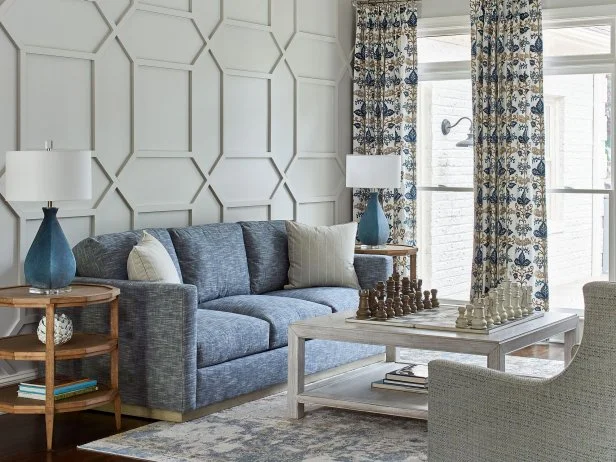
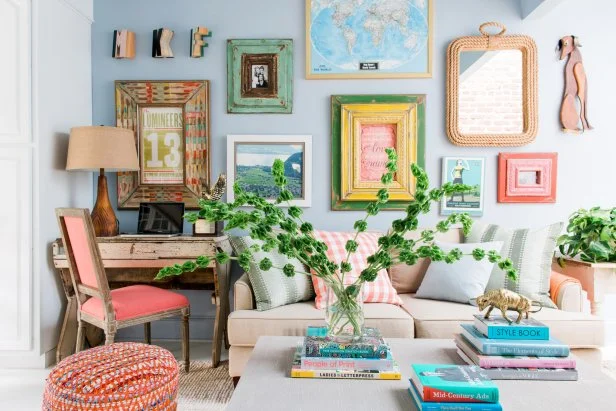
Coordinating colors helps to create an illusion of space. Painting walls, ceilings, trims, and doors in the same shade, such as blue-gray, can make the room feel larger.
Incorporating an integrated workspace can optimize functionality.
Placing a small desk next to the sofa can serve dual purposes, as long as the desk's height is appropriate in relation to the sofa.
Choosing small-scale furniture is another effective approach. Accent pieces should accurately fit the room’s scale to serve various functions, like using a halved dining table as an end table.
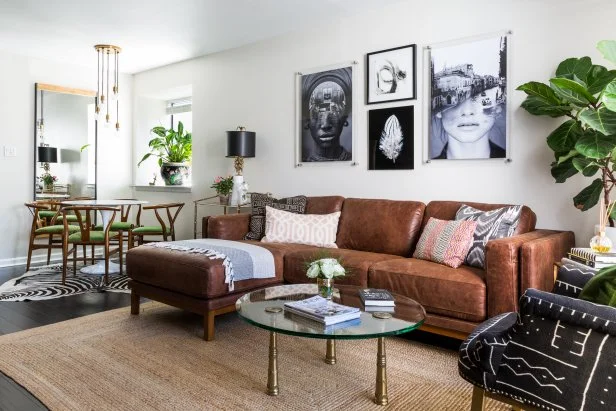
Creating gallery walls takes advantage of vertical space. This not only adds personality but also allows for the use of mirrors to enhance light and give the impression of more space.
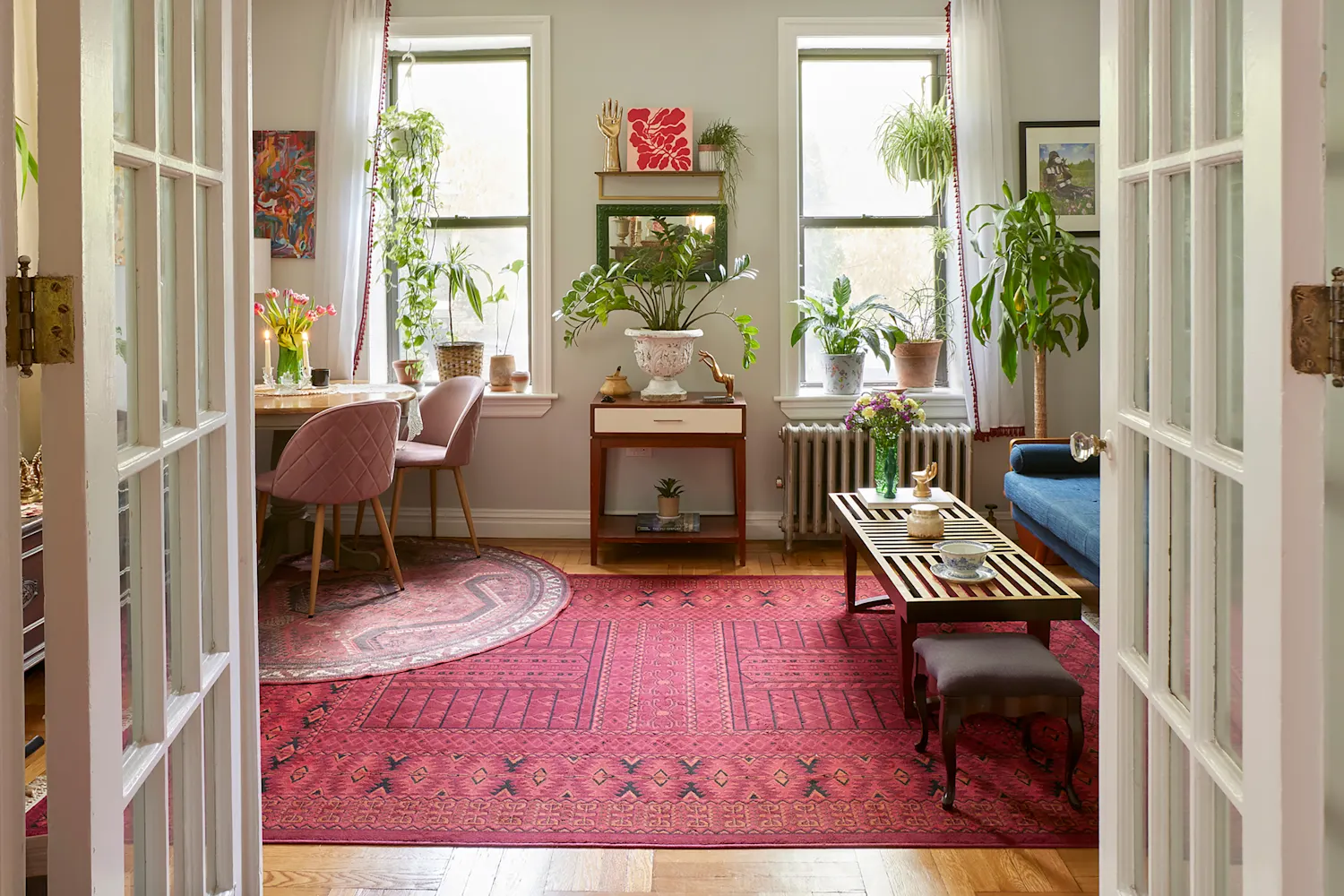
Mixing patterns adds depth to the living room. Layering various patterns in contrasting colors can contribute to a more dynamic look.
Traffic flow is crucial in tiny spaces.
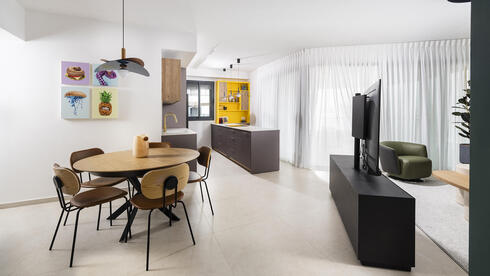
A well-planned layout ensures easy movement while providing ample seating and storage. For example, a 12-by-14-foot living room can be zoned for lounging, working, and dining while keeping pathways clear.
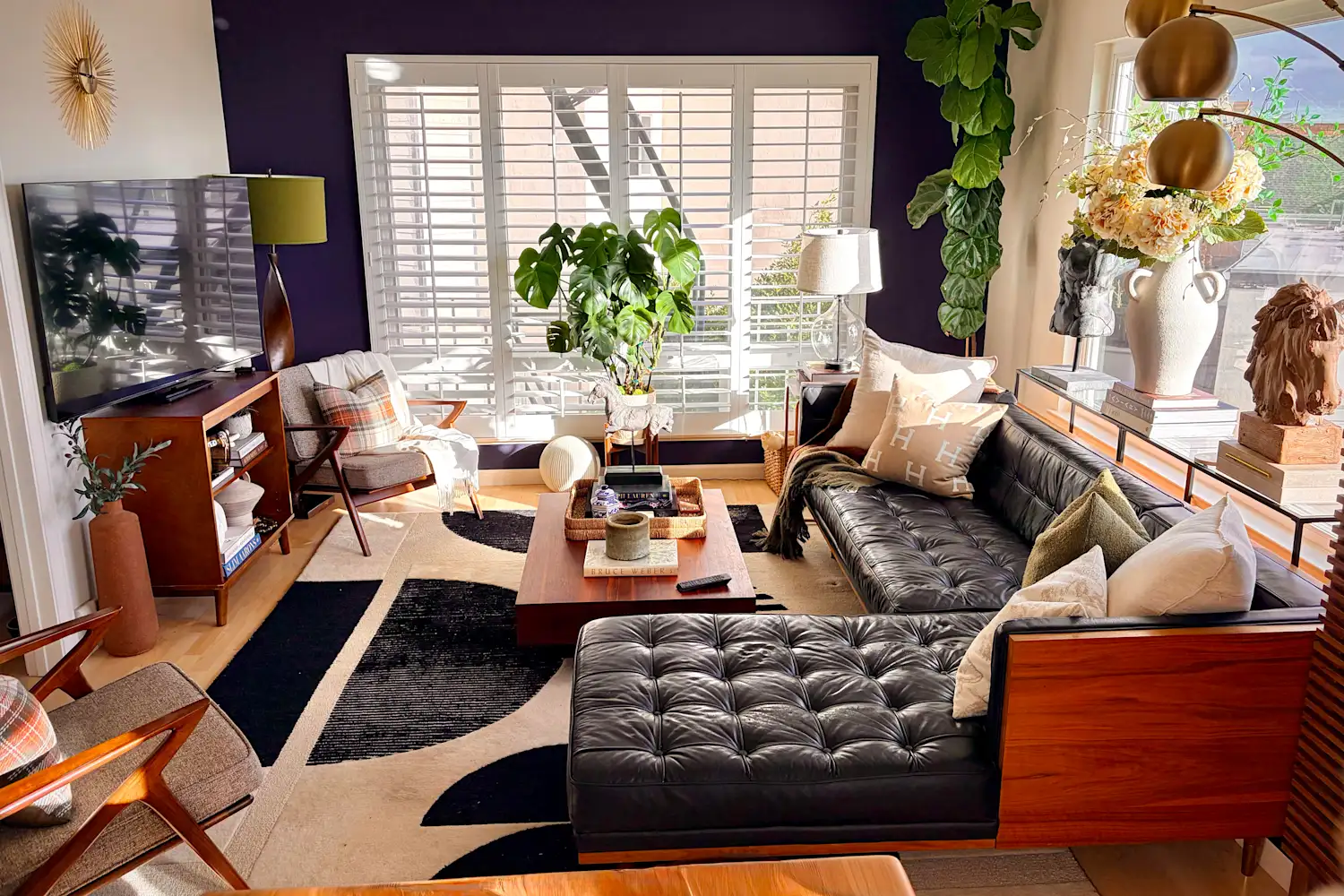
Delineating areas with rugs is a practical solution, allowing visual separation without sacrificing space.
Open storage coffee tables can serve multiple purposes, providing table space for books while offering concealed storage underneath.
Selecting neutral staple pieces for the main furniture enables versatility. Comfortable sofas and coffee tables can be complemented with colorful accents that are easy to change.
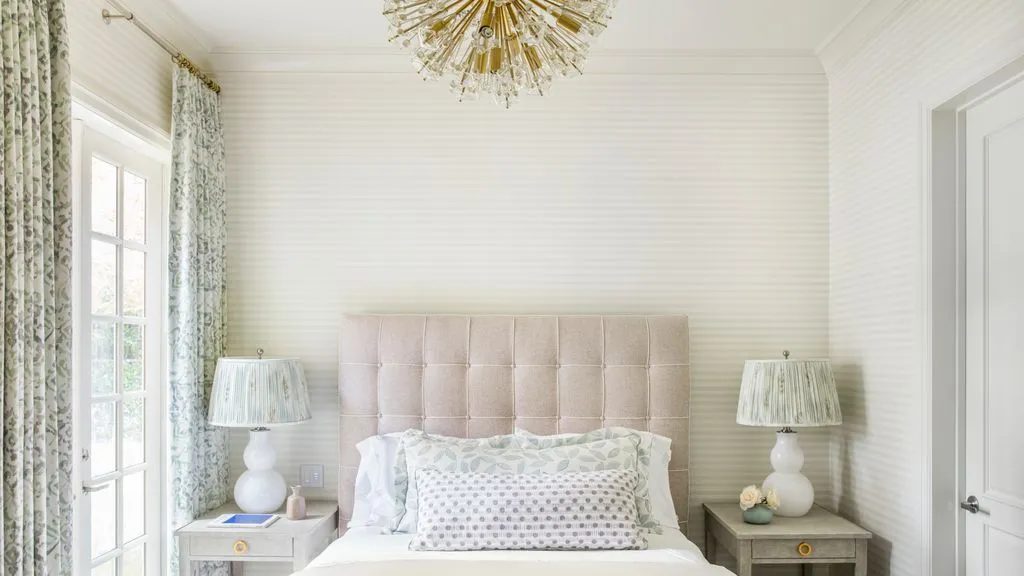
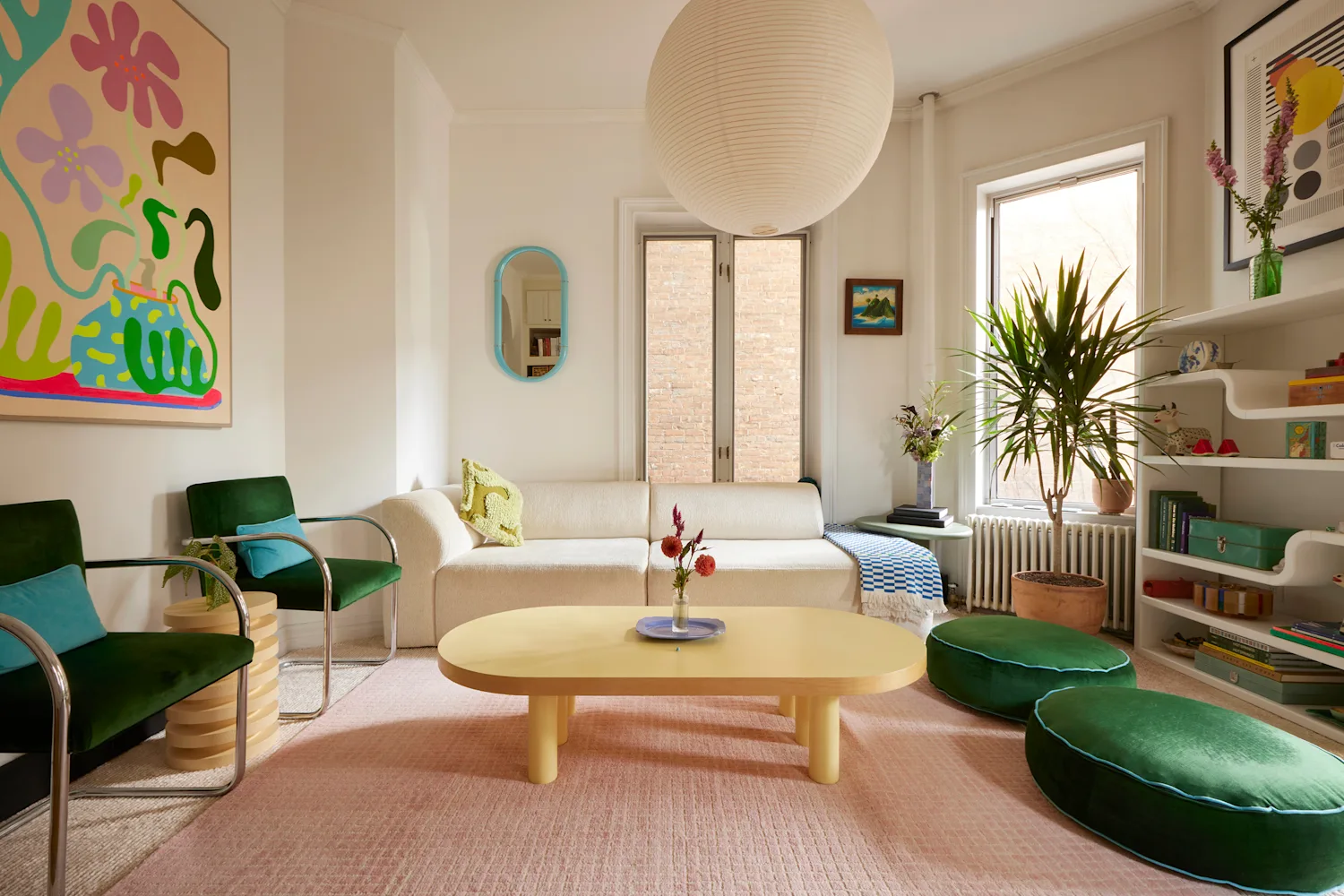
Incorporating statement lighting can anchor the room.
A distinctive light fixture not only illuminates but also serves as a piece of sculptural art.
Upholstered surfaces contribute texture to the room. Furniture pieces like an open storage coffee table with linen upholstery can add both style and comfort.
Versatile seating options can enhance space efficiency. Utilizing poufs and stools allows for more seating while doubling as tables for gatherings.
Finally, maintaining a consistent color palette across connected rooms helps unify spaces, creating a more open feel. Light colors, such as airy blues and greens, can seamlessly transition from the living room to adjoining areas.