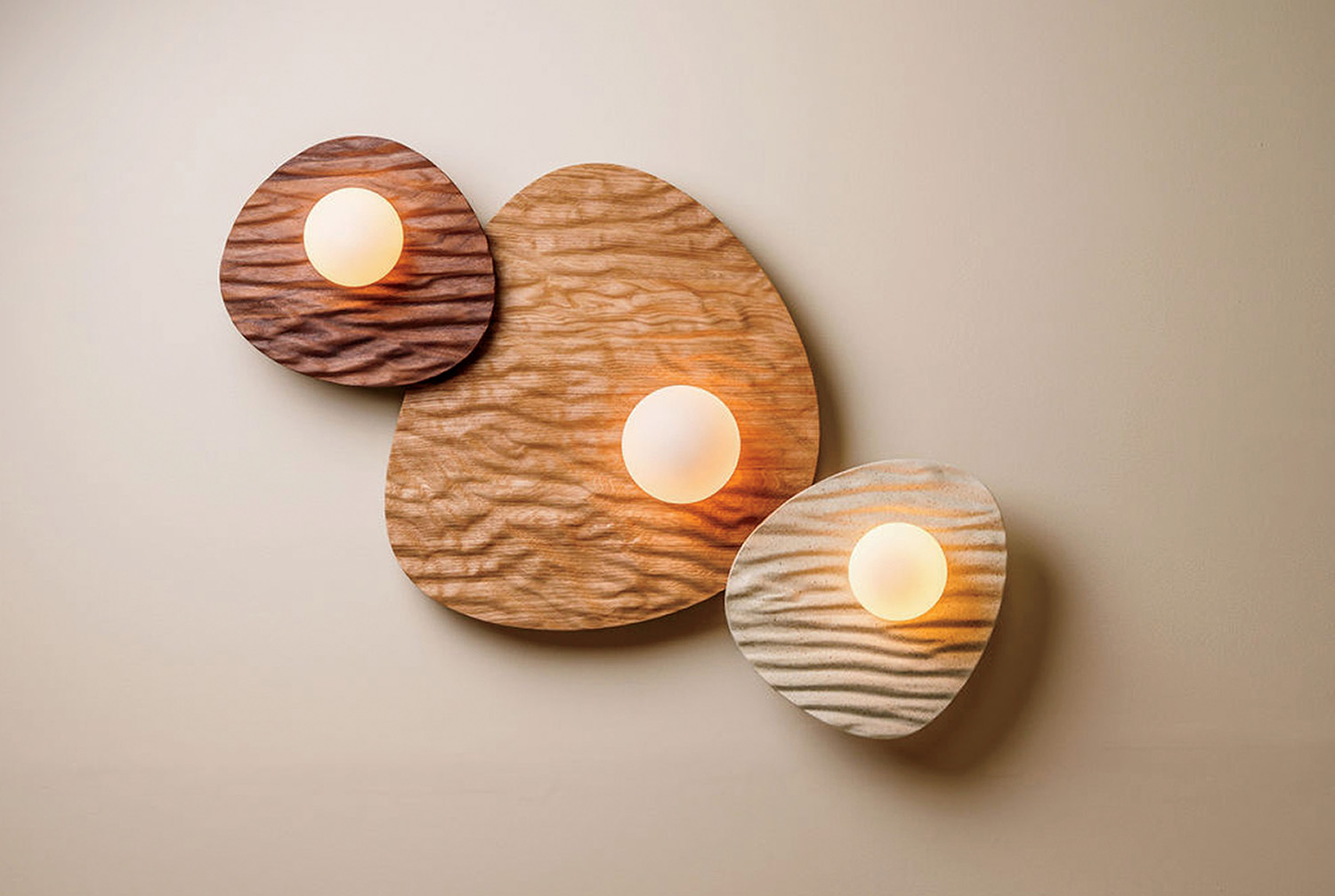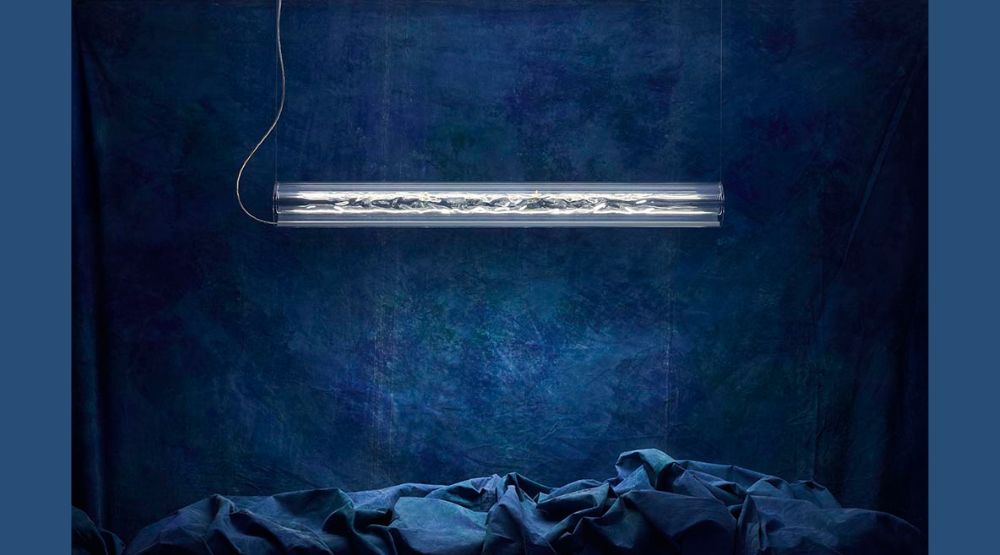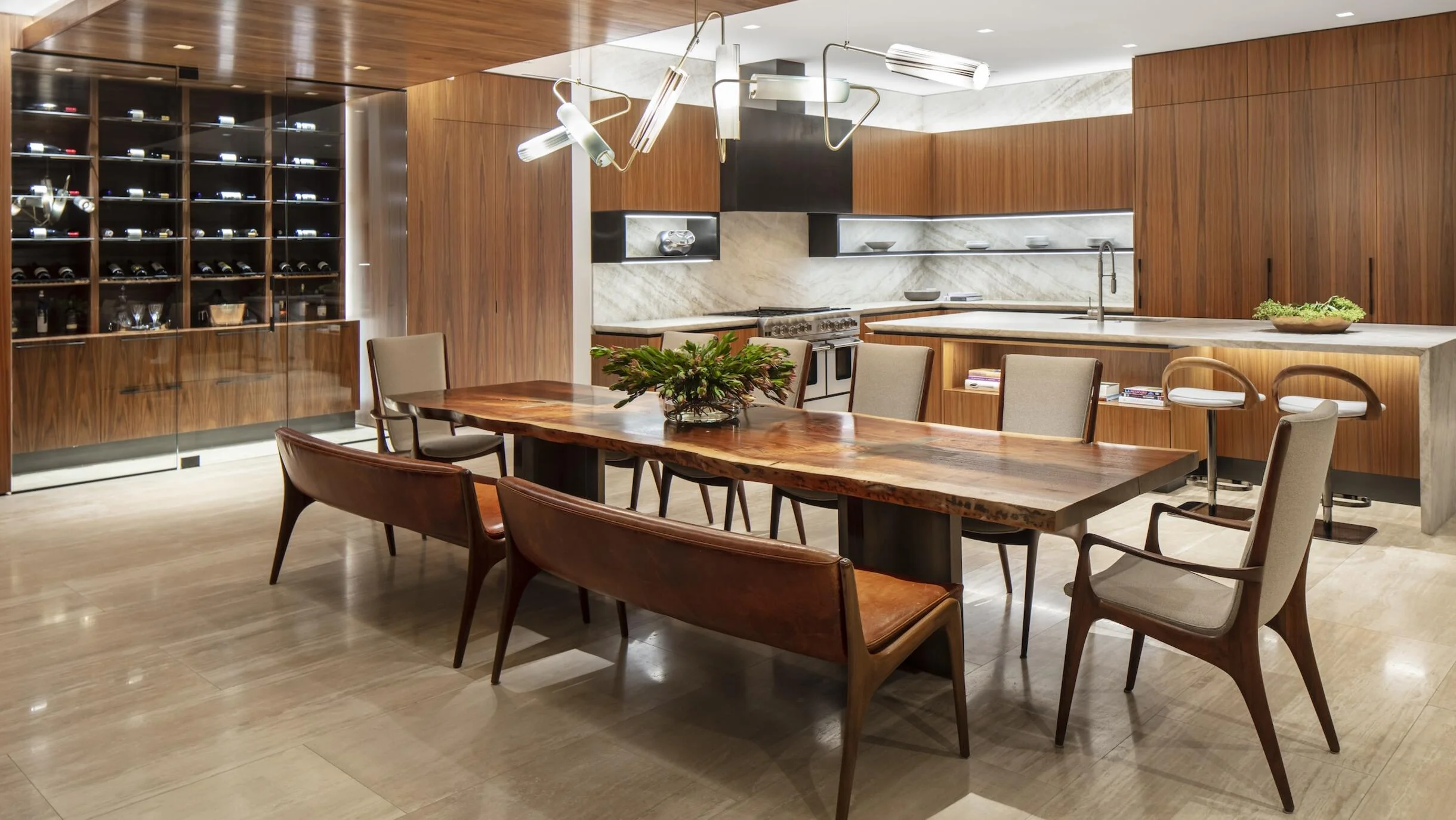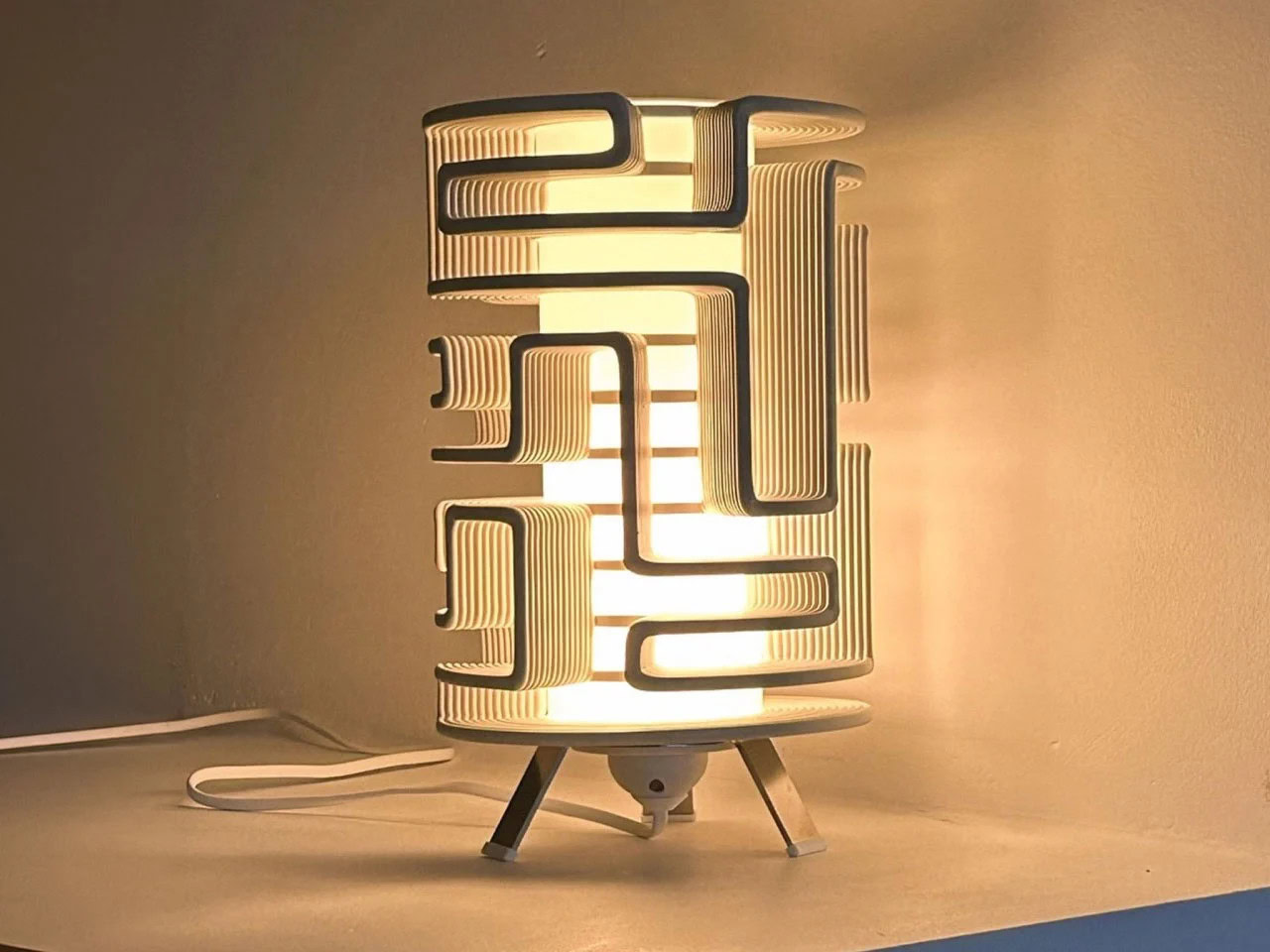
Metropolis has spotlighted three distinct lighting strategies that enhance work, retail, and hospitality spaces, featuring examples from Wuhan to Los Angeles. Throughout April, the publication has examined how designers utilize lighting to improve wayfinding, connect with nature, and add unique character to environments. Here are nine notable projects demonstrating the transformative power of lighting.
Strategy #1: Marking Space
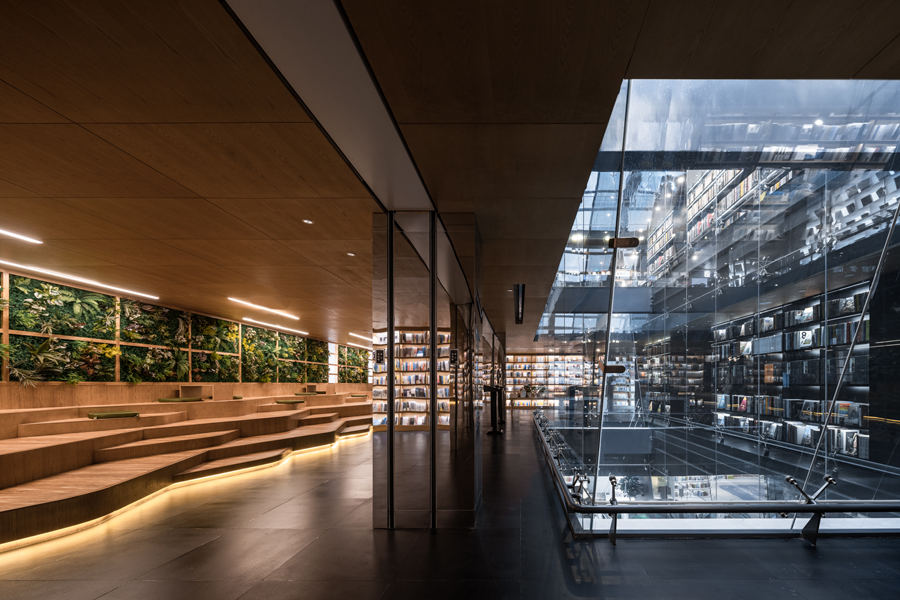
At the Hubei Foreign Language Bookstore in Wuhan, China, the renovation by Wutopia Lab incorporates light as a symbolic element representing knowledge and emotion. Founder Ting Yu emphasizes the importance of light in creating spaces that inspire and uplift.
In Dallas, the restaurant Georgie, designed by GRT Architects and Dot Dash Lighting Design, challenges traditional steakhouse stereotypes. Architect Rustam Mehta noted their intention to avoid dark and cave-like finishes, opting instead for warm, low-glare lighting to create a cozy atmosphere.
The Poster House in New York City, crafted by LTL Architects and Lumen Architecture, features a striking double-height space with dramatic lighting that enhances the gallery's graphic works. The design juxtaposes historical architectural details with modern elements, contributing to its unique character.
Strategy #2: Mimicking Nature
The Park Pavilion at Hoge Veluwe National Park in the Netherlands, designed by De Zwarte Hond and Monadnock with lighting by Beersnielsen, draws visitors from the forest into an engaging interior filled with biophilic lighting that replicates natural forms, enhancing the experience.
In New York’s Hudson Yards, Kugler Ning Lighting Design developed a circadian lighting system for the LEED Gold–certified Wells Fargo offices, which supports natural rhythms and promotes employee health through energy-efficient lighting.
The Webster, a boutique in Los Angeles by Adjaye Associates, captures attention with its vibrant pink concrete façade. Architect David Adjaye explains how the color, while lively, conveys both elegance and resilience.
Strategy #3: Lighting as Character
Second Home, a coworking space in Hollywood designed by SelgasCano, is distinguished by its innovative architecture. The layout features horizontal pods resembling lily pads, creating a distinctive and collaborative workspace.
K-Campus, developed by JKMM Architects in Helsinki, is recognized for its smart building features, including AI-driven systems for lighting, heating, and cooling. It reflects modern workplace trends while offering amenities for wellbeing.
Finally, Suhrkamp Verlag’s headquarters in Berlin, designed by Kinzo, features lighting that prioritizes eye comfort for extensive manuscript review, highlighting functionality as a key aspect of their design.
Metropolis continues to explore the essential role of lighting in interior design, emphasizing how strategic illumination can elevate spaces significantly.