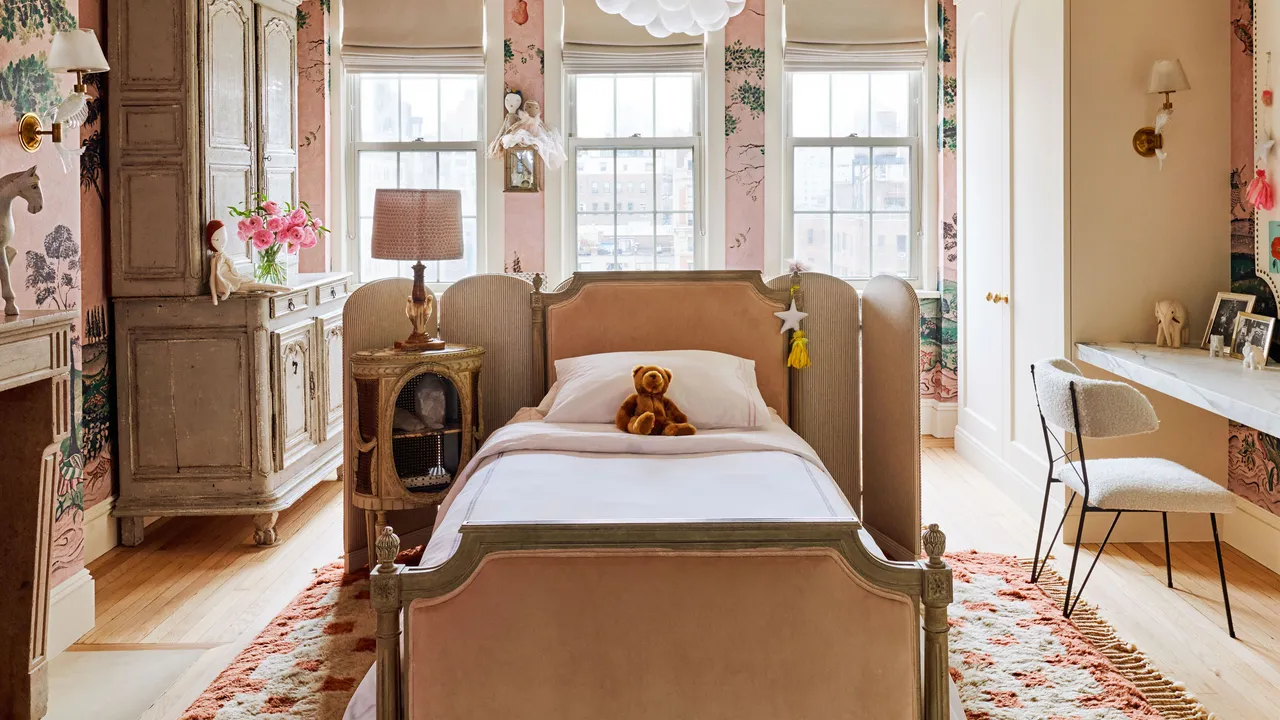
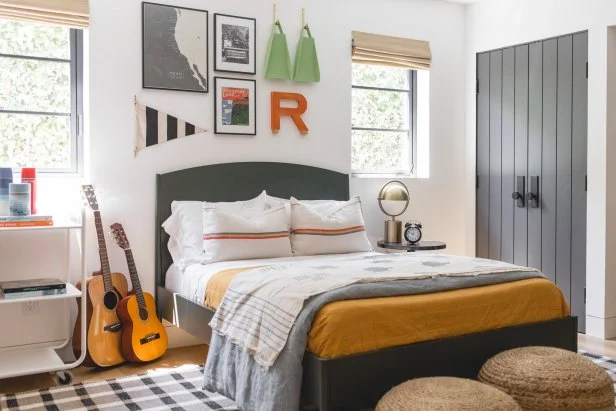
When selecting colors for your home, you can focus on those that resonate with you or complement the natural lighting. Moreover, colors can be used to alter perception in smaller spaces, making them feel more expansive. Kelly Collins, global head of brand partnerships at Swyft, states that choosing bright, neutral tones like white is the most straightforward method to achieve this effect.
While white is a popular choice, experts encourage exploration beyond traditional color palettes. Contrary to the belief that dark colors shrink a room, they can actually create a perception of depth. Using dark hues can help disguise the compact nature of a space.
Crisp Whites
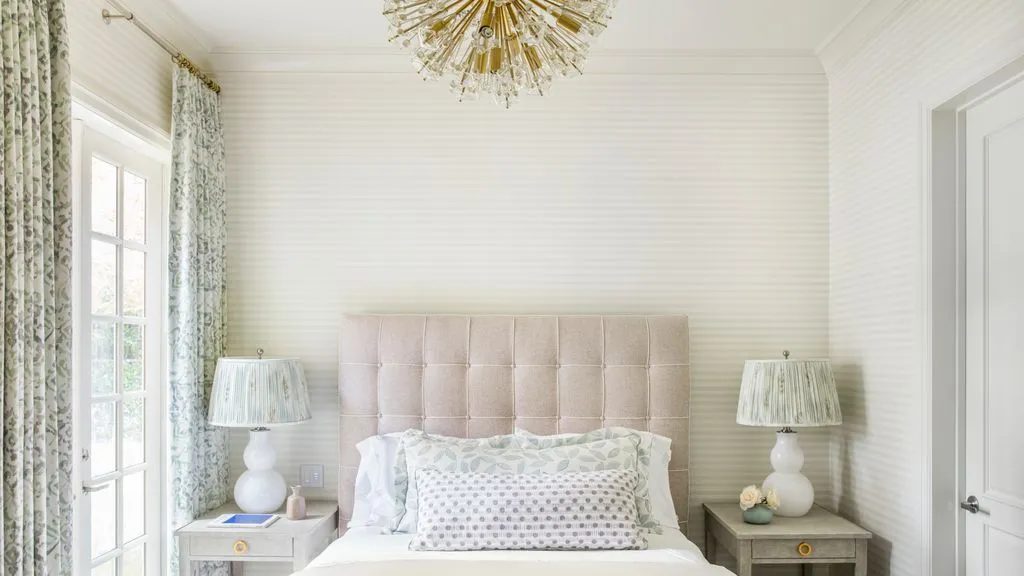
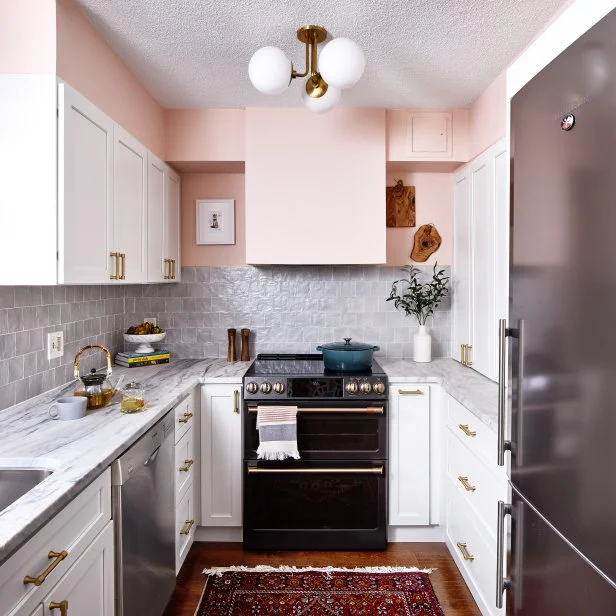
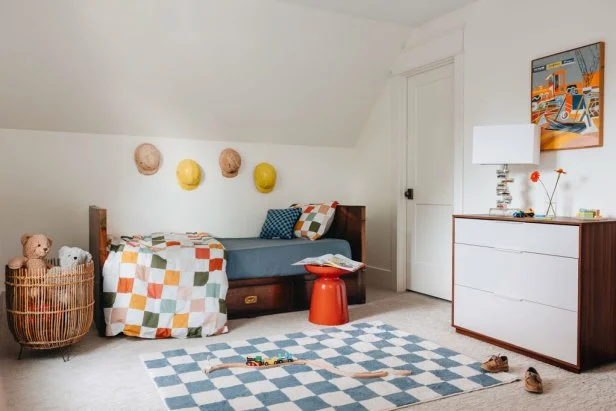
White is the classic choice for enhancing the appearance of small rooms, particularly in kitchens and bathrooms. Tom Howley, founder of a kitchen design firm, highlights the shift in recent years where homeowners prefer brighter and more spacious environments. An all-white kitchen can energize a space, but if that's too stark, subtle contrasting shades can be introduced without compromising the sense of space. Experts from Magnet advise matching light walls with light floors to prevent the feeling of confinement.
Cheerful Yellows
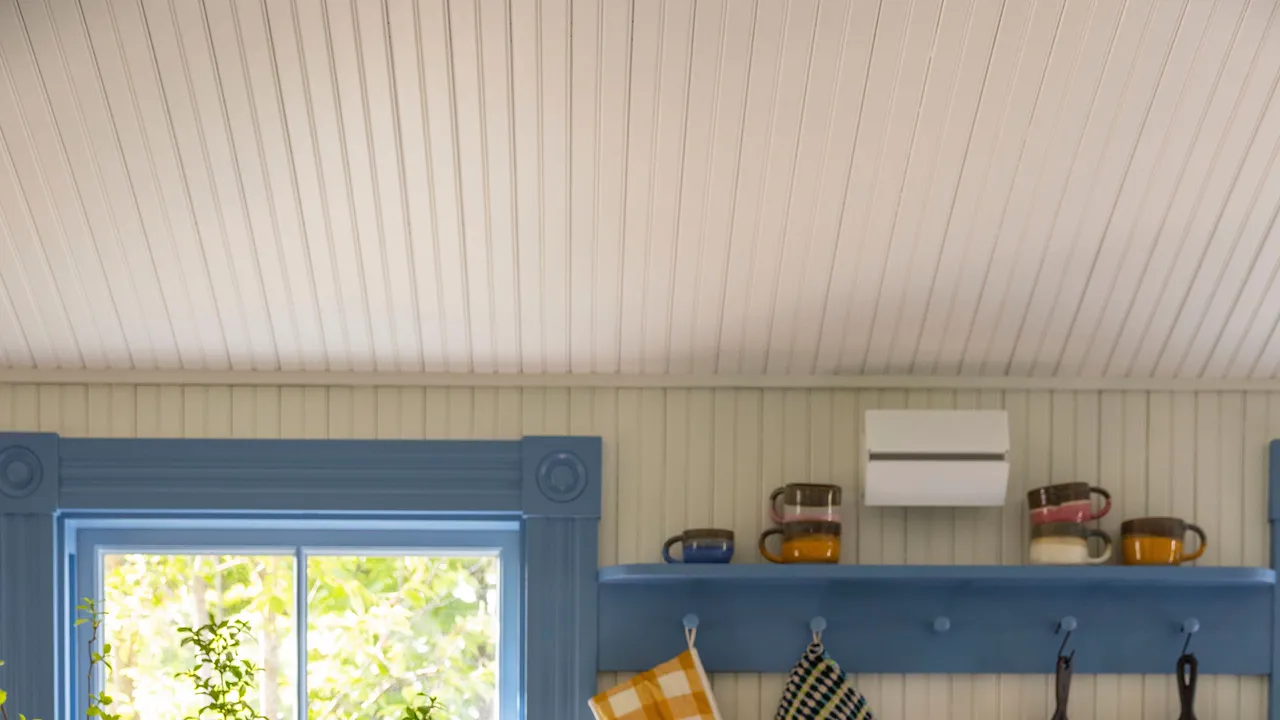
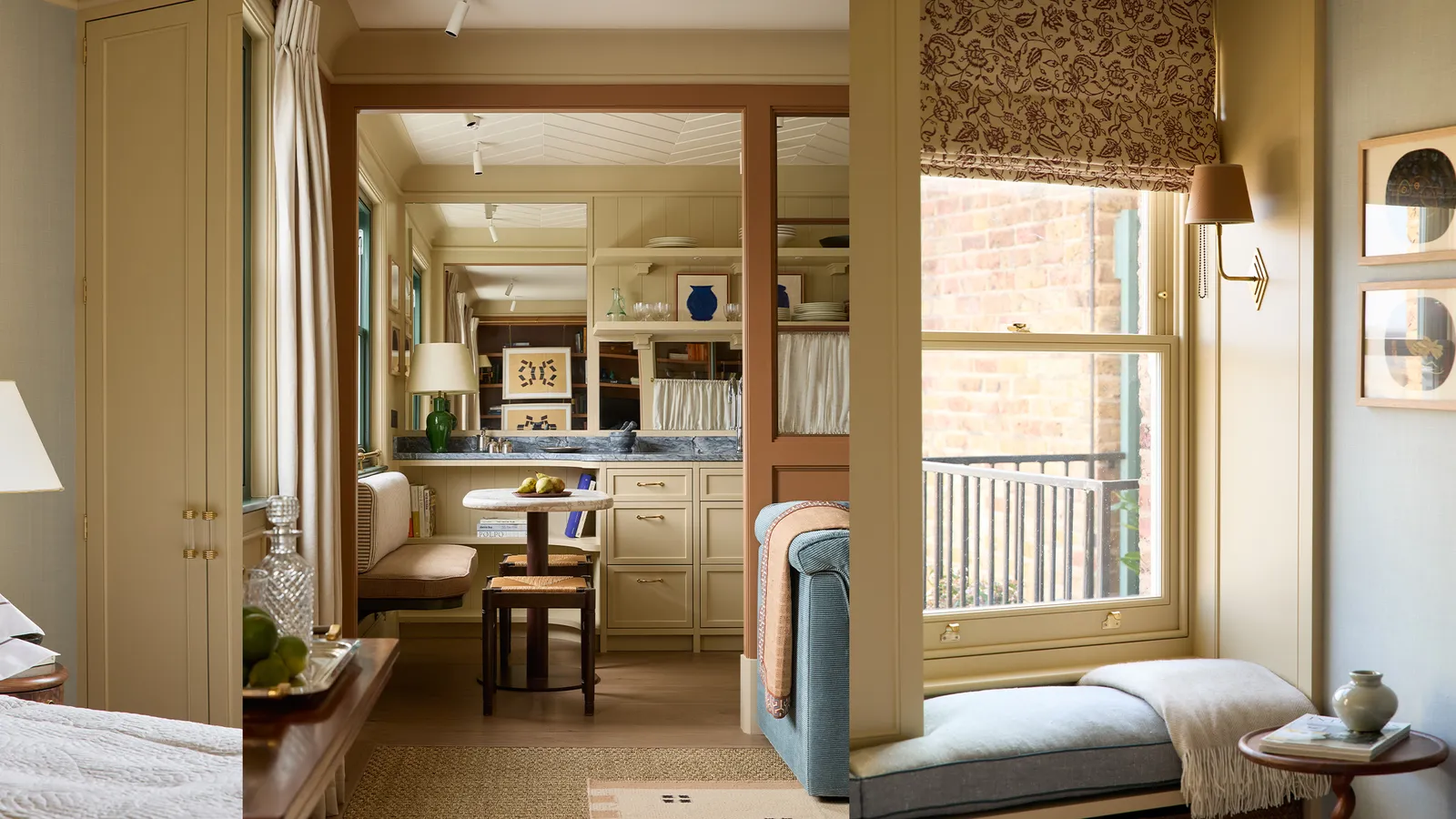
Incorporating yellow, especially a bright buttercup shade, can alleviate any feelings of claustrophobia in small rooms. Additionally, painting the ceiling the same color as the walls can create an illusion of height. Kelly advises that using a darker shade for woodwork and moldings can also make the architectural details more prominent while pushing the walls back visually.
Natural Greens
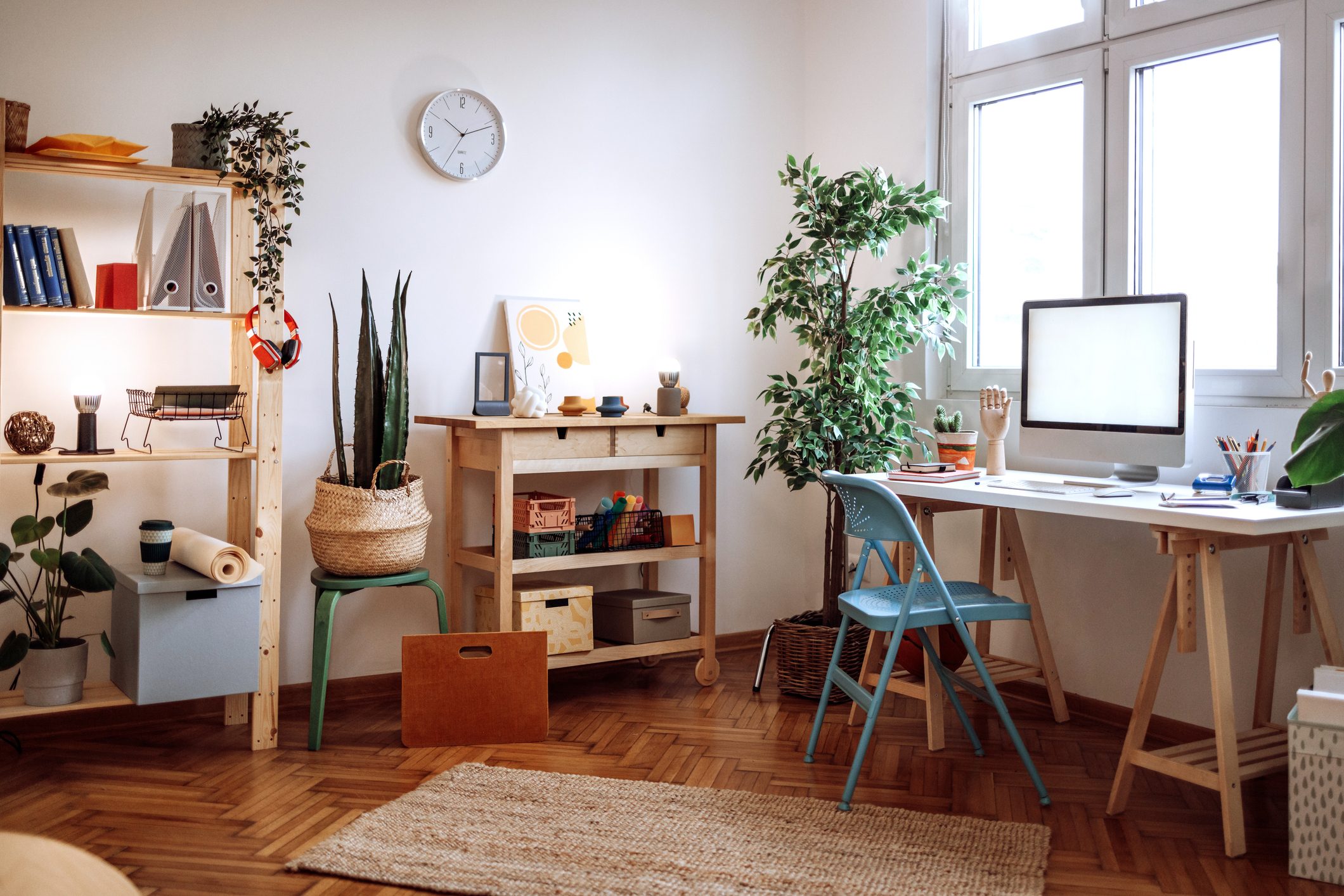
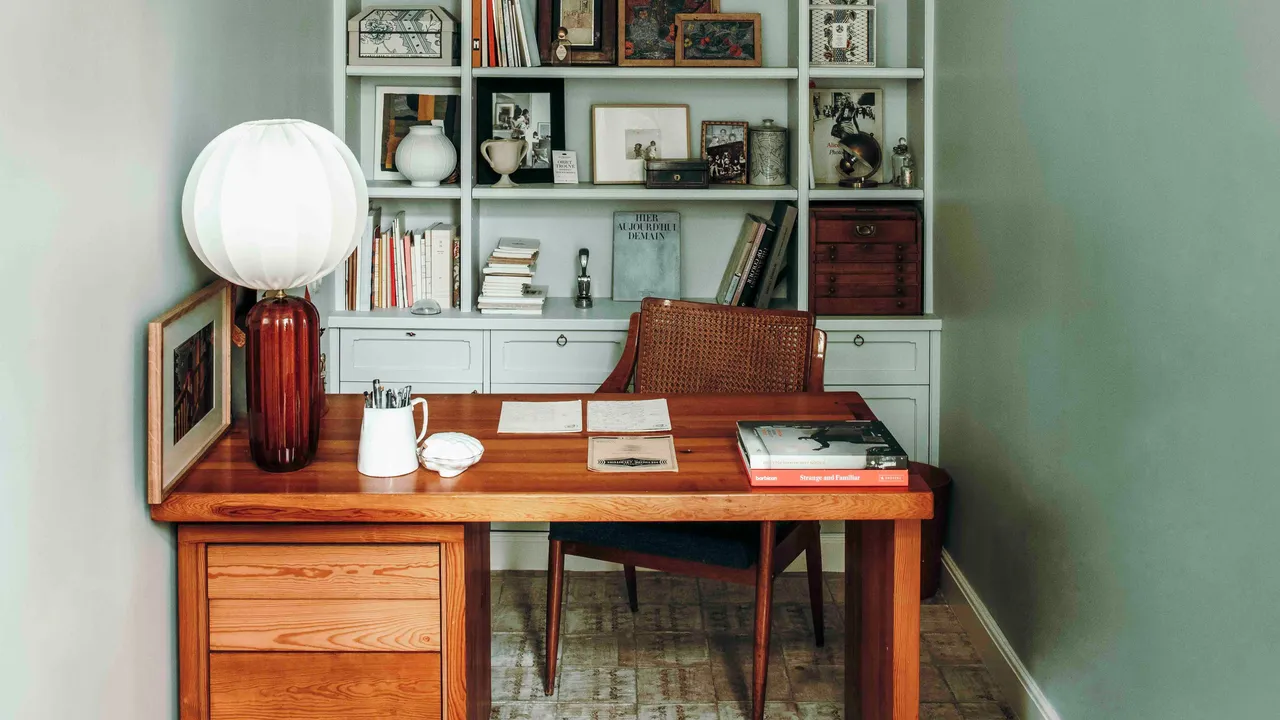
A soft mossy green can effectively connect indoor spaces to outdoor views, making the room feel larger. Interior designer Sophie Robinson suggests utilizing a three-color palette where the main color comprises about 60-70% of the scheme. Neutral tones can serve as a backdrop in wood flooring and furniture, enriching the overall aesthetic.
Rich Teals
For small spaces requiring vitality, rich teals with undertones that react to natural light can make a significant difference. Colors like Farrow & Ball's Stone Blue and Blue Ground are ideal for areas like cloakrooms. To create a heightened effect, Kelly recommends painting walls a few centimeters below the ceiling white, enhancing the room's vertical perception.
Dark Colors
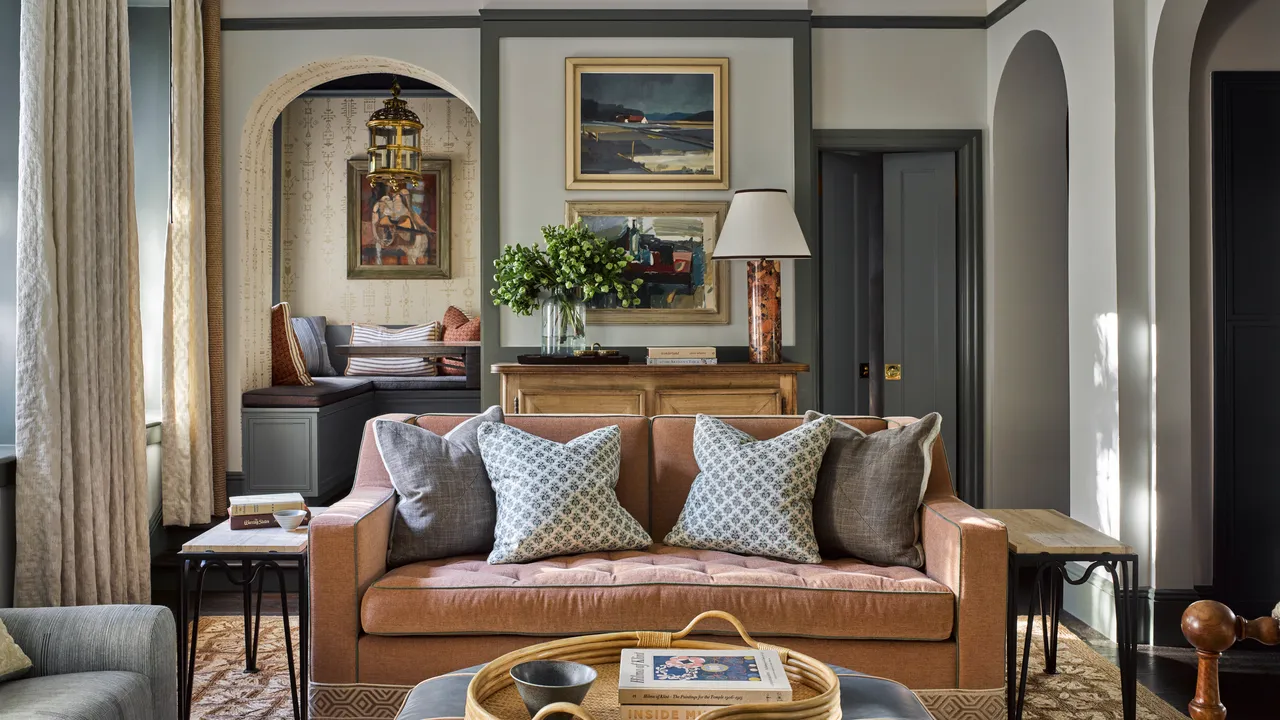
While lighter shades are usually favored for small spaces, dark colors can also be beneficial when applied thoughtfully. Rob Abrahams, Co-Founder of COAT, explains that dark colors absorb light, softening hard edges and making the space feel less cramped. Navy tones and off-blacks can create a cozy atmosphere, ideal for bedrooms.
Sheen Finishes
Paints with gloss or eggshell finishes can reflect natural light, making small rooms appear larger. While this finish may not be suitable for all surfaces, it works well on ceilings and wooden fixtures. A lacquered finish on doors and cabinets has a similar effect, contributing to a brighter and more spacious feel.
Rachel Edwards, the Deputy Editor at House Beautiful, specializes in design and home renovations, bringing over 15 years of experience from the furniture and homeware sector.