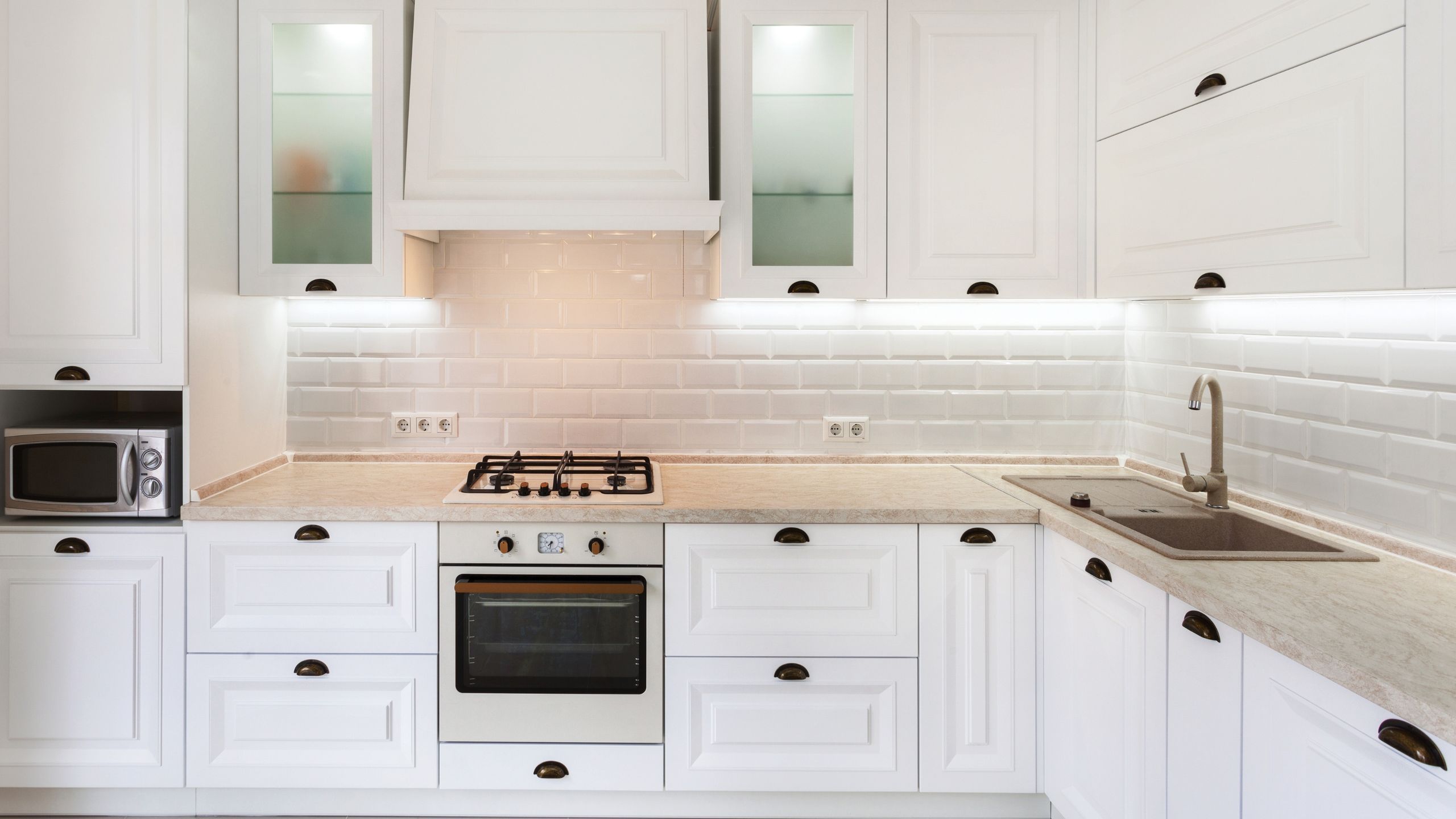
**Two-Tone Design** Consider a two-tone cabinet approach as illustrated by the design firm Forge & Bow. They feature white upper cabinets with glass panels and dark green lower cabinets, enhancing visual contrast.
**Complementary Colors** When choosing a soothing green, you can extend that color to the walls and trim. Interior designer Julia Chasman conceals the fridge behind cabinets painted in a matching hue, creating a cohesive look.
**Contrast with Dark Countertops** Pair teal cabinets with dark gray countertops to create a dramatic effect, as showcased by designer Kate Lester. Brighten the space with off-white backsplashes and opt for open shelving instead of upper cabinets.
**Incorporate Natural Woods** Embrace a saturated green by complementing it with natural wood tones.
Caren Rideau, from The Kitchen Design Group, combines bright green upper cabinets with wooden lower cabinets and showcases natural wood cutting boards on open shelves.
**Nature-Inspired Hues** A nature-inspired green, similar to leaf or moss colors, can provide a striking yet neutral design. Kristin Marino of KozyKasa enhances this look with raw wood floating shelves and gold hardware.
**Mix Blue and Green** If you are undecided between blue and green, consider opting for a sea green shade that balances both colors. Interior designer Emily Henderson has utilized this strategy successfully.
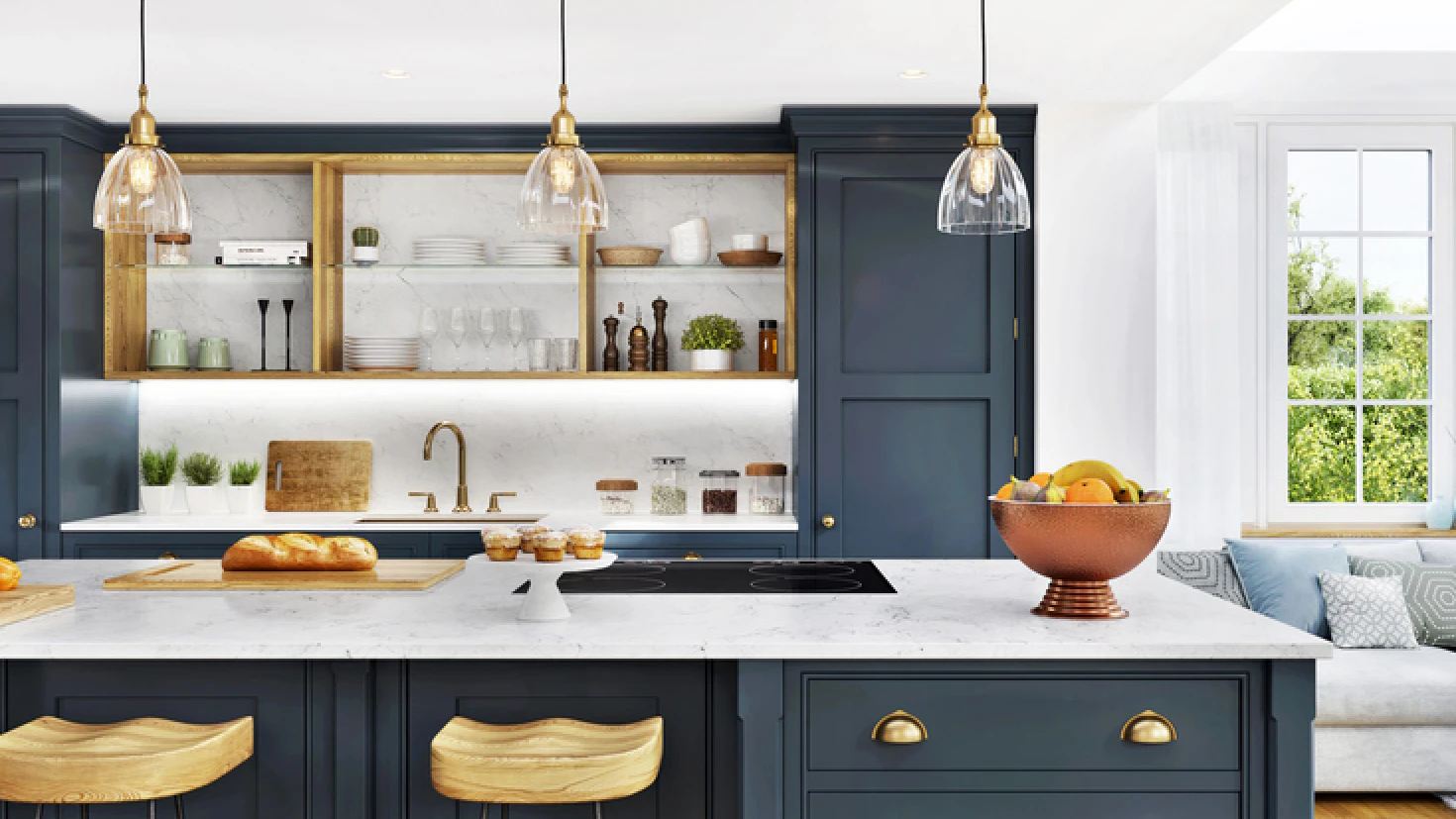
**Gold Hardware Accents** The combination of dark green cabinets and gold hardware creates a striking aesthetic. The TKS Design Group covers all cabinetry and trim in a rich green, complemented beautifully by gold fixtures.
**Bright and White Up Top** To balance vibrant green cabinets, keep the upper walls white and consider a light marble backsplash. Banner Day Interiors achieves harmony through a green and white patterned shade.
**Rustic Charm** For a chic yet rustic kitchen, pair green cabinets with natural wood accents, vintage lighting, and displayed antique dishes for a charming touch.
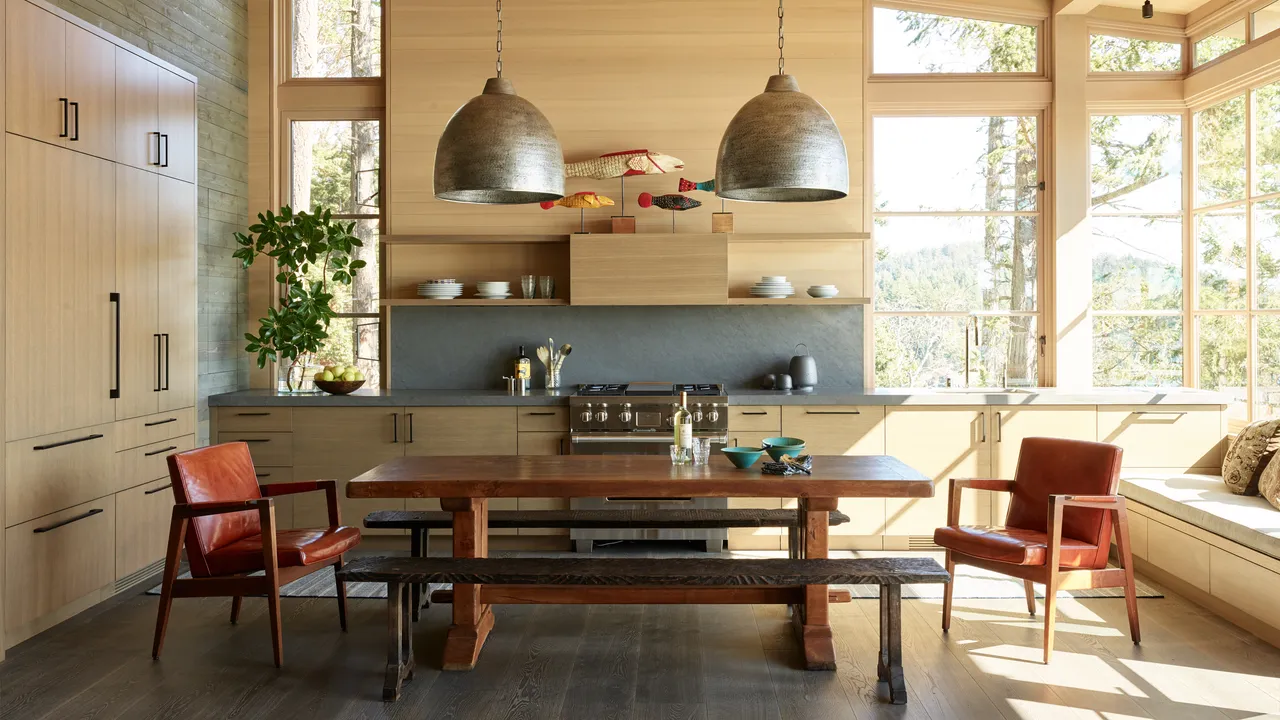
**Natural Wood Elements** Green and wood combinations can create a serene space. Designer Ashley DeLapp showcases this by using an earthy green alongside various wooden elements in the kitchen.
**Light Color Palette** A pale green provides color without straying from a neutral palette. Hearth Homes Interiors exemplifies this by mixing in gold accents and wood shelving.
**Black Accents for Modern Aesthetic** For a sleek look, combine emerald green cabinetry with black fixtures.
LH.Designs enhances this style by adding bright green to the range hood as well.
**Retro Styles** Mint green, a popular color in the 1950s, is re-emerging in kitchen design, adding a vintage flair to modern aesthetics.
**Olive Green Combination** Olive green cabinets can be complemented with marble countertops, glossy gold hardware, and white tile for a balanced look.
**Bright Contrasting Ceilings** Dark citron cabinets contrast beautifully against warm wood tones and bright white ceiling elements.
**Neutral Light Greens** Light green can serve as a neutral alternative similar to white or gray.
Pair pale pistachio cabinets with concrete countertops and creamy white backsplash tiles for a balanced design.
**Accent Ceilings** Use bright chartreuse to create an accent in an otherwise all-white kitchen, extending it to the ceiling for a cohesive look.
**Seamfoam Color Scheme** Liven up your kitchen space with layers of seafoam, light blue, and white, complemented by floral details and woven textures for an airy feel.
**Statement Islands** Emerald green kitchens pair well with neutrals, creating opportunities for striking accent islands.
**Harmonizing Shades** To achieve a cohesive appearance, match the interior color of glass-front cabinets to the kitchen island, utilizing varying shades for contrast.