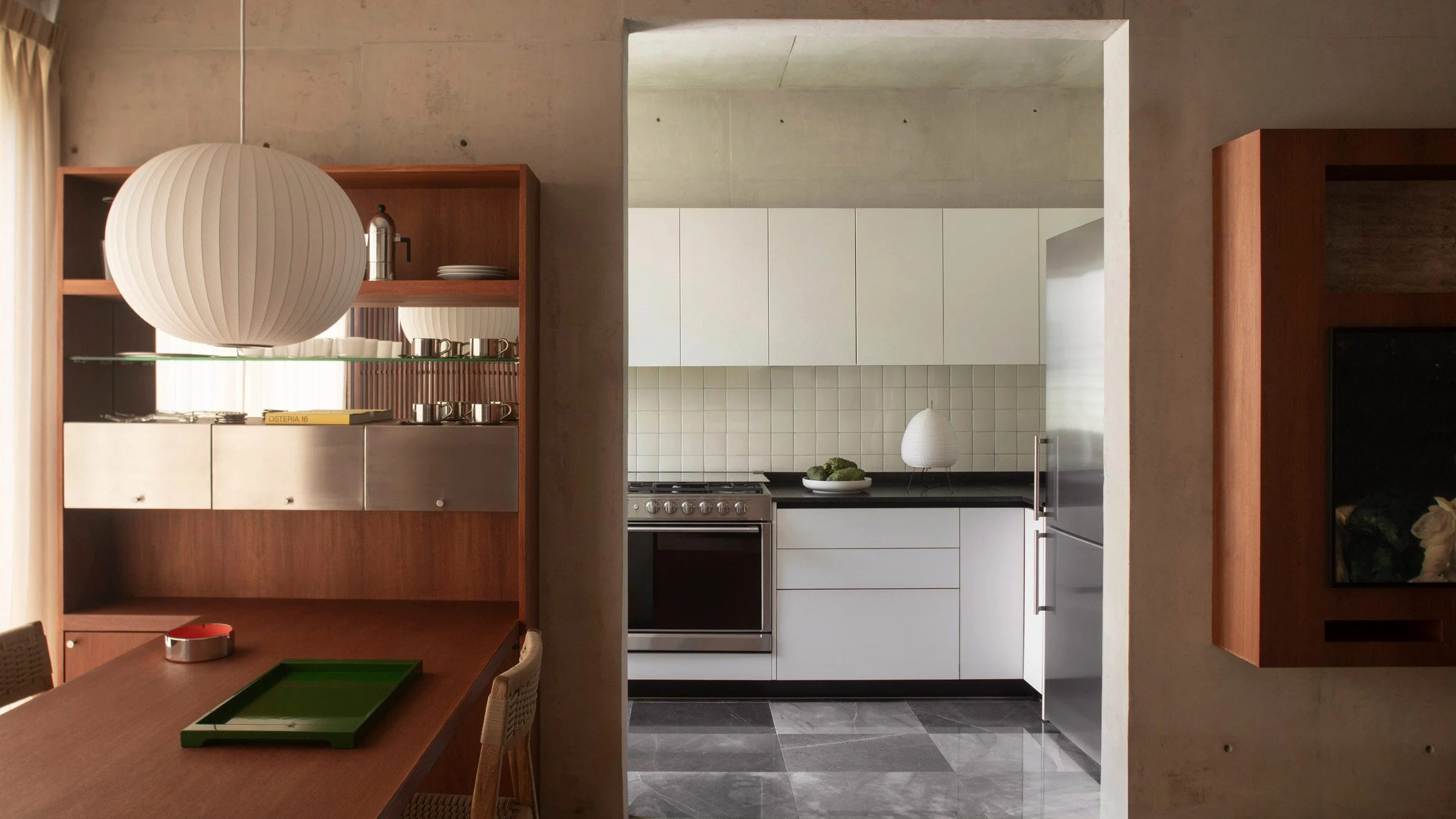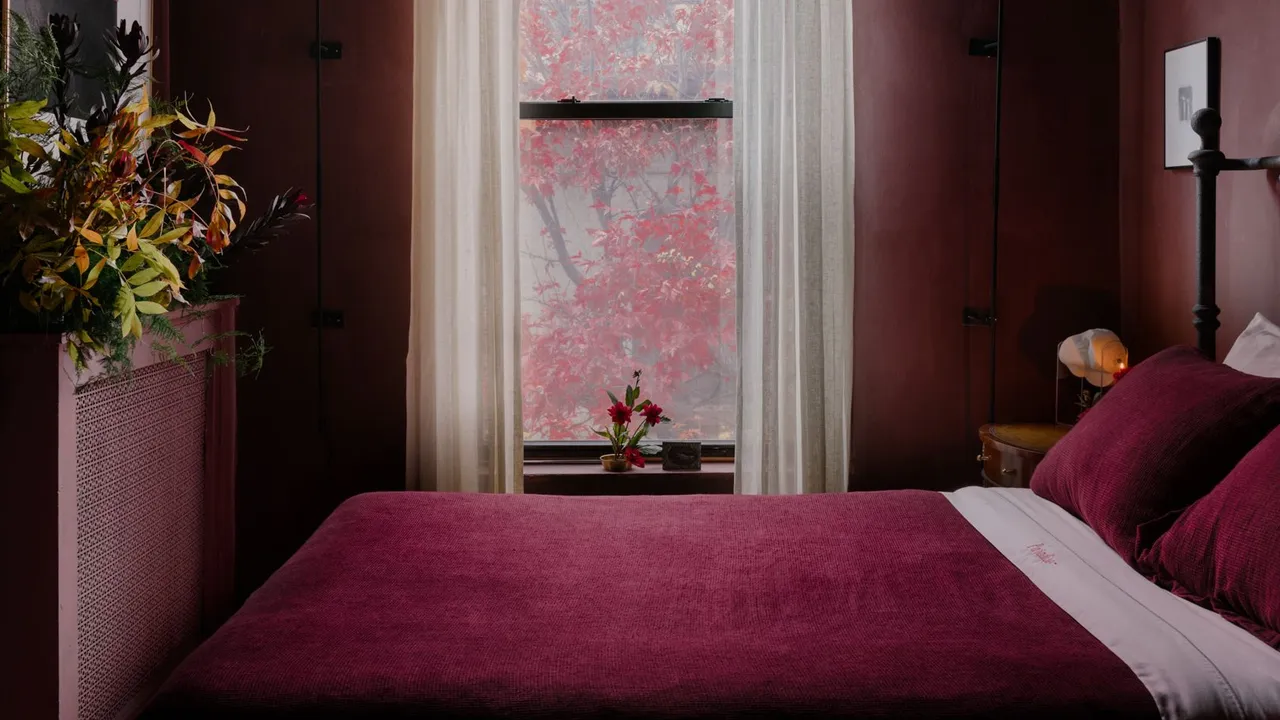
Living in multiple New York apartments has prompted many to consider how to maximize tiny spaces effectively. Interior designers have offered fresh perspectives on traditional advice for small-space living, highlighting that many established rules may not be as beneficial as once thought.
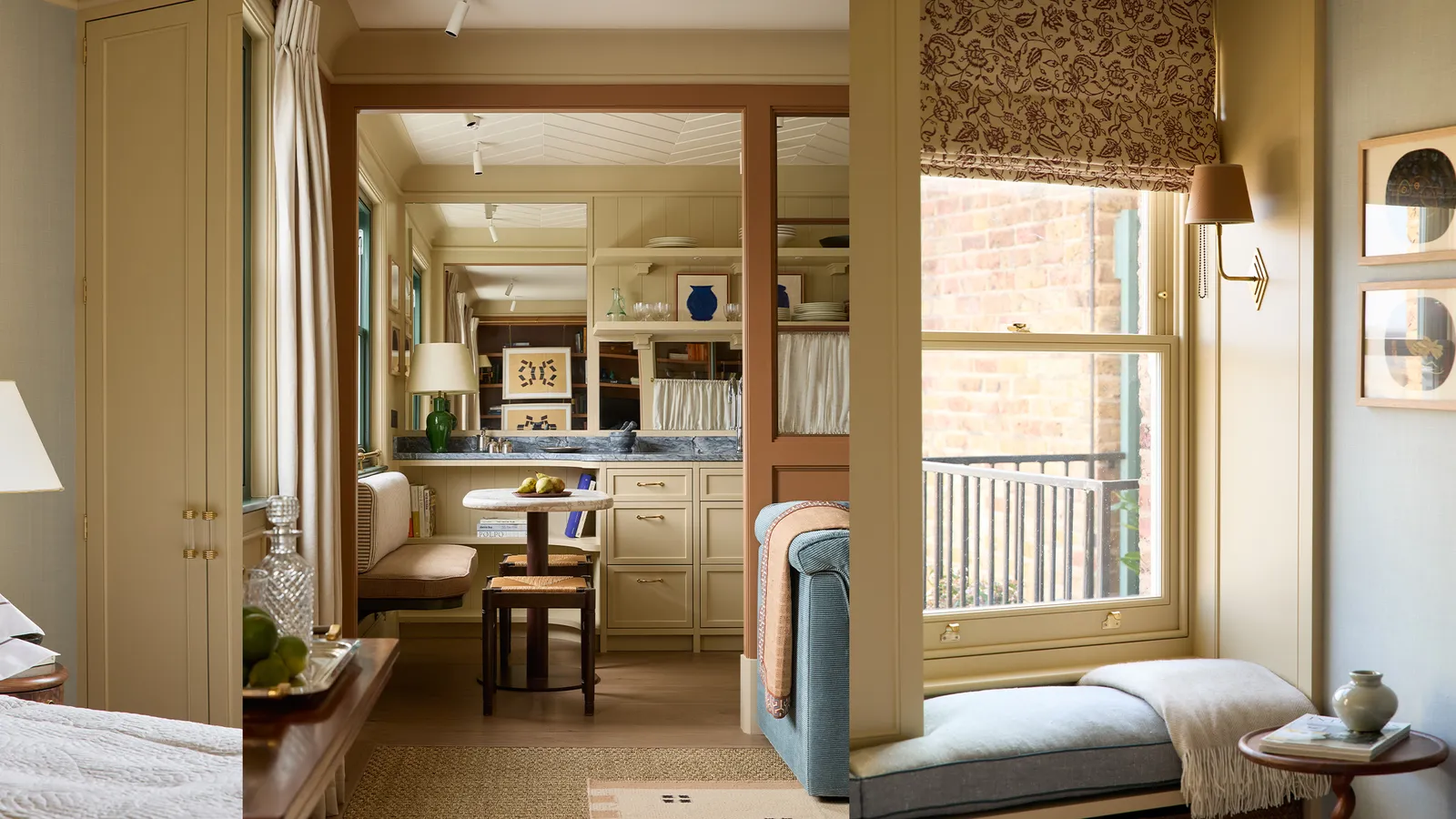
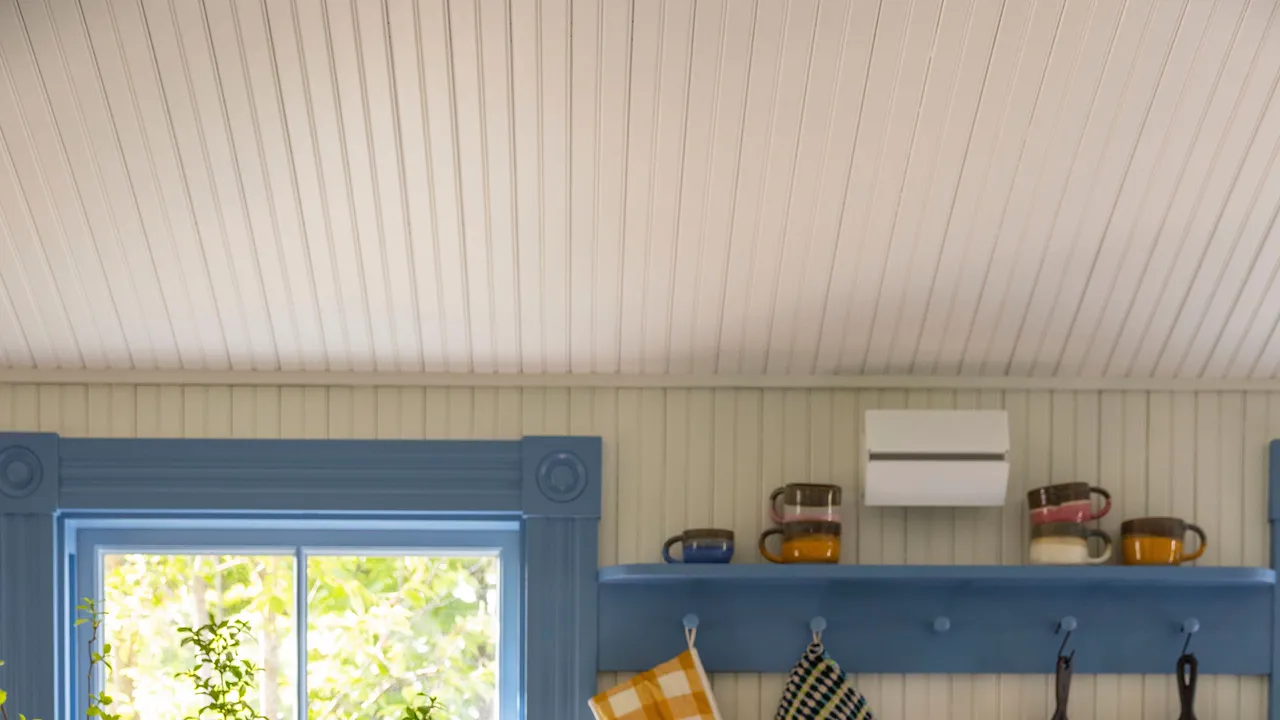
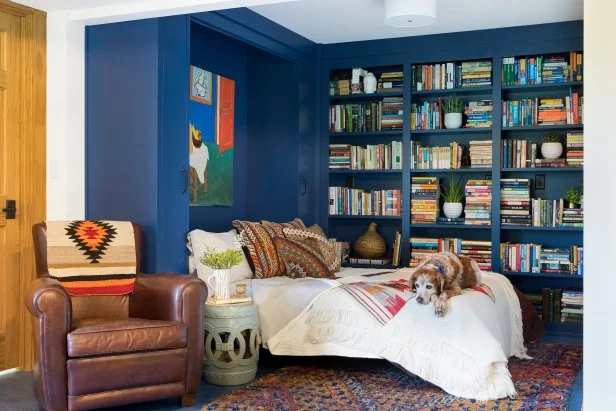
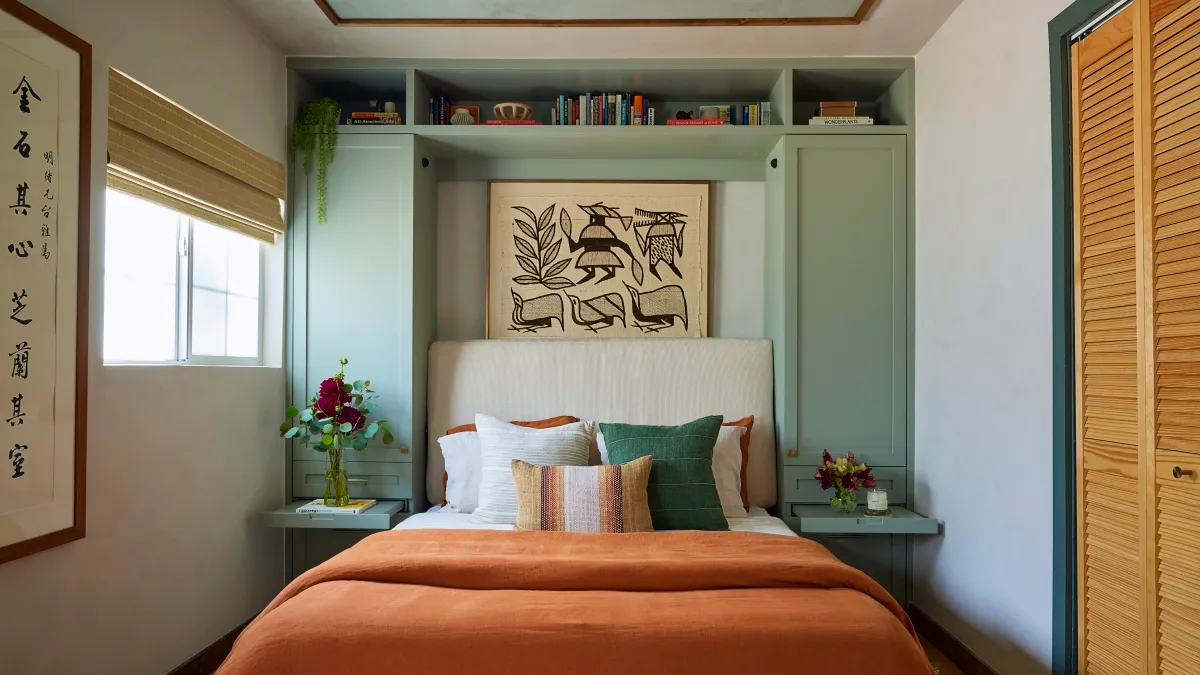
One of the most prevalent myths is that using white paint makes a room feel larger. Architect Sarah Jacoby argues that white merely changes the color of a room without creating an illusion of space, often resulting in a cold atmosphere. Instead, she recommends warm, saturated tones, which create a cozy and inviting environment. Emily Frank from Frank & Co. Home echoes this sentiment, stating that white reflects light without adding dimensionality; in fact, it can emphasize boundaries. She advocates for enveloping spaces with rich colors that transform a room’s atmosphere, making it feel more expansive emotionally.
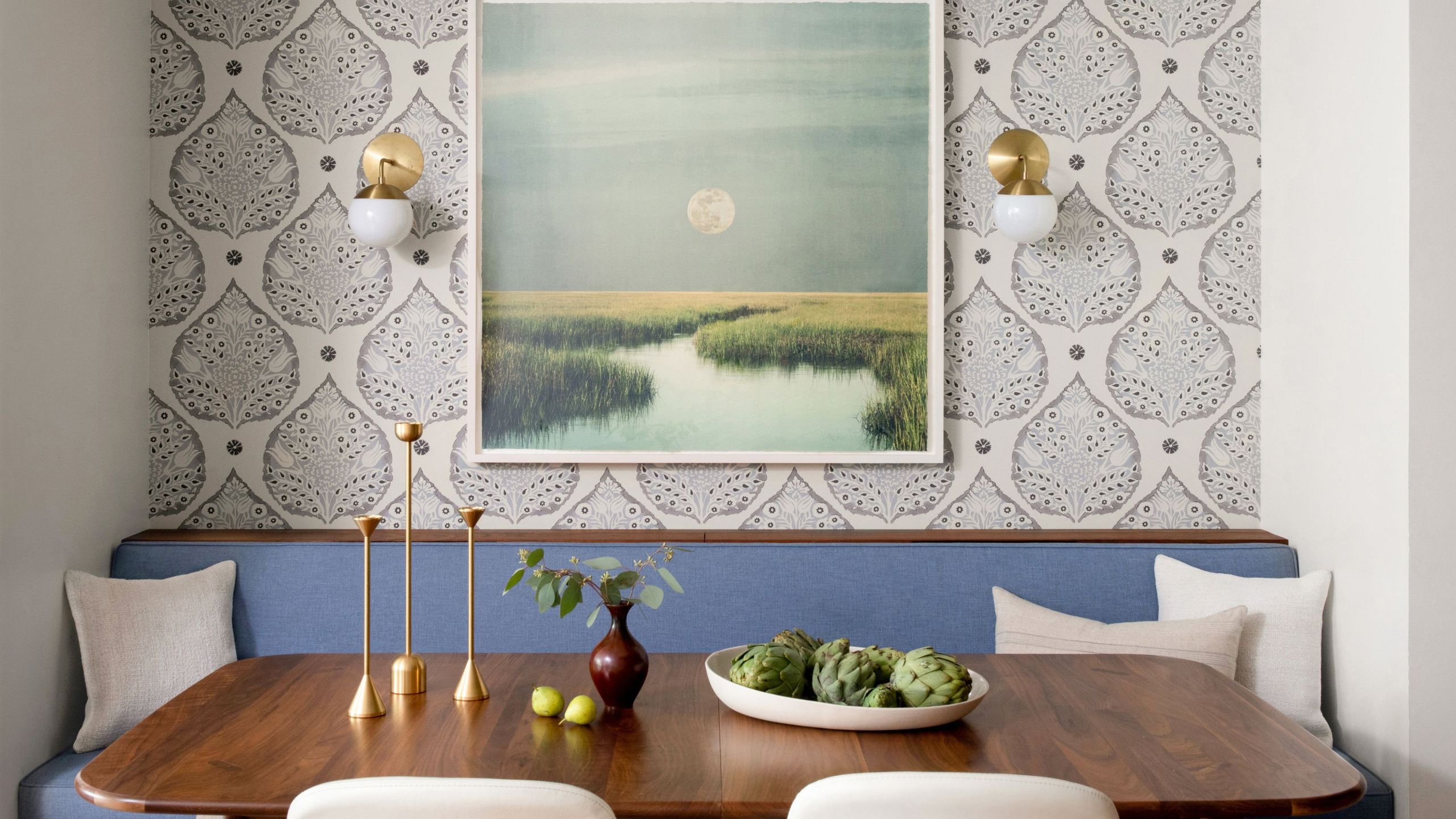
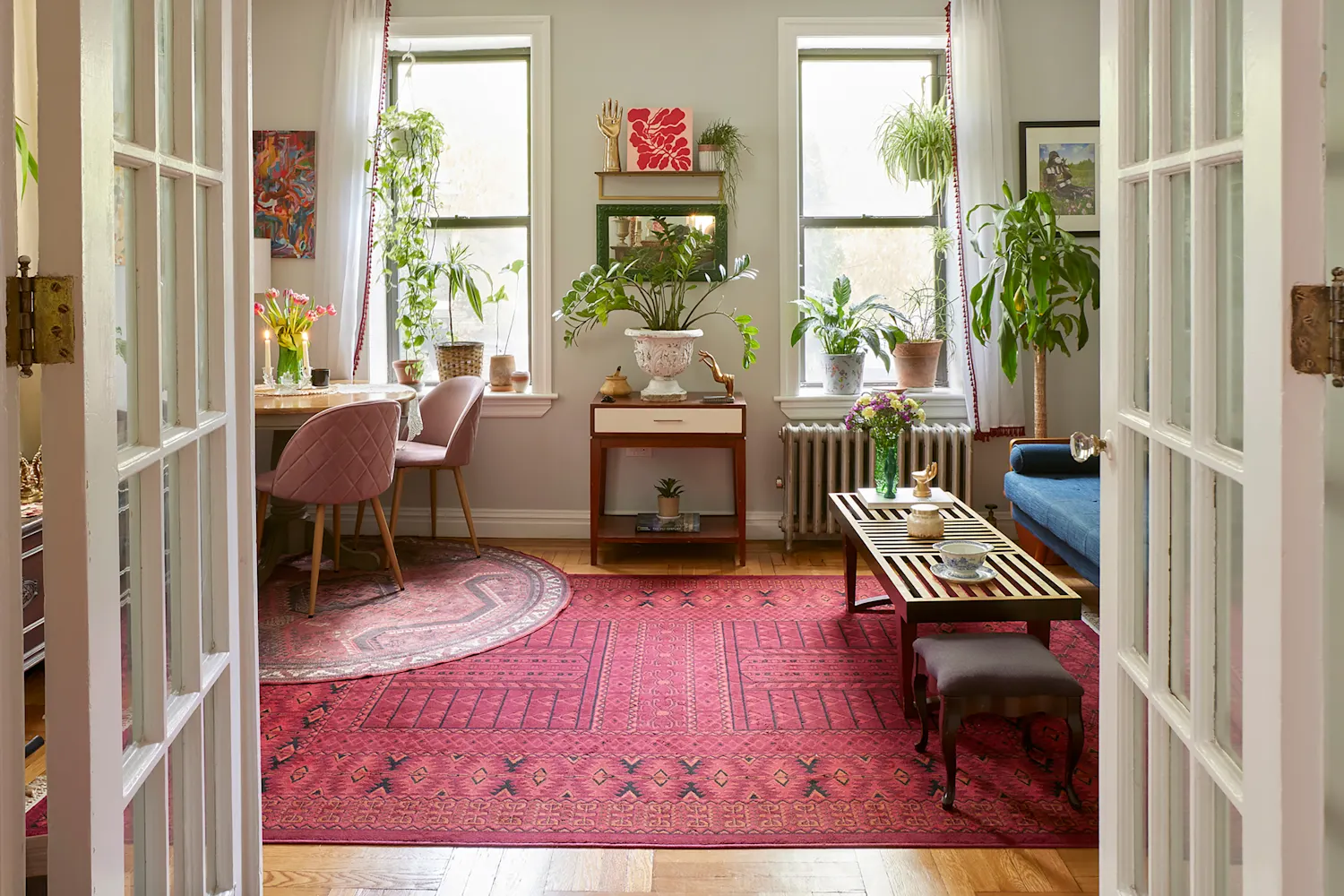
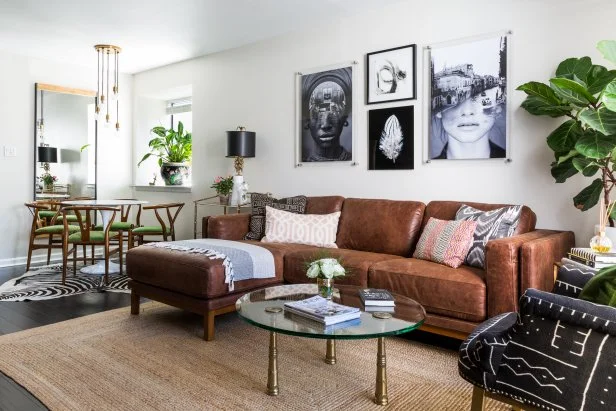
In contrast to the notion that patterns overwhelm small spaces, Frank argues that personality is essential. She suggests that graphic tiles and bold patterns can guide the eye around the room, fostering flow and depth. Another designer, Alissa Friedman, agrees that narrative-driven wallpaper can enhance a small space, creating drama that captivates rather than constricts. However, she warns against crossing the line from collected to claustrophobic by managing overall visual weight.
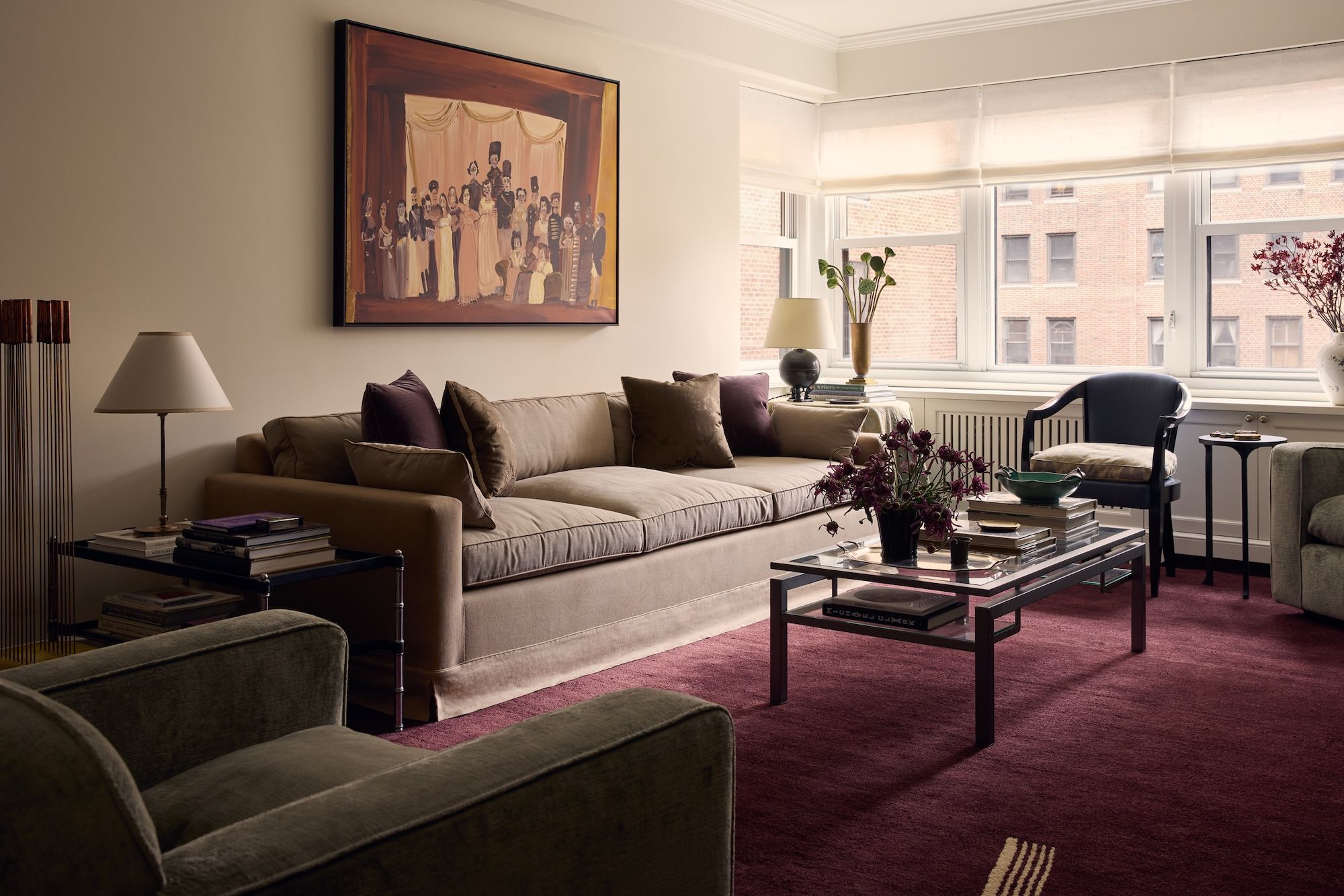
The idea that small rooms require small furniture is another misconception. Friedman introduces the concept of the