Migratory birds have long undertaken extensive journeys between their breeding and wintering grounds each spring and fall. Recent studies reveal that over 80 percent of these birds travel at night, relying on stars for navigation. However, a new threat has emerged—light pollution caused by urban lighting, which can disorient these birds during their migrations.
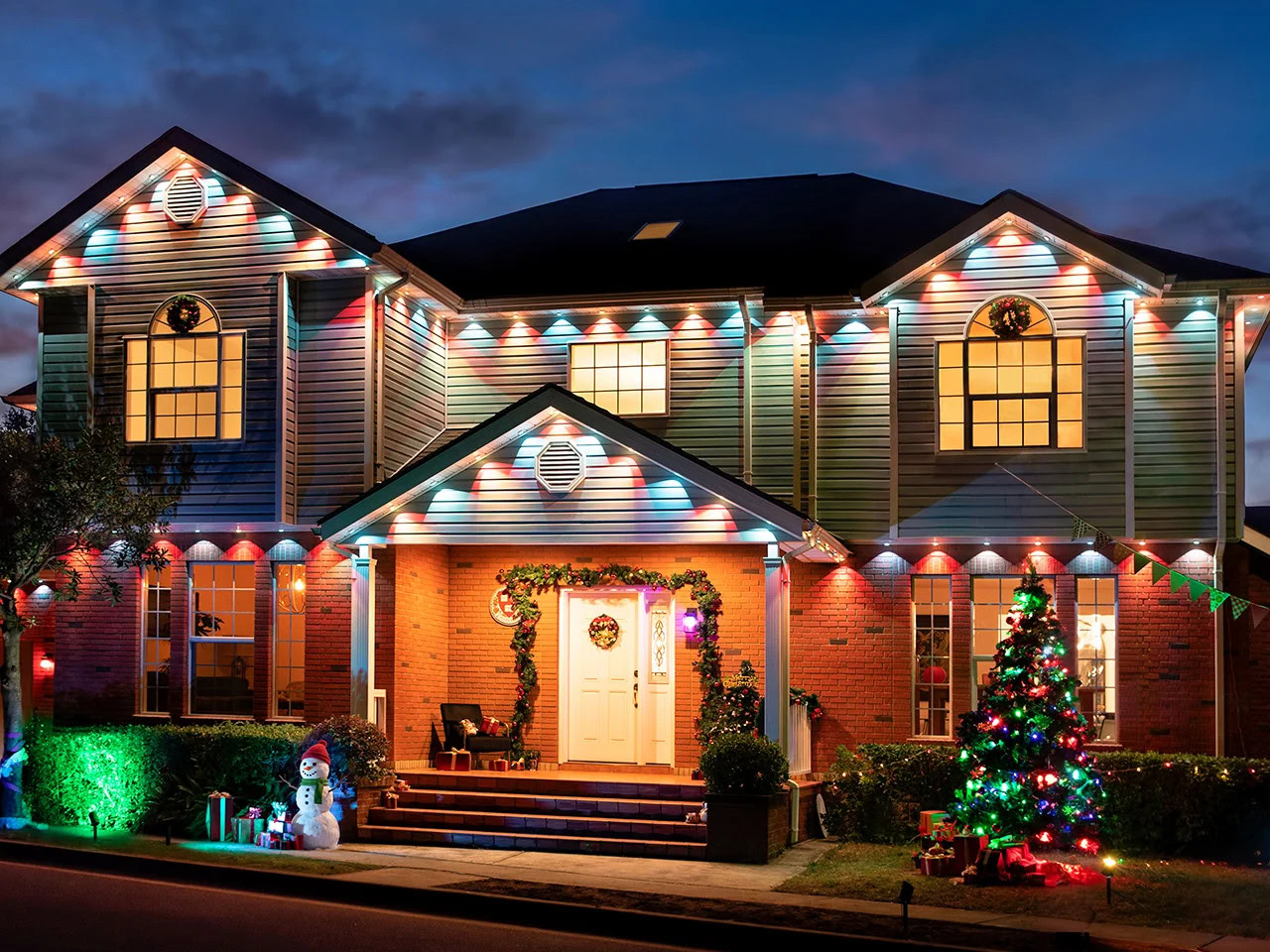
Bright city lights create sky glow that obscures the stars, posing risks for migratory birds that become entrapped in illuminated urban environments. Many birds collide with buildings or exhaust themselves in endless circles around bright lights, leading to tragic outcomes.
### Reducing Light Pollution
The impact of light pollution on migratory birds is a pressing concern, yet it can be alleviated by reducing outdoor light emissions. To support safe migration, homeowners can adopt bird-friendly lighting solutions.
### Choosing Shielded Lights
Unshielded light fixtures emit light in all directions, including upwards, which contributes to light pollution. In contrast, shielded lights focus illumination downward, minimizing the escape of light into the night sky. Installing shielded lighting around your home not only helps direct light where it’s needed but also assists in protecting migratory birds.
The International Dark-Sky Association (IDA) provides resources on shielded versus unshielded lighting styles, and their Fixture Seal of Approval identifies outdoor lighting options that reduce light pollution. It’s essential to purchase factory-designed shielded lights, as retrofitting existing fixtures can create fire hazards.
### Selecting Appropriate Lamps
If replacing unshielded lights isn't feasible, selecting the right type of lamp can also help. Pay attention to the lumens produced by bulbs—lower lumens result in reduced sky illumination. Additionally, the color temperature of light can influence wildlife behavior. LED lights emitting cool, blue light are particularly problematic, promoting light pollution that disrupts both birds and other wildlife. Opt for warm-colored lights in the range of 2100-2200 Kelvin to minimize these effects.
### Evaluating Light Usage
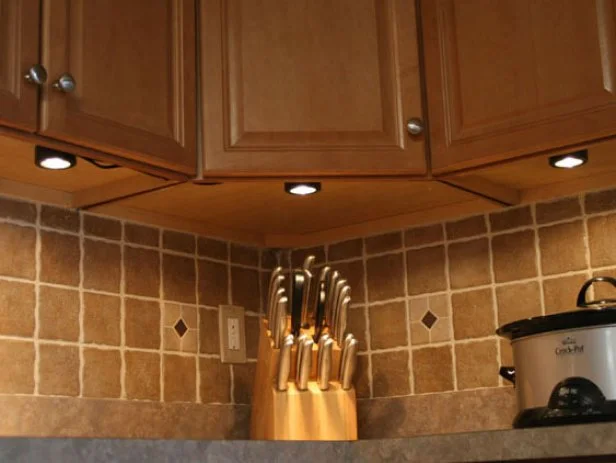
Another straightforward approach to reduce light pollution is to assess the necessity of your outdoor lighting. Many lights are turned on out of habit rather than need. Consider implementing timers or motion sensors, ensuring lights only illuminate when necessary. If certain lights are unnecessary, simply turning them off contributes significantly to reducing light pollution.
By reviewing and adjusting the outdoor lighting systems around homes, individuals can take meaningful steps toward protecting migratory birds. Making small changes, such as switching to shielded fixtures or warmer bulbs, collectively helps reclaim the night sky for both birds and stargazers alike.